Northeast Ohio Regional Library System
1/12/2017
 What lingual gems might your staff and community be hoarding? Learn how the Westerville Public Library has engage their staff and community to reach non-native English speakers with name badges, grants, and community partners.
Location: Online
Via Adobe Connect
2/28/2018
 People with disabilities, be it physical, mental, or medical, are among the most disadvantaged in our society. According to the US Department of Labor, only 16% of people with disabilities will complete a Bachelor’s and less than 50% will find gainful employment.
This session will offer actionable strategies for welcoming patrons and staff with disabilities into your libraries. A brief presentation will be followed by case studies with a focus on group brainstorming and a time for questions and discussion.
Presenter: Vera Hayes, Young Adult Librarian who you may recognize as the "Librarian from Kansas" who recently illustrated the cost of multiple chronic health conditions measured in iPhones. The article was turned into a facebook video, which has been viewed over 170K times. Vera presented on disability at both ALA and the YALSA Symposium.
When you receive your confirmation of registration for this archive the link to the archive will be included in the confirmation email.
Location: Online
Via Adobe Connect
7/18/2018
 In this webinar we will:
-
Review sample Equal Employment Opportunity and Anti-Harassment policies.
-
Provide an overview of discrimination and harassment law and prohibitions against retaliation.
-
Provide specific examples of behaviors prohibited by the sample policies and the law.
-
Identify recommended avenues to report discrimination and harassment.
-
Identify expectations for workplace behaviors that go beyond the law.
John Gerak focuses his practice on employment counseling, including employment policies and practices, reductions in force, executive hires/terminations, and issues arising out of mergers and acquisitions. John also has significant experience handling complex employment litigation, including class and collective action litigation and non-compete matters .
Katie Sanz represents a variety of employers in all phases of litigation in both state and federal court and before administrative agencies. She has experience defending employers against claims related to discrimination, retaliation, harassment, breach of contract, wage and hour, and claims brought pursuant to the Family Medical Leave Act. Katie also counsels and advises employers regarding a wide range of employment-related matters.
When you receive your confirmation of registration for this archive the link to the archive will be included in the confirmation email.
Location: Online
Via Adobe Connect
8/2/2018
Rhonda Johnston, Adult Outreach Coordinator, Reed Memorial Library focuses on connecting historically underserved populations with library resources. She has transformed the storytime for adults with developmental disabilities into a fun and engaging learning session that has opened the door for this patron group to become fully integrated with what the library has to offer. They have seen incredible growth in the patrons. Learning Objectives:
-
Understanding our patrons
-
Ways to be inclusive
-
Inclusive programming
When you receive your confirmation of registration for this archive the link to the archive will be included in the confirmation email.
11/28/2018
Providing Library access to English Language Learners (ELL) can be much more than developing your foreign language and ESL collections. Those learning English can have more pressing information needs and all staff can play a part in creating a welcoming environment. Keep ESL patrons coming back (hint, it’s not just the free services but the new connections and relationships they make at the Library) and provide programming opportunities for the entire community to engage.Learning objectives:
-
How to effectively welcome the ELL community into the Library using best practices in outreach
-
How to engage ELL patrons with staff encounters, signage, relevant programming, collections and volunteerism
-
Learn about grant funding and potential community partnerships
Ginger Hofstetter developed a variety of impactful and innovative Spanish language programs as Spanish Language Outreach and Programming Coordinator during her time at Perry Public Library and Ashtabula County District Library and translated Guiding Ohio Online’s technology training materials into Spanish for the State Library of Ohio. Her most recent projects are ELL Guide and Residential Houseparent for international boarding students at Hershey Montessori Farm School and as a freelancer providing individual casework for English Language Learners. Ginger studied Humanities at a Mexican university and has conducted business internationally.
When you receive your confirmation of registration for this archive the link to the archive will be included in the confirmation email.
2/20/2019
In her book Library Services for Immigrants and New Americans, Jennifer Koerber reviewed programs and services provided by more than 20 libraries across the country. In this webinar, she'll share 5 case studies and highlight the best practices they represent, including how to broaden the scope to include long-time residents and other community members. At the end, she'll guide you through an exercise to create a list of 10 concrete tasks you can take in your library to add or improve services to newcomer populations. There will be time for questions and answers, and a handout will include links to all libraries mentioned in the talk.Learning Objectives:
During and after this webinar, participants:
-
Are exposed to diverse approaches to serve immigrants/New Americans at different levels of investment.
-
Will recognize that providing these services and programs can often be multi-purposed to serve long-time residents and any new resident as well as newcomers to the US.
-
Construct a list of 10 concrete things they can do in their buildings and in their communities based on webinar content.
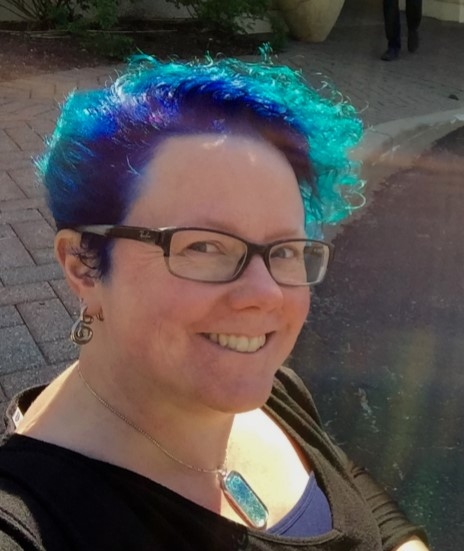 Jennifer Koerber has two decades of experience in libraries, in both public-facing and behind-the-scenes roles. After 17 years at the Boston Public Library, she established her own business providing technology training and consulting services to libraries. Jennifer is also currently the Training Manager at Harvard University Library, overseeing staff training for a new service platform.
She has written extensively for Library Journal on public library services and technology, and in May 2018, her book Library Services to Immigrants and New Americans: Celebration and Integration was released by Libraries Unlimited. In what remains of her time, she is an avid mobile photographer and traveler.
When you receive your confirmation of registration for this archive the link to the archive will be included in the confirmation email.
Location: Online
Via Adobe Connect
3/26/2019
Working toward equity and inclusion in library services is not just the responsibility of public-facing staff. As catalogers and other metadata professionals, viewing our controlled vocabularies and classification systems with a critical perspective can make us more aware of the inherent biases and oppressive language present in those systems. This presentation will discuss the political and social aspects of systems including Dewey Decimal Classification, Library of Congress Classification, and Library of Congress Subject Headings. It will give examples of problematic structures and language, and offer some practical steps libraries have undertaken to improve inclusion and social consciousness in the ways we describe our resources.Learning Objectives:
-
Participants will engage critically with the structural and cultural biases in controlled vocabularies and classification systems.
-
Participants will examine specific examples of exclusionary language and problematic arrangement of resources used in libraries today.
-
Participants will learn about measures libraries have taken to put critical cataloging into practice.
When you receive your confirmation of registration for this archive the link to the archive will be included in the confirmation email.
Location: Online
Via Adobe Connect
4/3/2020
This webinar will give an introduction into the Spanish language as well as the people that speak it. You will be provided with short cuts and an understanding of the basics of the language. Know the essential phrases that can breach some of the communication gap when working with Spanish speaking patrons that do not speak English.
Learning Objectives:
-
Introduction to the Spanish Language
-
Learn short cuts
-
Learn essential phrases
Presenter:
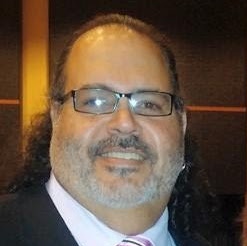 Jaime Declet was born and raised in Caguas Puerto Rico. Moving to Ohio to finish his college degree at OSU. He made a stop to visit relatives in Cleveland, and the rest as they say is history. Married to Jeannine, children Andrew & Victoria. He started working in libraries as a volunteer in the sixth grade through High School. Working for the Cleveland State University, Fine Arts Library for six years and has been working in public libraries for the past 19 years. Mr. Declet started his public library career with the Lorain Public Library. He currently works for the Cleveland Public Library managing the South Branch. Mr. Declet is a member of the Advisory Board of Virginia Hamilton Conference on Multicultural Children's Literature, member of the Board of Directors of the Tremont West Development Corporation. His job is to make sure that the community he serves knows that the Library is here to help. Therefore, he makes sure that the Library is front and center in all community events.
When you receive your confirmation of registration for this archive the link to the archive will be included in the confirmation email.
Location: Online via Adobe Connect
4/23/2020
While classroom training has an important place in library staff education, learning is extended and reinforced when staff have the opportunity to work through difficult topics outside of the classroom. In order to support staff learning about issues of equity, diversity and inclusion, Multnomah County Library has developed a “Racially Just” toolkit, containing activities staff can use to learn on their own, with colleagues or in their staff groups.
Learning Objectives:
-
Recognize some of the indications that an organization is ready to support staff with self-paced learning about EDI
-
Describe the process staff at Multnomah County Library undertook to develop self-paced learning about EDI, and how you might modify that process in your own organization
-
Access resources to help with your own EDI training efforts
Presenter:
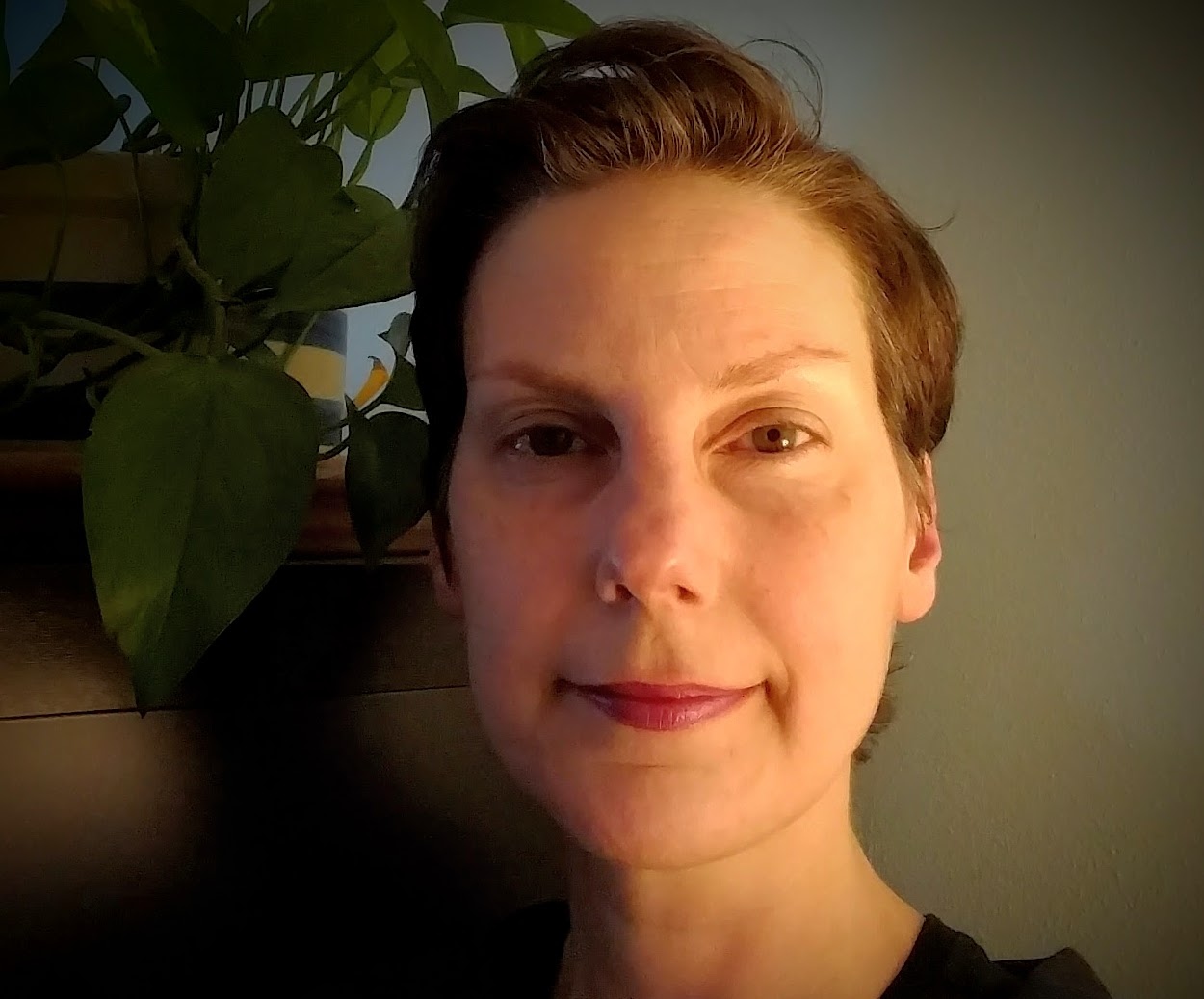 Amy Honisett has been working in libraries for ten years. Her work has focused on education and training, as well as supporting health and digital literacy awareness. She is currently the Learning and Development Specialist at Multnomah County Library, where she enjoys supporting her colleagues’ professional development. Amy has an MA in English Literature from Portland State University and an MSLIS from Drexel University.
When you receive your confirmation of registration for this archive the link to the archive will be included in the confirmation email.
Location: Online via Adobe Connect
3/3/2021
We have all likely been a bystander, seeing a situation where someone is acting inappropriately with another person, and we didn't know what to do or how to help make a difference. In this session you will be transported to the "bystander zone" and learn how to safely intervene as a bystander to help defuse a situation and still provide a level of service beyond any other.
Learning Objectives:
- List the 5 decision-making steps and the 5 Ds of intervention
- Apply the ways to take action in order to intervene in a situation
- Implement the practice of intervention to impact the social environment around you
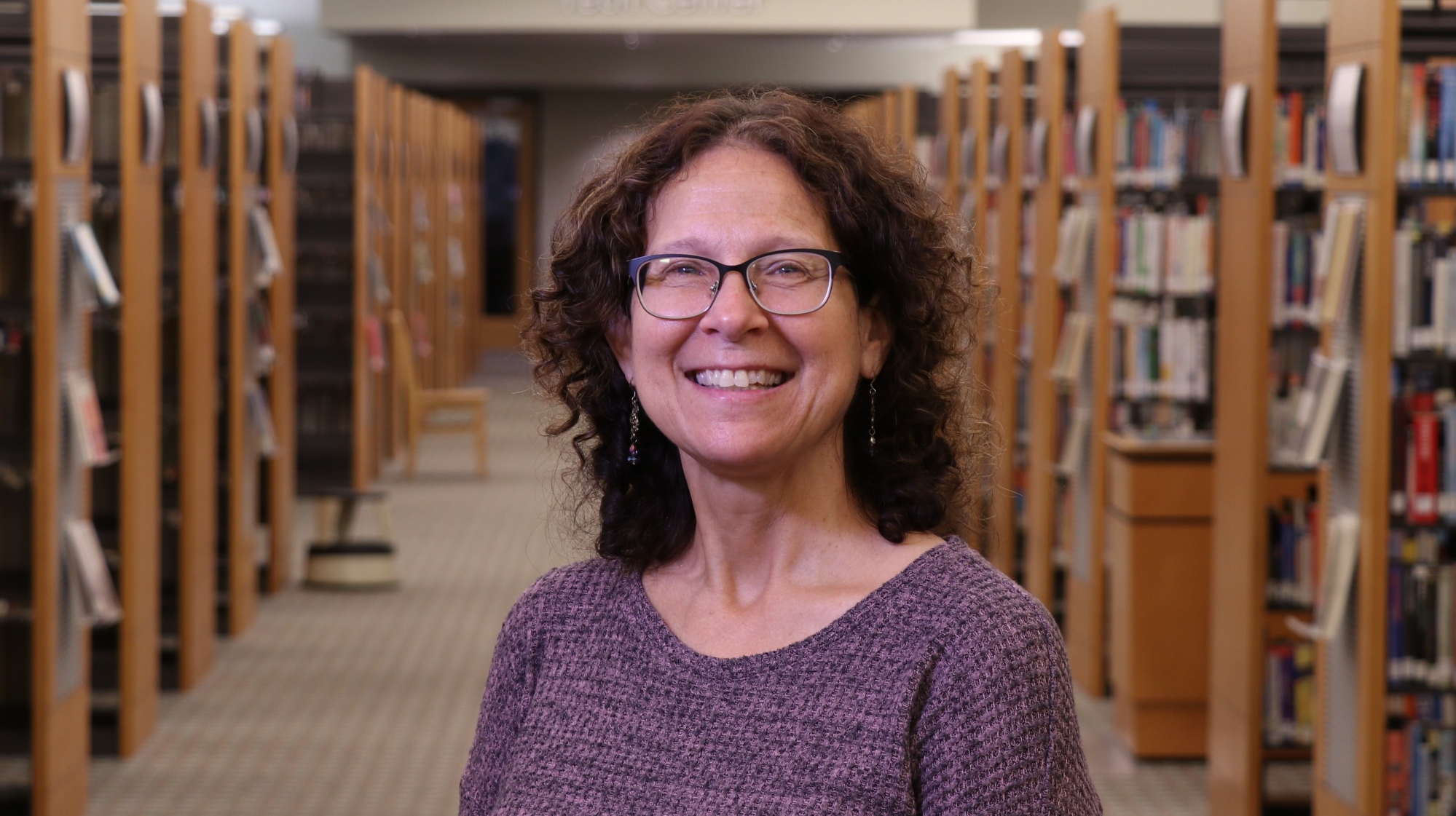 Donna Seaton has over 30 years working at EVPL public library system, first as a customer services representative, then as a supervisor for 20 years and for the last 8 years the system wide training specialist. Donna develops and conducts training for both new and existing employees and conducts On-Boarding for all EVPL staff. Donna has conducted the Bystander Intervention presentation for many library conferences and library systems. Donna loves the library, reading, traveling and spending time with her husband, family and friends.
Location: Online via Zoom
3/10/2021
As rights for transgender people continue to be challenged and threatened, Denver Public Library strives to be a welcoming place. Join us to learn how to provide excellent internal and external customer service to individuals at your library. This session will help participants reframe ideas around gender, give them best practices for serving trans customers and colleagues, and end with developing strategies to make their libraries gender inclusive.
Learning Objectives:
- Give empathetic and equitable service to all customers
- Have knowledge of social and legal issues impacting transgender customers
- Challenge assumptions and discuss ways to encourage inclusivity in language and action
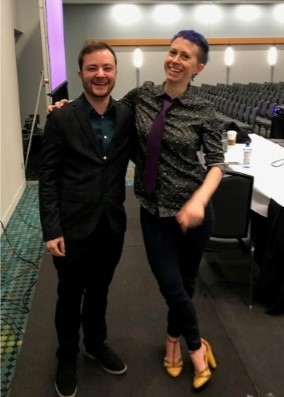 Bec Czarnecki is the assistant to the City Librarian at Denver Public Library. When they’re not herding cats or arranging calendars, they work on special projects on a variety of topics. They are passionate about the library's role in engaging the community and committed to helping it be a welcoming and inclusive space for all.
Adrian Johnson works as a Library Program Associate at the Denver Public Library where he provides access to tech services in the Denver community, shows folks new creative opportunities in the Central library’s makerspace, and helps digitize materials in the Western History and Genealogy department.
Location: Online via Zoom
3/17/2021
Public libraries often are safe spaces for patrons seeking shelter, warmth, information, quiet, and a sense of community. But what happens when a public health pandemic impedes our abilities as librarians to provide outreach and supportive resources to patrons living on the fringes of our neighborhoods, cities and towns when our doors closed and traditional librarianship went virtual? Ally Dowds will discuss outreach efforts developed during the beginning months of the COVID-19 shutdown and how the Boston Public Library continued to reach patrons where they are while preserving existing partnerships with local organizations and forging new ones to maintain access and dissemination of supportive public health services to its community members. Learning Objectives:
- Learn how Boston Public Library continued to reach patrons where they are while preserving existing partnerships with local organizations
- Learn how Boston Public Library created new partnerships to maintain access and dissemination of supportive public health services to its community members
- Find out how you can adapt this model for your library
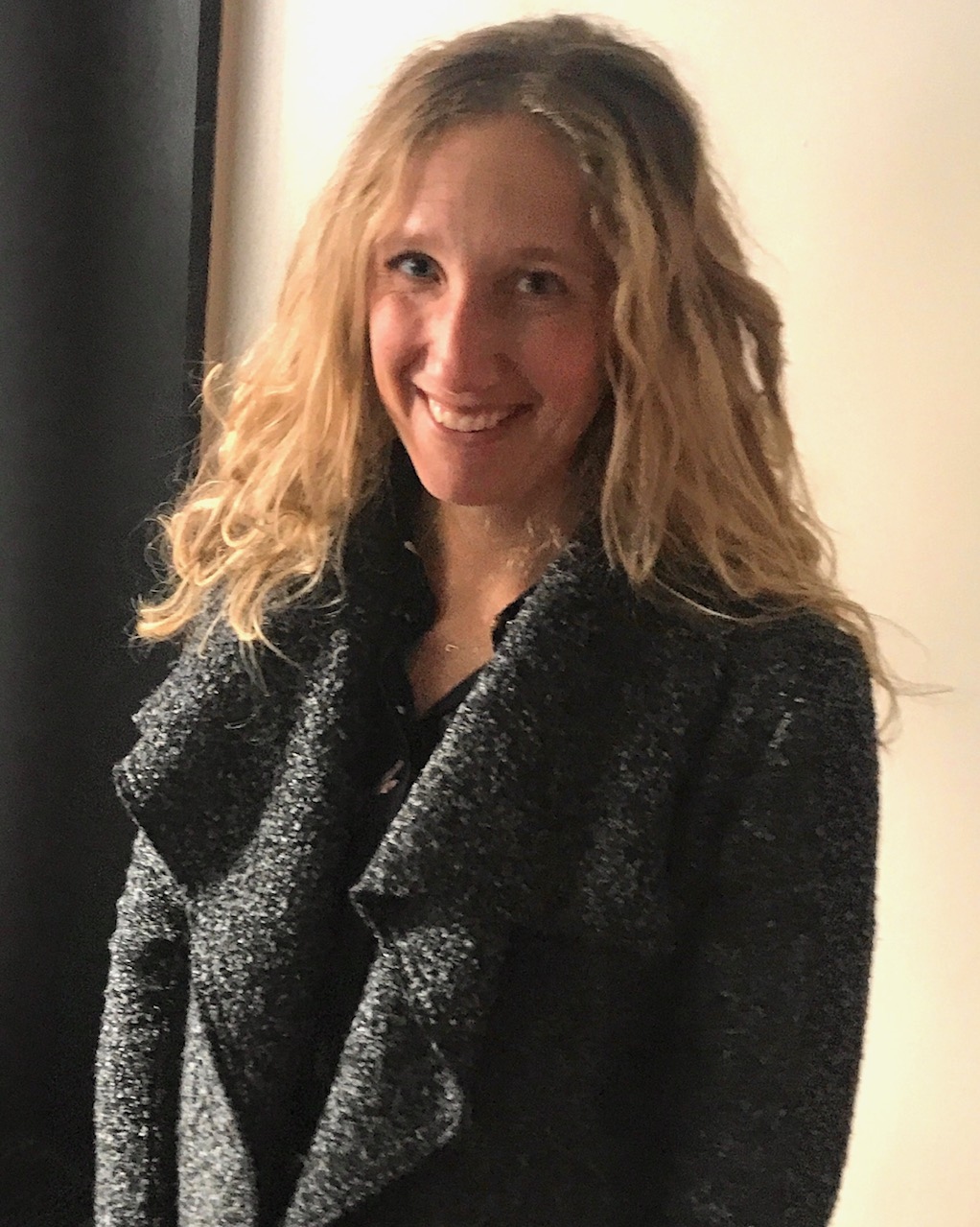 Ally Dowds is the Health & Human Services Librarian for the Boston Public Library. In this role, Ally fosters strategic partnerships with local public health organizations, emergency shelters, and human service agencies to provide supportive services to patrons experiencing homelessness, substance use and mental health. She also performs weekly outreach to local shelters to eliminate barriers to library access, programming and resources. Prior to this position, Ally worked in the BPL’s Teen Central and served as a consultant for ALA's Great Stories Club, where she facilitated a library-led book discussion group at a local middle school focused on the emotional, behavioral, and learning needs of its students. Discussions were designed around the theme of Empathy: The Cost of Switching Sides, allowing students to read, reflect, and share ideas on topics that resonate with them.
 Ally holds a Bachelor of Arts in Journalism from Loyola University of Chicago, a MLIS from Simmons College, and a Consumer Health Information Specialization through the Medical Library Association. Outside of work, she is happiest spending simple moments with her husband, 19-month old, and 8-year old rescue pup.
Location: Online
Via Zoom
4/1/2021
Join us for a series of book talks on LGBTQ+ fiction and non-fiction for young adult and middle grade readers. We’ll talk about some classic LGBTQ+ titles as well as the newest offerings and examine resources available to provide your own recommendations. We will also talk about the importance of "own voices" books to teens and tweens, allowing libraries to better relate to their LGBTQ+ population and to provide better resources to their communities as a whole.Learning Objectives:
- Make recommendations to students asking for LGBTQ+ books and feel empowered to booktalk these resources for students who may not feel comfortable asking individually
- Gain familiarity with blogs, message boards, and review sites that focus on LGBTQ+ books and their place in the community
- Understand why it is important to provide “own voices” books to teens and tweens and understand the varying degrees of the LGBTQ+ spectrum
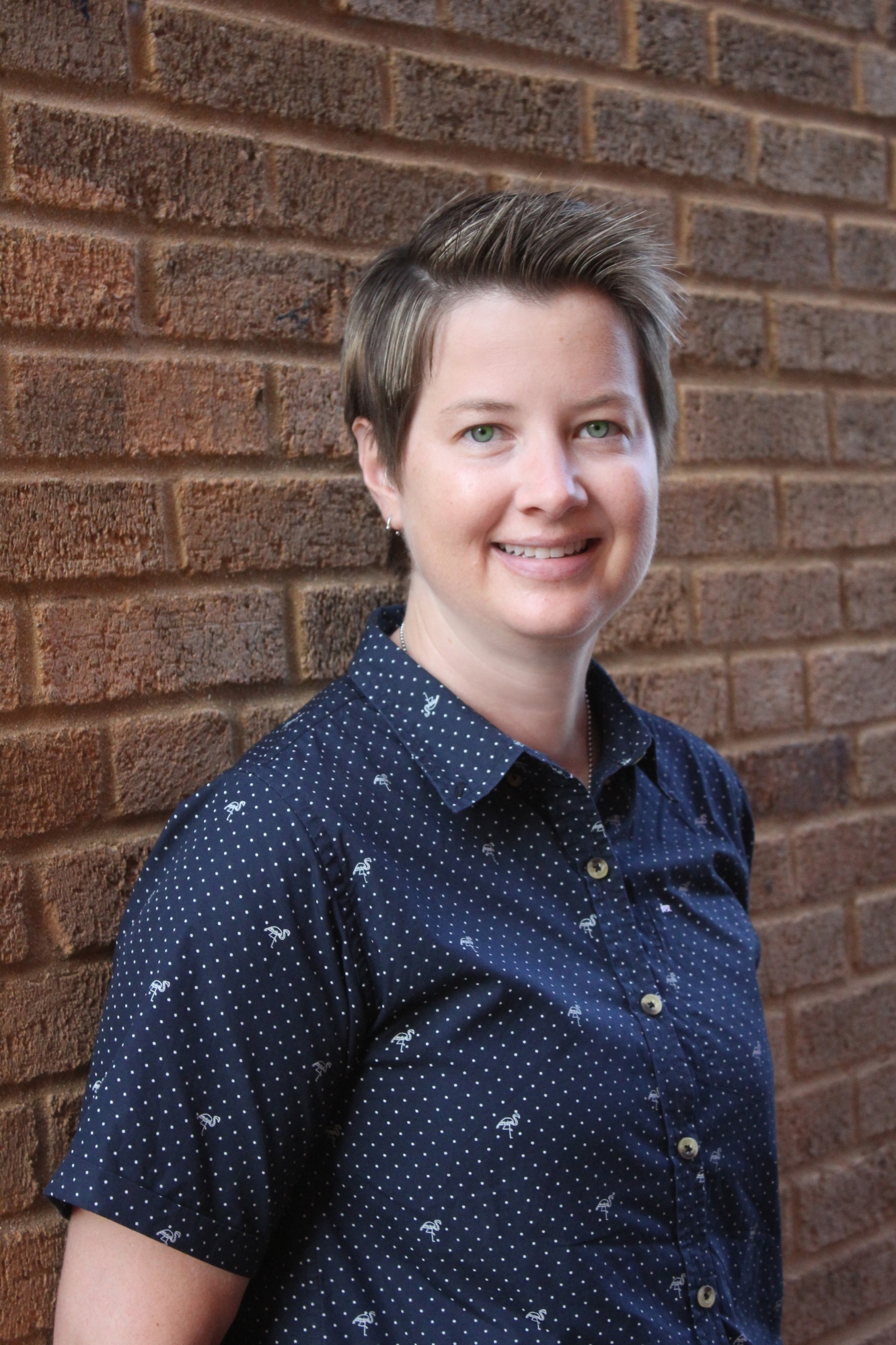 Tricia Smith is a librarian in the St. Petersburg Library System. Originally from Auburn, Alabama, she has a Bachelor’s degree in Public Relations from Auburn University and a Master's in Library Science from the University of Tennessee in Knoxville. Tricia likes to read banned books, or books that are controversial, because she likes to know what all the fuss is about. She reads classics for the same reason.
Location: Online
Via Zoom
4/15/2021
This presentation addresses customer service training by growing and nurturing empathy and empowering staff to navigate the gray areas in our policies. Using storytelling and group interaction, we will look at special and challenging situations such as code of conduct violations and difficult patrons. Discover how understanding our own implicit biases and not assuming the worst of our patrons can help you offer consistent customer service to everyone we serve.
Learning Objectives:
- Understand how your emotional responses influence patron interactions and several tools you can use to create more positive results
- Identify at least one of your own implicit biases and understand how it can affect the customer service you offer
- Tell at least one personal story about customer service that can be used to improve customer service in your own library
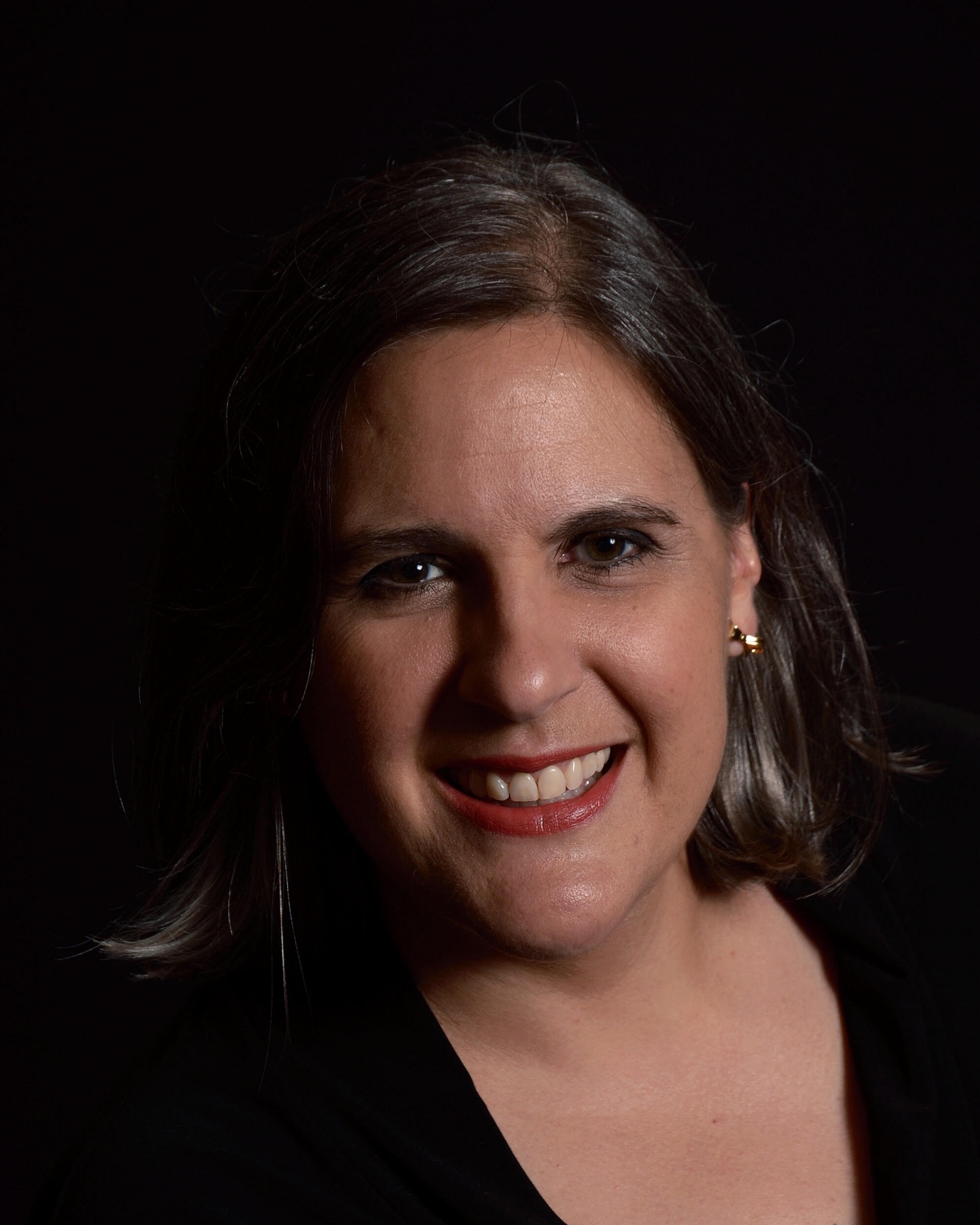 Molly Meyers LaBadie has been in Libraries since 2001. She was lucky to have four of those as a Library Trainer allowing her to train staff in customer service. Currently, as a Deputy Director, she finds that empathy for both staff and patrons is a powerful tool in offering exceptional customer service.
Location: Online
Via Zoom
4/21/2021
Empathetic marketing is the latest marketing trend—showing users how you can meet their core emotional needs. When libraries use empathetic marketing to show users how library services and staff can meet their emotional needs, it helps users feel more connected, shows them that people know and care about what they are experiencing, and lets them know that we can help them in a variety of ways. Once users realize that the library staff know and care about their needs, they often feel more comfortable seeking assistance from us when they need it—whether related to the library and research or not.Learning Objectives:
- Define empathetic marketing
- Show examples of empathetic marketing
- Demonstrate ways that libraries can incorporate empathetic marketing in their outreach endeavors
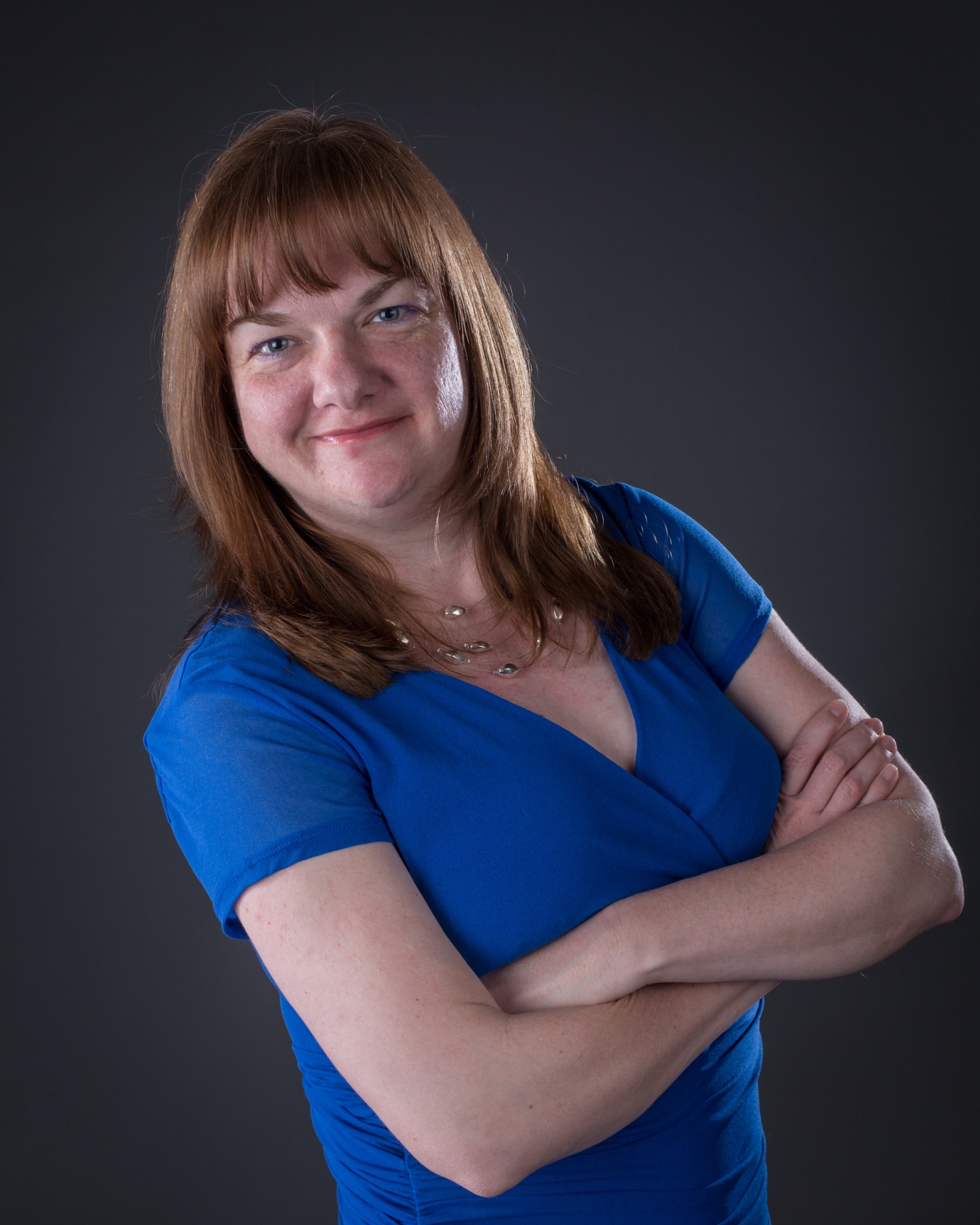 Carrie Girton is the Public Services Librarian at Rentschler Library at Miami University Hamilton in Hamilton, Ohio. She earned her MLIS from the University of Kentucky. Carrie recently served as the Interest Group Coordinator for the Academic Library Association of Ohio (ALAO) and as Co-Chair for the Association of College & Research Library’s (ACRL) Distance Learning Section (DLS) Bibliography Committee. She volunteers for a local community center’s afterschool program, coaching K-5 students on reading and literacy skills.
Location: Online
Via Zoom
4/22/2021
From racial unrest to the COVID-19 pandemic, libraries all over the country are grappling with many societal challenges. With our cities and states in need, how does a library respond and help cultivate healing, social awareness and empathy in our communities?Communications professional and librarian, Tamara King will share how Richland Library in Columbia, S.C. found its voice and used innovative ways to reach their customers in 2020. From holding virtual discussions about race to using telephone town halls to remove access barriers, King will provide valuable tools libraries can use to support communities in conflict.
Presenter:
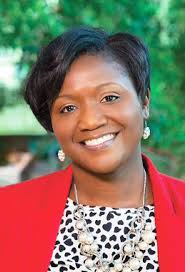 Tamara King is the Community Relations Director for Richland Library. In her role, she is tasked with developing, directing and implementing communications strategies to key stakeholders and audiences of Richland Library. Tamara also supervises the Office of Development, which supports the Richland Library Friends and Foundation along with the library volunteer program. She has nearly two decades of experience in broadcast television, public relations, marketing, strategic communications, media and crisis communication training and program management.
Tamara also chairs the library’s award-winning Social Awareness Taskforce. Through Tamara’s leadership the taskforce has held discussions surrounding empathy, race, women’s rights and social justice for more than 1,300 participants. Tamara is a nationally and locally recognized award-winning public relations professional and was recently recognized as a 2019 Library Journal Mover and Shaker for her role in Richland Library’s race, equity and social awareness work. Tamara has a degree in Journalism and Mass Communication, and a Master’s degree in Library and Information Science from the University of South Carolina.
Location: Online via Zoom
4/28/2021
Literature creates a gateway to help library patrons understand concepts of empathy, compassion and kindness. Creating a curated collection of library resources inspires and fosters understanding of others and different perspectives and is the foundation of building a climate of empathy in the library. Empathy is transformative and can bring about positive change in the community.Presenter:
 Meghan Harper, Ph.D, Professor, Kent State University in Kent, Ohio.
Dr. Harper is Interim Director of the School of Information as of July 1. Harper previously served as the Master of Library and Information Science (MLIS) program coordinator as well as the school library media concentration coordinator. Dr. Harper is co-director of the Virginia Hamilton Multicultural Literature Conference, the longest running national conference of its kind. www.kent.edu/virginiahamiltonconference
Location: Online via Zoom
5/13/2021
This highly interactive session will explore the meaning of diversity and the benefits of an inclusive workplace. The session will cover discrimination and harassment laws and participants will discuss various workplace scenarios to explore discrimination vs. inappropriate behavior. Training will include tips for creating an inclusive workplace and having difficult conversations about diversity and discrimination.Learning Objectives:
- Discussion of discrimination and harassment laws
- Tips for creating inclusive workplace
- Ways to have difficult conversations about diversity and discrimination
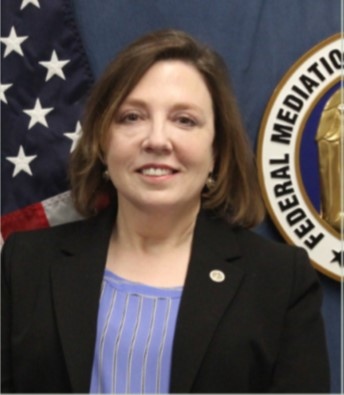 Barbara Baker is a Commissioner with the Federal Mediation and Conciliation Service (FMCS) in Independence, Ohio. As a Federal Mediator, she assists parties in collective bargaining negotiations and mediates labor and employment disputes in the private, public and federal sectors. In addition, Ms. Baker trains labor advocates and management in collective bargaining including bargaining processes, contract administration, steward/supervisor training and developing effective labor management committees. She also provides training in communication skills such as conflict resolution, active listening and communication dynamics. Ms. Baker facilitates person to person dialogues as well as group discussions to promote strong workplace relationships.
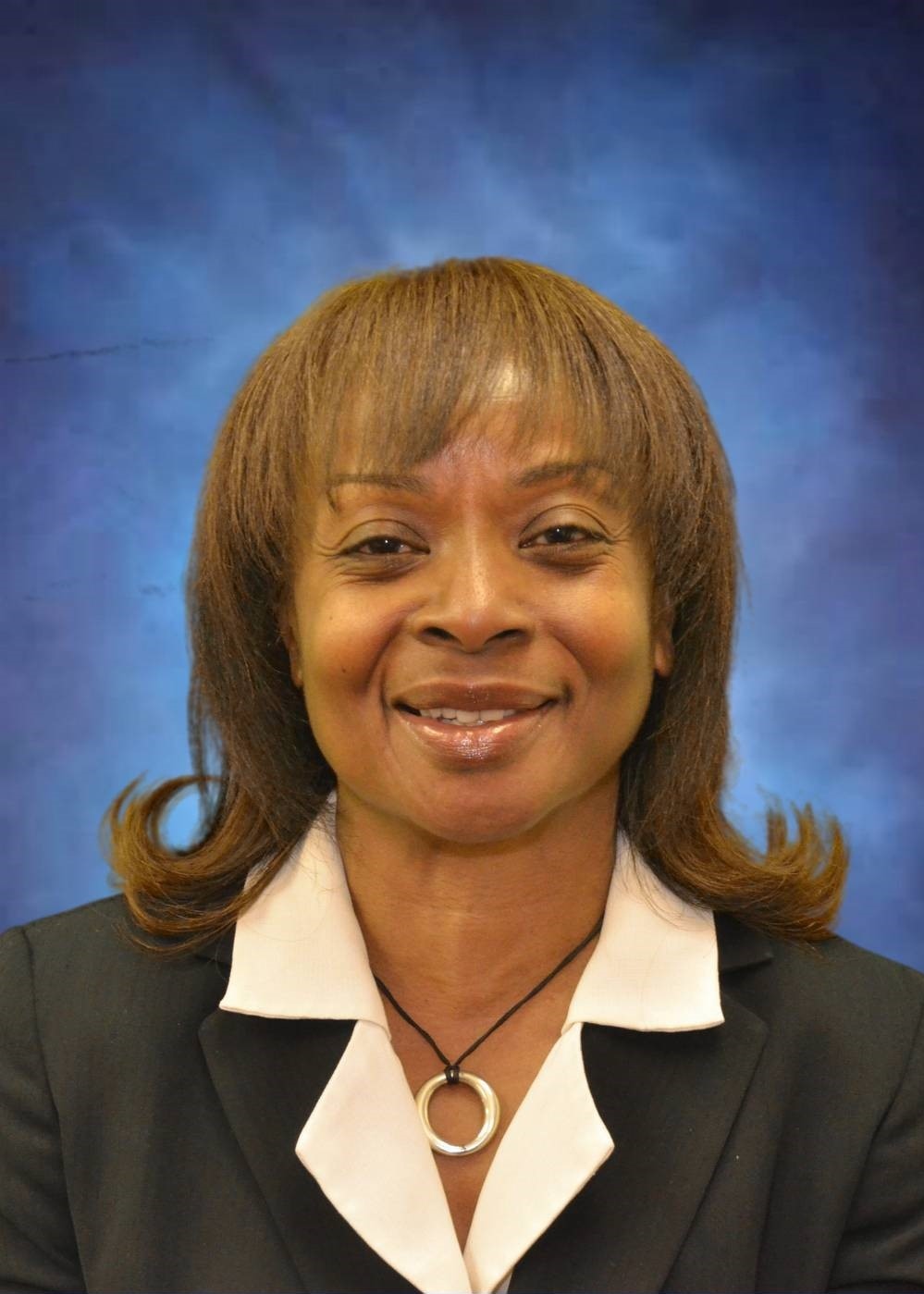 Vanessa Bullock was appointed Commissioner with the Federal Mediation and Conciliation Service in May 1997. She is employed as a mediator in the Philadelphia office located in the Northeast region. As a Commissioner, Ms. Bullock has mediated both Labor and Employment disputes in the private and public sectors. In addition to her primary duties of dispute mediation, she is responsible for curriculum development and training in a variety of Alternative Dispute Resolution (ADR) programs for the FMCS Institute; Federal Executive Board; and the Cornell University ILR Scrimmage program.
Location: Online via Zoom
There are currently 25 spots remaining out of 50
6/2/2021
In polarizing times, building community and trust through communication is vitally important. This session will discuss how public libraries can help break down barriers and further understanding among people through programming and powerful partnerships. Ramsey County Library’s Ask series, presented in partnership with local grass roots organization Do Good Roseville, was a bi-monthly facilitated discussion designed to give a voice to the underrepresented in the community. Our new endeavor, Sidewalk Talks, focuses on providing a one-to-one empathetic listening experience in public spaces. We’ll discuss the unexpected challenges and the continuing rewards of building programming in response to racism and inequity, as well as the importance of keeping the voices of the community front and center.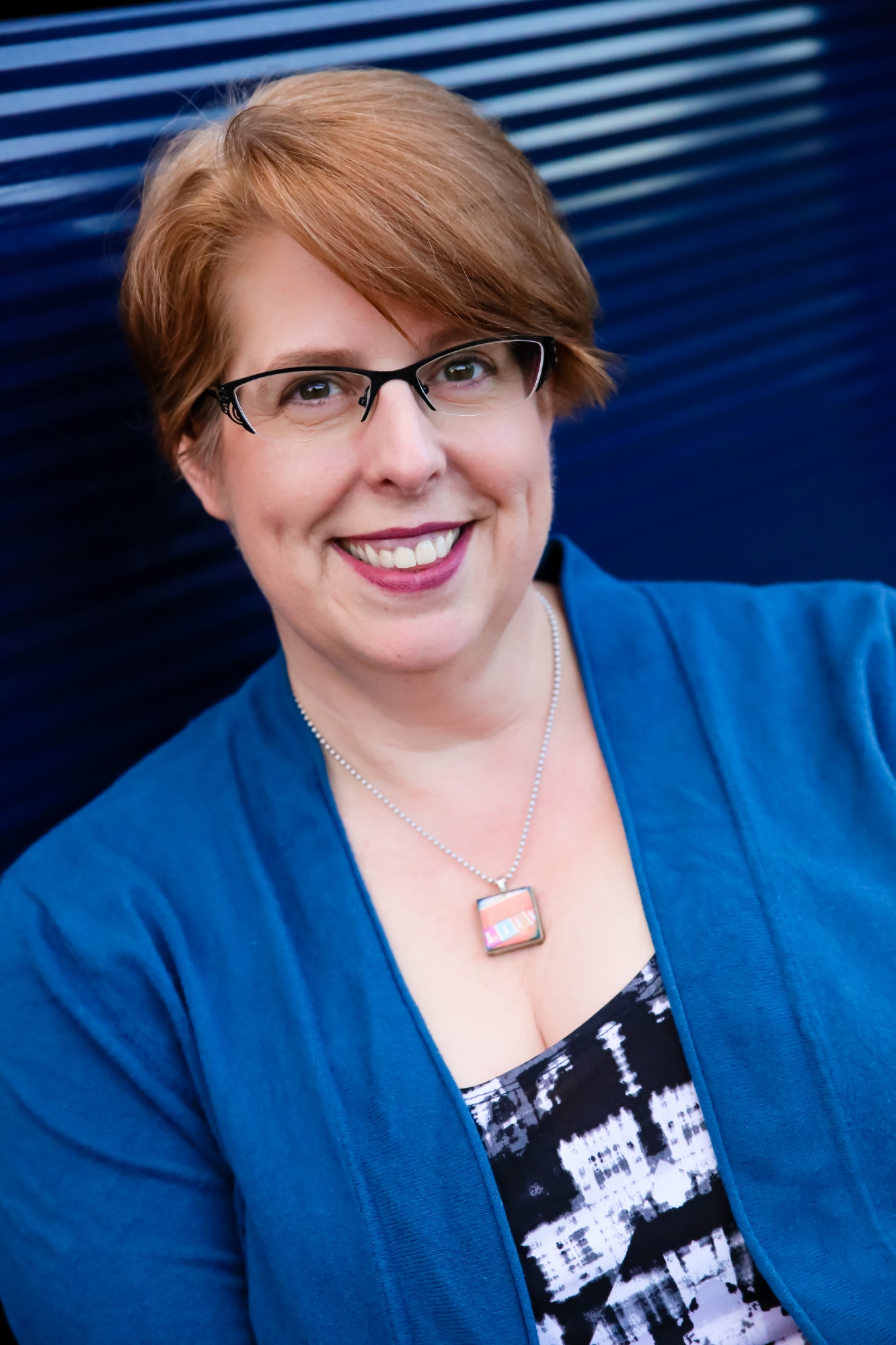 Presenter: Carol Jackson, MLIS, has held various management positions at Ramsey County Library (MN). She is currently Branch Manager of the Shoreview branch and Adult Programming Coordinator for the library system. An enthusiastic community partner and advocate, she was named a Library Journal Movers & Shakers in 2019, primarily due to the Ask series and other community well-being programming.
Location: Online via Zoom
6/22/2021
This highly interactive session will take an in depth look at the diversity in the workplace. The group will explore topics including the meaning of diversity and the benefits of a diverse workplace, inclusion, unconscious bias, and cultural competency and civility. Participants will discuss various workplace scenarios to explore these concepts. Training will include tips for creating an inclusive workplace and having difficult conversations about diversity and inclusion.Learning Objectives:
- Benefits of diverse workplace, inclusion, unconscious bias, and cultural competency and civility
- Ways to have difficult conversations about diversity and discrimination
Barbara Baker is a Commissioner with the Federal Mediation and Conciliation Service (FMCS) in Independence, Ohio. As a Federal Mediator, she assists parties in collective bargaining negotiations and mediates labor and employment disputes in the private, public and federal sectors. In addition, Ms. Baker trains labor advocates and management in collective bargaining including bargaining processes, contract administration, steward/supervisor training and developing effective labor management committees. She also provides training in communication skills such as conflict resolution, active listening and communication dynamics. Ms. Baker facilitates person to person dialogues as well as group discussions to promote strong workplace relationships.Vanessa Bullock was appointed Commissioner with the Federal Mediation and Conciliation Service in May 1997. She is employed as a mediator in the Philadelphia office located in the Northeast region. As a Commissioner, Ms. Bullock has mediated both Labor and Employment disputes in the private and public sectors. In addition to her primary duties of dispute mediation, she is responsible for curriculum development and training in a variety of Alternative Dispute Resolution (ADR) programs for the FMCS Institute; Federal Executive Board; and the Cornell University ILR Scrimmage program.Location: Online via Zoom
There are currently 46 spots remaining out of 70
7/13/2021
This session will be a broad introduction to what disability is, what the Americans with Disabilities Act says, and how we in libraries can assist patrons with disabilities who use our services and spaces. We will cover a variety of topics including some disability statistics, examples of good and poor accessibility as well as where to get more information.Learning Objectives:
- What is a disability?
- Americans with Disabilities Act
- How libraries assist patrons with disabilities
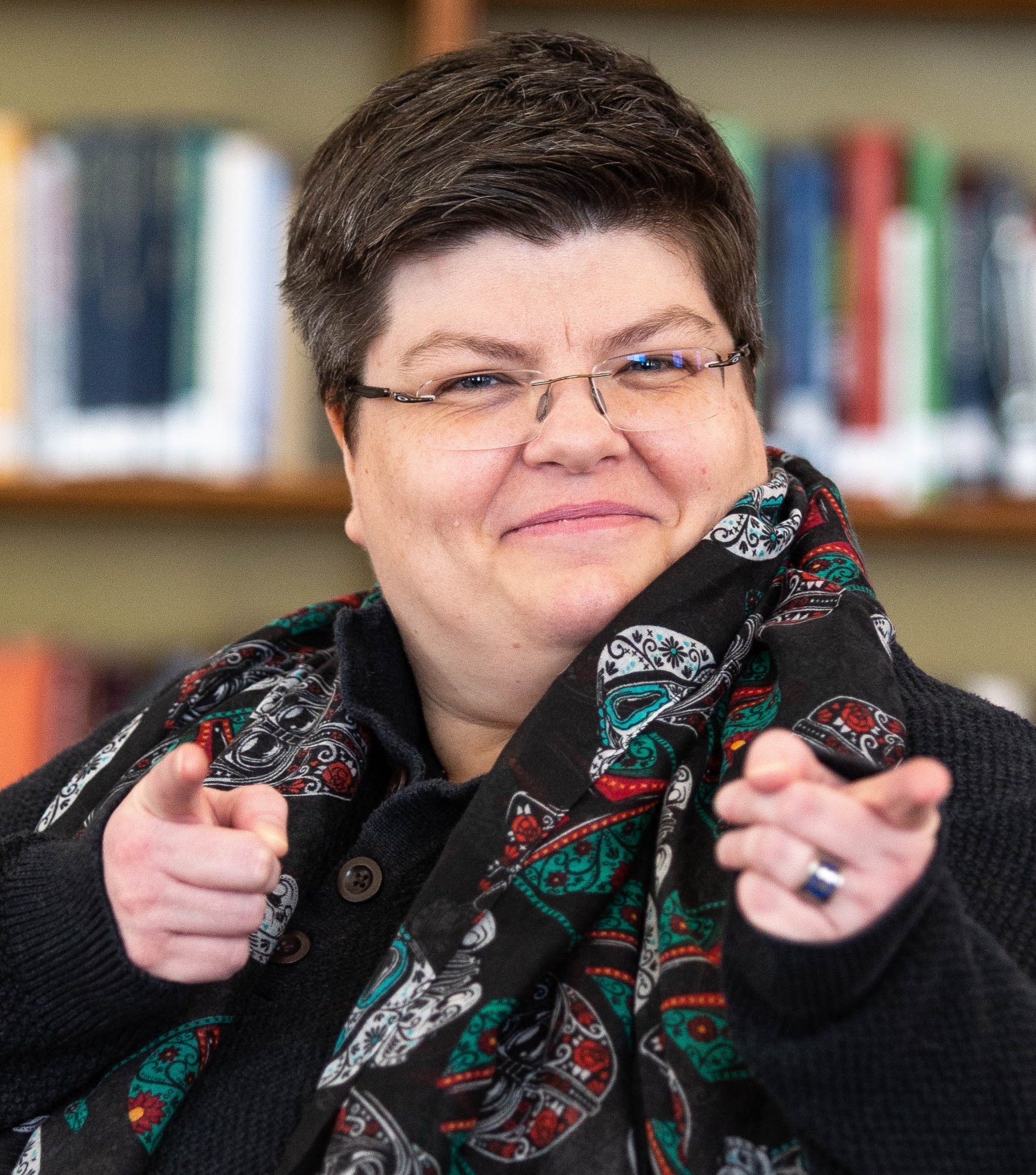 JJ Pionke is the Applied Health Sciences Librarian at the University of Illinois at Urbana-Champaign. He is an award-winning librarian whose research revolves around disability and accessibility for library patrons and employees. His most recent work focuses on the educational and behavioral needs of library science graduate students and current library employees in regards to disability and accessibility in libraries.
Location: Online via Zoom
7/13/2021
This session will be a broad introduction to what disability is, what the Americans with Disabilities Act says, and how we in libraries can assist patrons with disabilities who use our services and spaces. We will cover a variety of topics including some disability statistics, examples of good and poor accessibility, as well as where to get more information.
Learning Objectives:
- What is a disability?
- Americans with Disabilities Act
- How libraries assist patrons with disabilities
JJ Pionke is the Applied Health Sciences Librarian at the University of Illinois at Urbana-Champaign. He is an award-winning librarian whose research revolves around disability and accessibility for library patrons and employees. His most recent work focuses on the educational and behavioral needs of library science graduate students and current library employees in regards to disability and accessibility in libraries.Location: Online via Zoom
7/29/2021
Education and training around anti-racism helps individuals to see inequity and injustice as they persist in our history, interactions, and workplaces. Once we recognize these realities on a structural level, what can we do organizationally to actively engage in anti-racism? Analyzing the internal policies and procedures of your organization is a significant action step towards creating a more just and equitable workplace.
Participants will engage in conversations around the historical legacies of racist workplace policies and their impact on the organizational environment. They will then explore anti-racist policy and procedure analysis through lecture, activities, and discussions. Upon completing this workshop participants will have an increased understanding of how racist policies operate on an institutional level and will have learned skills to analyze their own organization through an anti-racist lens. Participants will also receive best practices and strategies to assist with their engagement of anti-racist policy and procedure analysis.
Learning Objectives:
- Explore components of an Anti-Racist workplace/organization
- Examine resources for conducting an Anti-Racist organizational audit
- Engage with some key strategies and best practices for defining an Anti-Racist culture
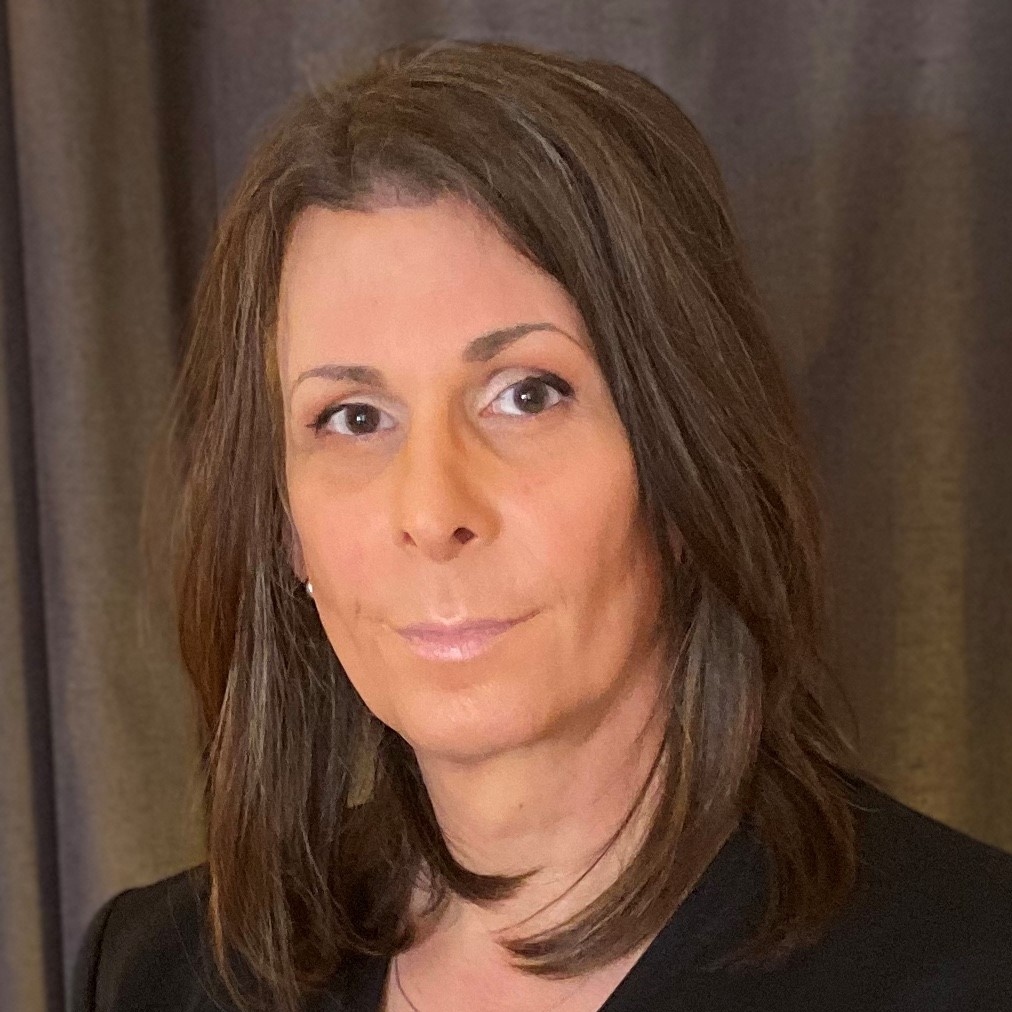 Vania Sherepita is a JEDI (Justice, Equity, Diversity, Inclusion) Specialist at the Diversity Center of Northeast Ohio. As a believer in social justice and equity for all, she has committed herself to maintaining a lens of empathy while seeking out the common ground where diverse communities can meet and mutually understand each other through passionate storytelling and compassionate listening. While working with organizations such as Human Rights Campaign, American Civil Liberties Union, and Equality Ohio, she has utilized emotional intelligence, social perceptiveness, and a stance of sincere vulnerability to negotiate, work with, and act as liaison between people of diverse backgrounds and differing opinions. As a JEDI Specialist at the Diversity Center of Northeast Ohio, she combines her passionate commitment to this work with her professional background in Consulting and Learning & Development (and just a pinch of on-stage experience) to facilitate workshops on creating and maintaining diverse, inclusive, and equitable workplace climates.
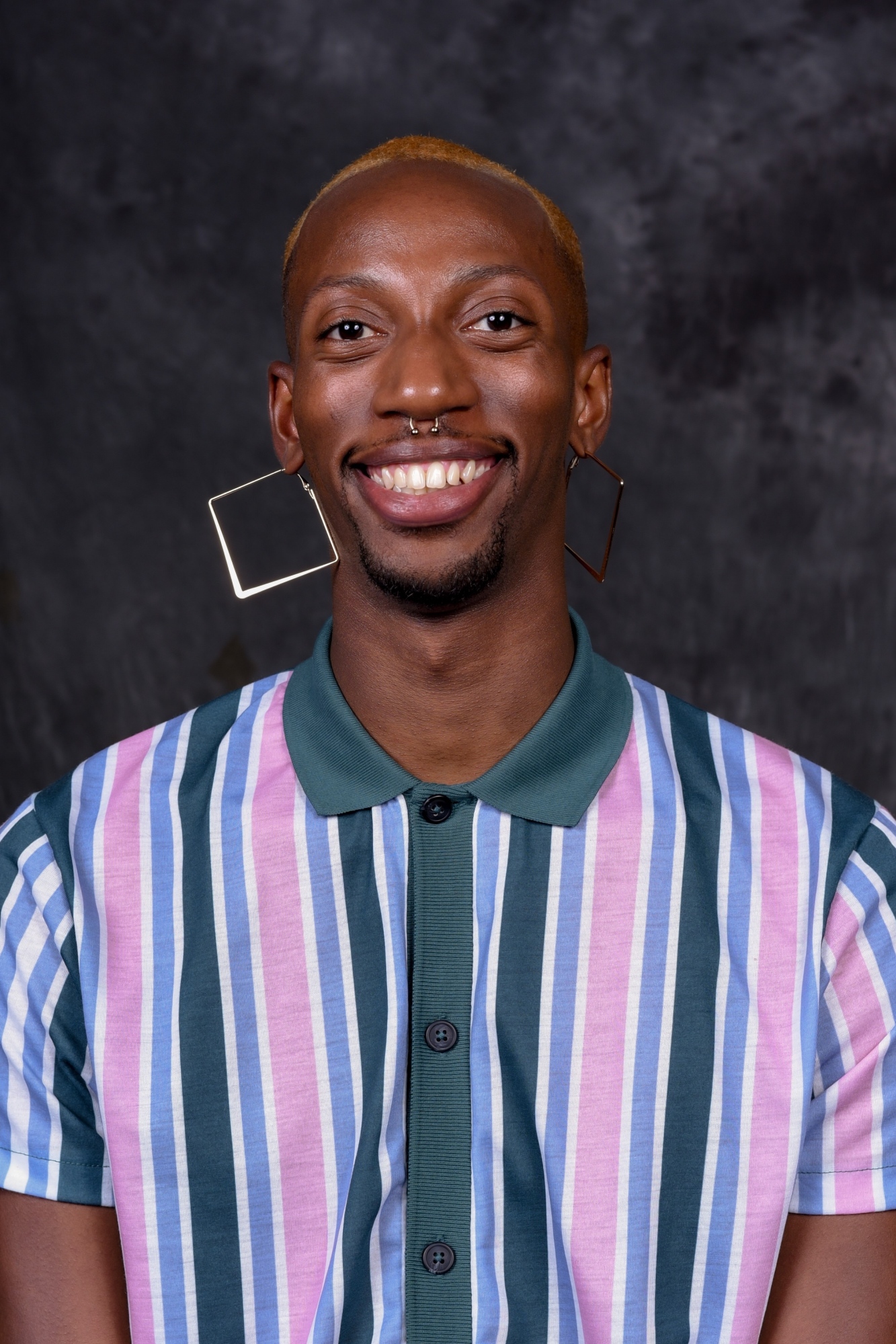 Mannie Brown, Diversity, Equity and INclusion Consultant, SHIFT Consuting Team, The Diversity Center of Northeast Ohio
In this role, they focus on the development, design, implementation, and delivery of Diversity Center programs for professionals throughout Northeast Ohio. They assist organizations in fostering inclusion in the workplace, so that all employees are connected, respected and valued for their individual and collective differences.
With an emphasis on empathy and mindfulness, Mannie is passionate about LGBTQ+ rights and experiences. They focus on debunking myths around privilege and oppression in connection to all forms of socialized and internalized identity.
Location: Online via Zoom
8/18/2021
This session will briefly talk about the Americans with Disabilities Act and what the law says about accommodations. Then we will segue into a discussion of what the accommodation process can look like and what to prepare for. Finally, we will discuss boundary setting and tips and tricks to navigating library workplaces with disabilities, especially chronic ones. This session will involve lecture, with a QA to follow, however questions are encouraged throughout the session.
Learning Objectives:
- Overview of Americans with Disabilities Act
- Accommodations
- Navigating library workplace with disabilities
JJ Pionke is the Applied Health Sciences Librarian at the University of Illinois at Urbana-Champaign. He is an award-winning librarian whose research revolves around disability and accessibility for library patrons and employees. His most recent work focuses on the educational and behavioral needs of library science graduate students and current library employees in regards to disability and accessibility in libraries.Location: Online via Zoom
8/18/2021
This session will briefly talk about the Americans with Disabilities Act and what the law says about accommodations. Then we will segue into a discussion of what the accommodation process can look like and what to prepare for. Finally, we will discuss boundary setting and tips and tricks to navigating library workplaces with disabilities, especially chronic ones. This session will involve lecture, with a QA to follow, however questions are encouraged throughout the session.Learning Objectives:
- Overview of Americans with Disabilities Act
- Accommodations
- Navigating library workplace with disabilities
JJ Pionke is the Applied Health Sciences Librarian at the University of Illinois at Urbana-Champaign. He is an award-winning librarian whose research revolves around disability and accessibility for library patrons and employees. His most recent work focuses on the educational and behavioral needs of library science graduate students and current library employees in regards to disability and accessibility in libraries.Location: Online via Zoom
10/19/2021
In this session, the presenter will talk about accessibility for people with disabilities during the accommodation process as well as increasing recruitment of people with disabilities. The presenter, a person with disabilities himself, will use personal experience to discuss these issues and will encourage questions throughout his session to elicit a robust discussion rather than a lecture.
Learning Objectives:
- Accessibility for people with disabilities
- Accommodations process
- Recruiting people with disabilities
JJ Pionke is the Applied Health Sciences Librarian at the University of Illinois at Urbana-Champaign. He is an award-winning librarian whose research revolves around disability and accessibility for library patrons and employees. His most recent work focuses on the educational and behavioral needs of library science graduate students and current library employees in regards to disability and accessibility in libraries.Location: Online via Zoom
10/19/2021
In this session, the presenter will talk about accessibility for people with disabilities during the accommodation process as well as increasing recruitment of people with disabilities. The presenter, a person with disabilities himself, will use personal experience to discuss these issues and will encourage questions throughout his session to elicit a robust discussion rather than a lecture.Learning Objectives:
- Accessibility for people with disabilities
- Accommodations process
- Recruiting people with disabilities
JJ Pionke is the Applied Health Sciences Librarian at the University of Illinois at Urbana-Champaign. He is an award-winning librarian whose research revolves around disability and accessibility for library patrons and employees. His most recent work focuses on the educational and behavioral needs of library science graduate students and current library employees in regards to disability and accessibility in libraries.Location: Online via Zoom
11/4/2021
Many colleges and universities are (re)affirming their commitment to equity, diversity, and inclusion. To highlight and demonstrate that commitment, all units from across the institution are being asked how they are advancing this work. The development of collections, both print and electronic, is essential in academic libraries. They are also an obvious way for libraries to support these initiatives. Courtney L. Young, University Librarian at Colgate University and a Past President of the American Library Association, will discuss the importance of developing a diverse academic library collection.
Learning Objectives:
- The role of an intentionally diverse collection on a college/university campus
- The importance of diversity collection development statements
- Strategies for building a diverse collection
- The importance of assessing collections for diversity and inclusion
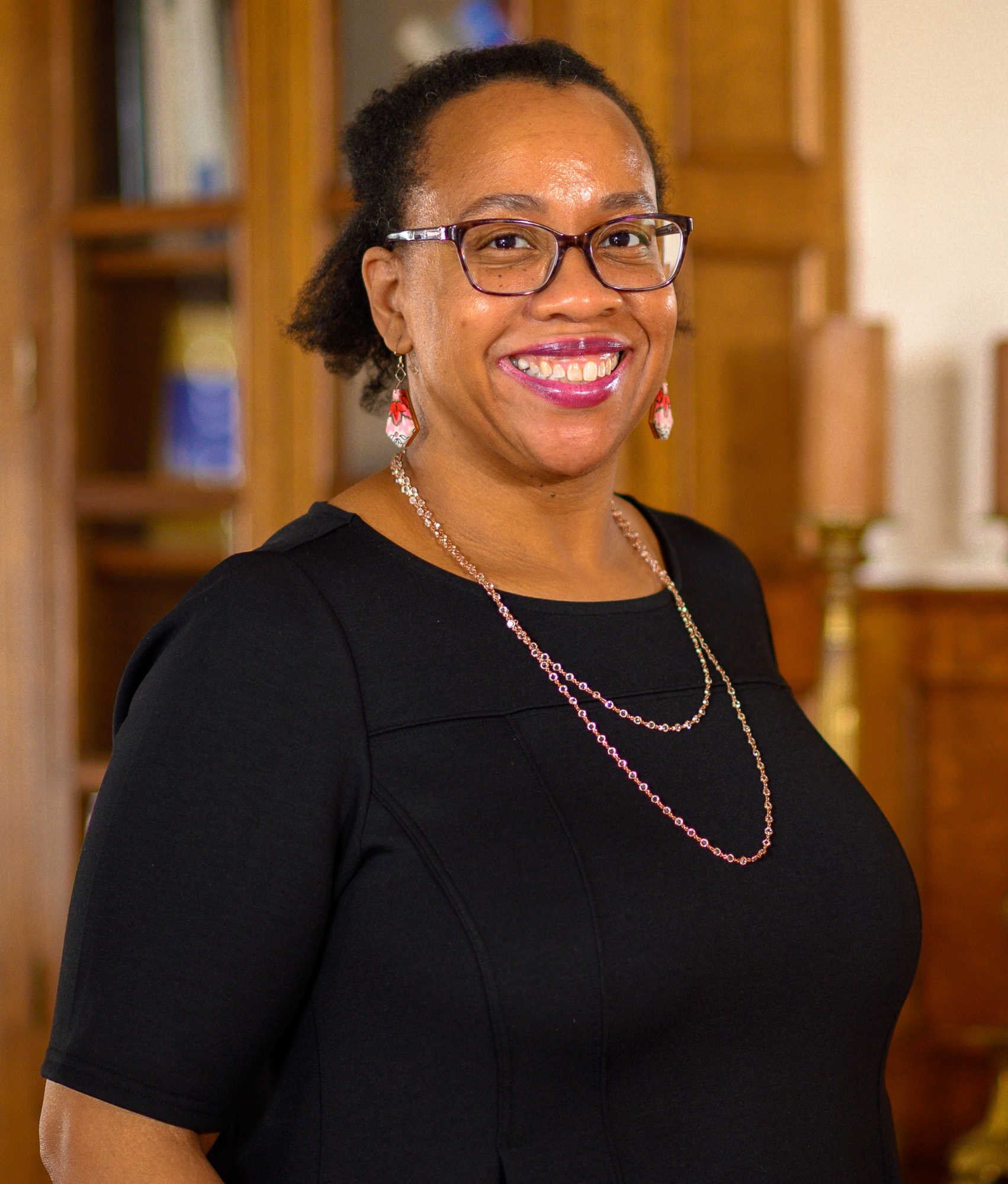 Courtney L. Young is University Librarian at Colgate University. She graduated with a BA from The College of Wooster and earned a MS in Library Science from Simmons College (now University). Before coming to Colgate, she held library positions at Penn State University, Michigan State University, and The Ohio State University. Courtney has served in a variety of leadership roles in the American Library Association (ALA), including being elected the 2014-2015 ALA President. She is a recipient of the Simmons Alumni Achievement Award for Outstanding Achievement and Excellence in Library and Information Professional Endeavors. Courtney frequently presents and publishes on issues related to advocacy, academic librarianship, diversity, leadership, and professional development.
 Location: Online via Zoom
11/4/2021
Many colleges and universities are (re)affirming their commitment to equity, diversity, and inclusion. To highlight and demonstrate that commitment, all units from across the institution are being asked how they are advancing this work. The development of collections, both print and electronic, is essential in academic libraries. They are also an obvious way for libraries to support these initiatives. Courtney L. Young, University Librarian at Colgate University and a Past President of the American Library Association, will discuss the importance of developing a diverse academic library collection.Learning Objectives:
- The role of an intentionally diverse collection on a college/university campus
- The importance of diversity collection development statements
- Strategies for building a diverse collection
- The importance of assessing collections for diversity and inclusion
Courtney L. Young is University Librarian at Colgate University. She graduated with a BA from The College of Wooster and earned a MS in Library Science from Simmons College (now University). Before coming to Colgate, she held library positions at Penn State University, Michigan State University, and The Ohio State University. Courtney has served in a variety of leadership roles in the American Library Association (ALA), including being elected the 2014-2015 ALA President. She is a recipient of the Simmons Alumni Achievement Award for Outstanding Achievement and Excellence in Library and Information Professional Endeavors. Courtney frequently presents and publishes on issues related to advocacy, academic librarianship, diversity, leadership, and professional development. Location: Online via Zoom
11/9/2021
All children need to see themselves and people in our world in books. Building an inclusive collection is challenging. It's more than a diversity list. It requires reflection, investigation, exploration, and analysis. Tiffeni Fontno, Head Librarian, Educational Resource Center, Boston College, will talk about diverse collection building, evaluating, and resources to acquire diverse children's literature.
Learning Objectives:
- Evaluating how cultural competency influences book selection and services
- Defining criteria to evaluate diverse children's literature
- Assemble resources to develop a profile for selecting diverse materials
 Tiffeni Fontno is the Head Librarian of the Educational Resource Center at Boston College. A former classroom teacher and school librarian, Tiffeni's areas of educational interest are in Curriculum & Instruction, Children & Young Adult Literature, and Educational Technology.
Location: Online via Zoom
11/9/2021
All children need to see themselves and people in our world in books. Building an inclusive collection is challenging. It's more than a diversity list. It requires reflection, investigation, exploration, and analysis. Tiffeni Fontno, Head Librarian, Educational Resource Center, Boston College, will talk about diverse collection building, evaluating, and resources to acquire diverse children's literature.Learning Objectives:
- Evaluating how cultural competency influences book selection and services
- Defining criteria to evaluate diverse children's literature
- Assemble resources to develop a profile for selecting diverse materials
Tiffeni Fontno is the Head Librarian of the Educational Resource Center at Boston College. A former classroom teacher and school librarian, Tiffeni's areas of educational interest are in Curriculum & Instruction, Children & Young Adult Literature, and Educational Technology.Location: Online via Zoom
12/9/2021
Learn about the foundational principles of diversity, equity, inclusion, and accessibility and how they affect libraries. How is cultural competence and cultural humility applied in your library practice? How can your library work towards becoming more equitable and inclusive of both internal and external customers? What are the roles of managers and staff in working towards positive change across the organization? The presenter will share tips, resources, and sample programs that can be applied in a variety of library settings.
Learning Objectives:
- Learn about cultural competence and cultural humility
- Hear about ways to make your library more equitable and inclusive
- Learn how managers and staff can work towards positive change
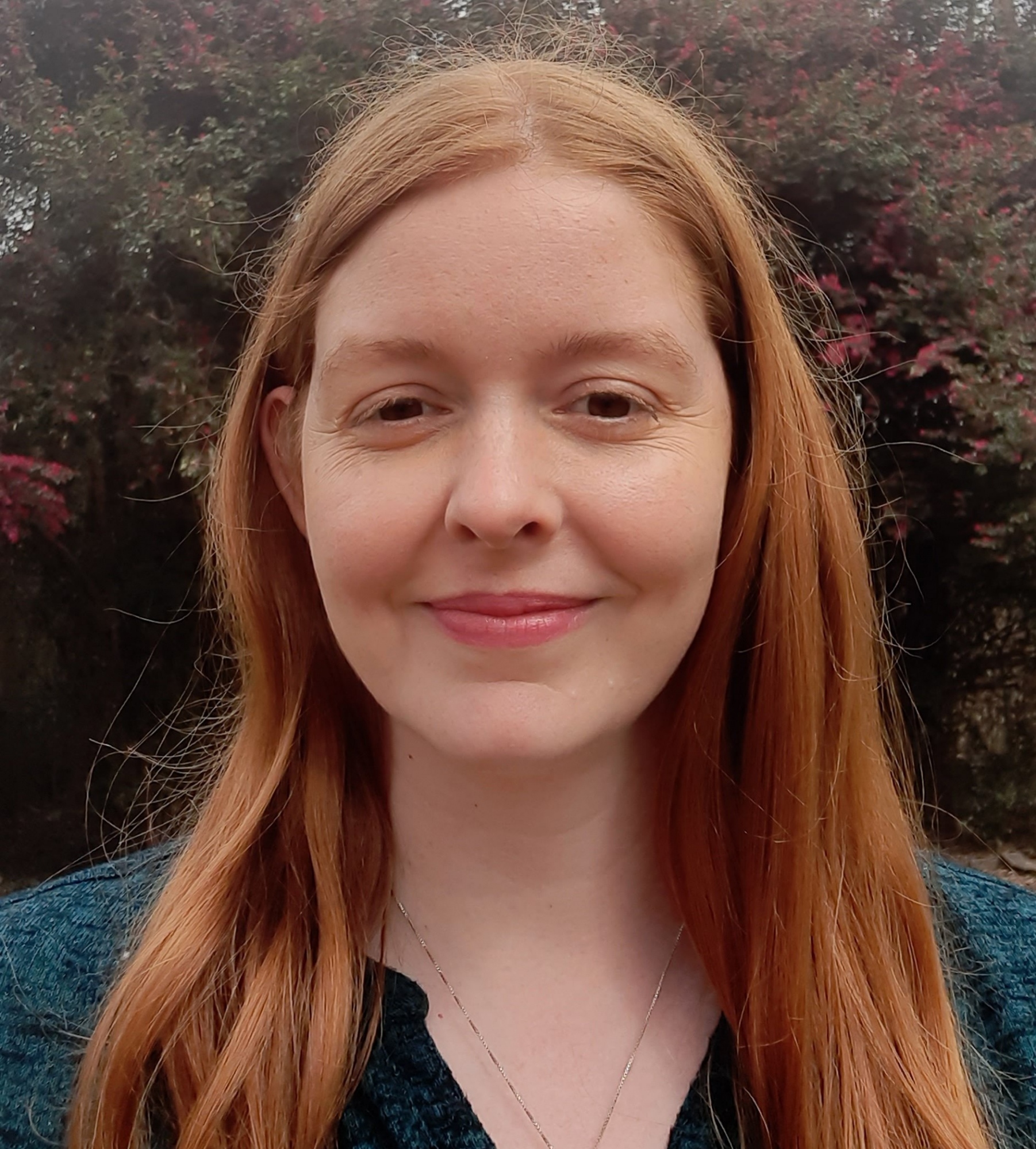 Caroline Smith is the Inclusive Services Consultant at the South Carolina State Library. She focuses on issues of equity, diversity, inclusion, and accessibility within libraries and provides support to library staff across the state of South Carolina. Her goal is to advocate for libraries that are truly inclusive of the diverse communities they serve. Caroline received her Master's in Library and Information Science from the University of South Carolina in 2011 and was recognized by Library Journal as a 2020 Mover & Shaker. Prior to her current position, she worked for the Charleston County Public Library in a variety of roles for nine years.
Location: Online via Zoom
12/9/2021
Learn about the foundational principles of diversity, equity, inclusion, and accessibility and how they affect libraries. How is cultural competence and cultural humility applied in your library practice? How can your library work towards becoming more equitable and inclusive of both internal and external customers? What are the roles of managers and staff in working towards positive change across the organization? The presenter will share tips, resources, and sample programs that can be applied in a variety of library settings.Learning Objectives:
- Learn about cultural competence and cultural humility
- Hear about ways to make your library more equitable and inclusive
- Learn how managers and staff can work towards positive change
Caroline Smith is the Inclusive Services Consultant at the South Carolina State Library. She focuses on issues of equity, diversity, inclusion, and accessibility within libraries and provides support to library staff across the state of South Carolina. Her goal is to advocate for libraries that are truly inclusive of the diverse communities they serve. Caroline received her Master's in Library and Information Science from the University of South Carolina in 2011 and was recognized by Library Journal as a 2020 Mover & Shaker. Prior to her current position, she worked for the Charleston County Public Library in a variety of roles for nine years.Location: Online via Zoom
1/11/2022
JEDI (Justice, Equity, Diversity, and Inclusion) Councils are an emerging best practice in workplaces. They are comprised of a group of employees with a shared goal: to drive the development and implementation of JEDI into all aspects of work. These are not event-planning committees; they support a core organizational function of ensuring policies, procedures, and practices of the library are equitable and inclusive to create a workplace where everyone feels connected, respected, and valued.
Learning Objectives:
- You will review fundamentals of JEDI and identity
- You will earn about how to develop your own JEDI Councils
- You will learn what a JEDI Council is, what it does, and how it functions, as well as considering their organizational “why”
- You will increase your knowledge about how to structure and begin a JEDI Council
- You will increase your skills to manage group dynamics and change resistance
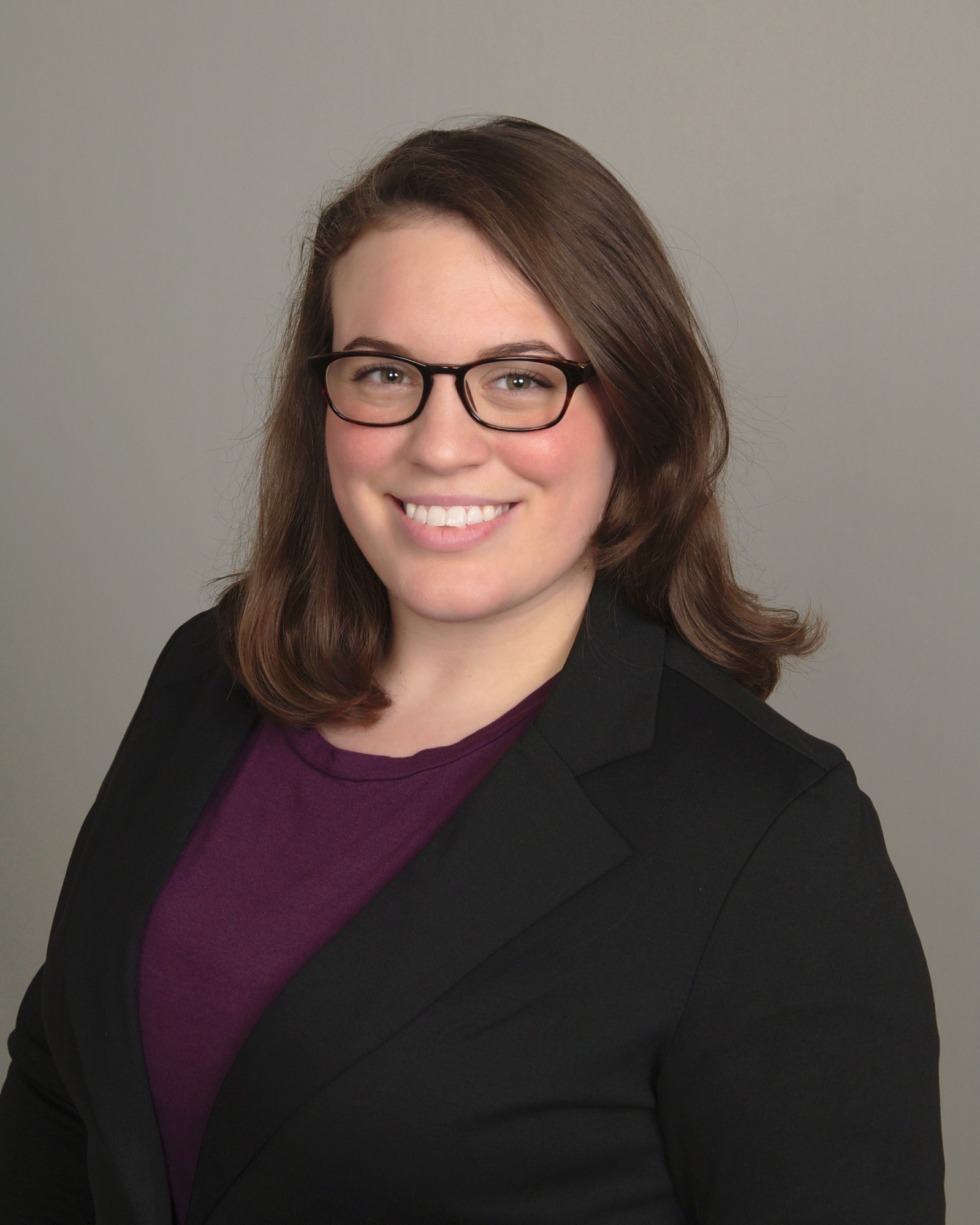
Caitlin Hawkins, Diversity Center of Northeast Ohio
As a community social worker, Caitlin is passionate about creative, authentic engagement in workplaces and communities. Her educational and professional experiences in community development and higher education lead her to the understanding that relationships matter, and that relationships with people who are different from ourselves provide opportunities for immense growth and collaboration, as long as we know how to harness those connections. At The Diversity Center of Northeast Ohio, she works alongside businesses and organizations through every step of the consulting process and engages staff in customized workshops around the topics of Diversity, Equity, and Inclusion. Caitlin works with the express intention of facilitating the growth of inclusive and equitable workplaces.
Vania Sherepita is a JEDI (Justice, Equity, Diversity, Inclusion) Specialist at the Diversity Center of Northeast Ohio. As a believer in social justice and equity for all, she has committed herself to maintaining a lens of empathy while seeking out the common ground where diverse communities can meet and mutually understand each other through passionate storytelling and compassionate listening. While working with organizations such as Human Rights Campaign, American Civil Liberties Union, and Equality Ohio, she has utilized emotional intelligence, social perceptiveness, and a stance of sincere vulnerability to negotiate, work with, and act as liaison between people of diverse backgrounds and differing opinions. As a JEDI Specialist at the Diversity Center of Northeast Ohio, she combines her passionate commitment to this work with her professional background in Consulting and Learning & Development (and just a pinch of on-stage experience) to facilitate workshops on creating and maintaining diverse, inclusive, and equitable workplace climates.Location: Online via Zoom
3/23/2022
This is for new adult paraprofessionals/librarians or staff who may be new to collecting, providing reader's advisory or creating displays for the diverse non-fiction found throughout library collections.
Learning Objectives:
- Define and explore the various types of diversity
- Find diversity throughout the Dewey centuries of adult nonfiction collections
- Incorporate diversity into displays, discussions, and programming to promote empathy, equity, and inclusion
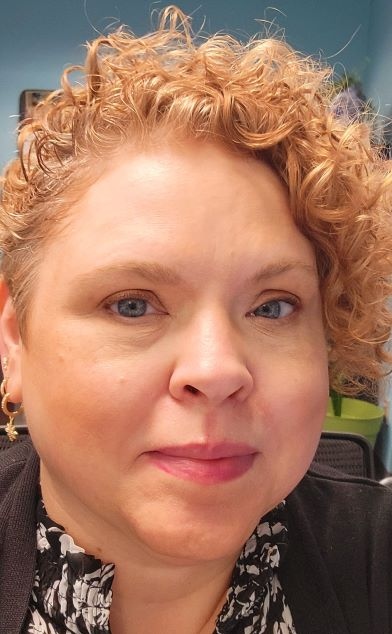 Ericableu Bartik has enjoyed a varied library career. She has worked as a both a reference and music librarian in academic and public libraries. In 2009, she joined Cuyahoga County Public Library’s collection development department where she selects adult nonfiction, music, and magazines and newspapers.
Location: Online via Zoom
3/23/2022
This is for new adult paraprofessionals/librarians or staff who may be new to collecting, providing reader's advisory or creating displays for the diverse non-fiction found throughout library collections.Learning Objectives:
- Define and explore the various types of diversity
- Find diversity throughout the Dewey centuries of adult nonfiction collections
- Incorporate diversity into displays, discussions, and programming to promote empathy, equity, and inclusion
Ericableu Bartik has enjoyed a varied library career. She has worked as a both a reference and music librarian in academic and public libraries. In 2009, she joined Cuyahoga County Public Library’s collection development department where she selects adult nonfiction, music, and magazines and newspapers.Location: Online via Zoom
7/28/2022 - 7/29/2022
We are excited to announce the 2022 Directors' Retreat which will be held at Punderson Manor Lodge & Conference Center. We will kick off the retreat with a breakfast at 9:00 a.m. the first day, the perfect time to catch up with your peers. The program will begin at 10 a.m. and this year we are focusing on Creating an Organizational Leadership Strategic Plan. We will conclude the first day at 4:30 p.m. Dinner will be at 6:00 p.m. with the tradition of rich conversations to follow. The second day will start with breakfast at 8:00 a.m. and conclude at noon with a quick lunch.
Creating an Organizational Leadership Strategic Plan
According to MIT’s Sloan Management Review, today’s employees are 10 times more likely to leave “toxic” cultures and bad leadership than low wages. When employees describe “toxic work cultures” they are looking at the failure to support diversity, equity, and inclusion; workers feeling disrespected and overworked; along with unchecked and unethical behavior.
As we know, leaders are hired to inspire and motivate employees to emotionally invest and support the goals of the organization. As they bring their best versions of themselves to work, they’re more likely to remain engaged, committed, focused, and fulfilled when helping their company reach its top priorities.
Executing leadership vision may be among the toughest core competencies for leaders to develop. To successfully execute your leadership vision, you must be able to define the vision, strategy, and tactical plan for your organization, and then effectively communicate it to your team in a way that engages and focuses them around a common goal.
During this two-day workshop, we will be creating an organizational leadership strategic plan. This is different than your normal strategic plan, and the execution of the plan will guide you in terms of DEI initiatives, future recruitment strategies and a strong framework to engage your current leadership team.
Learning Objectives:
- Creating or strengthening your current leadership vision statement
- Understanding the framework and importance of a leadership vision board with specific examples to take back to your organization
- Identifying the organizational climate strengths and weaknesses and how to take concrete action steps towards a healthier workplace environment
- Develop leadership goals that will serve as the foundation for your current and future recruitment and sustainability plan
- Learn how to leverage your new framework to enhance your DEI strategies and initiatives
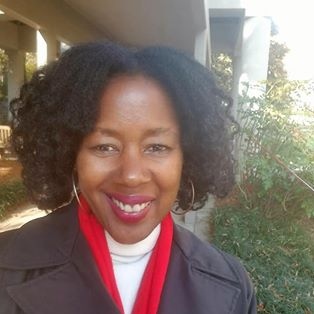 Elaina Norlin is currently the Professional Development/DEI Coordinator for the Association of Southeastern Research Libraries. She is an accomplished teacher, technology and leadership development trainer and writer with extensive leadership experience and a flair for public relations, sales and communications. To date, she has delivered over 70 workshops, training sessions, presentations and institutes both nationally and internationally on marketing, web usability design, employee engagement, strategic planning, leadership coaching and conflict management. Self-motivated and results oriented, she is well known for her ability to juggle many projects at once. She is author of 3 books, Usability Testing for Library Websites, E-Learning and Business Plans: National and International Case Studies and The Six Steps to Library Employee Engagement (2021).
Location: Punderson Manor Lodge & Conference Center
11755 Kinsman Road
Newbury, OH 44065
There are currently 8 spots remaining out of 35
8/11/2022
Wondering where to start your diversity, equity, and inclusion (DEI) learning journey? This introductory session will allow participants to learn basic language, concepts, and explore why DEI work is important.
Learning Objectives:
- Understand basic terminology regarding diversity, equity, and inclusion
- Recognize the benefits of diverse, equitable, and inclusive environments
- Identify resources for support and continued learning
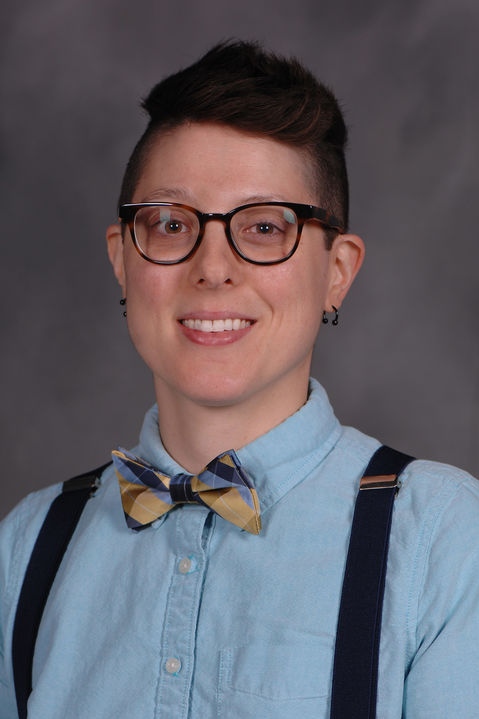 Katie Mattise (they/them pronouns) joined Kent State in 2016, first serving as program coordinator and later as assistant director of the LGBTQ+ Center. Through this position, Katie worked across Kent State to educate, advocate and be a resource to the LGBTQ+ community. Prior to Kent State, they worked at various universities in residence life. Katie now serves as a director in the Division of Diversity, Equity and Inclusion. Through this role, they work with others to create, provide and facilitate opportunities for people to engage in meaningful conversation around various social justice topics.
Katie earned a Bachelor of Arts from the University of Pittsburgh in English Literature and a Master of Science in Cultural Foundations of Education from Syracuse University. Katie’s passion lies in social justice, and they are excited to collaborate with Kent State stakeholders, on and off campus.
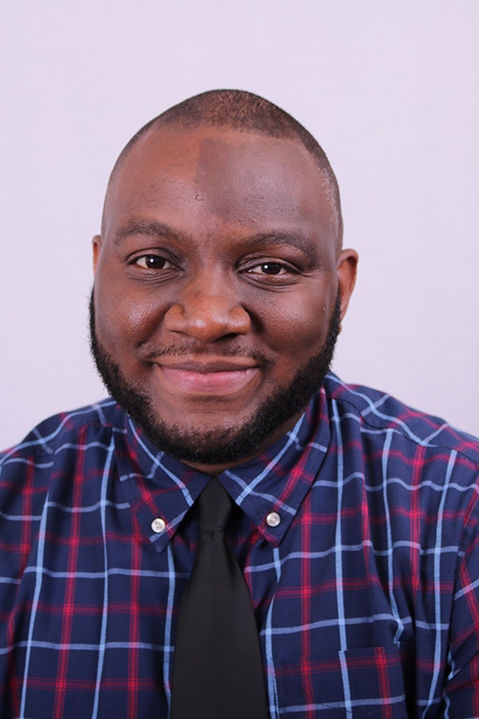 Marquis Davis earned his Bachelor of Science in Sports Administration in 2012 from Kent State University. He also earned a Master of Arts in Sport and Recreation Management in 2015 from Kent State University. Marquis is a strong advocate for student success, not only in their academic, but in their personal lives. Marquis joins DEI after spending the last five years in the Undergraduate Programs Office in the Ambassador Crawford College of Business and Entrepreneurship as their Academic Diversity Outreach Coordinator. Marquis was very instrumental with helping create diversity initiatives with the Ambassador Crawford College of Business and Entrepreneurship; Diversity in Business (an interest area) within the Business Learning Community (BLC), developing the Cultural Diversity course for first-year students in the BLC, and establishing The Network. Marquis has a passion for developing creative diversity programming for faculty, staff and students.
Location: Online via Zoom
8/17/2022
Five years ago, Kent District Library (MI) created a response framework for their employees to use to respond to difficult situations that occur in the library. Responding to concerns and complaints in a kind and empathetic way ensures people feel listened to and cared for. This prevents escalation and helps maintain a safe environment. Last year, Kent District Library revisited the Frameworks through the lens of Equity, Diversity and Inclusion. The new Frameworks focuses on learning and growing together, and de-escalating situations for the safety of all, while addressing unconscious bias.
In this session, we will introduce four frameworks which each have an acronym to help staff remember the steps.
Code Green, LEARN
Code Yellow, CARDS
Code Red, EBBS
Code Follow-Up, FLOWS
The Code Green Framework is for daily complaints and interactions, such as book challenges. Code Yellow is for slightly more escalated situations, and Code Red is for situations where the safety of patrons and staff may be at risk. Finally, Code follow-Up focuses on self-care and reflection after a difficult situation.
Learning Objectives:
-
Upon Completion, participant will be able to plan for the development of a response framework for their communities.
-
Participants will be able to create an evaluation plan for existing patron behavior responses to ensure the diverse experiences and backgrounds of the community are respected and policies are equitable.
-
At the end of the session, participants will be able to employ responses for immediate use with their patrons.
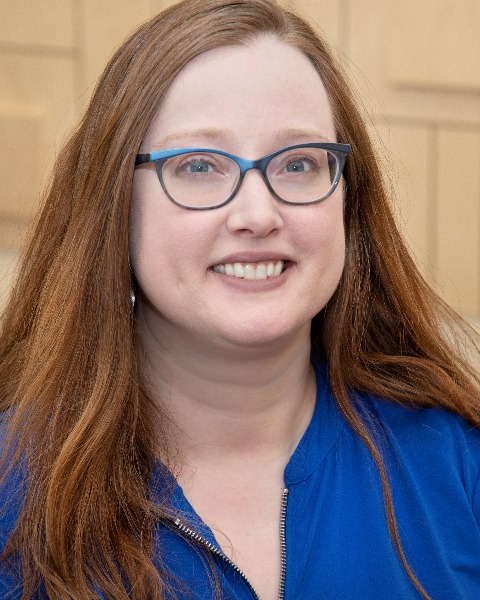 Liz Knapp is a Regional Manager I at Kent District Library in Kent County, Michigan. Liz's region includes three libraries, two in rural areas, and two in suburban areas. Liz has worked in libraries for over 20 years in Michigan, Florida and Indiana. She has been part of the Response Framework project for 6 years and is the current leader. Liz has presented on a regional, state, and national level on kind, empathetic and compassionate communication in difficult situations.
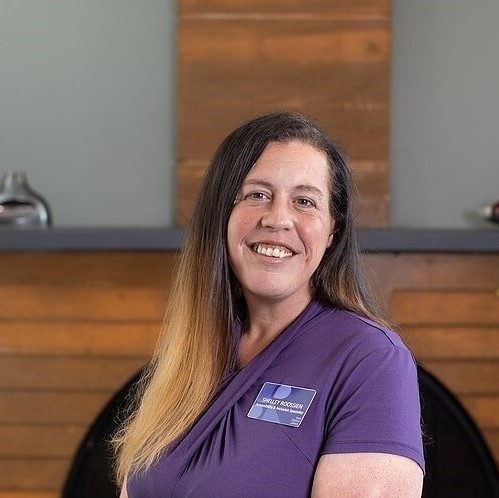 Shelley Roossien has been the Accessibility & Inclusion Specialist for KDL for the past 17 years. She heads up the Talking Book & Braille Center program, as well as other library services and programs for people with disabilities. She is also the co-leader for the Equity, Diversity, and Inclusion workgroup.
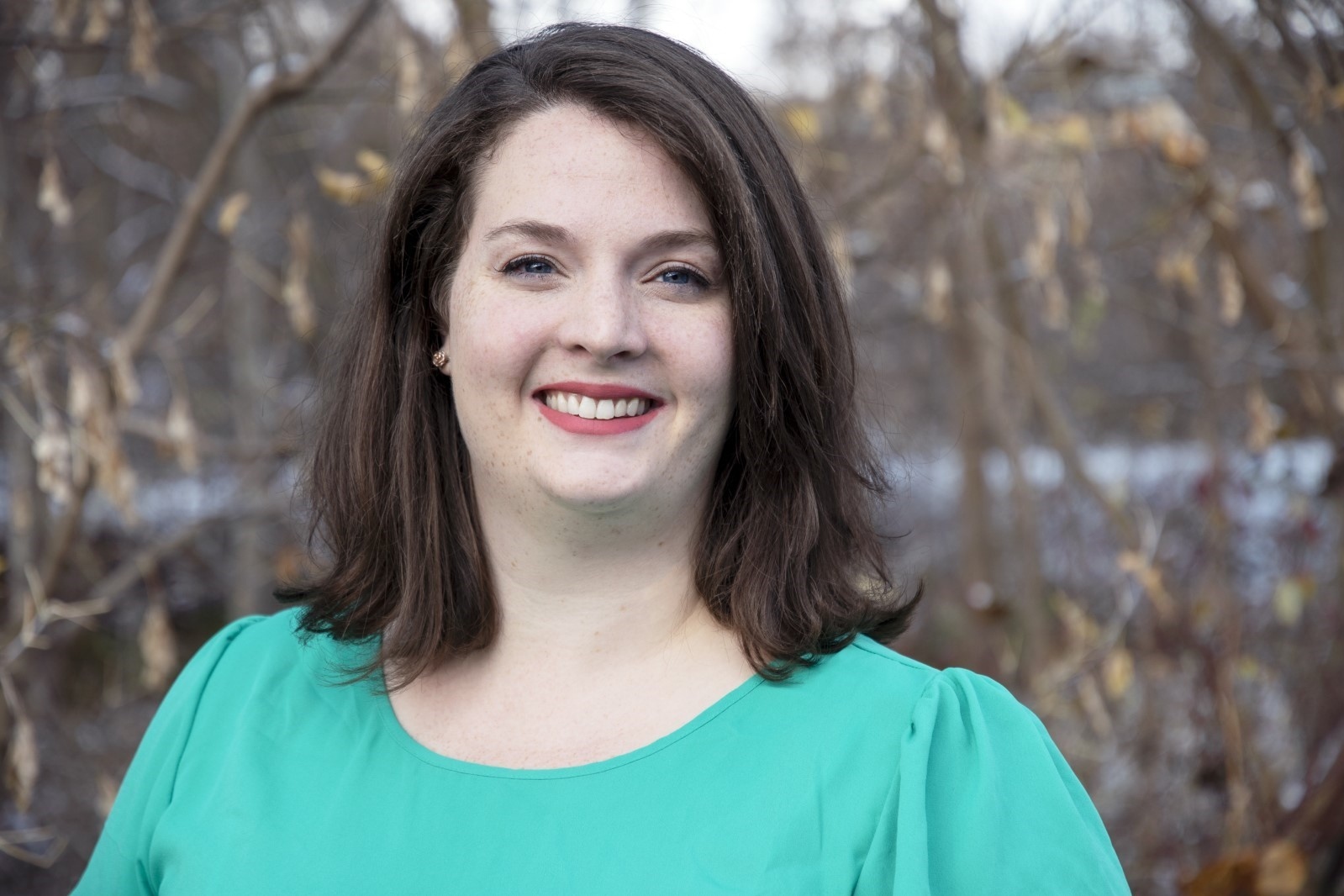 Leigh Verburg is a Branch Librarian at Kent District Library and is engaged with the Equity, Diversity and Inclusion workgroup within the library system. She is passionate about social justice and acknowledging race, power and privilege to help deconstruct systemic racism.
Location: Online via Zoom
8/17/2022
Recorded 8/17/2022Five years ago, Kent District Library (MI) created a response framework for their employees to use to respond to difficult situations that occur in the library. Responding to concerns and complaints in a kind and empathetic way ensures people feel listened to and cared for. This prevents escalation and helps maintain a safe environment. Last year, Kent District Library revisited the Frameworks through the lens of Equity, Diversity and Inclusion. The new Frameworks focuses on learning and growing together, and de-escalating situations for the safety of all, while addressing unconscious bias.
In this session, we will introduce four frameworks which each have an acronym to help staff remember the steps.
Code Green, LEARN
Code Yellow, CARDS
Code Red, EBBS
Code Follow-Up, FLOWS
The Code Green Framework is for daily complaints and interactions, such as book challenges. Code Yellow is for slightly more escalated situations, and Code Red is for situations where the safety of patrons and staff may be at risk. Finally, Code follow-Up focuses on self-care and reflection after a difficult situation.
Learning Objectives:
-
Upon Completion, participant will be able to plan for the development of a response framework for their communities.
-
Participants will be able to create an evaluation plan for existing patron behavior responses to ensure the diverse experiences and backgrounds of the community are respected and policies are equitable.
-
At the end of the session, participants will be able to employ responses for immediate use with their patrons.
Liz Knapp is a Regional Manager I at Kent District Library in Kent County, Michigan. Liz's region includes three libraries, two in rural areas, and two in suburban areas. Liz has worked in libraries for over 20 years in Michigan, Florida and Indiana. She has been part of the Response Framework project for 6 years and is the current leader. Liz has presented on a regional, state, and national level on kind, empathetic and compassionate communication in difficult situations.
Shelley Roossien has been the Accessibility & Inclusion Specialist for KDL for the past 17 years. She heads up the Talking Book & Braille Center program, as well as other library services and programs for people with disabilities. She is also the co-leader for the Equity, Diversity, and Inclusion workgroup.
Leigh Verburg is a Branch Librarian at Kent District Library and is engaged with the Equity, Diversity and Inclusion workgroup within the library system. She is passionate about social justice and acknowledging race, power and privilege to help deconstruct systemic racism.
Location: Online via Zoom
9/13/2022
Safe Space: LGBTQ+ Cultural Competence Training is the first training in the Kent State University Safe Space Training Series. This series is an on-going training effort through Kent State University and the LGBTQ+ Center to make our communities safer places for all people regardless of sexual orientation or gender identity. Training participants will learn about bias, stereotypes, current vocabulary, and best practices for handling gender and sexuality topics with sensitivity. After the training, individuals are offered a Safe Space Ally sign for their office, indicating their support of the Lesbian, Gay, Bisexual, Transgender and Queer plus (LGBTQ+) community.
Regardless of where you work or live, if you interact with people and the public, you will meet individuals who identify as part of the LGBTQ+ community. Having a basic understanding of correct terminology and an understanding of what it means to be an ally to the LGBTQ+ community are essential skills in supporting all people.
Learning Objectives:
- Participants will develop a deeper awareness of personal ideas, stereotypes, and assumptions related to gay, lesbian, bisexual, transgender, queer, and questioning (LGBTQ+) individuals.
- Participants will develop an increased comfort level in addressing concepts and language regarding LGBTQ+ individuals.
- Participants will develop an increased awareness of services that supports LGBTQ+ and allied individuals.
- Participants will have the option of developing a network of community support people for all people regardless of sexual orientations, gender identities, and gender expressions.
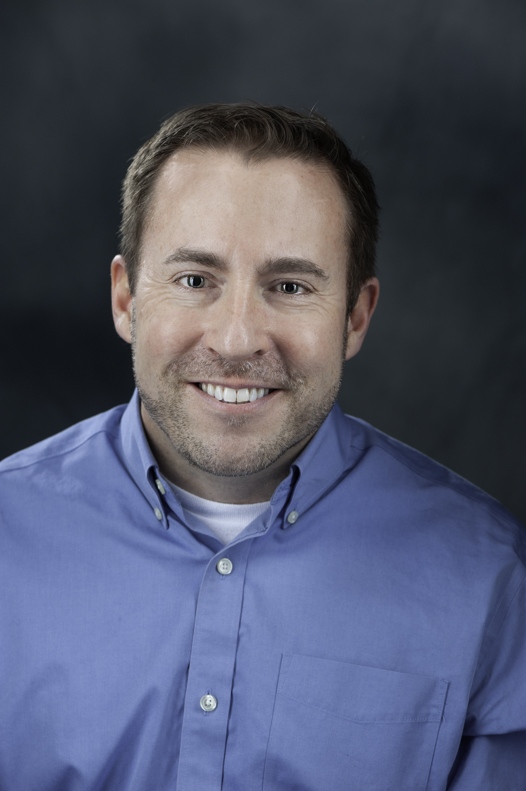 Ken Ditlevson, serves as Kent State University’s first director for the LGBTQ+ Center, where he started in 2014. Ditlevson is a two-time graduate of Kent State University, having received his Bachelor of Arts degree in Psychology and Masters of Education degree in Community Counseling.
 Prior to accepting this position, Ken worked for nearly 20 years in mental health and social services, and most recently was the Assistant Vice President for Child Guidance & Family Solutions in Akron, Ohio. Ken has been awarded numerous awards for his work in LGBTQ+ advocacy, as well as for creating innovative programming and initiatives.Ken and his husband of 22 years, reside in Highland Square/West Akron, along with their two dogs, Luna and Layla.
Location: Medina County District Library
210 S Broadway St.
Medina, OH 44256
There are currently 6 spots remaining out of 50
11/2/2022
Intersectionality is a concept that allows us to examine multiple areas of our lives and social identities. During this session, participants will examine what it actually is, discuss the history of the theory and begin to apply an intersectional lens.
Learning Objectives:
- Identify intersectionality as a lens
- Identify how intersectionality can be utilized in their respective spaces
- Identify resources for support and continued learning
Katie Mattise (they/them pronouns) joined Kent State in 2016, first serving as program coordinator and later as assistant director of the LGBTQ+ Center. Through this position, Katie worked across Kent State to educate, advocate and be a resource to the LGBTQ+ community. Prior to Kent State, they worked at various universities in residence life. Katie now serves as a director in the Division of Diversity, Equity and Inclusion. Through this role, they work with others to create, provide and facilitate opportunities for people to engage in meaningful conversation around various social justice topics.
Katie earned a Bachelor of Arts from the University of Pittsburgh in English Literature and a Master of Science in Cultural Foundations of Education from Syracuse University. Katie’s passion lies in social justice, and they are excited to collaborate with Kent State stakeholders, on and off campus.
Marquis Davis earned his Bachelor of Science in Sports Administration in 2012 from Kent State University. He also earned a Master of Arts in Sport and Recreation Management in 2015 from Kent State University. Marquis is a strong advocate for student success, not only in their academic, but in their personal lives. Marquis joins DEI after spending the last five years in the Undergraduate Programs Office in the Ambassador Crawford College of Business and Entrepreneurship as their Academic Diversity Outreach Coordinator. Marquis was very instrumental with helping create diversity initiatives with the Ambassador Crawford College of Business and Entrepreneurship; Diversity in Business (an interest area) within the Business Learning Community (BLC), developing the Cultural Diversity course for first-year students in the BLC, and establishing The Network. Marquis has a passion for developing creative diversity programming for faculty, staff and students.
Location: Online via Zoom
11/9/2022
 It’s crucial for youth services library paraprofessionals and Librarians to support lifelong learning by constantly developing cultural awareness, acceptance, and understanding of how diverse and rich our young library patrons and families are. During this speaking engagement, attendees will be introduced to basic diverse, equitable, and inclusive concepts, theories, and terminology key for youth library services and programming. They will learn key knowledge regarding children and race research and identify how it’s helpful in planning EDI youth programming. Similarly, library team members will explore ways to equitably introduce diverse and inclusive collections and technology to youth, caregivers, and educators, and analyze the book banning movement.
Learning Objectives:
- Utilize take-a-aways to thoroughly analyze communities, services, and programs and develop an awareness and understanding of how important genuine representation is to young library patrons and their caregivers.
- Commence their journey in designing and facilitating diverse, equitable, inclusive, and accessible library services and enriching programs without incorporating or displaying common misconceptions.
- Spark the desire to continuously self-reflect on diverse, equitable, and inclusive concepts, theories, and terminology that will foster lifelong learning
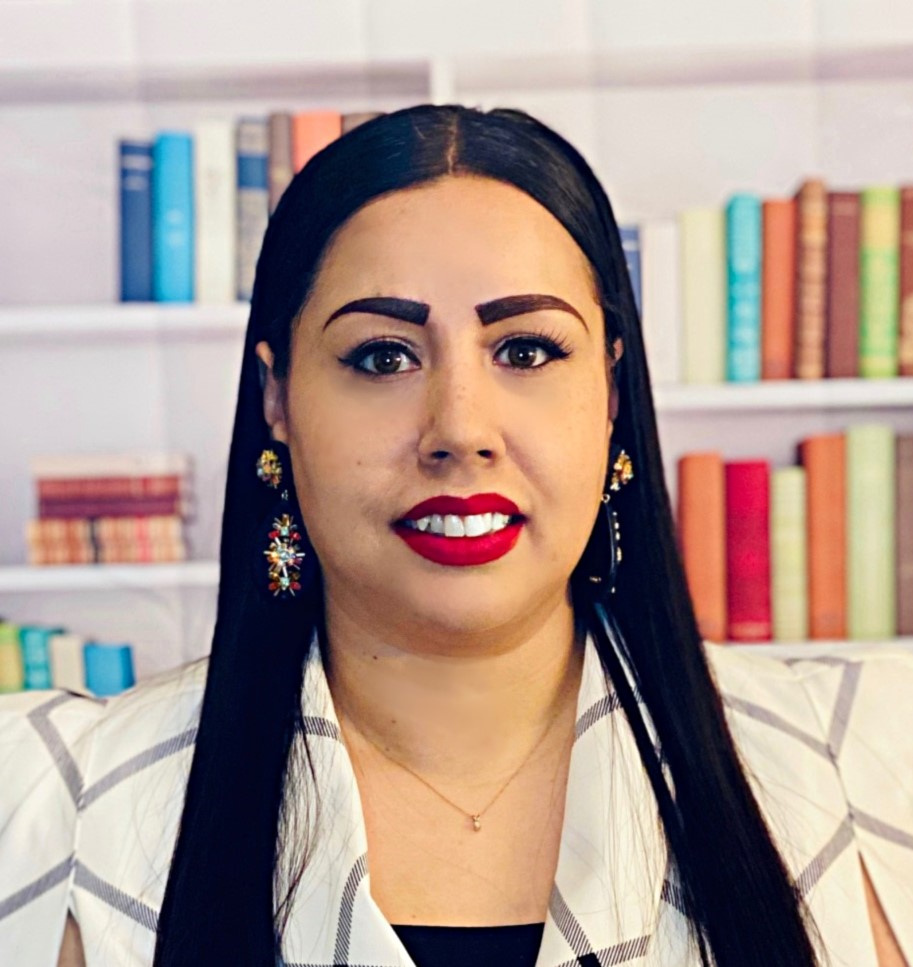
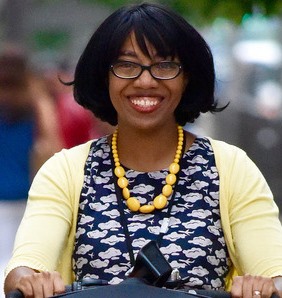
 Erica Marks is a public librarian and owner of Book Marks Live Consulting. Within her twenty years of public library service, Erica has created unique and unconventional programming for youth. Through collaborative partnerships, programs such as Books-n-Beats, Girl Power!, and Man Up, CLE (Cleveland) became successful empowerment events, promoting literacy, leadership, and self-respect. Erica is a member of the American Library Association. She served on the 2020 Randolph Caldecott Committee and previously served on the 2017-2018 Coretta Scott King Book Awards Jury. Erica graduated from Kent State University with a Masters of Information and Library Science and Ashford University, receiving a Masters of Public Administration and a Bachelor in Social and Criminal Justice.
Location: Online via Zoom
12/1/2022
Various people, institutions and organizations help shape the way we view the world, sometimes in inaccurate ways. Participants will learn to identify implicit and explicit biases and explore strategies for challenging them in ourselves and others.
Learning Objectives:
- Understand various concepts around bias
- Develop strategies for counteracting biases you may have
- Identify resources for continued learning and support
Katie Mattise (they/them pronouns) joined Kent State in 2016, first serving as program coordinator and later as assistant director of the LGBTQ+ Center. Through this position, Katie worked across Kent State to educate, advocate and be a resource to the LGBTQ+ community. Prior to Kent State, they worked at various universities in residence life. Katie now serves as a director in the Division of Diversity, Equity and Inclusion. Through this role, they work with others to create, provide and facilitate opportunities for people to engage in meaningful conversation around various social justice topics.
Katie earned a Bachelor of Arts from the University of Pittsburgh in English Literature and a Master of Science in Cultural Foundations of Education from Syracuse University. Katie’s passion lies in social justice, and they are excited to collaborate with Kent State stakeholders, on and off campus.
Marquis Davis earned his Bachelor of Science in Sports Administration in 2012 from Kent State University. He also earned a Master of Arts in Sport and Recreation Management in 2015 from Kent State University. Marquis is a strong advocate for student success, not only in their academic, but in their personal lives. Marquis joins DEI after spending the last five years in the Undergraduate Programs Office in the Ambassador Crawford College of Business and Entrepreneurship as their Academic Diversity Outreach Coordinator. Marquis was very instrumental with helping create diversity initiatives with the Ambassador Crawford College of Business and Entrepreneurship; Diversity in Business (an interest area) within the Business Learning Community (BLC), developing the Cultural Diversity course for first-year students in the BLC, and establishing The Network. Marquis has a passion for developing creative diversity programming for faculty, staff and students.
Location: Online via Zoom
12/14/2022
Discover how everyday comments and actions can unintentionally hurt or harm someone. Participants will build skills and practice strategies to recognize and interrupt microaggressions.
Learning Objectives:
- Recognize microaggressions and explain what they are
- Develop strategies for interrupting microaggressions in both others and ourselves
- Identify resources for support and continued learning
Katie Mattise (they/them pronouns) joined Kent State in 2016, first serving as program coordinator and later as assistant director of the LGBTQ+ Center. Through this position, Katie worked across Kent State to educate, advocate and be a resource to the LGBTQ+ community. Prior to Kent State, they worked at various universities in residence life. Katie now serves as a director in the Division of Diversity, Equity and Inclusion. Through this role, they work with others to create, provide and facilitate opportunities for people to engage in meaningful conversation around various social justice topics.
Katie earned a Bachelor of Arts from the University of Pittsburgh in English Literature and a Master of Science in Cultural Foundations of Education from Syracuse University. Katie’s passion lies in social justice, and they are excited to collaborate with Kent State stakeholders, on and off campus.
Marquis Davis earned his Bachelor of Science in Sports Administration in 2012 from Kent State University. He also earned a Master of Arts in Sport and Recreation Management in 2015 from Kent State University. Marquis is a strong advocate for student success, not only in their academic, but in their personal lives. Marquis joins DEI after spending the last five years in the Undergraduate Programs Office in the Ambassador Crawford College of Business and Entrepreneurship as their Academic Diversity Outreach Coordinator. Marquis was very instrumental with helping create diversity initiatives with the Ambassador Crawford College of Business and Entrepreneurship; Diversity in Business (an interest area) within the Business Learning Community (BLC), developing the Cultural Diversity course for first-year students in the BLC, and establishing The Network. Marquis has a passion for developing creative diversity programming for faculty, staff and students.
Location: Online via Zoom
1/26/2023
While many of our libraries have issued public statements declaring a commitment to greater diversity, equity, and inclusion (DEI), many of us have struggled with how to move beyond words to enacting sustained, anti-oppressive actions. We will look at one library that used a multi-pronged, stepped approach to embed inclusive excellence as a framework in every department. Inclusive excellence recognizes an institution’s ability to succeed is dependent upon how fully it values, engages, and includes the rich diversity of each of its members. First, the library formalized its diversity committee, developing a charge and requiring representation from each department. Second, the library reconfigured a senior administrator position to include oversight for library-wide DEI initiatives. Finally, the library completed an inclusive diversity strategic planning process that solicited input from stakeholders across campus, with a particular emphasis on library employee engagement, ensuring the plan would connect to other campus DEI initiatives while meeting the needs of all library users. The presenter will discuss how these components are key to ensuring DEI frameworks are deeply embedded in a library’s culture and daily operations. Participants will consider approaches to infrastructure, professional development, outreach, and strategic planning that they can use at their own libraries.Learning Objectives:
- Participants will learn about approaches to include in a diversity strategic planning process
- Participants will learn about models for infrastructure that create sustainable foundations for ongoing DEI work
- Participants will develop critical questions to ask at their home institutions to ensure long-term sustainability of diversity initiatives
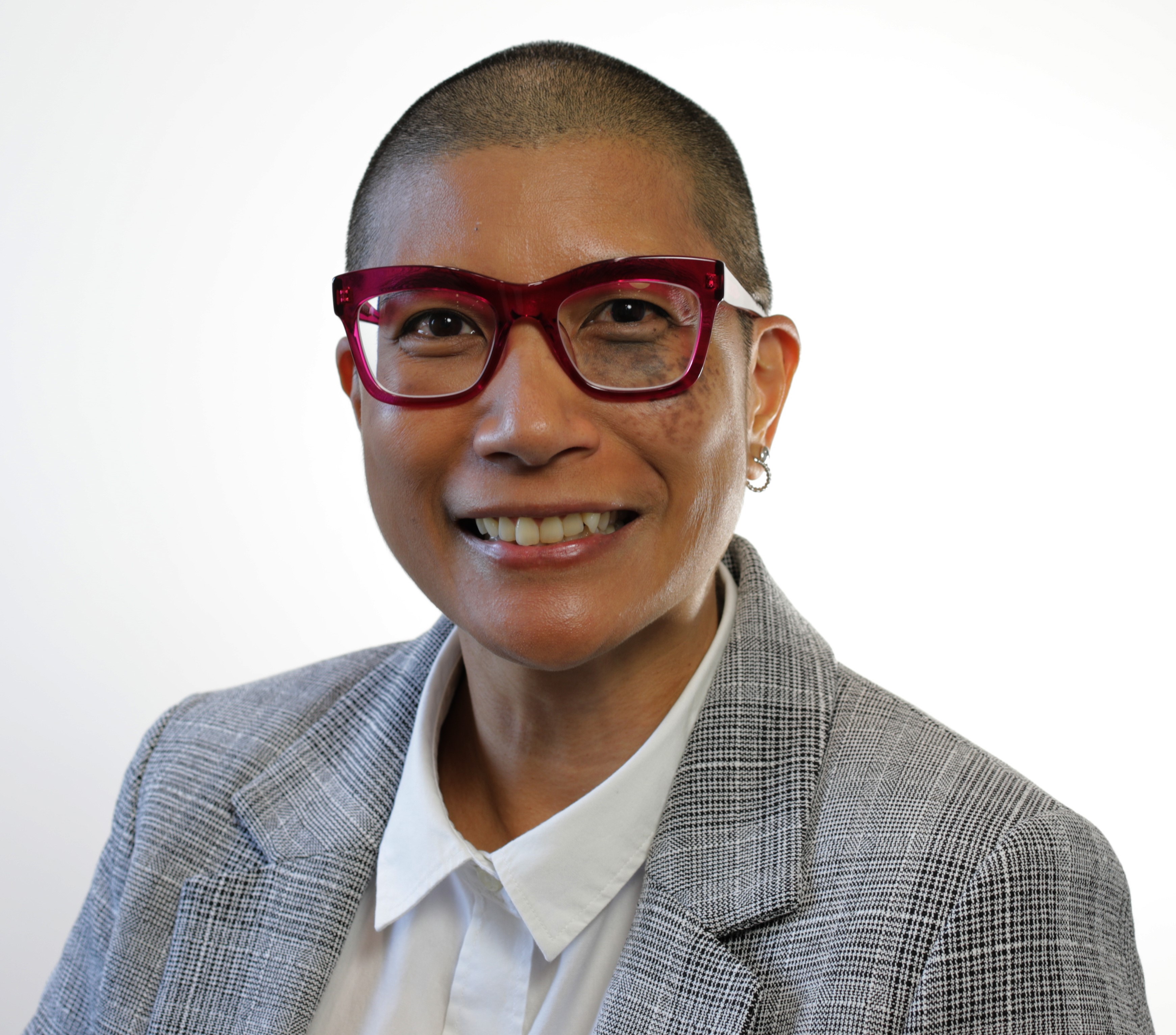 Ione T. Damasco (they/them) is the Associate Dean for Inclusive Excellence, Engagement, and Operations for the University Libraries at the University of Dayton. In their role, they provide leadership, guidance, and support for anti-racist, diversity, equity, and inclusion initiatives as well as outreach and engagement efforts across the Libraries. They are committed to centering well-being and empathy as core leadership values, highlighting the experiences of marginalized groups in their scholarship, and using dialogue as a form of praxis to create greater understanding of different perspectives.
Location: Online via Zoom
1/26/2023
 Recorded 1/26/2023
While many of our libraries have issued public statements declaring a commitment to greater diversity, equity, and inclusion (DEI), many of us have struggled with how to move beyond words to enacting sustained, anti-oppressive actions. We will look at one library that used a multi-pronged, stepped approach to embed inclusive excellence as a framework in every department. Inclusive excellence recognizes an institution’s ability to succeed is dependent upon how fully it values, engages, and includes the rich diversity of each of its members. First, the library formalized its diversity committee, developing a charge and requiring representation from each department. Second, the library reconfigured a senior administrator position to include oversight for library-wide DEI initiatives. Finally, the library completed an inclusive diversity strategic planning process that solicited input from stakeholders across campus, with a particular emphasis on library employee engagement, ensuring the plan would connect to other campus DEI initiatives while meeting the needs of all library users. The presenter will discuss how these components are key to ensuring DEI frameworks are deeply embedded in a library’s culture and daily operations. Participants will consider approaches to infrastructure, professional development, outreach, and strategic planning that they can use at their own libraries.
Learning Objectives:
- Participants will learn about approaches to include in a diversity strategic planning process
- Participants will learn about models for infrastructure that create sustainable foundations for ongoing DEI work
- Participants will develop critical questions to ask at their home institutions to ensure long-term sustainability of diversity initiatives
Ione T. Damasco (they/them) is the Associate Dean for Inclusive Excellence, Engagement, and Operations for the University Libraries at the University of Dayton. In their role, they provide leadership, guidance, and support for anti-racist, diversity, equity, and inclusion initiatives as well as outreach and engagement efforts across the Libraries. They are committed to centering well-being and empathy as core leadership values, highlighting the experiences of marginalized groups in their scholarship, and using dialogue as a form of praxis to create greater understanding of different perspectives.
Location: Online via Zoom
2/14/2023
Intersectionality is a concept that allows us to examine multiple areas of our lives and social identities. During this session, participants will examine what it actually is, discuss the history of the theory and begin to apply an intersectional lens.Learning Objectives:
- Identify intersectionality as a lens
- Identify how intersectionality can be utilized in their respective spaces
- Identify resources for support and continued learning
Katie Mattise (they/them pronouns) joined Kent State in 2016, first serving as program coordinator and later as assistant director of the LGBTQ+ Center. Through this position, Katie worked across Kent State to educate, advocate and be a resource to the LGBTQ+ community. Prior to Kent State, they worked at various universities in residence life. Katie now serves as a director in the Division of Diversity, Equity and Inclusion. Through this role, they work with others to create, provide and facilitate opportunities for people to engage in meaningful conversation around various social justice topics.
Katie earned a Bachelor of Arts from the University of Pittsburgh in English Literature and a Master of Science in Cultural Foundations of Education from Syracuse University. Katie’s passion lies in social justice, and they are excited to collaborate with Kent State stakeholders, on and off campus.
Marquis Davis earned his Bachelor of Science in Sports Administration in 2012 from Kent State University. He also earned a Master of Arts in Sport and Recreation Management in 2015 from Kent State University. Marquis is a strong advocate for student success, not only in their academic, but in their personal lives. Marquis joins DEI after spending the last five years in the Undergraduate Programs Office in the Ambassador Crawford College of Business and Entrepreneurship as their Academic Diversity Outreach Coordinator. Marquis was very instrumental with helping create diversity initiatives with the Ambassador Crawford College of Business and Entrepreneurship; Diversity in Business (an interest area) within the Business Learning Community (BLC), developing the Cultural Diversity course for first-year students in the BLC, and establishing The Network. Marquis has a passion for developing creative diversity programming for faculty, staff and students.
Location: Online via Zoom
5/3/2023
Race and racism are significant parts of our society and shape the way it works. Participants will explore their own understandings, discuss how racism is upheld through policy and practice, and develop strategies to disrupt itPresenters:
Katie Mattise (they/them pronouns) joined Kent State in 2016, first serving as program coordinator and later as assistant director of the LGBTQ+ Center. Through this position, Katie worked across Kent State to educate, advocate and be a resource to the LGBTQ+ community. Prior to Kent State, they worked at various universities in residence life. Katie now serves as a director in the Division of Diversity, Equity and Inclusion. Through this role, they work with others to create, provide and facilitate opportunities for people to engage in meaningful conversation around various social justice topics.
Katie earned a Bachelor of Arts from the University of Pittsburgh in English Literature and a Master of Science in Cultural Foundations of Education from Syracuse University. Katie’s passion lies in social justice, and they are excited to collaborate with Kent State stakeholders, on and off campus.
Marquis Davis earned his Bachelor of Science in Sports Administration in 2012 from Kent State University. He also earned a Master of Arts in Sport and Recreation Management in 2015 from Kent State University. Marquis is a strong advocate for student success, not only in their academic, but in their personal lives. Marquis joins DEI after spending the last five years in the Undergraduate Programs Office in the Ambassador Crawford College of Business and Entrepreneurship as their Academic Diversity Outreach Coordinator. Marquis was very instrumental with helping create diversity initiatives with the Ambassador Crawford College of Business and Entrepreneurship; Diversity in Business (an interest area) within the Business Learning Community (BLC), developing the Cultural Diversity course for first-year students in the BLC, and establishing The Network. Marquis has a passion for developing creative diversity programming for faculty, staff and students.
Location: Online via Zoom
6/7/2023
Here is your opportunity to be introduced to diversity, equity, and inclusion training all in one day.Recognizing Bias
Various people, institutions and organizations help shape the way we view the world, sometimes in inaccurate ways. Participants will learn to identify implicit and explicit biases and explore strategies for challenging them in ourselves and others.
Discover how everyday comments and actions can unintentionally hurt or harm someone. Participants will build skills and practice strategies to recognize and interrupt microaggressions.
Intersectionality is a concept that allows us to examine multiple areas of our lives and social identities. During this session, participants will examine what it actually is, discuss the history of the theory and begin to apply an intersectional lens.
Katie Mattise (they/them pronouns) joined Kent State in 2016, first serving as program coordinator and later as assistant director of the LGBTQ+ Center. Through this position, Katie worked across Kent State to educate, advocate and be a resource to the LGBTQ+ community. Prior to Kent State, they worked at various universities in residence life. Katie now serves as a director in the Division of Diversity, Equity and Inclusion. Through this role, they work with others to create, provide and facilitate opportunities for people to engage in meaningful conversation around various social justice topics.
Katie earned a Bachelor of Arts from the University of Pittsburgh in English Literature and a Master of Science in Cultural Foundations of Education from Syracuse University. Katie’s passion lies in social justice, and they are excited to collaborate with Kent State stakeholders, on and off campus.
Marquis Davis earned his Bachelor of Science in Sports Administration in 2012 from Kent State University. He also earned a Master of Arts in Sport and Recreation Management in 2015 from Kent State University. Marquis is a strong advocate for student success, not only in their academic, but in their personal lives. Marquis joins DEI after spending the last five years in the Undergraduate Programs Office in the Ambassador Crawford College of Business and Entrepreneurship as their Academic Diversity Outreach Coordinator. Marquis was very instrumental with helping create diversity initiatives with the Ambassador Crawford College of Business and Entrepreneurship; Diversity in Business (an interest area) within the Business Learning Community (BLC), developing the Cultural Diversity course for first-year students in the BLC, and establishing The Network. Marquis has a passion for developing creative diversity programming for faculty, staff and students.
Location: Twinsburg Public Library
10050 Ravenna Rd.
Twinsburg, OH 44087
7/13/2023
Accessibility is having a moment. More than ever, libraries are embracing the reality that if you have users, you have users with disabilities. Making our services, resources, and spaces accessible is everyone’s responsibility, and we all have unique skills to contribute to solving our library’s accessibility challenges. We’ll share what we’ve been doing at NC State University Libraries, from ebooks assessments to sensory friendly maps to squashing 300,000+ web accessibility errors. We hope this presentation will meet you wherever you are on your accessibility journey and give you some ideas about things you and your colleagues might do to make your libraries more accessible for everyone in your community.
Learning Objectives
- Understand why accessibility matters to libraries.
- Identify resources available to begin making your library more accessible.
- Connect efforts at NC State with efforts you could implement at your library
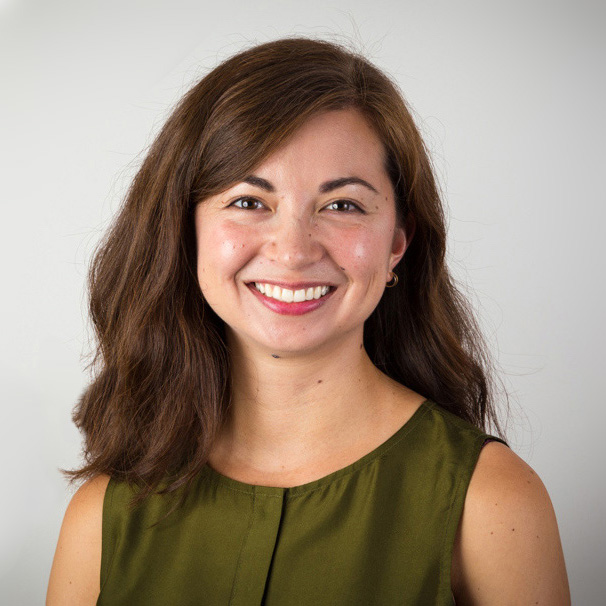 Robin Camille Davis is the Associate Head of User Experience at NC State University Libraries, where she coordinates content strategy, advocates for accessible practices, and conducts user research. She is the chair of the Libraries Accessibility Committee. In 2022, she was honored with a Movers & Shakers Award from Library Journal.
 Beth Ashmore is the Associate Head of Acquisitions & Discovery (Serials) at NC State University Libraries. She has worked on accessibility in libraries through a collaboration with Lyrasis to present the findings of their 2019 Accessibility Survey white paper and by representing ASERL to the Library Accessibility Alliance where she has served on the e-resource testing and training committees. She is also the co-author of The Librarian’s Guide to Negotiation.
Location: Online via Zoom
7/13/2023
 Recorded 7/13/23
Accessibility is having a moment. More than ever, libraries are embracing the reality that if you have users, you have users with disabilities. Making our services, resources, and spaces accessible is everyone’s responsibility, and we all have unique skills to contribute to solving our library’s accessibility challenges. We’ll share what we’ve been doing at NC State University Libraries, from ebooks assessments to sensory friendly maps to squashing 300,000+ web accessibility errors. We hope this presentation will meet you wherever you are on your accessibility journey and give you some ideas about things you and your colleagues might do to make your libraries more accessible for everyone in your community.
Learning Objectives
- Understand why accessibility matters to libraries.
- Identify resources available to begin making your library more accessible.
- Connect efforts at NC State with efforts you could implement at your library
Robin Camille Davis is the Associate Head of User Experience at NC State University Libraries, where she coordinates content strategy, advocates for accessible practices, and conducts user research. She is the chair of the Libraries Accessibility Committee. In 2022, she was honored with a Movers & Shakers Award from Library Journal.Beth Ashmore is the Associate Head of Acquisitions & Discovery (Serials) at NC State University Libraries. She has worked on accessibility in libraries through a collaboration with Lyrasis to present the findings of their 2019 Accessibility Survey white paper and by representing ASERL to the Library Accessibility Alliance where she has served on the e-resource testing and training committees. She is also the co-author of The Librarian’s Guide to Negotiation.Location: Online via Zoom
7/26/2023
Join us for an informative webinar as we dig into the world of online accessibility and inclusion. Learn about key concepts of digital accessibility and address important questions.
Don't miss this opportunity to gain valuable insight and practical strategies to create inclusive and accessible library websites. Let's bridge the gap and empower everyone to access the digital world seamlessly.
Learning Objectives:
- What is Accessibility?
- Why is Accessibility Important?
- Who needs support online?
- Accessibility + Usability = Inclusion
- Website Accessibility Statements
- Recite Me - Accessibility on Demand
 Aaron Van Auken is a Business Development Executive at Recite Me. Coming originally from a background in sports television, Aaron entered the world of tech sales and established himself as a career sales professional. His track record of relational selling and development has come from a love for working with people and understanding their “why”. Outside of work he enjoys staying active, playing golf, home projects, and spending time with his kids.
Location: Online via Zoom
7/26/2023
 Recorded 7/26/23
Join us for an informative webinar as we dig into the world of online accessibility and inclusion. Learn about key concepts of digital accessibility and address important questions.
Don't miss this opportunity to gain valuable insight and practical strategies to create inclusive and accessible library websites. Let's bridge the gap and empower everyone to access the digital world seamlessly.
Learning Objectives:
- What is Accessibility?
- Why is Accessibility Important?
- Who needs support online?
- Accessibility + Usability = Inclusion
- Website Accessibility Statements
- Recite Me - Accessibility on Demand
Aaron Van Auken is a Business Development Executive at Recite Me. Coming originally from a background in sports television, Aaron entered the world of tech sales and established himself as a career sales professional. His track record of relational selling and development has come from a love for working with people and understanding their “why”. Outside of work he enjoys staying active, playing golf, home projects, and spending time with his kids.Location: Online via Zoom
8/16/2023
Have you noticed the conversation shift towards equity and away from equality? This session will examine why. Participants will explore the concept of equity and begin to understand individual and institutional detours to achieving it.***We will be utilizing breakout rooms. If you do not have a microphone or a camera you will still be able to participate via the chat.
Katie Mattise (they/them pronouns) joined Kent State in 2016, first serving as program coordinator and later as assistant director of the LGBTQ+ Center. Through this position, Katie worked across Kent State to educate, advocate and be a resource to the LGBTQ+ community. Prior to Kent State, they worked at various universities in residence life. Katie now serves as a director in the Division of Diversity, Equity and Inclusion. Through this role, they work with others to create, provide and facilitate opportunities for people to engage in meaningful conversation around various social justice topics.
Katie earned a Bachelor of Arts from the University of Pittsburgh in English Literature and a Master of Science in Cultural Foundations of Education from Syracuse University. Katie’s passion lies in social justice, and they are excited to collaborate with Kent State stakeholders, on and off campus.
Location: Online via Zoom
9/6/2023
Safe Space: LGBTQ+ Cultural Competence Training is the first training in the Kent State University Safe Space Training Series. This series is an on-going training effort through Kent State University and the LGBTQ+ Center to make our communities safer places for all people regardless of sexual orientation or gender identity. Training participants will learn about bias, stereotypes, current vocabulary, and best practices for handling gender and sexuality topics with sensitivity. After the training, individuals are offered a Safe Space Ally sign for their office, indicating their support of the Lesbian, Gay, Bisexual, Transgender and Queer plus (LGBTQ+) community.Regardless of where you work or live, if you interact with people and the public, you will meet individuals who identify as part of the LGBTQ+ community. Having a basic understanding of correct terminology and an understanding of what it means to be an ally to the LGBTQ+ community are essential skills in supporting all people.
Learning Objectives:
- Participants will develop a deeper awareness of personal ideas, stereotypes, and assumptions related to gay, lesbian, bisexual, transgender, queer, and questioning (LGBTQ+) individuals.
- Participants will develop an increased comfort level in addressing concepts and language regarding LGBTQ+ individuals.
- Participants will develop an increased awareness of services that supports LGBTQ+ and allied individuals.
- Participants will have the option of developing a network of community support people for all people regardless of sexual orientations, gender identities, and gender expressions.
Ken Ditlevson, serves as Kent State University’s first director for the LGBTQ+ Center, where he started in 2014. Ditlevson is a two-time graduate of Kent State University, having received his Bachelor of Arts degree in Psychology and Masters of Education degree in Community Counseling. Prior to accepting this position, Ken worked for nearly 20 years in mental health and social services, and most recently was the Assistant Vice President for Child Guidance & Family Solutions in Akron, Ohio. Ken has been awarded numerous awards for his work in LGBTQ+ advocacy, as well as for creating innovative programming and initiatives.Ken and his husband of 22 years, reside in Highland Square/West Akron, along with their two dogs, Luna and Layla.
Location: Bainbridge Branch
17222 Snyder Rd.
Chagrin Falls, OH 44023
There are currently 9 spots remaining out of 50
10/3/2023
Various people, institutions and organizations help shape the way we view the world, sometimes in inaccurate ways. Participants will learn to identify implicit and explicit biases and explore strategies for challenging them in ourselves and others.Learning Objectives:
- Understand various concepts around bias
- Develop strategies for counteracting biases you may have
- Identify resources for continued learning and support
Katie Mattise (they/them pronouns) joined Kent State in 2016, first serving as program coordinator and later as assistant director of the LGBTQ+ Center. Through this position, Katie worked across Kent State to educate, advocate and be a resource to the LGBTQ+ community. Prior to Kent State, they worked at various universities in residence life. Katie now serves as a director in the Division of Diversity, Equity and Inclusion. Through this role, they work with others to create, provide and facilitate opportunities for people to engage in meaningful conversation around various social justice topics.
Katie earned a Bachelor of Arts from the University of Pittsburgh in English Literature and a Master of Science in Cultural Foundations of Education from Syracuse University. Katie’s passion lies in social justice, and they are excited to collaborate with Kent State stakeholders, on and off campus.
Location: Online via Zoom
10/3/2023
Various people, institutions and organizations help shape the way we view the world, sometimes in inaccurate ways. Participants will learn to identify implicit and explicit biases and explore strategies for challenging them in ourselves and others.Learning Objectives:
- Understand various concepts around bias
- Develop strategies for counteracting biases you may have
- Identify resources for continued learning and support
Katie Mattise (they/them pronouns) joined Kent State in 2016, first serving as program coordinator and later as assistant director of the LGBTQ+ Center. Through this position, Katie worked across Kent State to educate, advocate and be a resource to the LGBTQ+ community. Prior to Kent State, they worked at various universities in residence life. Katie now serves as a director in the Division of Diversity, Equity and Inclusion. Through this role, they work with others to create, provide and facilitate opportunities for people to engage in meaningful conversation around various social justice topics.
Katie earned a Bachelor of Arts from the University of Pittsburgh in English Literature and a Master of Science in Cultural Foundations of Education from Syracuse University. Katie’s passion lies in social justice, and they are excited to collaborate with Kent State stakeholders, on and off campus.
Location: Online via Zoom
10/10/2023
We are excited to start this new Diversity, Equity, Inclusion, & Accessibility networking group. Here is an opportunity to share your challenges and successes with your peers. This meeting will be held through Zoom which is user friendly to all devices. You will receive a link in your confirmation email a reminder 2 hours before the meeting. We hope you will join us. Please send agenda items/questions to Jeff Laser.
Location: Online via Zoom
10/24/2023
Empower your decision-making, overcome pitfalls, challenge resistance, and foster resilience on the path towards inclusive change and personal well-being.
Learning Objectives:
- DEI Decision Making: basic components of making decisions through the lens of inclusivity.
- Common Missteps in DEI Systems Change: What are the major pitfalls to avoid when embarking on a systems change process.
- Identifying and Challenging Resistance: What does resistance sound like from others? How do I identify and challenge it in myself and my everyday life?
- Self-Identity and Resiliency: How do I care for myself in the process of DEI and advocacy?
 Chinenye Nkemere
Chinenye (ChiChi) (she/her) is a strategic thinker. She has over 10 years of experience in community engagement, asset building and advocacy. She holds a B.A. in Political Science, African Studies and African American Studies from The Ohio State University, with a focus on race and electoral politics. ChiChi is a Teach for America alumni and highly skilled curriculum specialist. She is active in various civic projects and strategic initiatives in Northeast Ohio. She remains dedicated to progressive and radically inclusive equity in all spaces and for all peoples.
 Bethany Studenic
Bethany (she/her) is a Master's level Social Worker and Attorney. Bethany has over a decade of experience in community change initiatives and has served as a leader in prominent social and research-based advocacy movements. Additionally, Bethany has worked in direct practice with diverse groups, including survivors of domestic violence, community police reform movements, and families experiencing poverty.
Location: Online via Zoom
10/24/2023
 Recorded 10/24/23
Empower your decision-making, overcome pitfalls, challenge resistance, and foster resilience on the path towards inclusive change and personal well-being.
Learning Objectives:
- DEI Decision Making: basic components of making decisions through the lens of inclusivity.
- Common Missteps in DEI Systems Change: What are the major pitfalls to avoid when embarking on a systems change process.
- Identifying and Challenging Resistance: What does resistance sound like from others? How do I identify and challenge it in myself and my everyday life?
- Self-Identity and Resiliency: How do I care for myself in the process of DEI and advocacy?
Chinenye NkemereChinenye (ChiChi) (she/her) is a strategic thinker. She has over 10 years of experience in community engagement, asset building and advocacy. She holds a B.A. in Political Science, African Studies and African American Studies from The Ohio State University, with a focus on race and electoral politics. ChiChi is a Teach for America alumni and highly skilled curriculum specialist. She is active in various civic projects and strategic initiatives in Northeast Ohio. She remains dedicated to progressive and radically inclusive equity in all spaces and for all peoples.
Bethany StudenicBethany (she/her) is a Master's level Social Worker and Attorney. Bethany has over a decade of experience in community change initiatives and has served as a leader in prominent social and research-based advocacy movements. Additionally, Bethany has worked in direct practice with diverse groups, including survivors of domestic violence, community police reform movements, and families experiencing poverty.
Location: Online via Zoom
11/15/2023
Mark your calendars to attend the NEO-RLS 2023 Annual Membership Meeting & Appreciation Breakfast in person on Wednesday, November 15, 2023. The Membership Meeting & Appreciation Breakfast is open to library administrators, trustees, and staff.
- Learn how NEO-RLS is progressing financially, what our plans are for the future, more about the services we currently provide, and share any feedback you may have
- Celebrate all those who have contributed time and expertise to NEO-RLS over the past year
- Congratulate the 2022 Rising Star, Shooting Star, and Advocacy Award recipients and honorees
- Hear from Wendy Knapp, State Librarian of Ohio
Through current demographic changes, American society will see traditionally marginalized groups demand change and influence within municipal systems and departments - advocacy efforts are the beginning. Departmental shifts in policy, legal requirements, economic purchase patterns, targeted marketing, and philanthropy must evolve to represent and include Black Women at the foundational level. The 21st-century political economy will be built through a coalition of diverse voices, ideas, and capital. Government officials who get ahead of the curve now will be better positioned to maximize these shifting demographics to create regions of equitable prosperity.
Learning Objectives:
- Economic Case + Trends-Summary of important trends and statistics forecasting the future of Diversity, Equity, and Inclusion within systems.
- Intergenerational Learning-The importance of perspective throughout generations, and facilitating healthy intergenerational learning and support
- Facilitating Authentic Environments-How you can create and facilitate authenticity and expression at work. We will cover common exclusionary tactics, and how to create spaces that are not tolerant of oppression.
- Self-Care-We will discuss the importance of focusing on your own sphere of influence, how to recognize and combat burnout, and how to support one another through challenging circumstances.
Chinenye NkemereChinenye (ChiChi) (she/her) is a strategic thinker. She has over 10 years of experience in community engagement, asset building and advocacy. She holds a B.A. in Political Science, African Studies and African American Studies from The Ohio State University, with a focus on race and electoral politics. ChiChi is a Teach for America alumni and highly skilled curriculum specialist. She is active in various civic projects and strategic initiatives in Northeast Ohio. She remains dedicated to progressive and radically inclusive equity in all spaces and for all peoples.
Bethany StudenicBethany (she/her) is a Master's level Social Worker and Attorney. Bethany has over a decade of experience in community change initiatives and has served as a leader in prominent social and research-based advocacy movements. Additionally, Bethany has worked in direct practice with diverse groups, including survivors of domestic violence, community police reform movements, and families experiencing poverty.
Location: Hilton Garden Inn
8971 Wilcox Dr
Twinsburg, OH 44087
Online Registration has closed for this event
1/31/2024
This presentation will introduce the Digital Transgender Archive, an online hub for digitized historical materials, born-digital materials, and information on archival holdings globally relating to trans and gender non-normative individuals and practices. The presenter will discuss what items can be found on the DTA and how we determine what to add to our collection, how those items are organized, and suggestions for how to navigate the site and the additional resources it provides. Additionally, drawing on both his own experience working at the DTA and as a researcher working with items on the DTA, he will discuss suggestions for interacting with the DTA as a researcher.
Learning Objectives:
- Learn what kinds of items can be found on the DTA and how they are selected
- Learn about the additional resources the DTA provides
- Learn what the DTA offers from a researcher’s perspective
 Leslie Beegle (he/they) is a 2nd year PhD student in the English Department at Northeastern University, and a Research Assistant and Lab Coordinator for the Digital Transgender Archive (DTA), where he works closely with his advisor and creator of the archive, Dr. K.J. Rawson. His work at the DTA includes managing undergraduates as they add items to the DTA, and coordinating with archives and individuals who provide new items for the DTA. Their PhD research focuses on the relationships between trans, archival, and medical rhetorics.
Location: Online via Zoom
1/31/2024
Recorded 1/31/24This presentation will introduce the Digital Transgender Archive, an online hub for digitized historical materials, born-digital materials, and information on archival holdings globally relating to trans and gender non-normative individuals and practices. The presenter will discuss what items can be found on the DTA and how we determine what to add to our collection, how those items are organized, and suggestions for how to navigate the site and the additional resources it provides. Additionally, drawing on both his own experience working at the DTA and as a researcher working with items on the DTA, he will discuss suggestions for interacting with the DTA as a researcher.
Learning Objectives:
- Learn what kinds of items can be found on the DTA and how they are selected
- Learn about the additional resources the DTA provides
- Learn what the DTA offers from a researcher’s perspective
Leslie Beegle (he/they) is a 2nd year PhD student in the English Department at Northeastern University, and a Research Assistant and Lab Coordinator for the Digital Transgender Archive (DTA), where he works closely with his advisor and creator of the archive, Dr. K.J. Rawson. His work at the DTA includes managing undergraduates as they add items to the DTA, and coordinating with archives and individuals who provide new items for the DTA. Their PhD research focuses on the relationships between trans, archival, and medical rhetorics.Location: Online via Zoom
2/13/2024
Discover how everyday comments and actions can unintentionally hurt or harm someone. Participants will build skills and practice strategies to recognize and interrupt microaggressions.Learning Objectives:
- Recognize microaggressions and explain what they are
- Develop strategies for interrupting microaggressions in both others and ourselves
- Identify resources for support and continued learning
Katie Mattise (they/them pronouns) joined Kent State in 2016, first serving as program coordinator and later as assistant director of the LGBTQ+ Center. Through this position, Katie worked across Kent State to educate, advocate and be a resource to the LGBTQ+ community. Prior to Kent State, they worked at various universities in residence life. Katie now serves as a director in the Division of People, Culture and Belonging. Through this role, they work with others to create, provide and facilitate opportunities for people to engage in meaningful conversation around various social justice topics.
Katie earned a Bachelor of Arts from the University of Pittsburgh in English Literature and a Master of Science in Cultural Foundations of Education from Syracuse University. Katie’s passion lies in social justice, and they are excited to collaborate with Kent State stakeholders, on and off campus.
Location: Online via Zoom
3/14/2024
What does an inclusive workplace look like and how can we create one? Participants will explore these questions, learn some basics and strategize on how they can contribute to making a more inclusive work environment.Presenter:
Katie Mattise (they/them pronouns) joined Kent State in 2016, first serving as program coordinator and later as assistant director of the LGBTQ+ Center. Through this position, Katie worked across Kent State to educate, advocate and be a resource to the LGBTQ+ community. Prior to Kent State, they worked at various universities in residence life. Katie now serves as a director in the Division of People, Culture, and Belonging. Through this role, they work with others to create, provide and facilitate opportunities for people to engage in meaningful conversation around various social justice topics.
Katie earned a Bachelor of Arts from the University of Pittsburgh in English Literature and a Master of Science in Cultural Foundations of Education from Syracuse University. Katie’s passion lies in social justice, and they are excited to collaborate with Kent State stakeholders, on and off campus.
Location: Online via Zoom
3/28/2024
We are excited to start this new Diversity, Equity, Inclusion, & Accessibility networking group. Here is an opportunity to share your challenges and successes with your peers. This meeting will be held through Zoom which is user friendly to all devices. You will receive a link in your confirmation email a reminder 2 hours before the meeting. We hope you will join us. Please send agenda items/questions to Jeff Laser.
Location: Online via Zoom
4/24/2024
Many libraries react to negative behavior by suspending or restricting services for youth. Leaders at Columbus Metropolitan Library collaborated on restorative practice tools to change that approach. Restorative practices can help strengthen relationships within communities by offering equitable and collaborative responses to behavior. This panel will discuss local successes and challenges with restorative practices and the path forward to weave these ideas into the culture of libraries.
Learning Objectives:
- Understand how restorative practices are both a model for increased engagement and positive incident response with youth.
- Apply practical knowledge to increase youth inclusion and equitable social justice responses.
- Envision and communicate how to incorporate restorative practices into their own processes, policies, and culture to support youth.
 Lea Mathis serves as the Branch Manager at the Driving Park Branch of Columbus Metropolitan Library and is driven by a deep commitment to equity, diversity, and inclusion (EDI). Lea, motivated by her own early challenges with reading and her local library, has been able to help in rolling out Restorative Practices at CML and support branches in maintaining the work. She hopes this work will resonate with the community and leave a lasting impact on the literary landscape.
 Summer Sherman is Manager of the Northern Lights Branch of Columbus Metropolitan Library. She obtained her M.Ed. in Integrated Language Arts from the Ohio State University and channeled her passion for education and youth advocacy into a career in public libraries. Summer contributed to the formal rollout of Restorative Practices at Columbus Metropolitan Library as a member of their Teens & Security Taskforce.
 Heather West is Manager of the Parsons Branch of Columbus Metropolitan Library. She attended Kent State University where she earned her M.L.I.S. with a specialization in youth services. Heather has worked at several Columbus library locations in circulation, reference, and supervisory roles. Her passion centers on creating an accessible, accepting, and inviting library environment for everyone in the community. Heather joined the Teens & Security Taskforce and contributed to the development and implementation of Restorative Practices at Columbus Metropolitan Library.
Location: Online via Zoom
4/24/2024
Recorded 4/24/24Many libraries react to negative behavior by suspending or restricting services for youth. Leaders at Columbus Metropolitan Library collaborated on restorative practice tools to change that approach. Restorative practices can help strengthen relationships within communities by offering equitable and collaborative responses to behavior. This panel will discuss local successes and challenges with restorative practices and the path forward to weave these ideas into the culture of libraries.
Learning Objectives:
- Understand how restorative practices are both a model for increased engagement and positive incident response with youth.
- Apply practical knowledge to increase youth inclusion and equitable social justice responses.
- Envision and communicate how to incorporate restorative practices into their own processes, policies, and culture to support youth.
Lea Mathis serves as the Branch Manager at the Driving Park Branch of Columbus Metropolitan Library and is driven by a deep commitment to equity, diversity, and inclusion (EDI). Lea, motivated by her own early challenges with reading and her local library, has been able to help in rolling out Restorative Practices at CML and support branches in maintaining the work. She hopes this work will resonate with the community and leave a lasting impact on the literary landscape.Summer Sherman is Manager of the Northern Lights Branch of Columbus Metropolitan Library. She obtained her M.Ed. in Integrated Language Arts from the Ohio State University and channeled her passion for education and youth advocacy into a career in public libraries. Summer contributed to the formal rollout of Restorative Practices at Columbus Metropolitan Library as a member of their Teens & Security Taskforce.Heather West is Manager of the Parsons Branch of Columbus Metropolitan Library. She attended Kent State University where she earned her M.L.I.S. with a specialization in youth services. Heather has worked at several Columbus library locations in circulation, reference, and supervisory roles. Her passion centers on creating an accessible, accepting, and inviting library environment for everyone in the community. Heather joined the Teens & Security Taskforce and contributed to the development and implementation of Restorative Practices at Columbus Metropolitan Library.Location: Online via Zoom
5/9/2024
Join us for a thought-provoking morning session featuring a poverty simulation. Through this immersive experience, gain invaluable insights into the daily challenges faced by individuals living in poverty. It's an opportunity to cultivate empathy and gain understanding, both of which are crucial for effective community engagement. More information coming soon.
Afternoon Breakouts:
Serving the Incarcerated and Beyond a Panel Discussion
Unlocking Potential: The Transformative Impact of Adult Education in Correctional Settings
For individuals, the absence of a high school diploma restricts access to higher education, training, and employment opportunities. Yet, for formerly incarcerated individuals, these educational deficiencies are compounded by numerous barriers and the enduring stigma they confront upon reintegration into their communities and the workforce. Returning citizens with limited education often encounter financial constraints and lack social support systems upon release, increasing their susceptibility to recidivism rather than successful community reintegration. Education plays a pivotal role in empowering individuals, expanding opportunities, and restoring self-esteem and social competency. Through strategic partnerships with nonprofit and governmental entities, the Cuyahoga County Public Library has been uniquely positioned to offer such programs within correctional facilities and community settings. This presentation will showcase the transformative impact of adult education initiatives within correctional institutions across Cuyahoga County.
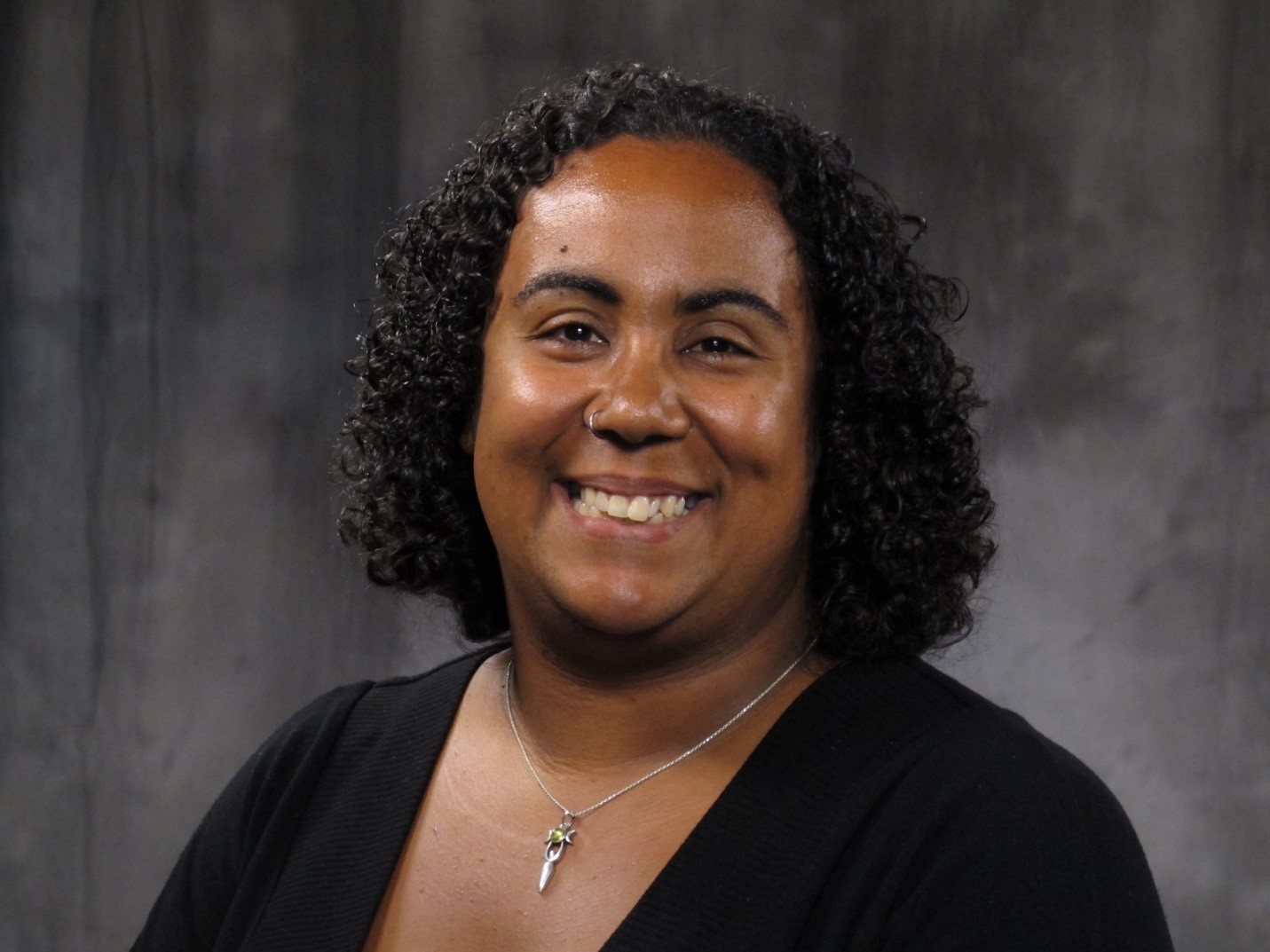 Jami Lee Harris is the Adult Education Services Corrections Specialist for Aspire Greater Cleveland, a department within the Cuyahoga County Public Library, where she coordinates all educational programing for five corrections and reentry facilities. Jami is responsible for teaching classes, scheduling instructors, and managing a variety of grants and reporting requirements.
Serving every patron in a rural community, including the incarcerated and their families, can be both a challenge and a reward! Join the team from the Conneaut Public Library as they describe their organizational relationship and share tips on how to provide library resources to not only those living in correctional institutions, but also to the families affected.
Presenter:
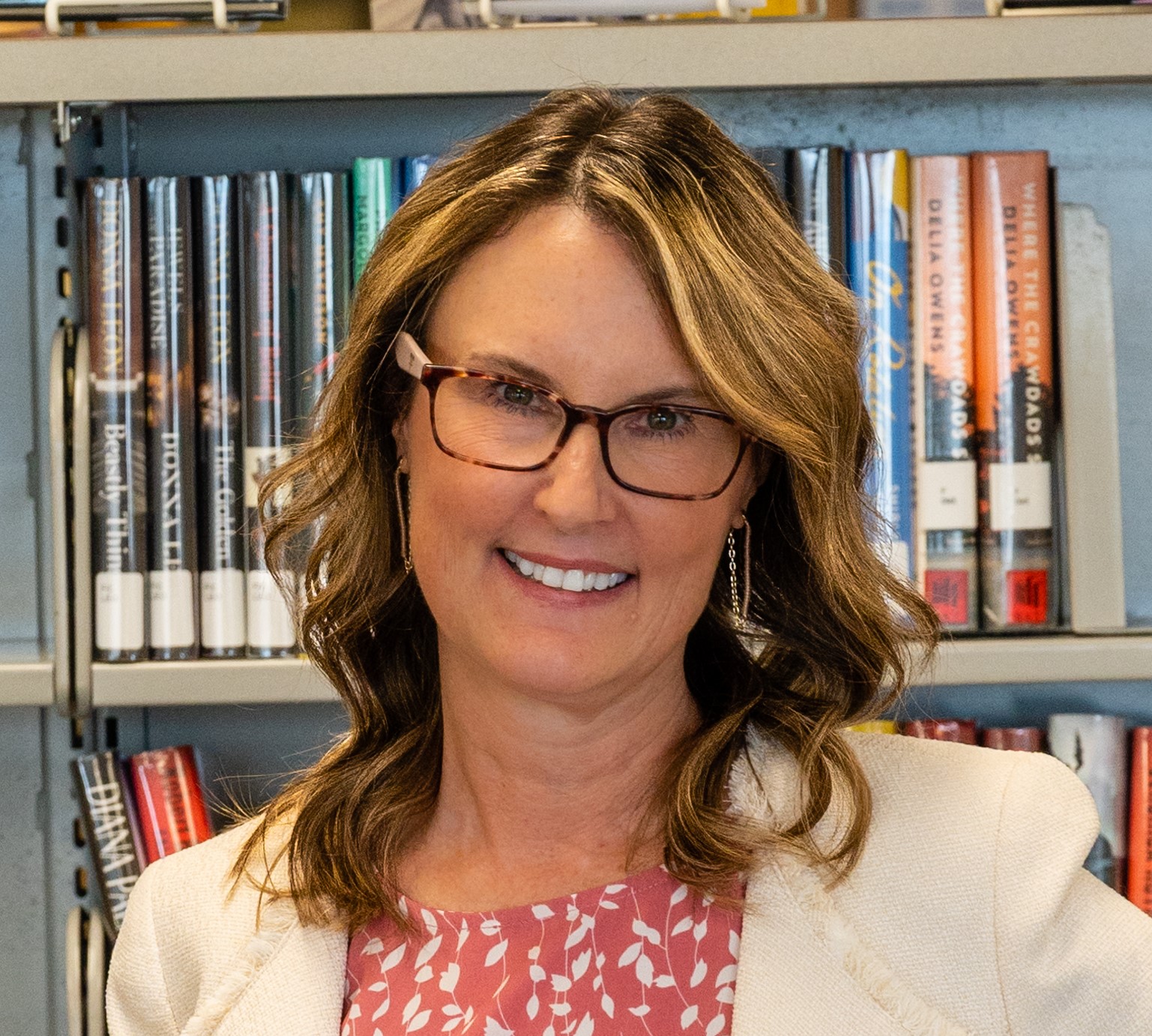 Kathy Zappitello, Executive Director at Conneaut Public Library
In addition to her role as Executive Director, Kathy is a past president of ARSL, the Association for Rural & Small Libraries. With over 20 years of experience, she has displayed courageous commitment to leadership paired with a genuine passion for empowering others, all within the framework of rural library service.
IIA (International Institute of Akron) 101 and Inclusion in the Library
Join us for an informative presentation by the International Institute of Akron as they delve into their comprehensive array of services designed to support immigrants and refugees, from facilitating housing, education, and workforce training, to providing social services and legal assistance. Gain insights into different immigration statuses and understand the journey refugees and asylees undertake to reach Akron. Additionally, discover strategies for fostering inclusivity in libraries to create welcoming environments for refugees and immigrants.
Presenter:
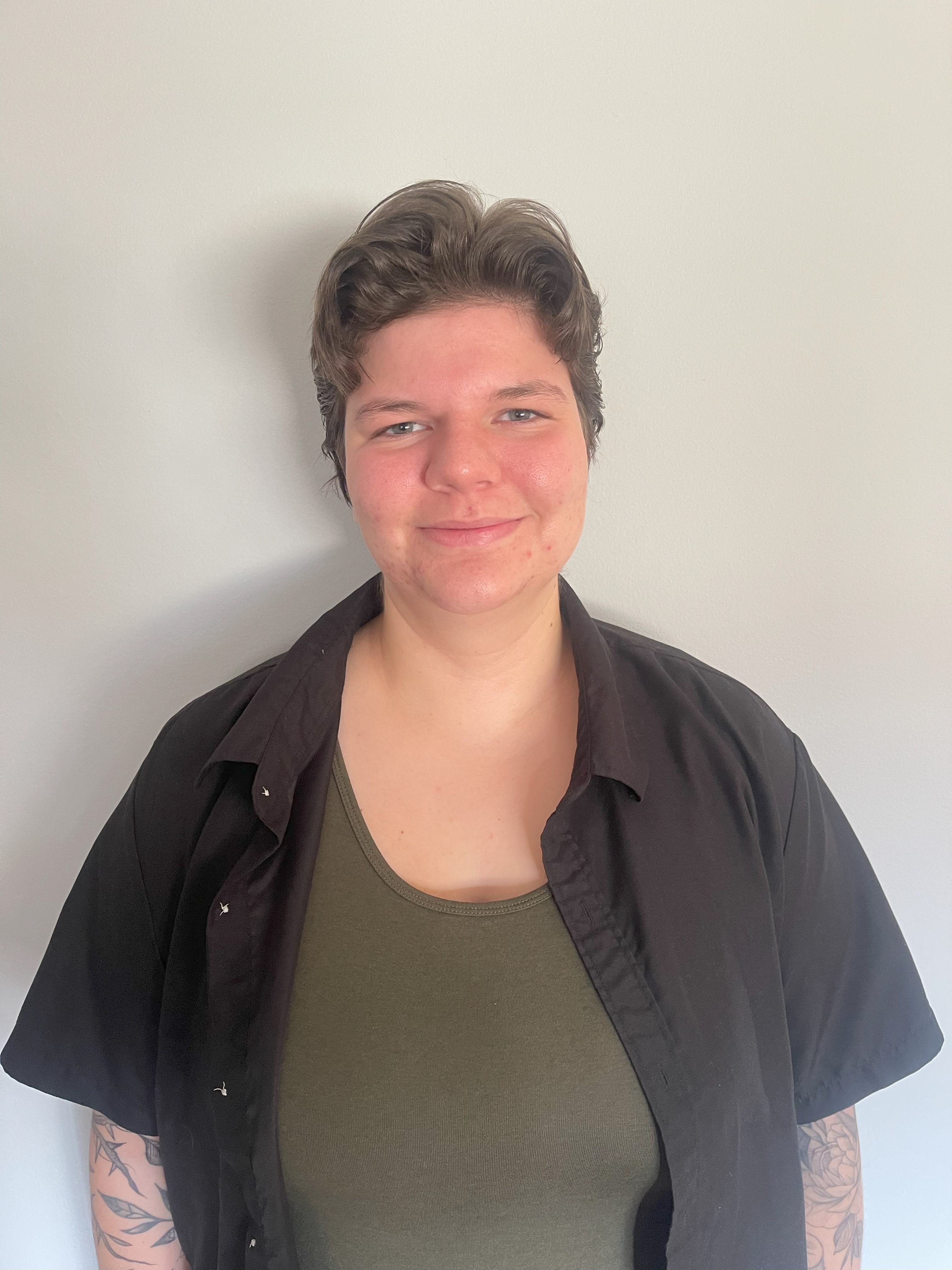 Liv Randall is the Communications and Development Specialist at the International Institute of Akron. Her roles include external communications, such as updating IIA’s social media, blog, and newsletters, as well as applying for grant funding on behalf of IIA and community outreach. Prior to joining IIA, Liv worked at a refugee resettlement agency in Cleveland for multiple years, giving her experience with resettlement services in Northeast Ohio as a whole. Liv graduated from the Ohio State University in 2020 with a Bachelor of Arts in International Relations and Middle East Studies.
Community ESL Classes at Public Libraries: The Why and How
We know that libraries are safe spaces that welcome all people. Places that can be particularly helpful for refugees and new Americans to come for resources and support. Public libraries, in particular, are at a unique advantage in reaching underserved adult ESL learners. It's already happening. Libraries are hosting ESL conversation groups, citizenship classes, and language tutoring. But how do we best increase our effectiveness and reach? In this session, we will discuss how ESL language programming can enrich a library’s relationship with our immigrant neighbors and increase equitable access to resources through addressing the language barrier. Join us to learn about a new community ESL class curriculum developed by Ohio ESL professionals for public libraries which is editable to be city-specific and built on information that newcomers need. This student-centered curriculum can fit a variety of English proficiency levels and focuses on community building and life skills. In this session you will learn more about the different ways public libraries can adapt to fulfill the needs of English language learners in our growing communities.
Presenter:
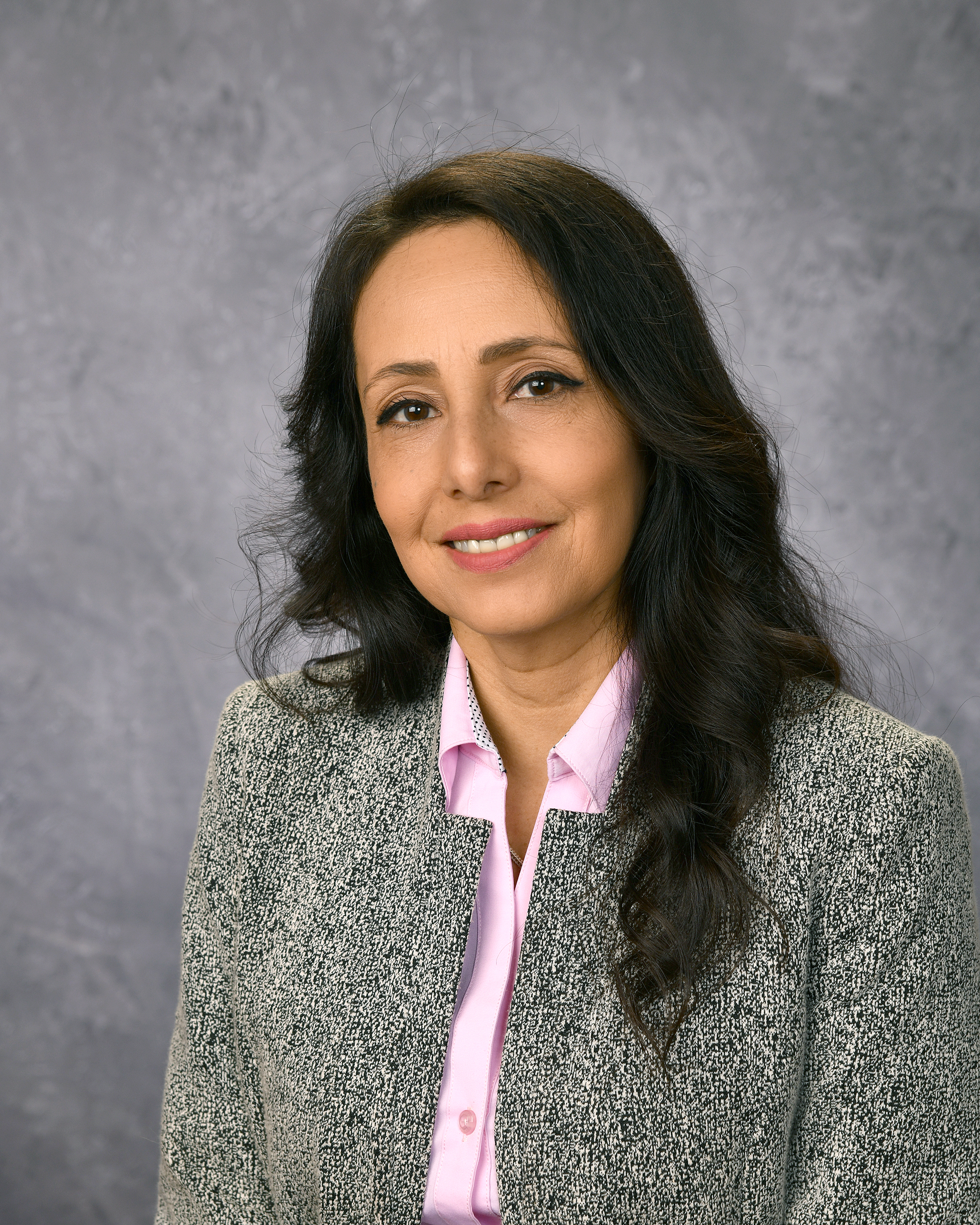 Dr. Gabriela Pickett is the Newest American Specialist for the Dayton Metro Library. Gabriela is an immigrant and English leaner. She provides support to immigrants by promoting equity and access to resources including teaching English as a second language. She also empowers people by facilitating cultural celebrations that will allow them to experience their own culture. One of her responsibilities is to multiply the potential of the community through engagement. “My job is evidence that the libraries of today go beyond having just books. We pay attention to the ever-changing needs of our newest community, and we try to meet them.” Gabriela created a Dayton-centric-content based ELL curriculum to help people learn English and connect them to the resources they need. The program is in its second year and has demonstrated ongoing success.
Watch for more sessions to be added soon.
Location: Hilton Garden Inn
8971 Wilcox Dr
Twinsburg, OH 44087
Online Registration has closed for this event
6/12/2024
For libraries to effectively meet their mission of serving the educational, informational, and entertainment needs of their communities, their collections must be diverse and inclusive, offering windows into and mirrors of the vast array of perspectives and stories that make up our world. Library selectors and readers’ advisors must have a keen understanding of the basic frameworks for building and maintaining collections through an equitable lens, including the ability to apply that knowledge to a collection audit.
In this course, learn from Collection Managers Dontaná McPherson-Joseph and Betsy Bird as they explore key concepts essential to cultivating and promoting inclusive and equitable collections. You'll find out more about conducting a diversity audit of your collections, and learn how to include diverse books with wider perspectives that allow you to be more responsive to the community you serve and more reflective of the diversity of our world.
Learning Objectives:
- To have a thorough understanding of the different types of equity audits and which methods suit your collection best.
- To understand how equity begins with purchasing and does not stop after the audit stops.
- To consider weeding, displays, and community outreach and how each one of those factors affects the representation found in your collection.
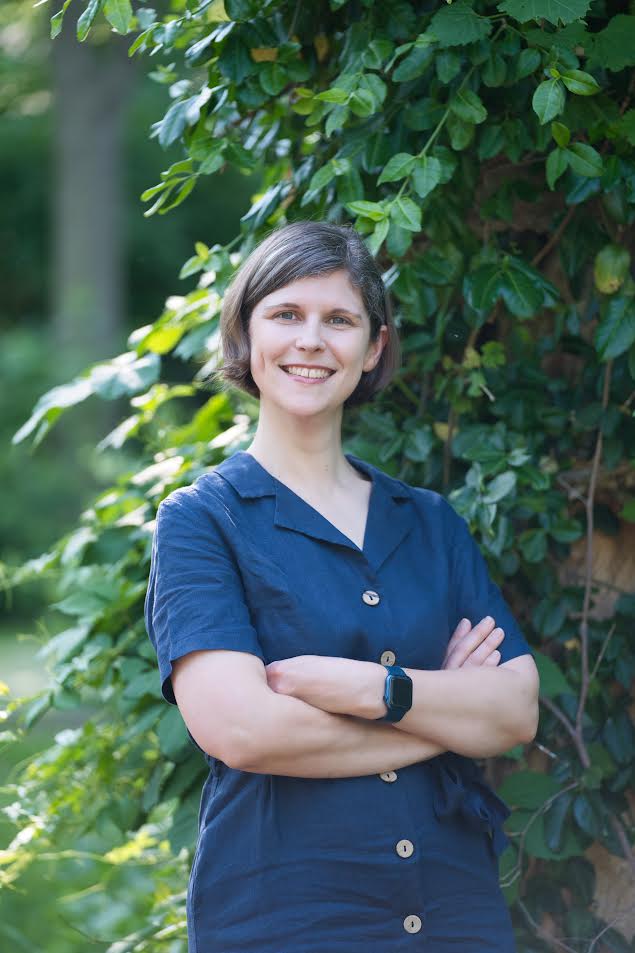 Betsy Bird is the Collection Development Manager of Evanston Public Library and the former Youth Materials Specialist of Evanston Public Library. Betsy reviews for Kirkus and hosts the blog A Fuse #8 Production for School Library Journal.
 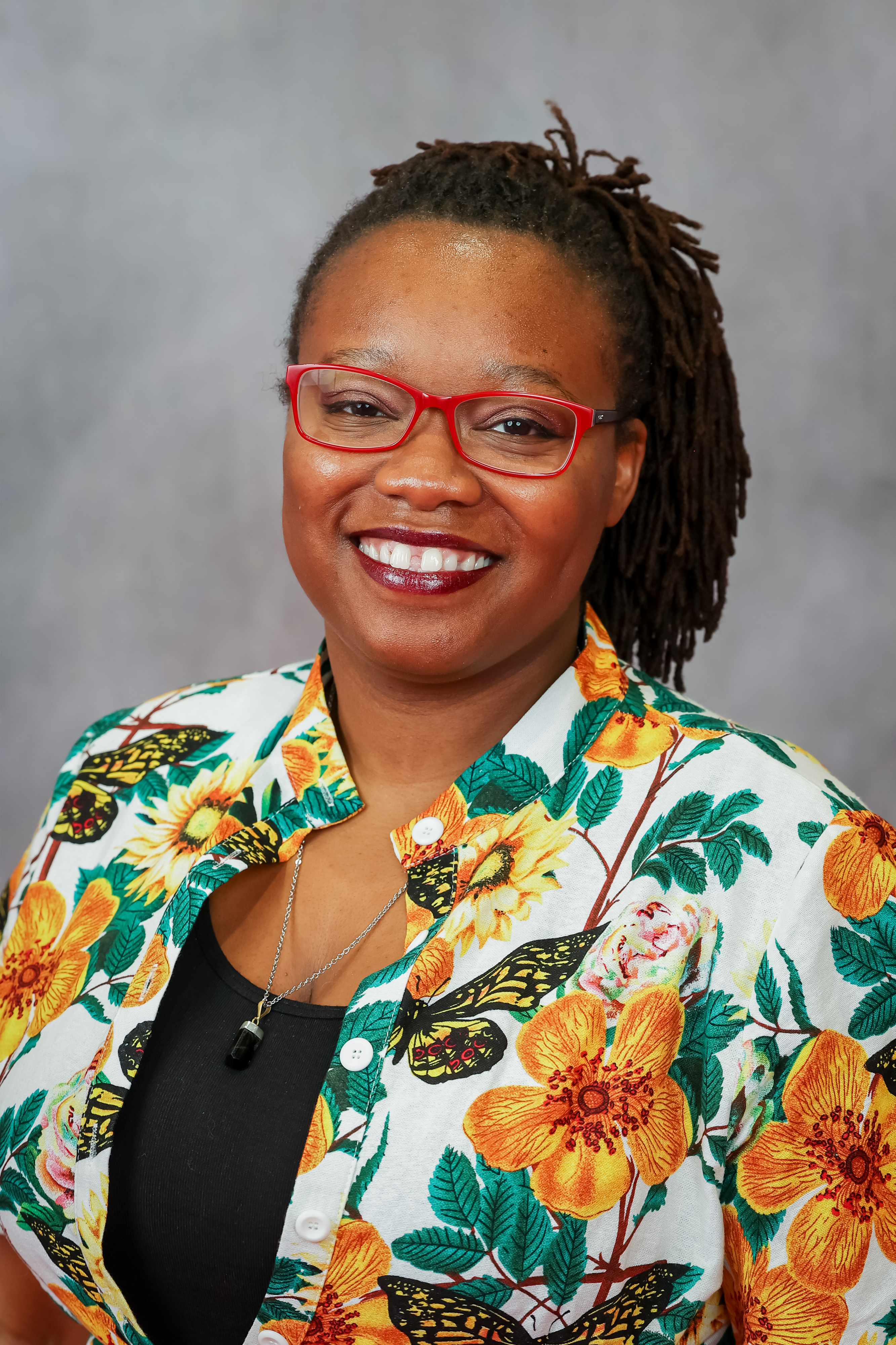 Dontaná McPherson-Joseph (she/her) is a collection management librarian at Oak Park (IL) Public Library. She has presented for Library Journal on inclusive collection development and auditing, and is an advocate for reading widely and diversely.
Location: Online via Zoom
6/12/2024
Recorded 6/12/24For libraries to effectively meet their mission of serving the educational, informational, and entertainment needs of their communities, their collections must be diverse and inclusive, offering windows into and mirrors of the vast array of perspectives and stories that make up our world. Library selectors and readers’ advisors must have a keen understanding of the basic frameworks for building and maintaining collections through an equitable lens, including the ability to apply that knowledge to a collection audit.
In this course, learn from Collection Managers Dontaná McPherson-Joseph and Betsy Bird as they explore key concepts essential to cultivating and promoting inclusive and equitable collections. You'll find out more about conducting a diversity audit of your collections, and learn how to include diverse books with wider perspectives that allow you to be more responsive to the community you serve and more reflective of the diversity of our world.
Learning Objectives:
- To have a thorough understanding of the different types of equity audits and which methods suit your collection best.
- To understand how equity begins with purchasing and does not stop after the audit stops.
- To consider weeding, displays, and community outreach and how each one of those factors affects the representation found in your collection.
Betsy Bird is the Collection Development Manager of Evanston Public Library and the former Youth Materials Specialist of Evanston Public Library. Betsy reviews for Kirkus and hosts the blog A Fuse #8 Production for School Library Journal. Dontaná McPherson-Joseph (she/her) is a collection management librarian at Oak Park (IL) Public Library. She has presented for Library Journal on inclusive collection development and auditing, and is an advocate for reading widely and diversely.Location: Online via Zoom
8/20/2024
The LGBTQ+ 101 training is designed to create a more inclusive and understanding workplace environment by providing participants with foundational knowledge and skills related to the LGBTQ+ community. This session will also incorporate intergenerational aspects of work, identity, and communication. This training aims to foster empathy, respect, and inclusivity towards individuals of diverse sexual orientations and gender identities.
Learning Objectives:
- Understanding LGBTQ+ Terminology: Participants will familiarize themselves with key terms and concepts related to sexual orientation and gender identity, including but not limited to LGBTQ+, transgender, non-binary, and cisgender.
- Creating Inclusive Spaces: Participants will learn practical ways to create inclusive and welcoming environments for LGBTQ+ colleagues, clients, and customers, including language usage, policies, and organizational culture.
- Enhancing Communication and Engagement Across Generations
 Amanda Cole joined Plexus LGBT + Allied Chamber of Commerce as the first Executive Director in March of 2019. Her work in the non-profit sector began while a student at Antioch College during her first co-op directing an AmeriCorps program serving at-risk youth living in vulnerable communities. Since then she has been a servant leader and community activist. Amanda attended Wright State University where she pursued studies in non-profit management. After graduating she began a successful career in fundraising and development and returned to her alma mater, Antioch College, to run the annual fund and alumni relations departments. Her move to NEO was spurred by a wonderful opportunity to join the Museum of Contemporary Art leading the development department. Additionally, her community involvement and training includes leadership and change facilitation through Points of Light Youth Leadership, People’s Institute for Undoing Racism, and Nonprofit Leadership Alliance.
 An avid reader and consumer of podcasts, Amanda has been most inspired by Encyclopedia Brown to choose her own adventure.
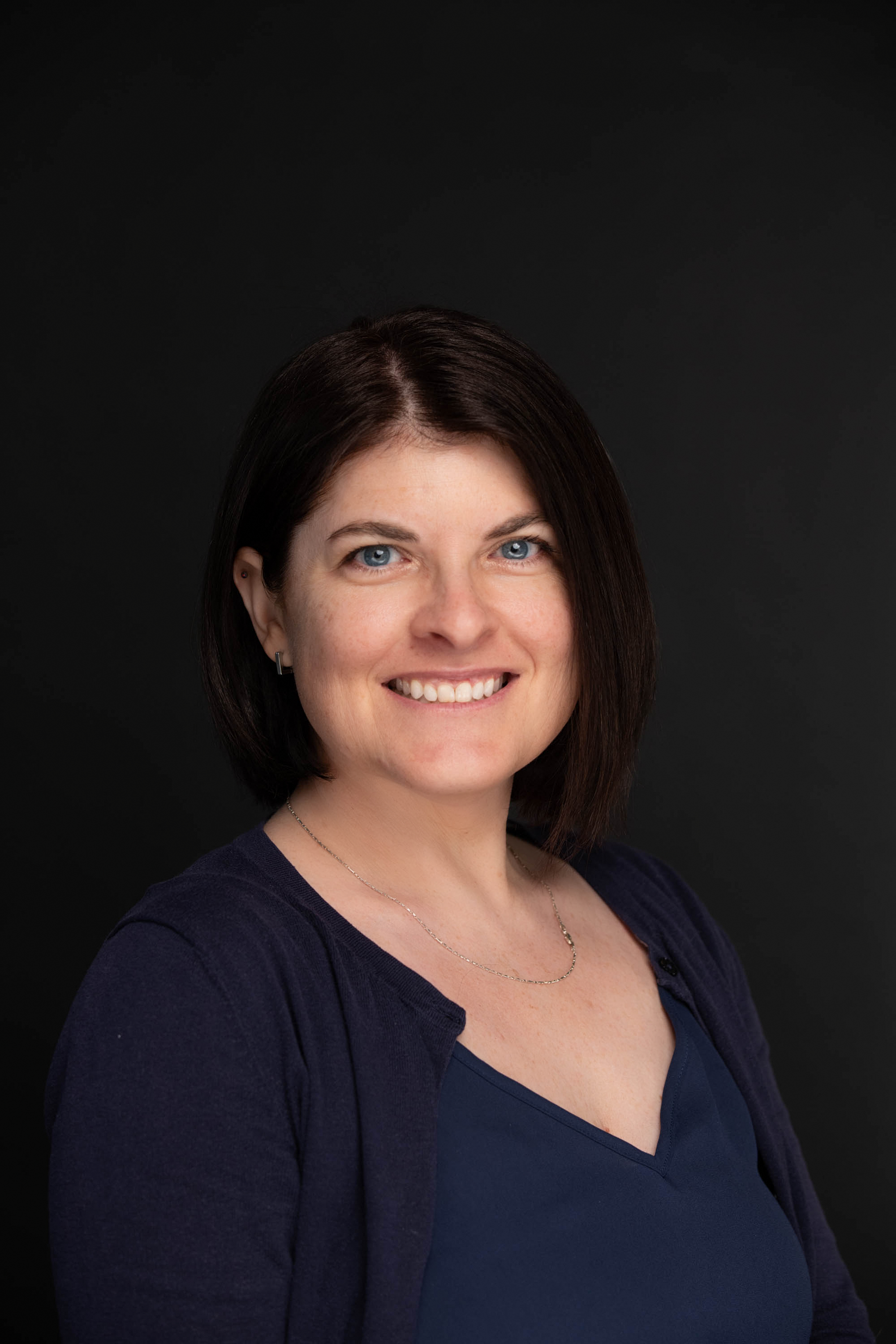 Dr. Jennifer E. Bosco (she/her) brings 20+ years of expertise in areas of business development, workplace culture, and inclusive practices. Jennifer serves as the founding Inclusion Hub Director for Plexus LGBT & Allied Chamber of Commerce for Northeast Ohio. Jennifer is also the founder of Bosco Consulting, a firm that guides businesses and organizations to align their vision and goals with a highly diverse, productive, and inclusive workplace. Her community actions include serving on the Board of Directors for Talespinner Children’s Theatre and as a member of an advocacy advising group for the LGBT Community Center of Greater Cleveland. She earned her doctorate in international and multicultural education with a concentration in human rights from University of San Francisco where her research focused on antiracism activism and the intersectionality of race and gender.
Location: Online
Via Zoom
8/20/2024
 Recorded 8/20/24
The LGBTQ+ 101 training is designed to create a more inclusive and understanding workplace environment by providing participants with foundational knowledge and skills related to the LGBTQ+ community. This session will also incorporate intergenerational aspects of work, identity, and communication. This training aims to foster empathy, respect, and inclusivity towards individuals of diverse sexual orientations and gender identities.
Learning Objectives:
- Understanding LGBTQ+ Terminology: Participants will familiarize themselves with key terms and concepts related to sexual orientation and gender identity, including but not limited to LGBTQ+, transgender, non-binary, and cisgender.
- Creating Inclusive Spaces: Participants will learn practical ways to create inclusive and welcoming environments for LGBTQ+ colleagues, clients, and customers, including language usage, policies, and organizational culture.
- Enhancing Communication and Engagement Across Generations
Dr. Jennifer E. Bosco (she/her) brings 20+ years of expertise in areas of business development, workplace culture, and inclusive practices. Jennifer serves as the founding Inclusion Hub Director for Plexus LGBT & Allied Chamber of Commerce for Northeast Ohio. Jennifer is also the founder of Bosco Consulting, a firm that guides businesses and organizations to align their vision and goals with a highly diverse, productive, and inclusive workplace. Her community actions include serving on the Board of Directors for Talespinner Children’s Theatre and as a member of an advocacy advising group for the LGBT Community Center of Greater Cleveland. She earned her doctorate in international and multicultural education with a concentration in human rights from University of San Francisco where her research focused on antiracism activism and the intersectionality of race and gender.Location: Online
Via Zoom
9/5/2024
Neurodiversity is a concept that encompasses autism, ADHD, dyslexia, Tourette’s, dementia, mental health conditions, dyspraxia and other intellectual disabilities. This umbrella term is more commonly used by organizations and individuals to help define who they are and what they care about. As the neurodiversity movement grows, you may find more individuals using those labels and concepts in your library. This webinar will help participants learn more about neurodiversity and how to serve their community.
Learning Objectives:
- What is neurodiversity?
- The neurodiversity movement
- Online connections with neurodiversity
- Misinformation and mental health online
- Communication
- People first versus identity first language
 Carrie Rogers-Whitehead worked in libraries for nearly a decade and now consults and trains librarians. She regularly researches and writes for librarians, educators and parents. Carrie has published 5 books, with two coming out in 2022 including a new book co-authored with two school librarians with ABC-CLIO: Advocating Digital Citizenship: Resources for Library and Classroom. In 2021 she received an Outstanding Reference Title award from the Reference & User Services Association of ALA. Carrie is the founder of Digital Respons-Ability, a mission-based company that has educated tens of thousands of students, parents and educators in digital citizenship. Her company’s curriculum and work can be found in multiple states and countries. Carrie is a sought after trainer, former TEDx speaker, adjunct instructor and loves to teach others.
Location: Online via Zoom
9/5/2024
Recorded 9/5/24Neurodiversity is a concept that encompasses autism, ADHD, dyslexia, Tourette’s, dementia, mental health conditions, dyspraxia and other intellectual disabilities. This umbrella term is more commonly used by organizations and individuals to help define who they are and what they care about. As the neurodiversity movement grows, you may find more individuals using those labels and concepts in your library. This webinar will help participants learn more about neurodiversity and how to serve their community.
Learning Objectives:
- What is neurodiversity?
- The neurodiversity movement
- Online connections with neurodiversity
- Misinformation and mental health online
- Communication
- People first versus identity first language
Carrie Rogers-Whitehead worked in libraries for nearly a decade and now consults and trains librarians. She regularly researches and writes for librarians, educators and parents. Carrie has published 5 books, with two coming out in 2022 including a new book co-authored with two school librarians with ABC-CLIO: Advocating Digital Citizenship: Resources for Library and Classroom. In 2021 she received an Outstanding Reference Title award from the Reference & User Services Association of ALA. Carrie is the founder of Digital Respons-Ability, a mission-based company that has educated tens of thousands of students, parents and educators in digital citizenship. Her company’s curriculum and work can be found in multiple states and countries. Carrie is a sought after trainer, former TEDx speaker, adjunct instructor and loves to teach others.Location: Online via Zoom
10/2/2024
Have you ever wondered what assistive technology options exist to break down the barrier between library collections and our patrons with visual impairment or blindness? Join this webinar to get an introduction to built-in accessibility features on today's smartphones and see how they can be used to access library apps. We'll go over the basic gestures to get you started as well as tips for navigating. This will include a brief demonstration using the Libby app, but the skills can apply to any accessible digital collection.
***Attendees are encouraged to bring a mobile device (and headphones for it if you won't have a space to yourself) to participate in the practice portion of the presentation.
Learning Objectives:
- Understand why working with a mobile device's native accessibility features is important to equitable library service.
- Identify and explain accessibility features native to Apple iOS and Android mobile devices.
- Borrow and listen to digital audiobooks using only their hands and ears (no vision required).
Presenter:
 Alyssa Hanson has been the Web Specialist at the Iowa City Public Library (ICPL) since 2016. Her work has included redesigning, building, and maintaining ICPL’s website as well as leading the front-end design work on ICPL's catalog, app, and other web projects. While not coding, she also works on the Info Desk helping people with technology and reference questions. She is continually looking for ways to improve the usability and accessibility of ICPL and its web presence as well as opportunities to help others learn more about accessibility.
Location: Online via Zoom
10/2/2024
Recorded 10/2/24Have you ever wondered what assistive technology options exist to break down the barrier between library collections and our patrons with visual impairment or blindness? Join this webinar to get an introduction to built-in accessibility features on today's smartphones and see how they can be used to access library apps. We'll go over the basic gestures to get you started as well as tips for navigating. This will include a brief demonstration using the Libby app, but the skills can apply to any accessible digital collection.
***Attendees are encouraged to bring a mobile device (and headphones for it if you won't have a space to yourself) to participate in the practice portion of the presentation.
Learning Objectives:
- Understand why working with a mobile device's native accessibility features is important to equitable library service.
- Identify and explain accessibility features native to Apple iOS and Android mobile devices.
- Borrow and listen to digital audiobooks using only their hands and ears (no vision required).
Presenter:
Alyssa Hanson has been the Web Specialist at the Iowa City Public Library (ICPL) since 2016. Her work has included redesigning, building, and maintaining ICPL’s website as well as leading the front-end design work on ICPL's catalog, app, and other web projects. While not coding, she also works on the Info Desk helping people with technology and reference questions. She is continually looking for ways to improve the usability and accessibility of ICPL and its web presence as well as opportunities to help others learn more about accessibility.Location: Online via Zoom
10/22/2024
Intersectionality is a concept that allows us to examine multiple areas of our lives and social identities. During this session, participants will examine what it actually is, discuss the history of the theory and begin to apply an intersectional lens.Learning Objectives:
- Identify intersectionality as a lens
- Identify how intersectionality can be utilized in their respective spaces
- Identify resources for support and continued learning
Katie Mattise (they/them pronouns) joined Kent State in 2016, first serving as program coordinator and later as assistant director of the LGBTQ+ Center. Through this position, Katie worked across Kent State to educate, advocate and be a resource to the LGBTQ+ community. Prior to Kent State, they worked at various universities in residence life. Katie now serves as a director in the Division of People, Culture, and Belonging. Through this role, they work with others to create, provide and facilitate opportunities for people to engage in meaningful conversation around various social justice topics.
Katie earned a Bachelor of Arts from the University of Pittsburgh in English Literature and a Master of Science in Cultural Foundations of Education from Syracuse University. Katie’s passion lies in social justice, and they are excited to collaborate with Kent State stakeholders, on and off campus.
Location: Online via Zoom
10/24/2024
This presentation aims to provide library workers with practical strategies and tools for developing outreach and in-library programming for adults with intellectual and developmental disabilities (IDD). Participants will walk away with practical ideas for engaging with their community and concrete suggestions for successful and rewarding programming for adults with IDD.
Learning Objectives:
- Participants will recognize the value and rewards inherent in providing services for adults with intellectual and developmental disabilities.
- Participants will learn concrete first steps for implementing programming for adults with intellectual and developmental disabilities.
- Participants will learn details for at least three programming models to use with adults with intellectual and developmental disabilities.
Rebecca Wolfe is the manager of the Grabill branch of the Allen County Public Library in Indiana. She worked for twenty years as manager of a large suburban branch of ACPL before moving in 2022 to the beautiful Grabill branch, which is a rural branch with its own hitching post for equine visitors. For the past decade, Rebecca has focused on programming for adults and teens with intellectual and developmental disabilities (IDD). This work led to recognition as one of Library Journal's 2024 "Mover & Shakers."
Location: Online via Zoom
10/24/2024
We are excited to start this new Diversity, Equity, Inclusion, & Accessibility networking group. Here is an opportunity to share your challenges and successes with your peers. This meeting will be held through Zoom which is user friendly to all devices. You will receive a link in your confirmation email a reminder 2 hours before the meeting. We hope you will join us. Please send agenda items/questions to Jeff Laser.
Location: Online via Zoom
10/24/2024
Recorded 10/24/24This presentation aims to provide library workers with practical strategies and tools for developing outreach and in-library programming for adults with intellectual and developmental disabilities (IDD). Participants will walk away with practical ideas for engaging with their community and concrete suggestions for successful and rewarding programming for adults with IDD.
Learning Objectives:
- Participants will recognize the value and rewards inherent in providing services for adults with intellectual and developmental disabilities.
- Participants will learn concrete first steps for implementing programming for adults with intellectual and developmental disabilities.
- Participants will learn details for at least three programming models to use with adults with intellectual and developmental disabilities.
Rebecca Wolfe is the manager of the Grabill branch of the Allen County Public Library in Indiana. She worked for twenty years as manager of a large suburban branch of ACPL before moving in 2022 to the beautiful Grabill branch, which is a rural branch with its own hitching post for equine visitors. For the past decade, Rebecca has focused on programming for adults and teens with intellectual and developmental disabilities (IDD). This work led to recognition as one of Library Journal's 2024 "Mover & Shakers."
Location: Online via Zoom
11/12/2024
How can we make a staff hiring process more inclusive? Participants will examine the application review and interview phases, become aware of some common barriers, and learn about what practices they can incorporate.
Learning Objectives:
- Construct an interview process
- Be aware of biases
- Learn to be inclusive
Katie Mattise (they/them pronouns) joined Kent State in 2016, first serving as program coordinator and later as assistant director of the LGBTQ+ Center. Through this position, Katie worked across Kent State to educate, advocate and be a resource to the LGBTQ+ community. Prior to Kent State, they worked at various universities in residence life. Katie now serves as a director in the Division of People, Culture, and Belonging. Through this role, they work with others to create, provide and facilitate opportunities for people to engage in meaningful conversation around various social justice topics.
Katie earned a Bachelor of Arts from the University of Pittsburgh in English Literature and a Master of Science in Cultural Foundations of Education from Syracuse University. Katie’s passion lies in social justice, and they are excited to collaborate with Kent State stakeholders, on and off campus.
Location: Online via Zoom
12/12/2024
This interactive presentation is designed to be a starting point to understanding ableism and its impact on individuals and the workplace, with a focus on accessibility and inclusion. By highlighting the importance of universal design and its ability to increase access for all people, participants will learn about how to address ableism in their libraries and decrease its impact on both patrons and staff.
Learning Objectives:
- Participants will be able to define ableism.
- Participants will learn about accessibility and accommodations.
- Participants will be able to recognize ableist language and microaggressions.
- Participants will become more comfortable addressing ableism in its many forms.
 Teanna Weeks (she/her) has worked in libraries for most of her adult life. At the Shaker Heights City School District, she is central processing for library materials for all school buildings. Teanna has a passion for advocacy in all areas and consistently works for inclusivity in all spaces. Be careful if you chat her up; she can talk for hours about nail polish, Agents of S.H.I.E.L.D., BTS, and Star Wars.
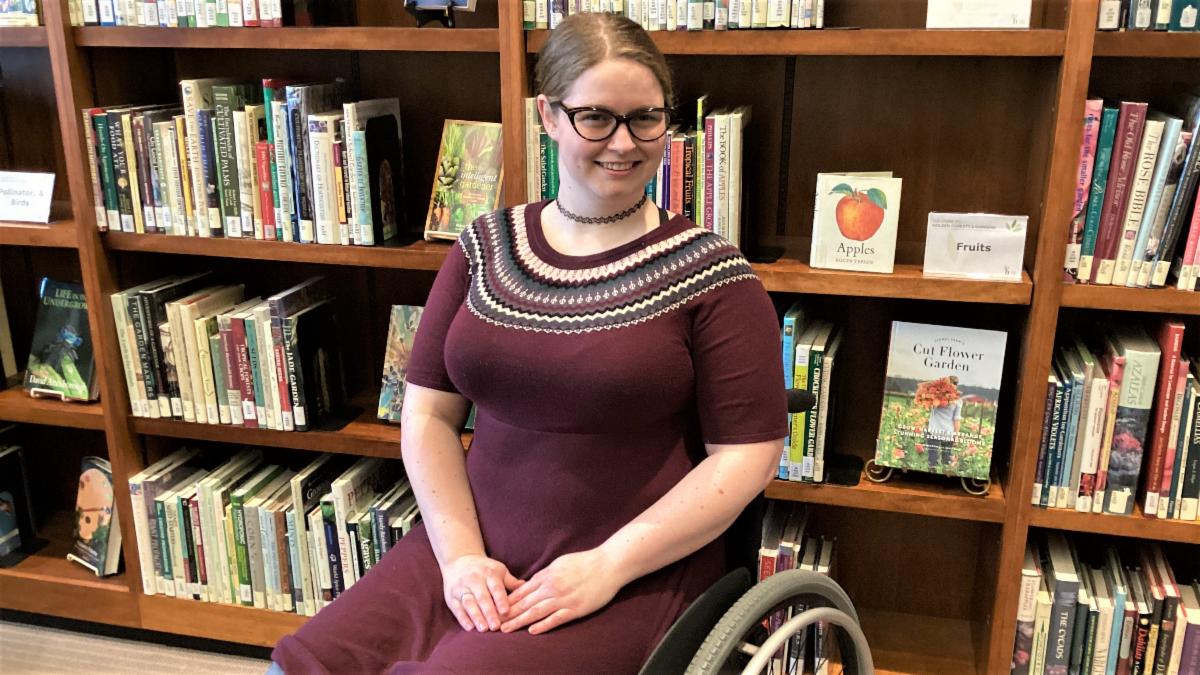 Marisha Sullivan (she/they) is the Librarian at Holden Forests & Gardens, overseeing the Archives, Special Collections, and Circulating Collections at both Cleveland Botanical Garden and Holden Arboretum. Previously a public librarian, Marisha brings a passion for lifelong learning, accessibility, and equity to her work with plants, trees, and people. When not in the library or wandering the woods, Marisha enjoys fiber arts, video games, and exploring the Greater Cleveland area.
Location: Online via Zoom
12/12/2024
Recorded 12/12/24This interactive presentation is designed to be a starting point to understanding ableism and its impact on individuals and the workplace, with a focus on accessibility and inclusion. By highlighting the importance of universal design and its ability to increase access for all people, participants will learn about how to address ableism in their libraries and decrease its impact on both patrons and staff.
Learning Objectives:
- Participants will be able to define ableism.
- Participants will learn about accessibility and accommodations.
- Participants will be able to recognize ableist language and microaggressions.
- Participants will become more comfortable addressing ableism in its many forms.
Teanna Weeks (she/her) has worked in libraries for most of her adult life. At the Shaker Heights City School District, she is central processing for library materials for all school buildings. Teanna has a passion for advocacy in all areas and consistently works for inclusivity in all spaces. Be careful if you chat her up; she can talk for hours about nail polish, Agents of S.H.I.E.L.D., BTS, and Star Wars.Marisha Sullivan (she/they) is the Librarian at Holden Forests & Gardens, overseeing the Archives, Special Collections, and Circulating Collections at both Cleveland Botanical Garden and Holden Arboretum. Previously a public librarian, Marisha brings a passion for lifelong learning, accessibility, and equity to her work with plants, trees, and people. When not in the library or wandering the woods, Marisha enjoys fiber arts, video games, and exploring the Greater Cleveland area.Location: Online via Zoom
1/14/2025
Anti-racism is a term that is frequently discussed in the public consciousness. This session provides a space to understand what anti-racism really means, safely reflect on where you are in your own journey, and explore how we can practice anti-racism in our communities.
Learning Objectives:
- What anti-racism really means
- Reflect on owr views
- Explore how we can practice anti-racism in our communities
Katie Mattise (they/them pronouns) joined Kent State in 2016, first serving as program coordinator and later as assistant director of the LGBTQ+ Center. Through this position, Katie worked across Kent State to educate, advocate and be a resource to the LGBTQ+ community. Prior to Kent State, they worked at various universities in residence life. Katie now serves as a director in the Division of People, Culture, and Belonging. Through this role, they work with others to create, provide and facilitate opportunities for people to engage in meaningful conversation around various social justice topics.
Katie earned a Bachelor of Arts from the University of Pittsburgh in English Literature and a Master of Science in Cultural Foundations of Education from Syracuse University. Katie’s passion lies in social justice, and they are excited to collaborate with Kent State stakeholders, on and off campus.
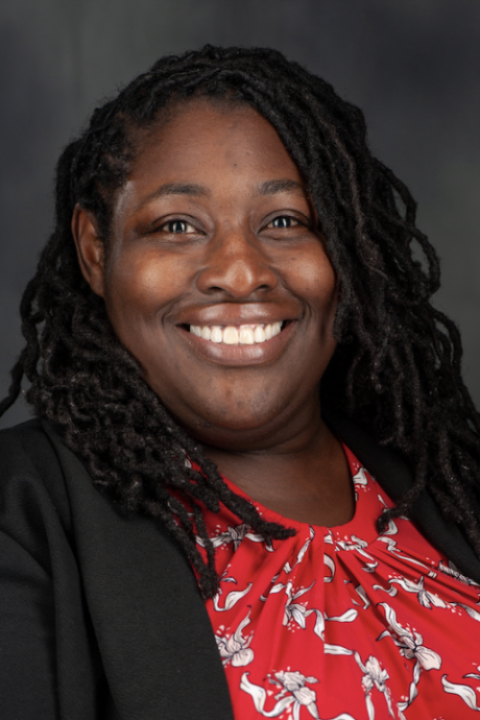 Shaunte Rouse was born and raised in Northeastern Ohio. She has a Bachelor of Arts in Psychology and Music from Bowling Green State University and a Master of Education degree in College Student Personnel from Ohio University. During her professional experience in Higher Education, Shaunte developed expertise in areas including strategic partnership cultivation, student advocacy, advising, mentoring, strategic planning, and data-driven decision-making.
Shaunte has spearheaded initiatives aimed at removing barriers and advocating for policy changes to better support students, faculty, and staff at various higher education institutions. One of her key accomplishments includes the creation and facilitation of college-based diversity and inclusion committees at different institutions, which played a vital role in fostering a culture of inclusion on campuses.
Shaunte Rouse is passionate about creating inclusive and equitable spaces within Higher Education. She is committed to continuing this important work to drive positive change in our institutions and communities.
Location: Online via Zoom
1/23/2025
Recorded 1/23/25Librarian Rachel Stevenson will discuss various techniques to make your physical library space more ADA-friendly instead of only ADA-compliant. She will also discuss ways to look at programs to make them more ADA-friendly as well. We will look at physical, mental health, and sensory ways to make your library a more welcoming space to all.
Objectives:
-
Will learn where to find terminology to use when talking about people with disabilities and how language matters
-
Will learn quick ways to make their library more ADA Friendly without a major renovation
-
Will learn how to make programming more inclusive
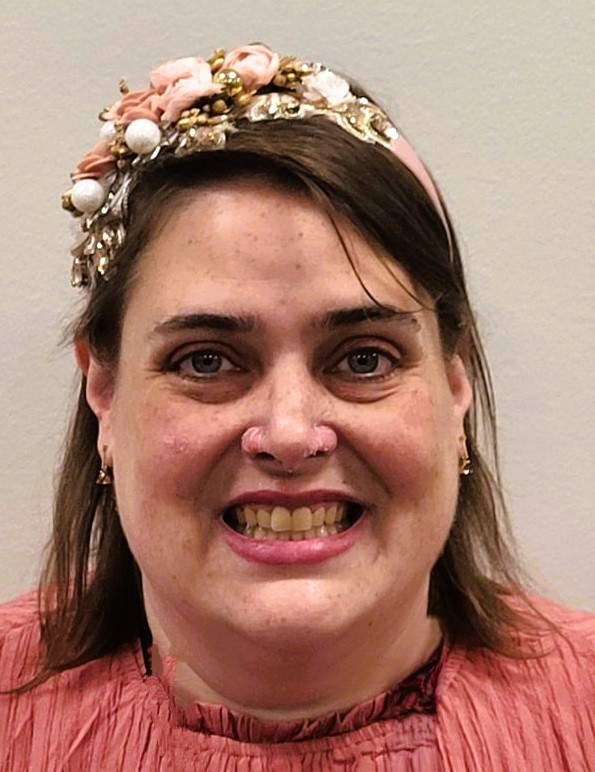 Rachel Stevenson is a librarian from Northwest Pennsylvania. It was not until her father lost her leg to a parasite she realized how the world is not built for people in wheelchairs and became an advocate for those with disabilities. She lives with an invisible disability she grew up being told she should never talk about because people would judge her harshly over it. She is the first to admit that she is always learning.
 Location: Online via Zoom
1/23/2025
Objectives:
-
Will learn where to find terminology to use when talking about people with disabilities and how language matters
-
Will learn quick ways to make their library more ADA Friendly without a major renovation
-
Will learn how to make programming more inclusive
Rachel Stevenson is a librarian from Northwest Pennsylvania. It was not until her father lost her leg to a parasite she realized how the world is not built for people in wheelchairs and became an advocate for those with disabilities. She lives with an invisible disability she grew up being told she should never talk about because people would judge her harshly over it. She is the first to admit that she is always learning. Location: Online via Zoom
2/4/2025
Offering programs for a subset of adults with DD is a great start, but it’s time to reach out to neurodiverse patrons in an evidence based, more holistic, and systemic way.
In this webinar, the authors of Library Programming for Adults with Developmental Disabilities will lead a discussion on:
- How to identify and overcome barriers to inclusive programming
- How to create a library-wide culture of inclusion
- How to design and implement fun and exciting programs that work for patrons both with and without disabilities, and more.
Learning Objectives:
- Participants will be able to list three techniques they can use to make their adult programs more inclusive and accessible.
- Participants will be able to demonstrate knowledge of the various stakeholders in successful programming and at least two ways they can involve self-advocates and community partners.
- Participants will be able to identify at least three program models and how they can bring these to their own libraries.
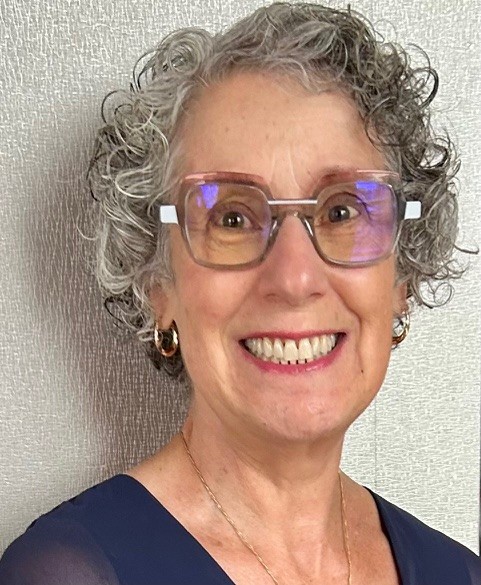 Barbara Klipper is a retired public librarian who has been an advocate for people with developmental disabilities in libraries since the early 2000s. She is the author or Programming for Children and Teens with Autism Spectrum Disorder (ALA, 2014), and co-author with Carrie Banks of several book chapters as well as Library Programming for Adults with Developmental Disabilities (ALA, 2021). She created the “Autism Welcome Here: Library Programs, Services, and More grant, which funded innovative programs and services over a five-year period.
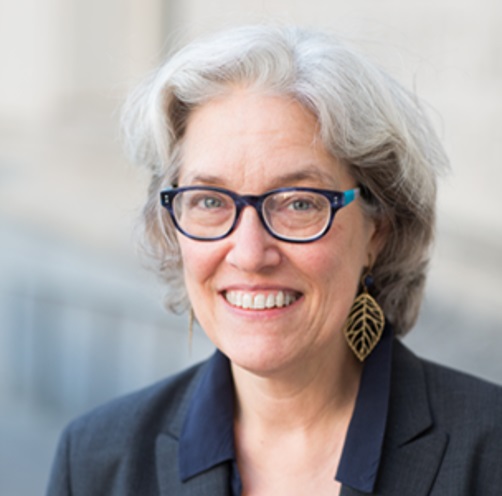 Carrie Banks runs Brooklyn Public Library’s services to children and teens with disabilities, Inclusive Services. Inclusive Services serves youth throughout Brooklyn in libraries, schools, hospitals, transitional housing facilities, group homes and detention centers. She taught Including Youth with Disabilities at Pratt Institute. Active in ALA since 2000, she was ASGCLA’s President in 2020 and part of ALA President Loida Garcia-Febo’s EDI Presidential Team. Publications include revising Including Families of Children with Special Needs: A How to Do It Manual for Librarians, Libraries and Garden: Growing Together, with Cynthia Mediavilla, and Library Programming for Adults with Developmental Disabilities, with Barbara Klipper. She is currently working on a book on libraries disrupting the school to prison pipeline.
Location: Online via Zoom
2/4/2025
Recorded 2/4/25Offering programs for a subset of adults with DD is a great start, but it’s time to reach out to neurodiverse patrons in an evidence based, more holistic, and systemic way.
In this webinar, the authors of Library Programming for Adults with Developmental Disabilities will lead a discussion on:
- How to identify and overcome barriers to inclusive programming
- How to create a library-wide culture of inclusion
- How to design and implement fun and exciting programs that work for patrons both with and without disabilities, and more.
Learning Objectives:
- Participants will be able to list three techniques they can use to make their adult programs more inclusive and accessible.
- Participants will be able to demonstrate knowledge of the various stakeholders in successful programming and at least two ways they can involve self-advocates and community partners.
- Participants will be able to identify at least three program models and how they can bring these to their own libraries.
Barbara Klipper is a retired public librarian who has been an advocate for people with developmental disabilities in libraries since the early 2000s. She is the author or Programming for Children and Teens with Autism Spectrum Disorder (ALA, 2014), and co-author with Carrie Banks of several book chapters as well as Library Programming for Adults with Developmental Disabilities (ALA, 2021). She created the “Autism Welcome Here: Library Programs, Services, and More grant, which funded innovative programs and services over a five-year period.Carrie Banks runs Brooklyn Public Library’s services to children and teens with disabilities, Inclusive Services. Inclusive Services serves youth throughout Brooklyn in libraries, schools, hospitals, transitional housing facilities, group homes and detention centers. She taught Including Youth with Disabilities at Pratt Institute. Active in ALA since 2000, she was ASGCLA’s President in 2020 and part of ALA President Loida Garcia-Febo’s EDI Presidential Team. Publications include revising Including Families of Children with Special Needs: A How to Do It Manual for Librarians, Libraries and Garden: Growing Together, with Cynthia Mediavilla, and Library Programming for Adults with Developmental Disabilities, with Barbara Klipper. She is currently working on a book on libraries disrupting the school to prison pipeline.Location: Online via Zoom
2/19/2025
Race and racism are significant parts of our society and shape the way it works. Participants will explore their own understandings, discuss how racism is upheld through policy and practice, and develop strategies to disrupt it.
Presenters:
Katie Mattise (they/them pronouns) joined Kent State in 2016, first serving as program coordinator and later as assistant director of the LGBTQ+ Center. Through this position, Katie worked across Kent State to educate, advocate and be a resource to the LGBTQ+ community. Prior to Kent State, they worked at various universities in residence life. Katie now serves as a director in the Division of People, Culture, and Belonging. Through this role, they work with others to create, provide and facilitate opportunities for people to engage in meaningful conversation around various social justice topics.
Katie earned a Bachelor of Arts from the University of Pittsburgh in English Literature and a Master of Science in Cultural Foundations of Education from Syracuse University. Katie’s passion lies in social justice, and they are excited to collaborate with Kent State stakeholders, on and off campus.
Shaunte Rouse was born and raised in Northeastern Ohio. She has a Bachelor of Arts in Psychology and Music from Bowling Green State University and a Master of Education degree in College Student Personnel from Ohio University. During her professional experience in Higher Education, Shaunte developed expertise in areas including strategic partnership cultivation, student advocacy, advising, mentoring, strategic planning, and data-driven decision-making.
Shaunte has spearheaded initiatives aimed at removing barriers and advocating for policy changes to better support students, faculty, and staff at various higher education institutions. One of her key accomplishments includes the creation and facilitation of college-based diversity and inclusion committees at different institutions, which played a vital role in fostering a culture of inclusion on campuses.
Shaunte Rouse is passionate about creating inclusive and equitable spaces within Higher Education. She is committed to continuing this important work to drive positive change in our institutions and communities.
Location: Online via Zoom
3/20/2025
We are excited to start this new Diversity, Equity, Inclusion, & Accessibility networking group. Here is an opportunity to share your challenges and successes with your peers. This meeting will be held through Zoom which is user friendly to all devices. You will receive a link in your confirmation email a reminder 2 hours before the meeting. We hope you will join us. Please send agenda items/questions to Melissa Lattanzi.
Location: Online via Zoom
5/22/2025 - 5/23/2025
We are excited to announce the 2025 Directors' Retreat: Working Through Uncertainty – Strategies for Adaptation and Support . We will be returning to the Punderson Manor Lodge & Conference Center this year. The retreat will kick off with a light breakfast on Thursday, May 22nd at 9:00 a.m. - the perfect time to catch up with your peers. The workshop will begin at 10 a.m. starting with Pursuing Inclusion in an Anti-DEI Political Climate. The afternoon will focus on working in these uncertain times and how to take care of yourself and support your staff. We will conclude the first day at 4:00 p.m. Dinner will be at 6:00 p.m. with the tradition of rich conversations to follow. The second day will start with breakfast at 8:00 a.m. followed by a Facilitated Discussion: Turning Insights into Action. We will conclude at noon with a quick lunch.
Thursday Morning, May 22nd:
Pursuing Inclusion in an Anti-DEI Political Climate
As political headwinds shift and Diversity, Equity, and Inclusion (DEI) efforts become subject to new restrictions, some organizations are left wondering what actions they are and are not allowed to take. In this session, we take a look at the current political landscape & legal realities facing DEI work. Participants will examine what effective DEI work is and is not and will how Diversity, Equity, and Inclusion efforts should raise the tide for all. The session will cover some common pushback & misconceptions about DEI efforts. Finally, participants will discuss how various elements of Diversity, Equity, and Inclusion realistically fit into their efforts to create healthy organizations.
Learning Objectives:
- Review the current political landscape & legal realities facing DEI work
- Examine what effective DEI work is and is not
- Discuss common pushback & misconceptions about DEI efforts
 Mark Swaim-Fox, President and CEO, The Diversity Center of Northeast Ohio
Mark Swaim-Fox has spent the last 18 years as the Executive Director of the Cleveland chapter of Facing History & Ourselves, a national nonprofit organization that uses lessons of history to challenge teachers and their students to stand up to bigotry and hate. He was responsible for strategic planning, programming, external relationship building, fundraising, and team development.
Mark also serves as the Chairperson of the Ohio Holocaust and Genocide Memorial and Education Commission, which consists of 15 members who are appointed by the Governor.
Mark began his career as a history teacher and is deeply committed to education. Mark joined The Diversity Center of Northeast Ohio in September 2024 and is passionate about the Diversity Center's work, which is committed to creating communities where all people are connected, respected, and valued.
Afternoon Session: Workplace Wellness
In today’s ever-changing work environment, managing stress, uncertainty, and mental well-being is more important than ever. This presentation will explore strategies for maintaining your own mental health, supporting employees’ well-being, and fostering a resilient workplace culture. Attendees will gain practical tools to navigate heightened stressors, promote open conversations about mental health, and implement workplace wellness practices that benefit both individuals and organizations.
Learning Objectives:
- Recognize and Manage Personal Stressors – Identify common workplace stressors and learn strategies to maintain personal mental well-being.
- Support Employee Mental Health – Develop skills to foster a supportive work environment, recognize signs of mental health challenges in employees, and provide appropriate resources and accommodations.
- Build Resilience and Workplace Wellness Strategies – Implement practical techniques to create a culture of wellness and improve team morale.
 Presenter: Katie Jenkins, Executive Director, NAMI Greater Cleveland
Katie Jenkins is a passionate mental health advocate, experienced public servant, lifelong student, and mother.
Her extensive professional background includes roles spanning every area of the mental health sector. Katie's guiding principle is rooted in empathy, compassion, and the belief that everyone deserves a high-level quality of life. She is dedicated to breaking down barriers and ensuring that no one faces their challenges alone.
Katie currently serves as a Vice-Chair of NAMI National's Executive Director Council's Executive Committee and is Chair of the NE Ohio Hub Steering Committee of the Mental Health and Addiction Advocacy Coalition. Katie is also a proud board member of R.A.K.E.
In May 2024, Katie graduated from Youngstown State University with a Master of Social Work and is a licensed social worker through the State of Ohio. She currently holds a Bachelor of Arts in Environmental Studies, Master of Public Administration, and a Chemical Dependency Counselor Assistant license.
Friday, May 23rd:
Sharing Your Library’s Story
We all know libraries do amazing work. Unfortunately, they are often called upon to do that work with less and less. As a library director one of your primary responsibilities is to share the value of your library with stakeholders and ensure that everyone in your community understands the benefits that libraries offer. In this session we’ll discuss how you can use data, data visualization, storytelling, and the simple act of listening to uncover key strategies for effectively communicating what your library does and why it matters.
 Presenter: Jeff Regensburger is currently a Library Consultant and LSTA Coordinator at the State Library of Ohio. In that capacity, he administers the State Libraries' Grants to States LSTA funds and assists libraries who have been awarded LSTA funding. Prior to that, Jeff served 25 years at Worthington Libraries including time as an Adult Services Librarian, Supervisor, and 12 years as a Library Manager. Over the course of his career, Jeff has served on the State Library’s LSTA Advisory Council, OPLIN’s Content Advisory Committee, and OLC’s Management and Administration Division. Currently, Jeff serves on the Library Leadership Ohio Planning Committee and the ILEAD Ohio Planning Team.
Facilitated Discussion: Turning Insights into Action
Wrap up the 2025 Director's Retreat with an engaging discussion led by Ragan Snead, Executive Director of the Northeast Ohio Regional Library System. This session will provide an opportunity to reflect on key takeaways from the retreat and collaborate with peers to identify actionable steps you can implement at your library.
Location: Punderson Manor Lodge & Conference Center
11755 Kinsman Road
Newbury, OH 44065
There are currently 15 spots remaining out of 35
6/12/2025
Being intentional and inclusive in the design of your library’s communications, in both physical and digital library spaces, can support and enrich your library’s accessibility, diversity, and equity. The graphics, language, or format selected for communications provide an opportunity to create more welcoming spaces which reflect and represent your community’s diversity, including—but not limited to—race, gender, or neurodiversity. Explore the importance of inclusion and representation in design and take a fresh look at how your library’s signage, marketing materials, and online communication can contribute to a sense of belonging for all.
Learning Objectives:
- Define the concept of neurodiversity and recommend strategies for improving web presence to support inclusivity,
- Explore the importance of representation in design and consider options for including diverse representation,
- Consider the impact language can have on both online and in-person communication and propose tools for improvement.
Presenter:
 Mollie Peuler is the Elearning librarian at Appalachian State University. In this role, Mollie works to curate, design, and assess online learning objects and tools that support the flexible teaching and learning of information literacy concepts. Her research interests include instructional design, design justice, and inclusive design. Mollie received her MLIS from Florida State University and a Master of Education in Training and Development from North Carolina State University.
Location: Online via Zoom
6/12/2025
 Recorded 6/12/25
Being intentional and inclusive in the design of your library’s communications, in both physical and digital library spaces, can support and enrich your library’s accessibility, diversity, and equity. The graphics, language, or format selected for communications provide an opportunity to create more welcoming spaces which reflect and represent your community’s diversity, including—but not limited to—race, gender, or neurodiversity. Explore the importance of inclusion and representation in design and take a fresh look at how your library’s signage, marketing materials, and online communication can contribute to a sense of belonging for all.
Learning Objectives:
- Define the concept of neurodiversity and recommend strategies for improving web presence to support inclusivity,
- Explore the importance of representation in design and consider options for including diverse representation,
- Consider the impact language can have on both online and in-person communication and propose tools for improvement.
Presenter:
Mollie Peuler is the Elearning librarian at Appalachian State University. In this role, Mollie works to curate, design, and assess online learning objects and tools that support the flexible teaching and learning of information literacy concepts. Her research interests include instructional design, design justice, and inclusive design. Mollie received her MLIS from Florida State University and a Master of Education in Training and Development from North Carolina State University.
Location: Online via Zoom
7/30/2025
How can you support neurodivergent colleagues and staff? How can you advocate for your own needs as a neurodivergent person? This presentation will discuss some of the experiences of neurodivergent library workers and barriers to inclusion that exist in many libraries. Leave with meaningful practices you can build into your management or work style to foster a culture of neuroinclusion at your workplace.
Learning Objectives:
- Attendees will understand relevant language and information to discuss disabilities and neurodiversity.
- Attendees will learn at least five unique needs of neurodivergent colleagues and staff may have in your organization.
- Attendees will gather at least five strategies and practices for supporting neurodivergent individuals at your workplace.
 Renee Grassi, Librarian and Accessibility Consultant Speaker
Librarian, author, trainer, administrator, teacher, and consultant Renee Grassi is an advocate for equity, diversity, inclusion, and accessibility in libraries, schools, and communities. As a neurodivergent librarian herself, Renee has worked in public libraries for nearly twenty years, developing award-winning library initiatives that welcome, support, and welcome disabled residents and their families and caregivers. Learn more at reneegrassi.com.
Location: Online via Zoom
7/30/2025
 Recorded 7/30/25
How can you support neurodivergent colleagues and staff? How can you advocate for your own needs as a neurodivergent person? This presentation will discuss some of the experiences of neurodivergent library workers and barriers to inclusion that exist in many libraries. Leave with meaningful practices you can build into your management or work style to foster a culture of neuroinclusion at your workplace.
Learning Objectives:
- Attendees will understand relevant language and information to discuss disabilities and neurodiversity.
- Attendees will learn at least five unique needs of neurodivergent colleagues and staff may have in your organization.
- Attendees will gather at least five strategies and practices for supporting neurodivergent individuals at your workplace.
Renee Grassi, Librarian and Accessibility Consultant SpeakerLibrarian, author, trainer, administrator, teacher, and consultant Renee Grassi is an advocate for equity, diversity, inclusion, and accessibility in libraries, schools, and communities. As a neurodivergent librarian herself, Renee has worked in public libraries for nearly twenty years, developing award-winning library initiatives that welcome, support, and welcome disabled residents and their families and caregivers. Learn more at reneegrassi.com.
Location: Online via Zoom
10/14/2025
We’re excited to unveil a fresh approach to professional connection and collaboration. Our traditional networking meetings are now Active Learning Communities—dynamic spaces designed for shared learning, real conversation, and practical support.
Join your peers to exchange ideas, celebrate successes, and discover new solutions to common challenges. You'll also get a guided introduction to our new message boards, which will help keep the conversation going long after the meeting ends.
This meeting will be held through Zoom which is user friendly to all devices. You will receive a link in your confirmation email a reminder 2 hours before the meeting. We hope you will join us. Please send agenda items/questions to Hillary Brown.
Location: Online via Zoom
10/21/2025
Neurodivergent librarians face unique challenges in the workplace, particularly as they climb the leadership ladder. In this honest and straightforward conversation rooted in her real-world experiences, Librarian and Accessibility Consultant Renee Grassi discusses lessons learned, navigating her nearly twenty years in libraries and thirteen years in management and administration. Whether you are a neurodivergent library leader yourself or supervise one as a Board Trustee, Director, or Manager, leave this presentation with new perspectives about the strengths and challenges of your neurodivergent peers and recommendations for advocacy and support.
Learning Objectives:
- Attendees will increase awareness about relevant language and information to discuss disabilities and neurodiversity through the lens of the speaker’s personal lived experiences.
- Attendees will understand the benefits of a strengths-based person-centered approach to supporting, managing, and supervising neurodivergent library leaders.
- “Attendees who identify as neurodivergent will leave with at least 5 strategies to assist themselves with being a neurodivergent leader.
Renee Grassi, Librarian and Accessibility Consultant SpeakerLibrarian, author, trainer, administrator, teacher, and consultant Renee Grassi is an advocate for equity, diversity, inclusion, and accessibility in libraries, schools, and communities. As a neurodivergent librarian herself, Renee has worked in public libraries for nearly twenty years, developing award-winning library initiatives that welcome, support, and welcome disabled re
Location: Online via Zoom
10/21/2025
Recorded 10/21/25Neurodivergent librarians face unique challenges in the workplace, particularly as they climb the leadership ladder. In this honest and straightforward conversation rooted in her real-world experiences, Librarian and Accessibility Consultant Renee Grassi discusses lessons learned, navigating her nearly twenty years in libraries and thirteen years in management and administration. Whether you are a neurodivergent library leader yourself or supervise one as a Board Trustee, Director, or Manager, leave this presentation with new perspectives about the strengths and challenges of your neurodivergent peers and recommendations for advocacy and support.
Learning Objectives:
- Attendees will increase awareness about relevant language and information to discuss disabilities and neurodiversity through the lens of the speaker’s personal lived experiences.
- Attendees will understand the benefits of a strengths-based person-centered approach to supporting, managing, and supervising neurodivergent library leaders.
- “Attendees who identify as neurodivergent will leave with at least 5 strategies to assist themselves with being a neurodivergent leader.
Renee Grassi, Librarian and Accessibility Consultant SpeakerLibrarian, author, trainer, administrator, teacher, and consultant Renee Grassi is an advocate for equity, diversity, inclusion, and accessibility in libraries, schools, and communities. As a neurodivergent librarian herself, Renee has worked in public libraries for nearly twenty years, developing award-winning library initiatives that welcome, support, and welcome disabled re
Location: Online via Zoom
10/23/2025
LGBTQ+ Cultural Competence Training is designed to foster safer, more inclusive communities for people of all sexual orientations and gender identities. This training equips participants with the knowledge and tools to recognize and address bias, understand current terminology, and engage in respectful and informed conversations around gender and sexuality. Upon completion, participants are invited to display a Safe Space Ally sign in their workspace—demonstrating visible support for the LGBTQ+ community and a commitment to inclusion.No matter where you work or live, if you interact with others, you’re likely to engage with individuals who identify as part of the LGBTQ+ community. Having a foundational understanding of inclusive language and what it means to be a supportive ally isn’t just helpful—it’s essential for fostering respect, equity, and belonging for everyone.
Learning Objectives:
- Develop greater self-awareness of personal beliefs, stereotypes, and assumptions related to LGBTQ+ individuals.
- Increase comfort and confidence in discussing concepts and using inclusive language related to sexual orientation and gender identity.
- Gain knowledge of resources and services that support LGBTQ+ individuals and their allies.
- Explore opportunities to build a network of community support that embraces all people, regardless of sexual orientation, gender identity, or gender expression.
Presenter:
Ken Ditlevson is a dedicated trainer and facilitator specializing in LGBTQ+ education and advocacy. He served as the inaugural Director of Kent State University’s LGBTQ+ Center, a position he held for nearly 11 years. In this role, Ken led numerous initiatives to support LGBTQ+ students, staff, and faculty, building a more inclusive campus environment.Ken is a two-time graduate of Kent State University, holding a Bachelor of Arts in Psychology and a Master of Education in Community Counseling. Before joining Kent State, he spent nearly two decades working in mental health and social services, most recently serving as Assistant Vice President at Child Guidance & Family Solutions in Akron, Ohio.
A passionate advocate, Ken has received numerous awards for his leadership in LGBTQ+ advocacy and for developing innovative programs that foster inclusion and community support. He lives in the Highland Square/West Akron area with his husband of 25 years and their two dogs, Luna and Piper.
Location: Twinsburg Public Library
10050 Ravenna Rd.
Twinsburg, OH 44087
11/12/2025
How can you create neuroinclusive library experiences for your users? This presentation will discuss ways to make programs, collections, and services more accessible for neurodivergent people. Leave with ideas for how to create a welcoming environment at your library and an understanding of how to support neurodivergent people across the age span.
Learning Objectives:
- Attendees will understand relevant language and information to discuss disabilities and neurodiversity.
- Attendees will gather at least five strategies to make their approach to customer service more welcoming to neurodivergent users.
- Attendees will learn at least five ideas to make library programs, collections, and services more inclusive to neurodivergent users
Renee Grassi, Librarian and Accessibility Consultant SpeakerLibrarian, author, trainer, administrator, teacher, and consultant Renee Grassi is an advocate for equity, diversity, inclusion, and accessibility in libraries, schools, and communities. As a neurodivergent librarian herself, Renee has worked in public libraries for nearly twenty years, developing award-winning library initiatives that welcome, support, and welcome disabled residents and their families and caregivers. Learn more at reneegrassi.com.
Location: Online via Zoom
11/12/2025
Recorded 11/12/25How can you create neuroinclusive library experiences for your users? This presentation will discuss ways to make programs, collections, and services more accessible for neurodivergent people. Leave with ideas for how to create a welcoming environment at your library and an understanding of how to support neurodivergent people across the age span.
Learning Objectives:
- Attendees will understand relevant language and information to discuss disabilities and neurodiversity.
- Attendees will gather at least five strategies to make their approach to customer service more welcoming to neurodivergent users.
- Attendees will learn at least five ideas to make library programs, collections, and services more inclusive to neurodivergent users
Renee Grassi, Librarian and Accessibility Consultant SpeakerLibrarian, author, trainer, administrator, teacher, and consultant Renee Grassi is an advocate for equity, diversity, inclusion, and accessibility in libraries, schools, and communities. As a neurodivergent librarian herself, Renee has worked in public libraries for nearly twenty years, developing award-winning library initiatives that welcome, support, and welcome disabled residents and their families and caregivers. Learn more at reneegrassi.com.
Location: Online via Zoom
2/17/2026
Join your peers to exchange ideas, celebrate successes, and discover new solutions to common challenges.
This meeting will be held through Zoom which is user friendly to all devices. You will receive a link in your confirmation email a reminder 2 hours before the meeting. We hope you will join us. Please send agenda items/questions to Hillary Brown.
Location: Online via Zoom
2/24/2026
Recorded: 2/24/26
The term “neurodiversity” refers to the infinite variation in brain functioning that leads to differences in thinking, attention, memory, and communication. Some neurodivergent individuals have differences in executive functioning skills like time management, and as a result, need different support and accommodations in the workplace. In this presentation, learn about time management from a neurodivergent lens. Whether you are neurodivergent or you are a supervisor to someone who is, this webinar will provide concrete strategies to support time management in the workplace.
- Learn why neurodivergent individuals, such as people with Autism and ADHD, have differences in time management skills
- Understand key concepts, such as tachyosychia, time blindness, and executive functioning
- Gain 6-8 concrete strategies to support and make accommodations for neurodivergent individuals with time management in the workplace
- Learn about 3-5 tools that neurodivergent individuals can use in the workplace to support effective time management
Renee Grassi, Librarian and Accessibility Consultant SpeakerLibrarian, author, trainer, administrator, teacher, and consultant Renee Grassi is an advocate for equity, diversity, inclusion, and accessibility in libraries, schools, and communities. As a neurodivergent librarian herself, Renee has worked in public libraries for nearly twenty years, developing award-winning library initiatives that welcome, support, and welcome disabled residents and their families and caregivers. Learn more at reneegrassi.com.
Location: Online via Zoom
2/24/2026
The term “neurodiversity” refers to the infinite variation in brain functioning that leads to differences in thinking, attention, memory, and communication. Some neurodivergent individuals have differences in executive functioning skills like time management, and as a result, need different support and accommodations in the workplace. In this presentation, learn about time management from a neurodivergent lens. Whether you are neurodivergent or you are a supervisor to someone who is, this webinar will provide concrete strategies to support time management in the workplace.
Learning Objectives:- Learn why neurodivergent individuals, such as people with Autism and ADHD, have differences in time management skills
- Understand key concepts, such as tachyosychia, time blindness, and executive functioning
- Gain 6-8 concrete strategies to support and make accommodations for neurodivergent individuals with time management in the workplace
- Learn about 3-5 tools that neurodivergent individuals can use in the workplace to support effective time management
Renee Grassi, Librarian and Accessibility Consultant SpeakerLibrarian, author, trainer, administrator, teacher, and consultant Renee Grassi is an advocate for equity, diversity, inclusion, and accessibility in libraries, schools, and communities. As a neurodivergent librarian herself, Renee has worked in public libraries for nearly twenty years, developing award-winning library initiatives that welcome, support, and welcome disabled residents and their families and caregivers. Learn more at reneegrassi.com.
Location: Online via Zoom