Northeast Ohio Regional Library System
 2019 Emerging Tech Symposium: AR/VR- Immersive Realities
6/6/2019
The 2019 Emerging Tech Symposium will focus on exposing library staff interested in emerging technologies to a broad array of possibilities. The day-long format of the Symposium will include two speakers and four breakout sessions as well as a poster session, and will conclude with a panel discussion. Breakout sessions will be scheduled so that every attendee may attend three different sessions.
Opening Session:
Mastering the 3D Content Pipeline:
Curating, Implementing, and Assessing Impactful AR/VR Experiences
Libraries at all levels are beginning to curate large amounts of 3D content that can positively impact teaching and learning when deployed in AR/VR environments. But, while headset hardware is becoming more affordable, it can be difficult to develop customized software that leverages this content effectively. This talk will explore a variety of content creation tools, content repositories, and output mechanisms (like 3D printing) relevant to AR/VR implementation strategy. Multiple on-the-ground case studies will be discussed, and participants will come away with information that can be used to create successful immersive visualization facilities within their own organizations.
Learning Objectives:
- Explore a variety of tools for creation
- Discuss many case studies
- You will leave with ideas for immersive visualization in your library
Presenter:
Matt Cook is Head of Emerging Technologies for University of Oklahoma Libraries. In his role as educational technologist, he has co-founded multiple University makerspaces and earned Campus Technology “Innovator” and “Education Futurist” awards and has been named a Library Journal “Mover & Shaker.” Matt has developed and deployed beacon-based indoor navigation applications, interactive mindfulness technology, and a custom designed virtual reality workstation, all of which have been adopted by multiple educational institutions. Matt has published and presented widely on the topic of virtual reality, including papers on the impact immersive visualization tools have on library browsing, learning, and classroom implementation strategies.
Breakouts Sessions
You will have the opportunity to attend three breakout sessions.
Accessing Virtual Reality in the Library
Virtual reality (VR) is an emerging technology with the potential to enhance many professions and disciplines, but it presents challenges in creating scaled access, designing useful learning spaces, and providing support to students and instructors. This session will look at ways of providing access to virtual reality in library spaces, and integrating VR tools into lending workflows. We will discuss tools from various price points to address differing budgets. Pete Schreiner from NCSU Libraries will share practical insights from two years of experimenting with VR services, opening VR learning spaces, and lending VR equipment.
Learning Objectives:
- Learn ways to provide virtual reality in your library space
- Learn about VR tools and lending workflows
- Hear about lessons learned along the way
Presenter:
Pete Schreiner is the Research Librarian for Design at North Carolina State University Libraries in Raleigh, NC. As a 2016 NCSU Libraries Fellow, he spent two years leading the Libraries’ immersive technologies initiative by supporting VR technologies in library learning spaces and lending services. Prior to NCSU, he worked in Special Collections & Archives at Lewis & Clark College in Portland, OR. Before librarianship Pete ran a carpentry business, worked in media and design, and was a touring musician. He earned his MLS from Emporia State University and BFA from Indiana University.
Emerging Tech Lab and Vendor Displays
Here is your opportunity to test out VR in NEO-RLS’s Emerging Tech Lab and see what other vendors have to offer.
Facilitators: Holly Klingler, Research and Innovation Coordinator, XRlibraries, and other vendors TBA
Augmented Reality: Programming That's Captivating
Since the release of Pokémon Go Augmented Reality is more recognizable with library customers of all ages. How can libraries use augmented reality outside of Pokémon programs? Programmers at the Tuscarawas County Public Library System have been creating innovative and engaging programs for younger library customers (that can be done with adults too) using augmented reality. This program will explore different apps used to make programs come alive. Everything from making artwork to instructing customers in how to create their own AR to recreating Mr. Lemoncello's Library (adapted from the children's book Escape from Mr. Lemoncello's Library by New York Times Bestselling Author Chris Grabenstein). The success of these programs helped initiate a system wide augmented reality scavenger hunt, for all ages, during summer reading 2016.
Learning Objectives:
- Able to identify different types of Augmented reality apps
- Ability to adapt and use different AR in programming
- Hands on AR practice
Jessica Conley is the Bolivar Branch Supervisor of the Tuscarawas County Public Library System. She has been working in the stacks for over 8 years and loves working with the public. When at work you can find her anywhere from adult crafting classes to storytimes at the local schools. She loves coffee, children's literature, cozy mysteries and exploring new technology.
Virginia Wright is a 20 year veteran of the Tuscarawas County Library System. She currently holds the library's Emerging Technology Associate position, where she helps train the staff and public on different trending technology topics. She is an advocate of continual learning throughout your life time and is avid user of the library's digital services apps, she especially loves Hoopla.
One additional breakout sessions to be announced
Afternoon Session:
XR (Augmented, Virtual and Mixer Reality) programming in libraries: Integrating immersive media into library collections
XR Immersive media; virtual, augmented and mixed reality media is being introduced into libraries. Each offers patrons experiences with different technology standards, resources and staffing requirements. We discuss implementations in California, Washington and Nevada libraries. Setup, installation, staff training and XR media collection development will be reviewed. Best practices will be shared and a roadmap for libraries to use in integrating XR into library collections. A review of emerging XR wireless hardware and software applications in immersive design and experience.
Learning Objectives:
- Hear about implementation of VR in various libraries
- Best Practices will be shared
- Receive a roadmap to use in integrating XR into your collection
- Review of XR wireless hardware and software
John MacLeod has worked for the last 25 years making technology available and accessible to the community through his non-profit New Media Learning. His startup tech background with Autodesk helped him understand the power these tools have for people to create the future.
He started XRLibraries in 2016 to begin installing virtual and augmented reality programming in libraries. He coordinates the California Virtual Reality Experience Grant for State Librarian Greg Lucas. 200 VR systems have been installed in underserved libraries, making this the largest VR installation in public library networks.
He continues to build a national network of libraries to share best practices in the use of XR technologies. Libraries are now beginning to create and archive XR content documenting the unique character and voice of their communities.
The concluding panel discussion will provide time for additional questions and answers.
Location: Hilton Garden Inn
8971 Wilcox Dr
Twinsburg, OH 44087
This class was a popular class and it is full. Please email Melissa Lattanzi, lattanzm@neo-rls.org to be put on a waiting list and an additional class may be added for the future.
8/28/2014
Geographic Member/Other Cost: $50
Full/CE Member Cost: $25
Augmented reality sounds strange and right out of science fiction, but it is actually very real, and also very much a part of your library today. Learn about what augmented reality is and how it works. Discover how it is already in and a part of your library collection today, and how it will continue to show up more and more around us.
Presenter: Holly Klingler, Emerging Technologies Librarian
Location: Online
Via Adobe Connect
There are currently 95 spots remaining out of 100
2/5/2015
Geographic Member/Other Cost: $170
Full/CE Member Cost: $85
- Stow-Munroe Falls Public Library Augmented Reality Campaign
- Computational thinking for children and adults learning coding
- Holly Klingler shares what's hot at the Consumer Electronics Show
- See what is new in NEO's Tech Lab
Location: New NEO Office
1580 Georgetown Rd.
Hudson, OH 44236
There are currently 5 spots remaining out of 35
3/3/2015
Geographic Member/Other Cost: $50
Full/CE Member Cost: $25
If you have been wondering what the fuss about makerspaces is all about or wonder how this could fit with public library service, bring your questions and get some answers. We will cover current makerspace trends, what models other libraries are using, and what type of programming is right for you.
Location: Online
Via Adobe Connect
There are currently 15 spots remaining out of 25
4/22/2015
Geographic Member/Other Cost: $50
Full/CE Member Cost: $25
Trends in the news and at the Consumer Electronics Show. Find out what's buzzing in your patrons ears and how the library can capitalize on that.
There are currently 70 spots remaining out of 75
5/5/2015
Geographic Member/Other Cost: $50
Full/CE Member Cost: $25
Learn about the power of harnessing groupthink as libraries across the country challenge their patrons and students to come together to accomplish a project.
Location: Online
Via Adobe Connect
There are currently 22 spots remaining out of 25
5/12/2015
Geographic Member/Other Cost: $50
Full/CE Member Cost: $25
You are more than aware that you need to be building a social community for your library, but with limited time and resources, HOW do you do that? And, where should you spend your time? Facebook, Twitter, Google+, Instagram, Flickr, Pinterest and Tumblr?
Location: Online
Via Adobe Connect
There are currently 18 spots remaining out of 25
5/28/2015
Geographic Member/Other Cost: $150
Full/CE Member Cost: $75
lunch on your own
Chatham Ewing,Digital Library Strategist, Cleveland Digital Public Library will share the facility and the planning that went into it along with time for hands-on application.
Location: Cleveland Public Library
325 Superior Ave. N.E.
Cleveland, OH 44114
There are currently 16 spots remaining out of 25
6/2/2015
Geographic Member/Other Cost: $50
Full/CE Member Cost: $25
YouTube is a perfect place for your library to start enhancing your marketing! Can you imagine the benefits to your library of having your video on the first page of YouTube or even Google?
Location: Online
Via Adobe Connect
There are currently 19 spots remaining out of 25
6/4/2015
Geographic Member/Other Cost: $50
Full/CE Member Cost: $25
Looking to tech up your teen space? Want to engage children with the latest technology but don’t know where to begin? Interested in using technology in your programming but you’re on a tight budget? Join us!
Location: Online
Via Adobe Connect
There are currently 23 spots remaining out of 30
9/23/2015
| Cost: $50 Cost w/ Bronze Discount $37.50 Cost w/ Silver Discount $25 Cost w/ Gold Discount FREE |
There has been a lot of buzz regarding health and health tracking technology. From fitness trackers to health and exercise apps to digital resources, it’s like having a doctor in your pocket or a click away.
Location: Online
Via Adobe Connect
There are currently 15 spots remaining out of 30
11/18/2015
Cost: $50
Cost w/ Bronze Discount $37.50
Cost w/ Silver Discount $25
Cost w/ Gold Discount FREE
(It’s never too late to save your library money. NEO Discounts are pro-rated! Call us today to sign up!)
What does a "Smart" home or office mean? Does it know when to turn on my lights and coffee? Does it allow me to interact with it? Can I control it from anywhere? And how can I make my home, office or library "Smart?" Smart devices can do all of these things! And because of this convenience, home/office automaton is skyrocketing in popularity.
Presenter: Holly Klingler, Emerging Technolgies Librarian
Location: Online
Via Adobe Connect
There are currently 33 spots remaining out of 50
12/2/2015
Cost: $50
Cost w/ Bronze Discount $37.50
Cost w/ Silver Discount $25
Cost w/ Gold Discount FREE
(It’s never too late to save your library money. NEO Discounts are pro-rated! Call us today to sign up!)
It’s that time of year again! It's the time that everyone begins their search to find the best toys for their loved one, friend, or even themselves. Learn about the new emerging tech products that your patrons may likely want, have questions about, or even bring into your library for assistance. Perhaps there may even be some fun, new emerging tech tools that you might consider for your library!
Location: Online
Via Adobe Connect
There are currently 34 spots remaining out of 50
12/2/2015
Cost: $50
Cost w/ Bronze Discount $37.50
Cost w/ Silver Discount $25
Cost w/ Gold Discount FREE
(It’s never too late to save your library money. NEO Discounts are pro-rated! Call us today to sign up!)
It’s that time of year again! It's the time that everyone begins their search to find the best toys for their loved one, friend, or even themselves. Learn about the new emerging tech products that your patrons may likely want, have questions about, or even bring into your library for assistance. Perhaps there may even be some fun, new emerging tech tools that you might consider for your library!
Location: Online
Via Adobe Connect
There are currently 35 spots remaining out of 50
2/11/2016
Cost: $165
Cost w/ Bronze Discount $127.50
Cost w/ Silver Discount $ 90
Cost w/ Gold Discount $ 15
Lunch included
(It’s never too late to save your library money. NEO Discounts are pro-rated! Call us today to sign up!)
At this year's Emerging Technologies Symposium:
- See a Tesla
- Hear about TV Whitespace,
- Learn how to handle learning and teaching technology at the same time
- Get updates from CES and NEO's Emerging Tech Lab.
Location: NEO Office
1580 Georgetown Rd.
Hudson, OH 44236
There are currently 3 spots remaining out of 30
4/6/2016
Cost: $80
Cost w/ Bronze Discount $60
Cost w/ Silver Discount $40
Cost w/ Gold Discount FREE
(It’s never too late to save your library money. NEO Discounts are pro-rated! Call us today to sign up!)
It’s a bird, it’s a plane…no, it’s the library drone! Drones have "soared" in popularity over the last several years and they continue to rise as they become more user friendly, more versatile and less expensive. But "drones" come in different shapes, sizes and uses. What are drones and how would our patrons and our library use them?
Location: NEO Office
1580 Georgetown Rd.
Hudson, OH 44236
There are currently 64 spots remaining out of 75
4/20/2016
Cost: $50
Cost w/ Bronze Discount $37.50
Cost w/ Silver Discount $25
Cost w/ Gold Discount FREE
(It’s never too late to save your library money. NEO Discounts are pro-rated! Call us today to sign up!)
Looking for some great new ideas for upcoming Teen Tech Week? Want to engage children with the latest technology but don’t know where to begin? Interested in using technology in your programming but you’re on a tight budget? Join us for this detailed webinar presentation showcasing some cool tech gadgets, websites and resources you can incorporate into your youth services programs!
Location: Online
Via Adobe Connect
There are currently 38 spots remaining out of 50
6/3/2016
Cost: $165
Cost w/ Bronze Discount $127.50
Cost w/ Silver Discount $ 90
Cost w/ Gold Discount $ 15
Lunch included
(It’s never too late to save your library money. NEO Discounts are pro-rated! Call us today to sign up!)
At this year's Emerging Technologies Symposium:
- See a Tesla
- Learn how to handle learning and teaching technology at the same time
- Get updates from CES and NEO's Emerging Tech Lab.
Location: NEO Office
1580 Georgetown Rd.
Hudson, OH 44236
There are currently 5 spots remaining out of 27
6/15/2016
Cost: $50
Cost w/ Bronze Discount $37.50
Cost w/ Silver Discount $25
Cost w/ Gold Discount FREE
(It’s never too late to save your library money. NEO Discounts are pro-rated! Call us today to sign up!)
Learn about the newest and greatest tech trends happening this year and beyond with tech info, pictures and stories brought straight to you from the biggest tech conference of the year, the Consumer Electronics Show. NEO has a great opportunity to partake in this great event and we bring news, newest tech examples and trends right to you!
Location: Online
Via Adobe Connect
There are currently 36 spots remaining out of 50
7/20/2016
Many of us carry our smart phones and tablets with us everywhere. We use them to send emails, connect with family and friends, and gather information. But do you know that they can be one of the most versatile and powerful productivity tools you own? It’s like carrying around an office in your pocket!
Learn some of the great office and productivity tools available as well as some fun tricks that these devices can do. From organizing and accessing valuable office material anywhere to creating a paper-free (but well-documented) work environment straight from your phone, you will discover that you can do almost anything from your device. It is even possible to have your work and project meetings anywhere directly on your phone or tablet without a loss of productivity. With your mobile device, the office is now wherever YOU are!
Competency: Emerging Technology
Presenter: Holly Klingler, Tech Crusader
Location: Online
Via Adobe Connect
There are currently 30 spots remaining out of 50
11/2/2016
Join us for our first Emerging Tech Chat! If you are involved with using or implementing emerging technology in your position, or you just plain like emerging technology and want to see what is going on with emerging tech in libraries, join us in our chat!
This will be an open forum so you can come with your own questions to ask, resources to share and advice to offer. Below are some initial questions we can consider:
- What emerging tech have you implemented or excited to implement into programming?
- What challenges have you faced regarding getting emerging tech into your library or department?
- What's has been your most useful resource in helping you learn or work with emerging technology?
- What is your favorite emerging tech tool or gadget that’s worked really well with your patrons?
We look forward to sharing our emerging tech ideas together!
Location: Online
Via Adobe Connect
There are currently 33 spots remaining out of 50
11/18/2016
It’s that time of year again! It's the time that everyone begins their search to find the best toys for their loved one, friend, or even themselves. Learn about the new emerging tech products that your patrons may likely want, have questions about, or even bring into your library for assistance. Perhaps there may even be some fun, new emerging tech tools that you might consider for your library!
Presenter: Holly Klingler, Research and Innovation Coordinator, NEO-RLS
There are currently 15 spots remaining out of 50
1/25/2017
From 7-minute workout apps fitness trackers that can save your life to a mobile EKG that can fit in your pocket, technology can help get us healthier and happier. The New Year is a time where many begin working towards a healthier lifestyle. Discover what devices can help motivate, track and even save your life. Learn about apps that can track and analyze, but also learn your habits to better fit your personal goals. From beginner tools that nudge you to push harder to advanced ones that can fit your healthy lifestyle, learn some brand new ways to get E-Healthy this brand New Year!
Attend this webinar and you can:
- Use part or all of the material in this presentation to put on your own patron programming (PowerPoint will be provided)
- Learn about ways to motivate and compete with fellow co-workers and staff
- Discover e-healthy tools that are best and right for YOU
Holly Klingler, Research and Innovation Coordinator, NEO-RLS
Location: Online
Via Adobe Connect
There are currently 36 spots remaining out of 50
4/4/2017
The Emerging Tech Symposium is a powerful and relevant program dedicated to creativity and invention by means of makerspaces and fablabs. The day will feature speakers discussing their projects, their partnerships, their goals and their hoped for outcomes. If you are interested in makerspaces and fablabs, are charged with creating and/or maintaining a makerspace or fablab, or are trying to figure out the role of a makerspace or fablab in your environment – this is the Symposium for you!
In addition, we will have a poster session on projects from our region’s libraries. For more information or to submit a poster, contact Holly Klingler, Research and Innovation Coordinator, at holly.klingler@neo-rls.org.
Marcus Brathwaite: Case Western Reserve’s Sears think[box]
Marcus Brathwaite graduated from the Cleveland Institute of Art in 2013 with a B.F.A. degree in Ceramics. As a member of the team his mission is to bridge the gap between science and the arts by facilitating and developing art experiences in and around think[box]. His artwork investigates the past, present and future of human relationships to technology.
Jane Alexander: Cleveland Museum of Art:
Free to Move, Create and Engage: Designing Meaningful and Barrier-Free Digital Experiences with Museum Collections
Museums can employ innova3ve, ac3ve technology to develop barrier-free access to museum collec3ons. The Cleveland Museum of Art presents the new Studio Play interac3ve space as a case study for developing visitor-centered, visually-focused engagement. The new Studio Play is a manifesta3on of human-centered design, focusing on ways that screens can become irrelevant as users employ technology to further their crea3vity and curiosity. By focusing on technology as a plaeorm rather than technology for technology’s sake, we have a_empted to move past the screen-3me debate into kinesthe3c and ac3on-based experiences. Studio Play was designed to be barrier free; the transi3on between observa3on and interac3on is seamless and effortless. The touch-screen interfaces that may limit access for nonreaders or frustrate non-tech-savvy visitors are gone. Instead, the technology is exquisitely responsive to user movement and is accessible for all.
Jane Alexander is the Chief Informa3on Officer for the Cleveland Museum of Art. Jane is a member of the museum’s execu3ve team and is responsible for crea3ng, ongoing itera3on, and advocacy of a vision for innova3on, technology implementa3on and digital strategies best applied to Cleveland Museum of Art's (CMA) mission. Jane overseas the strategy, concept, design and implementa3on of interac3ve experiences, backend applica3ons and infrastructure design. In 2013, CMA completed Gallery One and the revolu3onary ArtLens mobile app that transformed the museum into one of the most technologically advanced and engaging art des3na3ons in the world. More recently, CMA launched Artlens 2.0 and the new Studio Play which uses innova3on in technology to enhance the visitor (of any age) experience with the museum’s collec3on. Jane recently completed a centennial exhibi3on app for the Arts and Stories from Mughal India exhibit that includes a tweetable text for every object in the exhibi3on. Currently, Jane is working on the concept for Gallery One 2.0 (June 2017).
Before moving to Cleveland, Jane developed and directed Columbia University’s acclaimed distance educa3on program, as well as the development of university-wide resources for instruc3onal technology and methodology. In Cleveland, Jane has worked on several high-profile projects, notably as the virtual Chief Technology Officer to the Great Lakes Science Center, as well as the technology design consultant to Frank Gehry's Peter B. Lewis Campus at Case Western Reserve University.
Jane is a na3ve New Yorker, with a BS and MS in Applied Mathema3cs as well as a BA in Architecture from Columbia University. She has two teenage daughters, Esme and Willa.
Twitter: @janecalexander
LinkedIn: https://www.linkedin.com/in/janealexander
Petra Gruber: University of Akron
Biomimicry Program Fablab at the University of Akron
Learn about the Biomimicry fablab as a physical space for education, research and development of innovation inspired by nature. Biomimetics as a discipline finds increasing recognition in academia and has started to be institutionalized at universities in programs and centers. The Biomimicry Research and Innovation Center was founded in 2012 at the University of Akron as an interdisciplinary venture for the advancement of innovation inspired by nature and is part of a larger community fostering the approach of biomimicry in the Great Lakes region of the US. The Biomimicry fablab ties into the existing maker space concept and creates the setting for interdisciplinary research and development carried out in the program.
Petra Gruber:
Dr. Petra Gruber is an architect with a strong interest in inter- and transdisciplinary design.
Apart from her professional work as an architect she holds a PhD in Biomimetics in Architecture from the Vienna University of Technology in Austria and collaborated as a research fellow at the Centre for Biomimetics at The University of Reading, UK. She taught Biomimetics in Energy Systems at the University of Applied Sciences in Villach, Austria and held lectures and workshops at universities worldwide. As a visiting professor for Architectural Design and Building Science she set up a master program in Advanced Architectural Design at the Addis Ababa University in Ethiopia.
Her research spans from projects for the European Space Agency on lunar base design informed by folding principles from nature to arts-based research on the translation of growth principles from nature into proto-architectural spatial solutions.
Dr. Gruber is based at the Myers school of Arts and the Department of Biology for the Biomimicry Research and Innovation Center BRIC.
Wayne Bartholomew: Public Library of Youngstown and Mahoning Co.
Makerspace at the Public Library of Youngstown and Mahoning County
Learn about the makerspaces of the Public Library of Youngstown and Mahoning County (PLYMC): past, present, and future! In this program, we will examine the library's former makerspace, called YOLO or Youngstown Ohio Learning Opportuni.es, a grant-funded learning lab which allowed par.cipants to earn badges by interac.ng with hands-on ac.vi.es and technology. We will then examine the PLYMC's new makerspace, which launches in the first quarter of 2017. Finally, we will look at technology that could be considered for future makerspaces. In this presenta.on, we will explore the various stages of making a makerspace: commi_ee planning, technology research, room construc.on, equipment configura.on, staff training, and public launch events. Addi.onally, we will review the challenges and successes that PLYMC faced during its first year providing makerspace customer service. Drawing from our experience with technology and public service, PLYMC want to help you iden.fy your customers' makerspace needs, to develop an approach to tech selec.on for your makerspace, and to prepare for the issues that arise when planning and implemen.ng a makerspace.
Wayne Bartholomew is the Emerging Technologies & Technical Training Liaison for the Public Library of Youngstown and Mahoning County. For the last six years, Wayne has researched new and innova.ve technologies for PLYMC, which have been used for staff development and public programming. Wayne has worked in IT as a computer instructor; engaging with library customers throughout Mahoning County, he taught a program series about basic personal compu.ng. As a member of PLYMC's public service team, Wayne oversaw a variety of programs and ini.a.ves. He designed mul.ple makerspaces and helped to implement and oversee PLYMC's Technology Playground and the YOLO makerspace. Wayne has been responsible for a number of evolu.onary technology pieces, such as PLYMC's first 3-D printers and tablet devices. He has coordinated virtual reference, eBook support, and sofware modules used for summer discovery programs. Addi.onally, Wayne has worked with commi_ees to establish technology competency standards for PLYMC staff. Wayne recently joined his library's programming team. Currently, he is responsible for designing public technology programs and tech training pieces for staff.
Cherie Bronkar: Kent State University
Makerspace at Kent State University: Tuscarawas
Cherie Bronkar will share her experiences creating a Makerspace to serve the university and the community. Makerspaces provide an amazing opportunity for creativity, innovation and research…along with a lot of fun. From choosing equipment to the goals of the Makerspace, Ms. Bronkar will relate the twists and turns in her journey to creating a successful Makerspace.
Bio- Cherie Bronkar- MLS
Cherie Bronkar has over 30 years’ experience in Ohio libraries and has been the Regional Library Director for Kent State University Tuscarawas since 2012. She oversees the Academic Learning Commons, Makerspace and the Federal Depository Collection for the Tuscarawas campus
Cherie received a $24,000 grant from the Federal Institute of Museum and Library Services, awarded by the State Library of Ohio, to create an academic Makerspace. She previously served as Head of User services at Muskingum University where she created a statewide yearly workshop series bringing together Academic Librarians and Library Media Specialists. Ms Bronkar also initiated the Malagasy People’s Library Project to promote English language skills in the public schools of Madagascar and currently serves on the OhioLINK Library Advisory Council, Council of Chairs and most recently contributed ‘Chapter 1-Creating a Library Makerspace’ for the upcoming ALA Publication “The Makerspace Librarian’s Sourcebook” edited by Ellyssa Kroski .
Location: Hilton Garden Inn
8971 Wilcox Dr
Twinsburg, OH 44087
There are currently 25 spots remaining out of 100
4/20/2017
This webinar will discuss the two most popular library apps: Overdrive and Hoopla. The webinar will cover the basics of setting up the apps on smartphones and tablets, information about the services, and basic troubleshooting tips.
Presenter: Melanie Wilson, Virtual Services Manager, Willoughby-Eastlake Public Library
Location: Online
Via Adobe Connect
There are currently 27 spots remaining out of 50
6/5/2017
The Emerging Tech Chat will be an open forum so you can come with your own questions to ask, resources to share and advice to offer. Share challenges, great ideas, experiences and more. Register today!
- What emerging tech program or event have you recently created or planning on creating?
- What recent challenges have you faced regarding getting emerging tech into your library or department?
- What's has been your most useful resource in helping you learn or work with emerging technology?
- What is your favorite emerging tech tool or gadget that’s worked really well with your patrons?
- Are you considering circulating any tech gadgets in your library? Why or why not?
We look forward to sharing our emerging tech ideas together!
Location: Online
Via Adobe Connect
There are currently 37 spots remaining out of 50
6/7/2017
Whether you or your patrons are traveling across the globe or exploring your own city, you can utilize digital apps to make your trip more convenient, informational and fun!
Learn about apps that can easily translate languages and text without knowing a single word in another language, easily create a jam-packed and informative itinerary that you can use without any internet access, find and book hotels, flights and events inexpensively and knowledgeably and much more.
Take your trip with confidence knowing you practically have a travel agent in your pocket!
In this webinar you will:
- Learn methods to efficiently use technology to optimize your trip
- Discover a variety of apps to manage your trip effectively and uniquely for your trip
- Be able to use this webinar to present to or inform your patrons.
Location: Online
Via Adobe Connect
There are currently 34 spots remaining out of 50
7/11/2017
Virtual reality is an emerging technology with radical potential for education, training, gaming, entertainment, and more. How can libraries provide access and support for users to get familiar with this technology? In this webinar we will look at a range of platforms, games and experiences, and strategies for mitigating the complexities of this quickly-evolving technology so patrons get the most out of it.
Presenter:Pete Schreiner is a Fellow at North Carolina State University Libraries in Raleigh, NC. Prior to NCSU, he was Assistant Archivist at Lewis & Clark College Special Collections and Archives, in Portland, Oregon. Before librarianship Pete ran a carpentry business, worked in media and design, and was a touring musician. Pete earned his MLS from Emporia State University in 2015.
Location: Online
You will be sent a link to login to the
There are currently 11 spots remaining out of 25
8/31/2017
This course presents an overview of eBooks and audiobooks. Topics include: installing the OverDrive Media Console app, creating an Adobe ID, and authorizing your device for EPUB titles. In the audiobooks side; the course will cover initial setup, individual library setup, search filtering, downloading of Audiobooks, and the built-in functionality of the OverDrive audio player using a step-by-step walkthrough approach for users.
Presenter: Matt Motes, Information Technologist, SEO Library Center
Location: NEO-RLS
1580 Georgetown Rd.
Hudson, OH 44236
There are currently 4 spots remaining out of 10
8/31/2017
This course offers an in-depth approach to troubleshooting common user and device problems associated with your digital content. This could include downloading, installing, playing, transferring, and much more. The course will also help staff assist users by gathering the “right” information from the user to help solve their problem.
Presenter: Matt Motes, Information Technologist, SEO Library Center
Location: NEO-RLS
1580 Georgetown Rd.
Hudson, OH 44236
There are currently 2 spots remaining out of 10
9/13/2017
Learn Microsoft OneNote with hands-on training. Microsoft OneNote is a digital notebook application for capturing, storing, and sharing all kinds of information. You will learn how to embed videos, take notes from the web, capture images, and more. You will also discover OneNotes’s cloud integration that you can take your notes and information wherever you go on nearly any mobile device, tablet, or browser.
Presenter: Matt Motes, Information Technologist, SEO Library Center
Location: NEO-RLS
1580 Georgetown Rd.
Hudson, OH 44236
There are currently 1 spots remaining out of 10
11/17/2017
It’s that time of year again! It's the time that everyone begins their search to find the best toys for their loved one, friend, or even themselves. Learn about the new emerging tech products that your patrons may likely want, have questions about, or even bring into your library for assistance. Perhaps there may even be some fun, new emerging tech tools that you might consider for your library!
Presenter: Holly Klingler, Research and Innovation Coordinator, NEO-RLS
Location: Online
Via Adobe Connect
There are currently 17 spots remaining out of 50
1/11/2018
 "Girls Who Code, the national non-profit dedicated to closing the gender gap in technology, is partnering with NEO-RLS Libraries! Join Hannah Simon Goldman, Ohio Regional Partnership Coordinator for GWC, for a quick half-hour webinar on Thursday, January 11th at 2:00p.m. to learn all you need to know about how to launch your own FREE after-school coding Club. In GWC Clubs, 6-12th grade girls use computer science skills to impact their community as they join our sisterhood of supportive peers and role models. Clubs are led by Facilitators, who can be volunteers from any background or field. Many Facilitators have NO coding experience and learn to code alongside their Club members! Come learn how easy it is to start your own Club, and ask questions to Ohio's GWC Regional Partnership Coordinator.
Clubs that sign up under the NEO-RLS partnership gain access to benefits like extra money from Clubs Fund grants, priority access to engagement opportunities like field trips and speakers, and more! Sign-up for Spring 2018 is open until the end of February, and sign-up for the 2018-19 school year will open mid-summer.
When you receive your confirmation of registration for this archive the link to the archive will be included in the confirmation email.
Location: Online
You will be sent a link to login to the
4/4/2018
 Real advice for real librarians! We all know that STEAM programming is important, but how practical is a coding club in a real library with limitations like budgets, space, and a staff who has never touched code before? Learn how one librarian took herself from coding newbie to successful educator running two coding clubs for grades 6-12.
This webinar addresses:
-
Real concerns and pitfalls
-
Best practices
-
Useful tools,
-
Why coding is important for ALL your patrons (hint--it has less to do with jobs and more to do with learning).
When you receive your confirmation of registration for this archive the link to the archive will be included in the confirmation email.
Location: Online
Via Adobe Connect
11/16/2018
It’s that time of year again! It's the time that everyone begins their search to find the best toys for their loved one, friend, or even themselves. Learn about the new emerging tech products that your patrons may likely want, have questions about, or even bring into your library for assistance. Perhaps there may even be some fun, new emerging tech tools that you might consider for your library!
Presenter: Holly Klingler, Research and Innovation Coordinator, NEO-RLS
Location: Online
Via Adobe Connect
There are currently 10 spots remaining out of 50
12/10/2018
Have you ever wanted your own personal assistant, one that can help you with everyday tasks and information as you need it? Today, this is possible with smart voice assistants! Devices and software like Amazon Alexa, Google Home and Siri are getting smarter every day and can help your patrons or even your library with useful information, entertainment, daily chores and tasks and much more.
Learning Objectives:
- Learn about the differences between these smart voice assistants and what makes them smart
- Discover what each of these do best and what assistant is best for you
- Learn how to make them work for you in the best way possible so that they can truly be the voice assistant that you can count on
Presenter:
Holly Klingler, Research and Innovation Coordinator, NEO-RLS
Location: Online
Via Adobe Connect
There are currently 20 spots remaining out of 75
11/15/2019
It’s that time of year again! It's the time that everyone begins their search to find the best toys for their loved one, friend, or even themselves. Learn about the new emerging tech products that your patrons may likely want, have questions about, or even bring into your library for assistance. Perhaps there may even be some fun, new emerging tech tools that you might consider for your library!
Presenter: Holly Klingler, Research and Innovation Coordinator, NEO-RLS
Location: Online via Adobe Connect
There are currently 27 spots remaining out of 75
2/19/2020
Want to engage children with the latest technology but don’t know where to begin? Interested in using technology in your programming but you’re on a tighter budget? Join us for the third annual Gadgets and Gizmos webinar. This popular, detailed webinar presentation will showcase some cool new tech gadgets, websites and resources you can incorporate into your youth services programs! You will also have an opportunity to share your technology successes and challenges with other attendees.
Learning Objectives:
- Discover the newest emerging technologies that are both affordable and useful for your library department or program
- Learn about ways to implement these technologies through available lesson plans and STEM programs and ideas
Presenter:
Holly Klingler, Research and Innovation Coordinator, Northeast Ohio Regional Library System
Location: Online
Via Adobe Connect
There are currently 32 spots remaining out of 75
5/20/2020
This year’s Symposium will look at some of the barriers that prevent widespread and sustained use of the makerspace and offer some solutions. The day will be interactive with something for anyone who is involved in the creation and success of a makerspace or its many variations. Janet Hollingsworth, Adam Watts and Zack Weaver, 2019 Library Journal Movers & Shakers, from BLDG 61, Boulder Public Library, will kick off the day talking about their space and how they designed their environment, their programming, their partnerships and their staff training. They will also talk about the inclusive opportunities they have created for a variety of communities that libraries haven’t always engaged.
Breakouts will include Amy Zell, MLIS graduate student, formerly at the Hubbard Public Library, speaking on the Maker Mindset Model that she has developed; Marian Fragola, Director, Program Planning & Outreach at North Carolina State University Libraries and a 2018 Library Journal Movers & Shakers, will talk about her Making Spaces series and efforts to be more inclusive, particularly in light of the issue of women’s underrepresentation in the Maker movement; and Gina Seymour, Library Media Specialist, Islip High School, NY, and a 2017 Library Journal Movers & Shakers, will take participants through her Make Care initiative which helps teens utilize their creative tendencies into products that go out into the community. Other breakouts will focus on the issues of staff training and engagement.
Location: Hilton Garden Inn
8971 Wilcox Dr
Twinsburg , OH 44087
There are currently 82 spots remaining out of 100
Keynote: Don't Panic! WE are going to MAKE it
9/3/2020
 Keynote: Don't Panic! WE are going to MAKE it
Janet Hollingsworth, Adam Watts and Zack Weaver, 2019 Library Journal Movers & Shakers, from BLDG 61, Boulder Public Library, will kick off the symposium talking about their space and how they designed their environment, their programming, their partnerships and their staff training. They will also talk about the inclusive opportunities they have created for a variety of communities that libraries haven’t always engaged.
BLDG 61 is the Boulder Public Library’s all-ages free community workshop that provides maker education and technology to the public in a creative and inclusive environment. Since it’s opening in February of 2016, BLDG 61 and a team of 5 “Creative Technologists” have engaged with over 250,000 people through their home space in Colorado, outreach to the surrounding region, national and international speaking engagements and hands on workshops. They are champions of equitable access for learning everything from spinning and weaving fibers, to fine woodwork, to state-of-the-art electronics and digital fabrication. And they’ve done all of this at no cost to their patrons. How?! Find out in this opening conversation with Adam Watts, Janet Hollingsworth and Zack Weaver, three of the people behind one of Boulder Public Library’s biggest success stories. The three will discuss their experiences, failures and successes on topics such as, what it was like to create, open and program BLDG 61, how programs can implement a community's diverse perspectives and foster accessibility, how to form mutually beneficial partnerships, how to foster a perspective of purposeful making, how to promote technological literacy and what does it take to be a Creative Technologist. They will also address the library makerspace’s role as a critical resource for economic recovery and social equalizer in particularly challenging times. The presentation will include an open Q&A and the trio will close the day’s events with a virtual Happy Hour to connect more deeply with the audience.
Presenters:
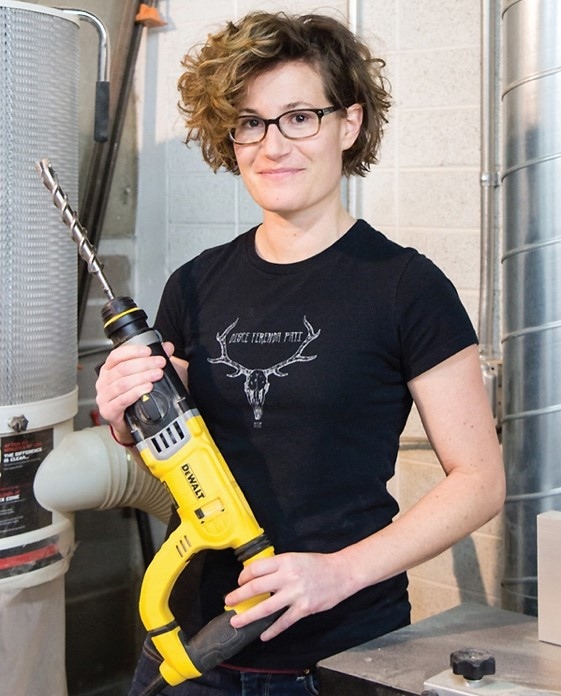 Janet Hollingsworth is a structural engineer, woodworker, and maker educator. She and Adam Watts co-founded BLDG 61, the all-ages makerspace at the Boulder Public Library in 2016 and added Zack Weaver to the team shortly thereafter. As a creative technologist, she curated and facilitated a variety of maker programs at BLDG 61, serving over 25,000 patrons annually. She also developed special apprenticeship programs for underrepresented youth, the blind/VI community, and individuals experiencing homelessness. She helped establish the Colorado Sewing Rebellion, supporting community activism through fiber arts; co-developed Space Camp, a program for educators and students to build, launch, track and retrieve high-altitude balloon packages to the edge-of-space to collect environmental data; and initiated paid internships for teens through the Build a Better Book project, creating multi-modal picture books for blind children using maker technologies.
She recently transitioned to director of innovation and making at the Washington Leadership Academy, a public charter school in Washington DC with a focus on computer science, maker education, and social justice.
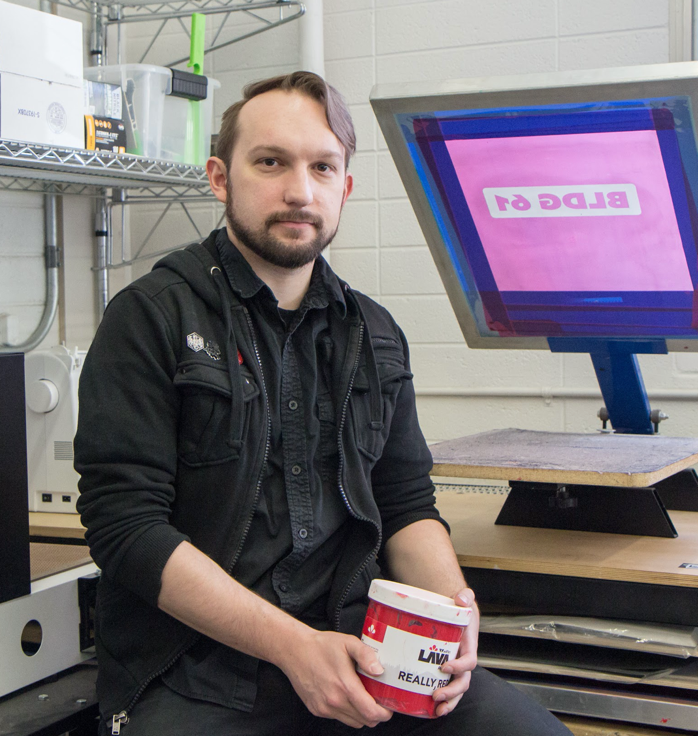 Adam Watts is a Creative Technologist and one of the grant writers responsible for the establishment of BLDG 61. He is also a professional illustrator, heavy metal bassist, and award winning tabletop game designer. He has worked in libraries for the past sixteen years, beginning in shelving and then holding various roles in circulation, reference, childrens, web development, and IT management. Last year, his team was honored amongst Library Journal's 2019 Movers and Shakers. He is an unrepentant geek and creature of the night.
 Twitter & Instagram: atomicwatts
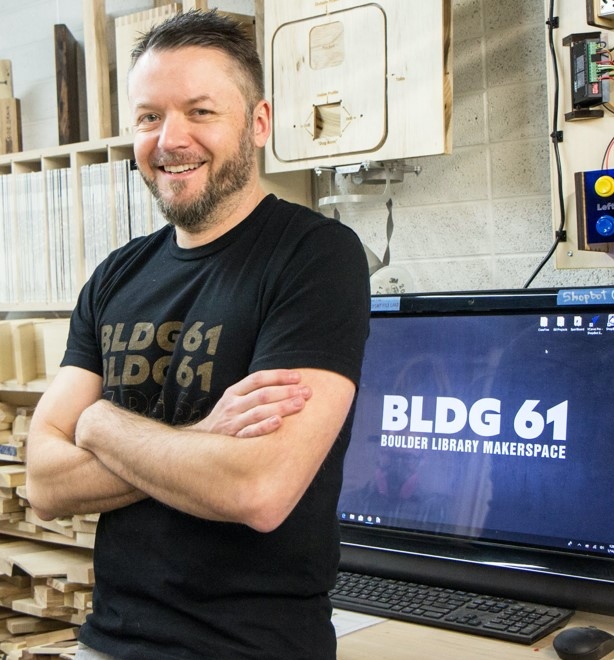 Zack Weaver is a Maker Educator and Creative Technologist at BLDG 61 and an instructor at Colorado University’s ATLAS Institute. His path to libraries was inspired by increasingly accessible tools, materials and processes for making and a passion for showing learners of all types and all ages their inherent creative potential. This path included teaching hands-on project-based design classes publicly and privately at the STAMPS School of Art and Design at the University of Michigan and CODE Lab at Carnegie Mellon School of Architecture. When joining the BLDG 61 team and Boulder Public Library in 2017, he knew he had finally found an equitable place to share the radical power of making with individuals and communities.
 Location: Online via Zoom
There are currently 64 spots remaining out of 100
9/3/2020
Keynote: Don't Panic! WE are going to MAKE itJanet Hollingsworth, Adam Watts and Zack Weaver, 2019 Library Journal Movers & Shakers, from BLDG 61, Boulder Public Library, will kick off the symposium talking about their space and how they designed their environment, their programming, their partnerships and their staff training. They will also talk about the inclusive opportunities they have created for a variety of communities that libraries haven’t always engaged.
BLDG 61 is the Boulder Public Library’s all-ages free community workshop that provides maker education and technology to the public in a creative and inclusive environment. Since it’s opening in February of 2016, BLDG 61 and a team of 5 “Creative Technologists” have engaged with over 250,000 people through their home space in Colorado, outreach to the surrounding region, national and international speaking engagements and hands on workshops. They are champions of equitable access for learning everything from spinning and weaving fibers, to fine woodwork, to state-of-the-art electronics and digital fabrication. And they’ve done all of this at no cost to their patrons. How?! Find out in this opening conversation with Adam Watts, Janet Hollingsworth and Zack Weaver, three of the people behind one of Boulder Public Library’s biggest success stories. The three will discuss their experiences, failures and successes on topics such as, what it was like to create, open and program BLDG 61, how programs can implement a community's diverse perspectives and foster accessibility, how to form mutually beneficial partnerships, how to foster a perspective of purposeful making, how to promote technological literacy and what does it take to be a Creative Technologist. They will also address the library makerspace’s role as a critical resource for economic recovery and social equalizer in particularly challenging times. The presentation will include an open Q&A and the trio will close the day’s events with a virtual Happy Hour to connect more deeply with the audience.
Presenters:
Janet Hollingsworth is a structural engineer, woodworker, and maker educator. She and Adam Watts co-founded BLDG 61, the all-ages makerspace at the Boulder Public Library in 2016 and added Zack Weaver to the team shortly thereafter. As a creative technologist, she curated and facilitated a variety of maker programs at BLDG 61, serving over 25,000 patrons annually. She also developed special apprenticeship programs for underrepresented youth, the blind/VI community, and individuals experiencing homelessness. She helped establish the Colorado Sewing Rebellion, supporting community activism through fiber arts; co-developed Space Camp, a program for educators and students to build, launch, track and retrieve high-altitude balloon packages to the edge-of-space to collect environmental data; and initiated paid internships for teens through the Build a Better Book project, creating multi-modal picture books for blind children using maker technologies.She recently transitioned to director of innovation and making at the Washington Leadership Academy, a public charter school in Washington DC with a focus on computer science, maker education, and social justice.
Adam Watts is a Creative Technologist and one of the grant writers responsible for the establishment of BLDG 61. He is also a professional illustrator, heavy metal bassist, and award winning tabletop game designer. He has worked in libraries for the past sixteen years, beginning in shelving and then holding various roles in circulation, reference, childrens, web development, and IT management. Last year, his team was honored amongst Library Journal's 2019 Movers and Shakers. He is an unrepentant geek and creature of the night. Twitter & Instagram: atomicwatts
Zack Weaver is a Maker Educator and Creative Technologist at BLDG 61 and an instructor at Colorado University’s ATLAS Institute. His path to libraries was inspired by increasingly accessible tools, materials and processes for making and a passion for showing learners of all types and all ages their inherent creative potential. This path included teaching hands-on project-based design classes publicly and privately at the STAMPS School of Art and Design at the University of Michigan and CODE Lab at Carnegie Mellon School of Architecture. When joining the BLDG 61 team and Boulder Public Library in 2017, he knew he had finally found an equitable place to share the radical power of making with individuals and communities. Location: Online via Zoom
There are currently 81 spots remaining out of 100
9/3/2020
This year’s Symposium will look at some of the barriers that prevent widespread and sustained use of the makerspace and offer some solutions. Janet Hollingsworth, Adam Watts and Zack Weaver, 2019 Library Journal Movers & Shakers, from BLDG 61, Boulder Public Library, will kick off the symposium talking about their space and how they designed their environment, their programming, their partnerships and their staff training. They will also talk about the inclusive opportunities they have created for a variety of communities that libraries haven’t always engaged. BLDG 61 is the Boulder Public Library’s all-ages free community workshop that provides maker education and technology to the public in a creative and inclusive environment. Since it’s opening in February of 2016, BLDG 61 and a team of 5 “Creative Technologists” have engaged with over 250,000 people through their home space in Colorado, outreach to the surrounding region, national and international speaking engagements and hands on workshops. They are champions of equitable access for learning everything from spinning and weaving fibers, to fine woodwork, to state-of-the-art electronics and digital fabrication. And they’ve done all of this at no cost to their patrons. How?! Find out in this opening conversation with Adam Watts, Janet Hollingsworth and Zack Weaver, three of the people behind one of Boulder Public Library’s biggest success stories. The three will discuss their experiences, failures and successes on topics such as, what it was like to create, open and program BLDG 61, how programs can implement a community's diverse perspectives and foster accessibility, how to form mutually beneficial partnerships, how to foster a perspective of purposeful making, how to promote technological literacy and what does it take to be a Creative Technologist.
Presenters:
Janet Hollingsworth is a structural engineer, woodworker, and maker educator. She and Adam Watts co-founded BLDG 61, the all-ages makerspace at the Boulder Public Library in 2016 and added Zack Weaver to the team shortly thereafter. As a creative technologist, she curated and facilitated a variety of maker programs at BLDG 61, serving over 25,000 patrons annually. She also developed special apprenticeship programs for underrepresented youth, the blind/VI community, and individuals experiencing homelessness. She helped establish the Colorado Sewing Rebellion, supporting community activism through fiber arts; co-developed Space Camp, a program for educators and students to build, launch, track and retrieve high-altitude balloon packages to the edge-of-space to collect environmental data; and initiated paid internships for teens through the Build a Better Book project, creating multi-modal picture books for blind children using maker technologies.She recently transitioned to director of innovation and making at the Washington Leadership Academy, a public charter school in Washington DC with a focus on computer science, maker education, and social justice.
Adam Watts is a Creative Technologist and one of the grant writers responsible for the establishment of BLDG 61. He is also a professional illustrator, heavy metal bassist, and award winning tabletop game designer. He has worked in libraries for the past sixteen years, beginning in shelving and then holding various roles in circulation, reference, childrens, web development, and IT management. Last year, his team was honored amongst Library Journal's 2019 Movers and Shakers. He is an unrepentant geek and creature of the night. Twitter & Instagram: atomicwatts
Zack Weaver is a Maker Educator and Creative Technologist at BLDG 61 and an instructor at Colorado University’s ATLAS Institute. His path to libraries was inspired by increasingly accessible tools, materials and processes for making and a passion for showing learners of all types and all ages their inherent creative potential. This path included teaching hands-on project-based design classes publicly and privately at the STAMPS School of Art and Design at the University of Michigan and CODE Lab at Carnegie Mellon School of Architecture. When joining the BLDG 61 team and Boulder Public Library in 2017, he knew he had finally found an equitable place to share the radical power of making with individuals and communities. The Virtual 2020 Emerging Tech Symposium will include the following featured events throughout the month of September with dates and times to be announced soon.
Your Makerspace Why
Let’s examine how to design makerspace programming to engage your patrons. We’ll focus on purposeful making, community voice, and inclusive practices. The presenter will also discuss her MakerCare initiative, a maker program empowering patrons to make a difference through creating service based projects. Takeaways include how to build community partnerships and numerous project ideas from simple low cost items to 3-D technology.
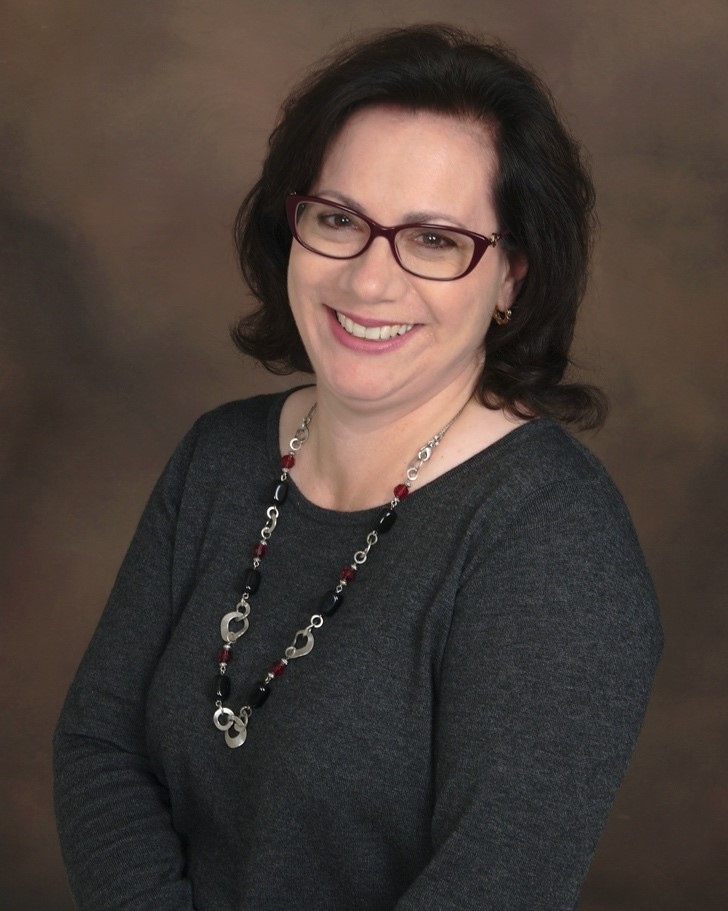 Presenter: Gina Seymour, author and national speaker, is the library media specialist at Islip High School on Long Island (NY). Gina was named to Library Journal’s Movers & Shakers (2017) list as a “Change Agent,” named a 2019 AASL Social Media Superstar Finalist in the category of Social Justice Defender and was awarded the Suffolk School Library Media Association’s School Librarian of the Year in 2014. She is author of Makers with a Cause: Creative Service Projects for Library Youth (2018), a chapter on inclusive makerspaces in School Library Makerspaces in Action and is currently working on a book on how to cultivate social action in the library. Gina shares her work, musings and reflections on her blog GinaSeymour.com and on Twitter @ginaseymour.
Intentionally Making Space: Programming Towards Inclusion
In 2015, the NC State University Libraries cut a ribbon and threw open its doors to a new cool-looking, tool-filled Makerspace. It didn’t take long, however, for staff to notice that the space wasn’t being used by a diverse cross section of students. Framed by some techniques and concepts from feminist pedagogy and social emotional learning, Marian Fragola will discuss how the Libraries created the Making Space series to confront bias and systemic barriers to inclusion in its Makerspace and gaming offerings. Attendees of this session should come prepared to engage with each other and discuss (and even challenge!) the ideas and concepts presented.
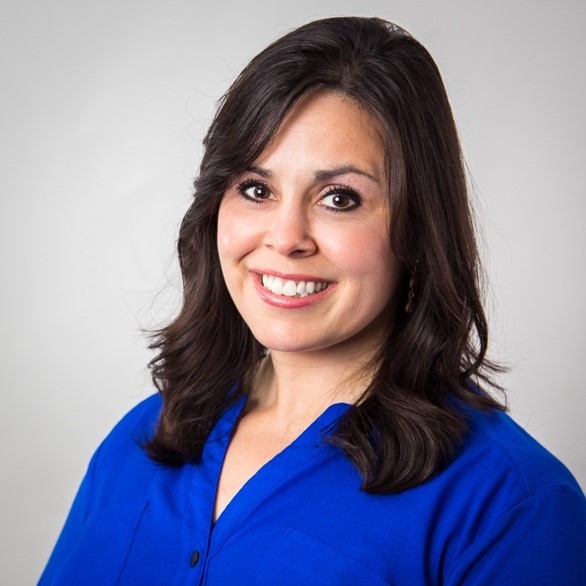 Presenter: Marian Fragola is the Director of Program Planning and Outreach at the NC State University Libraries, where she develops and manages a diverse suite of multidisciplinary programs and activities that benefit the campus and broader community. In 2018 she received a Movers and Shakers award from Library Journal. Fragola is immediate past board chair of the North Carolina Humanities Council and lives in Durham, NC.
Developing a Maker Mindset: No Makerspace Required
Is your makerspace garnering the interest you first thought it would? Are you struggling to create programming that stems beyond crafting? Let me guide you through techniques to empower your patrons by encouraging them to develop a Maker Mindset: a combination of processes that include the Maker Empowerment Theory and the Stanford Design process to retrain our thought processes to recognize that learning begins at failure (not ends there), that we live in a designed world, and that we are able to change it through making. We’ll discuss sample programming, techniques, and challenges. No funding in the budget for 3D printers? Not necessary! Come see how to help your patron hold what’s in their mind in the palm of their hand sans printer. A takeaway for every level of interest!
 Presenter: Amy Zell, Digital Instructor, Goodwill Industries, Youngstown and former Teen and Patron Technologies Assistant at Hubbard Public Library.
Amy is a self proclaimed Maker after learning that she, too, has the wherewithal and resources to change the world through making, Amy Zell is using her Final Project through Kent State University M.L.I.S. to take this opportunity to inspire and instill the same passion in librarians that the Pittsburgh Fab Institute instilled in her.
From Consumer to Creator: STEM and Makerspace Initiatives for Growth
So you have a makerspace - now what? Attendees will hear about some of the changes and challenges the Fayetteville Free Library Fab Lab (the first public library makerspace in the country) has experienced throughout the years. Additionally, we will discuss the ways the Fab Lab has worked to keep up with the evolving maker movement, while also staying relevant and reflective of its community’s needs and skill sets. We will also explore various opportunities for strengthening and growing your community member use and participation in your makerspace. Attendees will have the opportunity to brainstorm some locally relevant ideas and possible partnerships to help strengthen and grow your maker programs and makerspaces.
 Presenter: Michael Cimino is the Director of STEAM and Making at the Fayetteville Free Library (FFL). He received his MSED in Literacy from SUNY Cortland in 2011 and worked as a secondary educator before joining the Fayetteville Free Library in the summer of 2013. Michael's primary responsibilities at the FFL are facilitating STEAM and Making program creation and execution. Michael also works to build relationships with members of the community who are interested in enhancing the use and accessibility of our makerspaces.
Location: Online via Zoom
9/10/2020
Tech Together is a series of technology programs created for families and designed to engage both adults and children together. This session will focus on the successful creation and implementation of a bug robot building program, challenges we overcame, as well as some tips and tricks for you.
 Presenter: Niccole Paytosh is a Library Associate at the South Lorain Branch of the Lorain Public Library System. She has spent the last five years working closely with families and youth of all ages. Her passion is creating family programming that enriches the lives of her patrons with creativity, innovation, and fun.
 Location: Online via Zoom
9/10/2020
Tech Together is a series of technology programs created for families and designed to engage both adults and children together. This session will focus on the successful creation and implementation of a bug robot building program, challenges we overcame, as well as some tips and tricks for you. Presenter: Niccole Paytosh is a Library Associate at the South Lorain Branch of the Lorain Public Library System. She has spent the last five years working closely with families and youth of all ages. Her passion is creating family programming that enriches the lives of her patrons with creativity, innovation, and fun. Location: Online via Zoom
9/17/2020
In 2015, the North Carolina State University Libraries cut a ribbon and threw open its doors to a new cool-looking, tool-filled Makerspace. It didn’t take long, however, for staff to notice that the space wasn’t being used by a diverse cross section of students. Framed by some techniques and concepts from feminist pedagogy and social emotional learning, Marian Fragola will discuss how the Libraries created the Making Space series to confront bias and systemic barriers to inclusion in its Makerspace and gaming offerings. Attendees of this session should come prepared to engage with each other and discuss (and even challenge!) the ideas and concepts presented.Presenter: Marian Fragola is the Director of Program Planning and Outreach at the NC State University Libraries, where she develops and manages a diverse suite of multidisciplinary programs and activities that benefit the campus and broader community. Fragola is on the board of Student Action with Farmworkers and has served as the board chair for the North Carolina Humanities Council. She lives in Durham, NC.There are currently 58 spots remaining out of 100
9/18/2020
This poster session will show you how to execute the Maker Mindset Method in creating programs via Zoom for makers of all ages and how to keep everyone engaged. Kits or no kits, desktop access or phone, we will address it all. From successful Family Makerspace Storytimes to 3D design/print glider races gone wild, complete access to what worked and what didn't. Presenter: Amy Zell, Digital Instructor, Goodwill Industries, Youngstown and former Teen and Patron Technologies Assistant at Hubbard Public Library.Amy is a self proclaimed Maker after learning that she, too, has the wherewithal and resources to change the world through making. Amy Zell is using her Final Project through Kent State University 's M.L.I.S. program to take this opportunity to inspire and instill the same passion in librarians that the Pittsburgh Fab Institute instilled in her.
Location: Online via Zoom
There are currently 65 spots remaining out of 100
9/18/2020
This poster session will show you how to execute the Maker Mindset Method in creating programs via Zoom for makers of all ages and how to keep everyone engaged. Kits or no kits, desktop access or phone, we will address it all. From successful Family Makerspace Storytimes to 3D design/print glider races gone wild, complete access to what worked and what didn't. Presenter: Amy Zell, Digital Instructor, Goodwill Industries, Youngstown and former Teen and Patron Technologies Assistant at Hubbard Public Library.Amy is a self proclaimed Maker after learning that she, too, has the wherewithal and resources to change the world through making. Amy Zell is using her Final Project through Kent State University 's M.L.I.S. program to take this opportunity to inspire and instill the same passion in librarians that the Pittsburgh Fab Institute instilled in her.
When you receive your confirmation of registration for this archive the link to the archive will be included in the confirmation email.
Location: Online via Zoom
There are currently 94 spots remaining out of 100
9/22/2020
So you have a makerspace - now what? Attendees will hear about some of the changes and challenges the Fayetteville Free Library Fab Lab has experienced throughout the years. Additionally, we will discuss the ways the Fab Lab has worked to keep up with the evolving maker movement in our post COVID -19 environment, while also staying relevant and reflective of its community’s needs and skill sets. We will explore various opportunities for strengthening and growing your community member use and participation in your makerspace. Attendees will also have the opportunity to brainstorm some locally relevant ideas and possible partnerships to help strengthen and grow your maker programs and makerspaces. Presenter: Michael Cimino is the Director of STEAM and Making at the Fayetteville Free Library (FFL). He received his MSED in Literacy from SUNY Cortland in 2011 and worked as a secondary educator before joining the Fayetteville Free Library in the summer of 2013. Michael's primary responsibilities at the FFL are facilitating STEAM and Making program creation and execution. Michael also works to build relationships with members of the community who are interested in enhancing the use and accessibility of our makerspaces.Location: Online via Zoom
9/22/2020
So you have a makerspace - now what? Attendees will hear about some of the changes and challenges the Fayetteville Free Library Fab Lab has experienced throughout the years. Additionally, we will discuss the ways the Fab Lab has worked to keep up with the evolving maker movement in our post COVID -19 environment, while also staying relevant and reflective of its community’s needs and skill sets. We will explore various opportunities for strengthening and growing your community member use and participation in your makerspace. Attendees will also have the opportunity to brainstorm some locally relevant ideas and possible partnerships to help strengthen and grow your maker programs and makerspaces. Presenter: Michael Cimino is the Director of STEAM and Making at the Fayetteville Free Library (FFL). He received his MSED in Literacy from SUNY Cortland in 2011 and worked as a secondary educator before joining the Fayetteville Free Library in the summer of 2013. Michael's primary responsibilities at the FFL are facilitating STEAM and Making program creation and execution. Michael also works to build relationships with members of the community who are interested in enhancing the use and accessibility of our makerspaces.When you receive your confirmation of registration for this archive the link to the archive will be included in the confirmation email.
Location: Online via Zoom
9/23/2020
We took a planned in-person Teen program on creating AR & VR and turned it into a virtual program where we demonstrated how to create your own reality using apps on a mobile device. We'll share the tools we used to create and present this fun program as well as some of the pitfalls we ran into. Seriously, who wouldn't want to escape to another reality right now?
Presenters:
 Virginia Wright has been with the Tuscarawas County Public Library for 22 years, first as a Reference Assistant and currently as the Emerging Technology Associate for the five-location system. Virginia holds a Bachelor of Science degree in Management from Purdue University. The two things she likes best about her job are that she gets to play with new technologies and to also help others gain confidence to learn something new. When not at the library she enjoys motorcycle rides with her husband, taking Caribbean vacations (pre-pandemic), and spending time with her grandchildren (not necessarily in that order).
 Courtney Wallace is a Public Service Associate at the Tuscarawas County Public Library, focusing on teen programming. Courtney earned a bachelor's degree in environmental science with a minor in earth science from Moravian College. Prior to her current position, she worked for five years as a math and science teacher. She will be celebrating four years with TCPL this November
Location: Online via Zoom
9/23/2020
We took a planned in-person Teen program on creating AR & VR and turned it into a virtual program where we demonstrated how to create your own reality using apps on a mobile device. We'll share the tools we used to create and present this fun program as well as some of the pitfalls we ran into. Seriously, who wouldn't want to escape to another reality right now? Presenters:
Virginia Wright has been with the Tuscarawas County Public Library for 22 years, first as a Reference Assistant and currently as the Emerging Technology Associate for the five-location system. Virginia holds a Bachelor of Science degree in Management from Purdue University. The two things she likes best about her job are that she gets to play with new technologies and to also help others gain confidence to learn something new. When not at the library she enjoys motorcycle rides with her husband, taking Caribbean vacations (pre-pandemic), and spending time with her grandchildren (not necessarily in that order).
Courtney Wallace is a Public Service Associate at the Tuscarawas County Public Library, focusing on teen programming. Courtney earned a bachelor's degree in environmental science with a minor in earth science from Moravian College. Prior to her current position, she worked for five years as a math and science teacher. She will be celebrating four years with TCPL this November.
When you receive your confirmation of registration for this archive the link to the archive will be included in the confirmation email.
Location: Online via Zoom
9/24/2020
Is your makerspace garnering the interest you first thought it would? Are you struggling to create programming that stems beyond crafting? Let me guide you through techniques to empower your patrons by encouraging them to develop a Maker Mindset: a combination of processes that include the Maker Empowerment Theory and the Stanford Design process to retrain our thought processes to recognize that learning begins at failure (not ends there), that we live in a designed world, and that we are able to change it through making. We’ll discuss sample programming, techniques, and challenges. No funding in the budget for 3D printers? Not necessary! Come see how to help your patron hold what’s in their mind in the palm of their hand sans printer. A takeaway for every level of interest!
Presenter: Amy Zell, Digital Instructor, Goodwill Industries, Youngstown and former Teen and Patron Technologies Assistant at Hubbard Public Library.
Amy is a self proclaimed Maker after learning that she, too, has the wherewithal and resources to change the world through making. Amy Zell is using her Final Project through Kent State University's M.L.I.S. program to take this opportunity to inspire and instill the same passion in librarians that the Pittsburgh Fab Institute instilled in her.
Location: Online via Zoom
There are currently 63 spots remaining out of 100
9/24/2020
Content Warning: This webinar contains opening remarks about suicide and depression.
Is your makerspace garnering the interest you first thought it would? Are you struggling to create programming that stems beyond crafting? Let me guide you through techniques to empower your patrons by encouraging them to develop a Maker Mindset: a combination of processes that include the Maker Empowerment Theory and the Stanford Design process to retrain our thought processes to recognize that learning begins at failure (not ends there), that we live in a designed world, and that we are able to change it through making. We’ll discuss sample programming, techniques, and challenges. No funding in the budget for 3D printers? Not necessary! Come see how to help your patron hold what’s in their mind in the palm of their hand sans printer. A takeaway for every level of interest!
Presenter: Amy Zell, Digital Instructor, Goodwill Industries, Youngstown and former Teen and Patron Technologies Assistant at Hubbard Public Library.
Amy is a self proclaimed Maker after learning that she, too, has the wherewithal and resources to change the world through making. Amy Zell is using her Final Project through Kent State University's M.L.I.S. program to take this opportunity to inspire and instill the same passion in librarians that the Pittsburgh Fab Institute instilled in her.
When you receive your confirmation of registration for this archive the link to the archive will be included in the confirmation email.
Location: Online via Zoom
There are currently 52 spots remaining out of 100
9/25/2020
What do you do with your MakerSpace when people can't go to it? Learn creative ideas for virtual programming, keeping the excitement going around your space, and the tools and resources to make it all happen.
Presenters:
 Missy Littell, Customer Service Manager, Cuyahoga Falls Library
 Carolanne Tkach, Technology Trainer, Cuyahoga Falls Library
When you receive your confirmation of registration for this archive the link to the archive will be included in the confirmation email.
Location: Online via Zoom
9/25/2020
What do you do with your MakerSpace when people can't go to it? Learn creative ideas for virtual programming, keeping the excitement going around your space, and the tools and resources to make it all happen.
Presenters:
Missy Littell, Customer Service Manager, Cuyahoga Falls Library
Carolanne Tkach, Technology Trainer, Cuyahoga Falls Library
Location: Online via Zoom
9/28/2020
What do you do when your annual STEAM Week is thrown into a pandemic? At Westlake Porter Public Library, you work as a team! See how we were able to pull off a virtual and socially distanced STEAM Week on short notice, and still had fun!
Presenters:
 Jamie Dinan is the Early Learning Specialist at Westlake Porter Public Library. Her work days are filled with sharing stories and songs with children of all ages - the sillier the better!
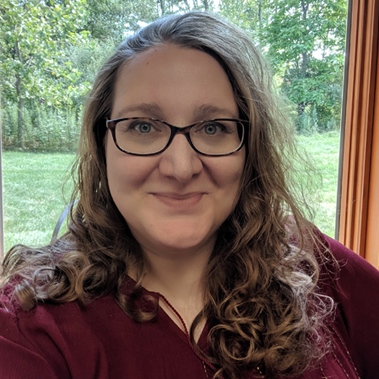
  Jenny Norton is the STEAM Librarian at Westlake Porter Public Library, where she creates programs in science, technology, engineering, the arts, and math, and also helps patrons with technology usage and reference. She earned her M.L.I.S. from Kent State University.
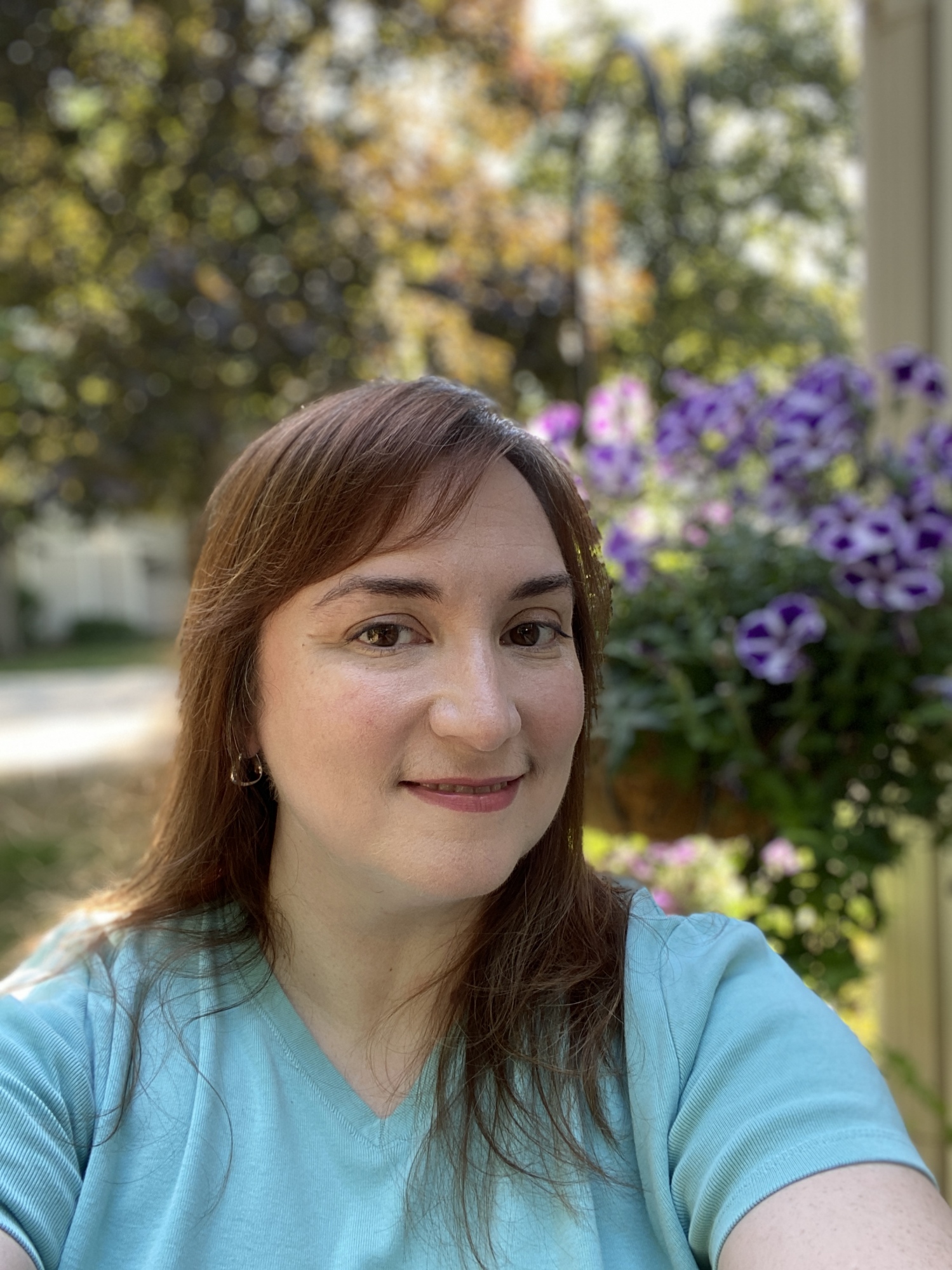
 Carla Schober is the Adult Services Manager of the Westlake Porter Public library. Previously she worked for the Cuyahoga County Public Library, the Cleveland Heights-University Heights Public Library, and the Chicago Public Library. She graduated from Kent State University with her M.L.I.S. in 2006.
 Brenda Zyrkowski is the Web Librarian at Westlake Porter Public Library where she has filled a variety of roles over 20+ years, including Administrative Associate and Integrated Library System Specialist. She earned an M.L.I.S. from Kent State University in 2007.
Location: Online via Zoom
9/28/2020
What do you do when your annual STEAM Week is thrown into a pandemic? At Westlake Porter Public Library, you work as a team! See how we were able to pull off a virtual and socially distanced STEAM Week on short notice, and still had fun!Presenters:
Jamie Dinan is the Early Learning Specialist at Westlake Porter Public Library. Her work days are filled with sharing stories and songs with children of all ages - the sillier the better! Jenny Norton is the STEAM Librarian at Westlake Porter Public Library, where she creates programs in science, technology, engineering, the arts, and math, and also helps patrons with technology usage and reference. She earned her M.L.I.S. from Kent State University.Carla Schober is the Adult Services Manager of the Westlake Porter Public library. Previously she worked for the Cuyahoga County Public Library, the Cleveland Heights-University Heights Public Library, and the Chicago Public Library. She graduated from Kent State University with her M.L.I.S. in 2006.Brenda Zyrkowski is the Web Librarian at Westlake Porter Public Library where she has filled a variety of roles over 20+ years, including Administrative Associate and Integrated Library System Specialist. She earned an M.L.I.S. from Kent State University in 2007.When you receive your confirmation of registration for this archive the link to the archive will be included in the confirmation email.
Location: Online via Zoom
9/29/2020
Virtual events and programs have become an integral part of library services and outreach as of late. Many are using platforms like Zoom, WebEx, and Teams to provide these services for their staff and patrons, but these are often not as robust as we might like, lack the “event” feel and leave us missing that in-person connection. Learn about a new virtual event software that helps to provide some of the features you would normally get in-person, from sitting together at tables, networking with each other, watching a keynote or panel, and more. You will have an opportunity to tour this platform and network with your peers in this simulated “virtual” conference poster session. Sign-in 10 minutes early to set up your network profile account.
Presenter:
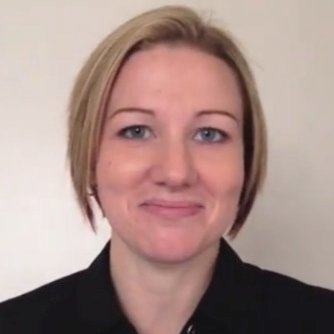 Holly Klingler, Research and Innovation Coordinator, NEO-RLS
Location: Online
Via Zoom
9/29/2020
Virtual events and programs have become an integral part of library services and outreach as of late. Many are using platforms like Zoom, WebEx, and Teams to provide these services for their staff and patrons, but these are often not as robust as we might like, lack the “event” feel and leave us missing that in-person connection. Learn about a new virtual event software that helps to provide some of the features you would normally get in-person, from sitting together at tables, networking with each other, watching a keynote or panel, and more. You will have an opportunity to tour this platform and network with your peers in this simulated “virtual” conference poster session. Sign-in 10 minutes early to set up your network profile account.Presenter:
Holly Klingler, Research and Innovation Coordinator, NEO-RLSWhen you receive your confirmation of registration for this archive the link to the archive will be included in the confirmation email.
Location: Online
Via Zoom
9/29/2020
Let’s examine how to design makerspace programming to engage your patrons. We’ll focus on purposeful making, community voice, and inclusive practices. The presenter will also discuss her MakerCare initiative, a maker program empowering patrons to make a difference through creating service based projects. Takeaways include how to build community partnerships and numerous project ideas from simple low cost items to 3-D technology. Presenter: Gina Seymour, author and national speaker, is the library media specialist at Islip High School on Long Island (NY). Gina was named to Library Journal’s Movers & Shakers (2017) list as a “Change Agent,” named a 2019 AASL Social Media Superstar Finalist in the category of Social Justice Defender and was awarded the Suffolk School Library Media Association’s School Librarian of the Year in 2014. She is author of Makers with a Cause: Creative Service Projects for Library Youth (2018), a chapter on inclusive makerspaces in School Library Makerspaces in Action and is currently working on a book on how to cultivate social action in the library. Gina shares her work, musings and reflections on her blog GinaSeymour.com and on Twitter @ginaseymour.Location: Online via Zoom
There are currently 71 spots remaining out of 100
9/29/2020
Let’s examine how to design makerspace programming to engage your patrons. We’ll focus on purposeful making, community voice, and inclusive practices. The presenter will also discuss her MakerCare initiative, a maker program empowering patrons to make a difference through creating service based projects. Takeaways include how to build community partnerships and numerous project ideas from simple low cost items to 3-D technology. Presenter: Gina Seymour, author and national speaker, is the library media specialist at Islip High School on Long Island (NY). Gina was named to Library Journal’s Movers & Shakers (2017) list as a “Change Agent,” named a 2019 AASL Social Media Superstar Finalist in the category of Social Justice Defender and was awarded the Suffolk School Library Media Association’s School Librarian of the Year in 2014. She is author of Makers with a Cause: Creative Service Projects for Library Youth (2018), a chapter on inclusive makerspaces in School Library Makerspaces in Action and is currently working on a book on how to cultivate social action in the library. Gina shares her work, musings and reflections on her blog GinaSeymour.com and on Twitter @ginaseymour.When you receive your confirmation of registration for this archive the link to the archive will be included in the confirmation email.
Location: Online via Zoom
There are currently 88 spots remaining out of 100
9/30/2020
In this session, Dr. Regula will do a walk through of a virtual anatomy program for instructional purposes that fit all learning levels, and follow up with a tutorial of an anatomical database to construct individualized study tools including 3D images and models.
Presenter:
 Dr. Regula is an instructor of Human Anatomy at the University of Dayton. He has taught upper level anatomy using novel technology and pedagogy for six years and recently published an anatomy lab manual specifically designed to be intersectional and inclusive to all students. He prides himself on bringing critical thinking, accuracy, and intersectionality into a discipline that has often been treated as rote memorization in the past. When not challenging students in the classroom, Dr. Regula enjoys 3D print designing, games, and being outdoors with his husband and son.
 Location: Online via Zoom
9/30/2020
 In this session, Dr. Regula will do a walk through of a virtual anatomy program for instructional purposes that fit all learning levels, and follow up with a tutorial of an anatomical database to construct individualized study tools including 3D images and models.
 Presenter:
Dr. Regula is an instructor of Human Anatomy at the University of Dayton. He has taught upper level anatomy using novel technology and pedagogy for six years and recently published an anatomy lab manual specifically designed to be intersectional and inclusive to all students. He prides himself on bringing critical thinking, accuracy, and intersectionality into a discipline that has often been treated as rote memorization in the past. When not challenging students in the classroom, Dr. Regula enjoys 3D print designing, games, and being outdoors with his husband and son. When you receive your confirmation of registration for this archive the link to the archive will be included in the confirmation email.
Location: Online via Zoom
11/20/2020
It’s that time of year again! It's the time that everyone begins their search to find the best toys for their loved one, friends, or even themselves. Learn about the new emerging tech products that your patrons may likely want, have questions about, or even bring into your library for assistance. Indeed, there may even be some fun, new emerging tech tools that you might consider for your library!
Presenter:
Holly Klingler, Research and Innovation Coordinator, NEO-RLS.
Location: Online via Zoom
11/20/2020
It’s that time of year again! It's the time that everyone begins their search to find the best toys for their loved one, friends, or even themselves. Learn about the new emerging tech products that your patrons may likely want, have questions about, or even bring into your library for assistance. Indeed, there may even be some fun, new emerging tech tools that you might consider for your library!Presenter:
Holly Klingler, Research and Innovation Coordinator, NEO-RLS.
Location: Online via Zoom
1/21/2021
E-Health devices and services have become more important than ever in tracking and taking charge of our health and wellness in 2020 and 2021. Even before the pandemic, e-Health devices were one of the most popular technology trends that library communities requested to learn about. Now, COVID-19 has particularly impacted our community’s and our own health recently in a variety of ways, and learning about these devices and how they can help us find ways to track valuable health information, stay safe and further our fitness levels when we can’t get out is vital. Advances in technology have allowed these devices to become extremely robust to where they can monitor our health better and more effectively than we could have dreamed just a few short years ago, and it couldn’t have come at a better time.
Learn about some of the newest emerging tech devices and services available to you, your staff and your patrons right now and how they can be used to understand their wellness, take charge of their health, and motivate to get e-healthy!
Learning Objectives:
- Use part or all of the material in this presentation to put on your own patron programming (PowerPoint will be provided)
- Discover the type of health information these devices can now track and how they can be vital to understanding and improving aspects of your health and wellness
- Learn ways these devices and services can work together to analyze your overall health and create goals and challenges to motivate you and take charge of your health
Holly Klingler, Research and Innovation Coordinator, NEO-RLSLocation: Online via Zoom
There are currently 182 spots remaining out of 200
1/21/2021
E-Health devices and services have become more important than ever in tracking and taking charge of our health and wellness in 2020 and 2021. Even before the pandemic, e-Health devices were one of the most popular technology trends that library communities requested to learn about. Now, COVID-19 has particularly impacted our community’s and our own health recently in a variety of ways, and learning about these devices and how they can help us find ways to track valuable health information, stay safe and further our fitness levels when we can’t get out is vital. Advances in technology have allowed these devices to become extremely robust to where they can monitor our health better and more effectively than we could have dreamed just a few short years ago, and it couldn’t have come at a better time.Learn about some of the newest emerging tech devices and services available to you, your staff and your patrons right now and how they can be used to understand their wellness, take charge of their health, and motivate to get e-healthy!
Learning Objectives:
- Use part or all of the material in this presentation to put on your own patron programming (PowerPoint will be provided)
- Discover the type of health information these devices can now track and how they can be vital to understanding and improving aspects of your health and wellness
- Learn ways these devices and services can work together to analyze your overall health and create goals and challenges to motivate you and take charge of your health
Holly Klingler, Research and Innovation Coordinator, NEO-RLSLocation: Online via Zoom
There are currently 191 spots remaining out of 200
2/17/2021
Want to engage children with the latest technology but don’t know where to begin? Interested in using technology in your programming but you’re on a tight budget? Join us for the sixth annual Gadgets and Gizmos webinar. This popular, detailed webinar presentation will showcase some cool new tech gadgets, websites and resources you can incorporate into your youth services programs! You will also have an opportunity to share your technology successes and challenges with other attendees.
Learning Objectives:
- Discover the newest emerging technologies that are both affordable and useful for your library department or program
- Learn about ways to implement these technologies through available lesson plans and STEAM programs and ideas
Presenter:
Holly Klingler, Research and Innovation Coordinator, Northeast Ohio Regional Library SystemLocation: Online
Via Adobe Connect
There are currently 148 spots remaining out of 200
2/17/2021
Want to engage children with the latest technology but don’t know where to begin? Interested in using technology in your programming but you’re on a tight budget? Join us for the sixth annual Gadgets and Gizmos webinar. This popular, detailed webinar presentation will showcase some cool new tech gadgets, websites and resources you can incorporate into your youth services programs! You will also have an opportunity to share your technology successes and challenges with other attendees.Learning Objectives:
- Discover the newest emerging technologies that are both affordable and useful for your library department or program
- Learn about ways to implement these technologies through available lesson plans and STEAM programs and ideas
Presenter:
Holly Klingler, Research and Innovation Coordinator, Northeast Ohio Regional Library SystemLocation: Online
Via Adobe Connect
There are currently 183 spots remaining out of 200
9/8/2021 - 9/30/2021
 This year marks our 8th Emerging Technology Symposium - the 2nd time it has been held virtually, and the 1st time it has been sponsored as a statewide event by NEO-RLS, NORWELD, SERLS, SWON and the State Library of Ohio. It will run throughout the entire month of September.
The theme of this year’s Symposium focuses on the incredible ability of the nation's libraries to explore, adapt and transform through the use of emerging technology. Libraries are always seeking new and responsive ways in which to meet the needs of their communities. In recent years libraries have engaged emerging technologies in a variety of creative ways to build tech literacy, bridge the tech and digital divide, and make innovation accessible to all. In the past year, libraries have responded and adapted swiftly during the pandemic, utilizing technology to evolve their services in a safe and inventive manner. As we enter a new landscape, the 2021 Symposium will celebrate libraries and their emerging tech ideas as they continue to transform their services in exceptional ways.
The Symposium will feature national speakers who have demonstrated an incredible ability to take emerging technology into new territories in libraries. Their projects highlight the value of thinking and generating big ideas but, even more importantly, they demonstrate that it takes a village and focus to execute and develop. They will explain their strategies, experiences, challenges, failures and successes, all of which are paths to innovation. We will also hear from multiple poster sessions throughout the month, showcasing projects that have employed emerging technology to enhance services or take library services to the next level. Join us to celebrate and learn how libraries have, and can, explore, adapt and transform.
Innovation in Libraries
Dr. Roslyn Dean, Broward County (FL) Library
Wednesday, September 8th, 10:00 am-11:00 am
What is next for library innovation? As libraries continue their primary mission, to offer access to information, they garner ideas to implement emerging technologies that broaden the reach and access. Broward County Library recently implemented two innovative initiatives designed to expand access to the library in unique ways and reach customers beyond the walls of the library.
Broward County Library’s Project Welcome initiative innovatively invites and guides newcomers/immigrants – English Language Learners as they adjust to living in Broward. The multi-faceted initiative consists of several ways to offer programs and services in multiple languages so that limited or non-English speakers have access to information without the limitation of language. One way the initiative did this was through the implementation of Amazon Echo Dot voice assistance devices, using language translation skills to bridge the language barrier.
Virtual AARLCC, another Broward County Library innovation, is the 3D modeling program that expanded access to the African American Research Library and Culture Center’s special collections. The project team 3D scanned African artifacts in the special collections and made them available on a website designed especially for featuring the objects. Although accessible to the public by appointment, these objects were hidden treasures that some may have never been aware of until the inception of Virtual AARLCC. Now, the 3D images of these artifacts are accessible to anyone interested via a free website.
Participates in this presentation will leave understanding how voice assistance can work as a language-translation tool in their library and will be able to determine if 3D modeling is a viable option. Participants will also leave with the speaker’s ideas on what is next in innovation for libraries.
Learning Objectives:
The goal of this presentation is to help participants understand how voice assistance tools enhance library services. The speaker will also help participants identify ways to use digitization to expand access to library collections and explore new ways to innovate library services.
Presenter:
 Dr. Roslyn Dean is the Community Engagement Manager for Broward County Library in Fort Lauderdale, FL area. She supervises adult, youth, and learning program services for the library system as well as digital initiatives, outreach, volunteer services, and advantage marketing. In her over three years with Broward County Library, she has spearheaded initiatives such as the library’s LSTA grant awarded projects on 3D scanning archived objects in the Special Collections, the Echo Dot language translation program, and bridging the digital divide through the library’s new “My Digital Summer Learning Program,” for students in grades K – 3. Roslyn was one of Library Journal’s 2020 Movers and Shakers for Innovation, and she implemented and oversees the library’s virtual program model as a result of the COVID-19 pandemic. Dr. Dean’s primary focus is on bringing innovative programs and services with a technology spin to Broward County Library users.
Insights into Innovation (and why this "innovator" really just wants a warm brownie and a nap)
Rebecca Millerjohn, Madison Public Library, Wisconsin
Wednesday, September 15th, 10:00 am-11:00 am
In 2020, Rebecca Millerjohn was named a Library Journal Mover & Shaker for the innovations she championed with Madison Public Library's learning and assessment practices. She has had many wonderful people in the last year jovially ask her, "How does it feel?!" If she were being honest, she would answer uncomfortable. She always assumed that innovating was a born trait, that some people just naturally generate brilliant new ideas and *poof* make them come true. Yet, she has been at the head of several successful innovations with the Bubbler at Madison Public Library over the last 6 years, and every time there is no *poof*. They generally start with trepidation, a lot of sighing, and even when there is giddiness about the possibilities and potential, there is also anxiety and the sobering truth that stepping out into the unknown is most likely going to take a lot of work. Yet when the outcomes are worthwhile - the chance to co-build opportunities with your community to enhance learning - we need to be able to say yes. We need to be able to acknowledge that discomfort while continuing to persist in exploring, adapting and transforming. This is a talk for all of the reluctant innovators out there. And when it’s over, we can all go eat a warm brownie and take a nap, because we deserve it.
Presenter:
 Rebecca Millerjohn is the youth services librarian with the Bubbler at Madison Public Library. Before entering the library world, she was a middle and high school classroom teacher in Houston, Texas and Chicago, Illinois. A 2020 Library Journal Mover & Shaker, her library work focuses on hands-on exploratory learning, educator support, and strategic partnerships with MPL's Bubbler program. As the Bubbler’s project manager for their Summer of Making Internship and Making Spaces initiatives, she loves sock monsters, power tools, paper circuits, and when kids get little scrunched faces that shows they are THINKING. Her current projects include community engagement with Madison educational partners, the creation of Madison Public Library’s Impact blog, and research into making & learning assessments and practices. When she grows up, she would like to go back to school to become a landscape architect or a furniture restorer.
 Prototype Your Professional Life
Julia Maddox, University of Rochester Libraries
Friday, September 17th, 10:00 am-11:00 am
In this interactive session, we will learn how to use Stanford’s Design Thinking process to prototype out-of-the-box solutions for addressing challenges in our library and profession. Julia Maddox will help us begin by identifying problems we’re experiencing in our work. We’ll then imagine unexpected ideas for addressing those problems. Finally, we’ll design a prototype for testing out one of the ideas... within a week! In a year like no other, we’ve all had to learn to experiment with new ways of working. This session will help us continue that spirit of experimentation, agility, and risk-taking long after the pandemic.
Presenter:
 Julia Maddox is an educator and consultant who helps teams build their capacity for creative problem solving. She is the founder of the Barbara J. Burger iZone at the University of Rochester Libraries, helping students make creative connections that spark action. In iZone’s vibrant innovation space (and now online!), our team helps students learn to explore ideas with creativity, empathy and resilience.
Why Not Us? The Case for AI in Libraries
Michael Hibben, Roanoke County Public Library
Thursday, September 30th from 10:00 am-11:00 am
Over the past decade, artificial intelligence has gone from science fiction to science fact. From smart sensors in our homes, to virtual assistants in our phones, and our recommendations on Amazon, Netflix, Google, and social media feeds, AI’s rapid expansion into our daily lives is taking place with little oversight or regulation. What role should libraries play in helping our communities understand all the possibilities and possible pitfalls of artificial intelligence? In this session, Michael Hibben will make the case that libraries must take the lead with AI literacy. He’ll talk about the Roanoke County Public Library’s award-wining work with AI and high tech and show you the many options you have to start AI programming at your library.
Learning Objectives:
By attending this session, you’ll learn why libraries must lead with AI literacy, how to make the case for AI programing to your Director, staff, and community, and how to get started with AI programming.
Presenter:
 Michael Hibben is Administrative Librarian with the Roanoke County Public Library in the Blue Ridge Mountains of Virginia where he oversees the system’s headquarters library. Named one of Library Journal’s 2020 Movers & Shakers, Michael leads technology initiatives for his system including the recruitment of SoftBank Robotics’ Pepper the humanoid robot and Misty the robot from Misty Robots – both first in the nation for public libraries. Before moving to Virginia, he lived in Los Angeles where he worked for the Los Angeles Public Library.
Location: Online
Via Zoom
9/8/2021 - 9/30/2021
Innovation in Libraries
Dr. Roslyn Dean, Broward County (FL) Library
Wednesday, September 8th, 10:00 am-11:00 am
What is next for library innovation? As libraries continue their primary mission, to offer access to information, they garner ideas to implement emerging technologies that broaden the reach and access. Broward County Library recently implemented two innovative initiatives designed to expand access to the library in unique ways and reach customers beyond the walls of the library.
Broward County Library’s Project Welcome initiative innovatively invites and guides newcomers/immigrants – English Language Learners as they adjust to living in Broward. The multi-faceted initiative consists of several ways to offer programs and services in multiple languages so that limited or non-English speakers have access to information without the limitation of language. One way the initiative did this was through the implementation of Amazon Echo Dot voice assistance devices, using language translation skills to bridge the language barrier.
Virtual AARLCC, another Broward County Library innovation, is the 3D modeling program that expanded access to the African American Research Library and Culture Center’s special collections. The project team 3D scanned African artifacts in the special collections and made them available on a website designed especially for featuring the objects. Although accessible to the public by appointment, these objects were hidden treasures that some may have never been aware of until the inception of Virtual AARLCC. Now, the 3D images of these artifacts are accessible to anyone interested via a free website.
Participates in this presentation will leave understanding how voice assistance can work as a language-translation tool in their library and will be able to determine if 3D modeling is a viable option. Participants will also leave with the speaker’s ideas on what is next in innovation for libraries.
Learning Objectives:
The goal of this presentation is to help participants understand how voice assistance tools enhance library services. The speaker will also help participants identify ways to use digitization to expand access to library collections and explore new ways to innovate library services.
Presenter:
Dr. Roslyn Dean is the Community Engagement Manager for Broward County Library in Fort Lauderdale, FL area. She supervises adult, youth, and learning program services for the library system as well as digital initiatives, outreach, volunteer services, and advantage marketing. In her over three years with Broward County Library, she has spearheaded initiatives such as the library’s LSTA grant awarded projects on 3D scanning archived objects in the Special Collections, the Echo Dot language translation program, and bridging the digital divide through the library’s new “My Digital Summer Learning Program,” for students in grades K – 3. Roslyn was one of Library Journal’s 2020 Movers and Shakers for Innovation, and she implemented and oversees the library’s virtual program model as a result of the COVID-19 pandemic. Dr. Dean’s primary focus is on bringing innovative programs and services with a technology spin to Broward County Library users.Location: Online
Via Zoom
9/8/2021 - 9/30/2021
The Metamorphosis of a Special Collection: The Ashley Bryan Art Series at the African-American Research Library and Cultural Center
Lisa Jackson, Broward County Library System, Florida
Steven Marshall, African-American Research Library and Cultural Center, Florida
Lauren Odom, African-American Research Library and Cultural Center, Florida
Tuesday, Septemeber 21, 2021 from 2:00 pm - 2:30 pm
In 2020, the Broward County African-American Research Library and Cultural Center (AARLCC) received an ALA Carnegie-Whitney grant to create an electronic resource that highlights their unique Ashley Bryan Art collection and Coretta Scott King book collection. The intent was to use the bulk of the money to pay a web designer to create the resource and staff would research and provide content. After receiving the grant, we learned that Sirsi Dynix, a newly purchased ILS for our library system, has a platform called Sirsi Rooms that we could use to create our resource which would link directly to the library's catalog. The AARLCC Youth Services Team - Lisa Jackson, Steven Marshall and Lauren Odom - will discuss the process it took to completely switch gears, find new ways to expend the funds, learn how to use the new ILS and create a resource that is both functional and beautifully rendered.Presenters:
 Lisa Jackson has been a Librarian with the Broward County Library System in Fort Lauderdale, Florida for over 20 years and is currently the Supervisor of Youth Services at the African American Research Library and Cultural Center branch. Here she has the distinct pleasure of coordinating materials and services - with her team of committed librarians - geared toward youth from birth to 18 and their parents. She earned her Master of Library and Information Science from Wayne State University in Detroit, Michigan. is an avid reader of non-fiction and works with the local Humane Society's Trap-And-Release program.
 Steven Marshall is a Librarian Senior at the African-American Research Library and Cultural Center (AARLCC) in Fort Lauderdale, FL. Originally from the Chicago suburbs, Steven earned his Master’s of Library and Information Science degree from Florida State University and has worked at public and university libraries in Illinois and Florida. He has worked at AARLCC as a Youth Services Librarian since 2016.
 Lauren Nicole Odom is a librarian at the African American Research Library and Cultural Center located in Fort Lauderdale, FL. There she works in the youth services department and coordinates programs primarily for teens and tweens. Ms. Odom attended Nova Southeastern University for her undergraduate studies and went on to graduate from North Carolina Central University with a Master of Library Science. She enjoys the arts, including making masterpieces of her own creation and writing poetry as well as reading.
Virtual Story times with a Tech twist: How we use Livestreams, and Google Meet to share literacy apps and technology tools with families and teens
Tawnee Isner, Kinsman Free Library
Friday, September 24, 2021 from 10:00 am - 10:45 am
Virtual story times with a tech twist. When we switched to all virtual programing, we took the groundwork of, our digital story time called Tap n’Read and turned it into a virtual programming that still allowed for traditional story time activities like songs, rhymes or crafts, as well as digital resource recommendations. The success of this program then led to the creation of our Teen Collaboratory that combined Makerspace thinking with tech gadgets and stories for Middle Schoolers through High School teens. Presenter:
 Tawnee Isner graduated with her MLIS in 2020 from Kent State University. She has worked at the Kinsman Free Public Library for three years as an aide and then was promoted to Technology Trainer. When she is not at work, she can be found reading horror, crafting, and baking.
Alexa, place that book on hold
Molly Howard, Granville Public Library
Tuesday, September 28, 2021 from 2:00 pm -- 2:45 pm
"Alexa, place that book on hold" talks about how we use our smart devices like your Alexa or Google Home AI to allow people to access their library account, check our catalog, and put books on hold. Presenter:
 Molly Howard is the Technology Coordinator at the Granville Public Library in Granville, Ohio, where she teaches a wide range of technology classes for all ages. She was born and raised in Central Ohio, leaving for a short stint to Florida to earn her Associate of Science specializing in Video Production. When not at work, she lives with her husband, their teenage son, and three cats. She ups her nerd cred by playing Dungeons and Dragons and throwing rocks and trees competitively in a kilt at Highland Games around the midwest.
Location: Online
Via Zoom
9/8/2021 - 9/30/2021
From Entertainment To Education: VR for Skills Development
Bharani Rajakumar, founder and CEO of TRANSFR www.transfrvr.com and
Sam Chada, MLIS, Career Success Manager, TRANSFR, former NEO-RLS Library Member and M&S - Tech Innovator award winner
Friday, September 10th from 10:00-10:45am
NEO-RLS has expressed the importance of using technology to create a sense of community-and make technology accessible to everyone. Open-access and unrestricted exploration via VR is the first step.
What comes next?
What if libraries could use the existing Virtual Reality equipment and not just to inform but to inspire? How can VR be used to invite creativity, open doors to new exploration, teach, train, support and inspire library patrons of all ages? How can Media Centers adapt existing technology and networks to open doors to new opportunities and greater quality of life?
With TRANSFR’s hands-on simulation-based training, libraries can expose people to new careers they may love but have never even imagined. Currently, learners can study and watch but there is no realistic way to offer hands-on workplace training to ensure learners experience the tools and skills needed in the workplace.
Libraries will be able to provide a way to close the skills gap, explore emerging industry technologies, and create a pathway to the many well-paying, in-demand jobs in America.
In this interactive workshop, CEO and founder Bharani Rajakumar and CSM Sam Chada, MLIS will provide a glimpse inside a TRANSFR training Simulation, share real-life examples of the transformative power of simulation-based training and then move on to a roundtable discussion of how to best engage library patrons of all ages to explore new skills via the TRANSFR catalog, existing relationships and community connections.
Learning Objectives:
Together, the participants will explore:
-
What transforms VR from entertainment to education?
-
How can libraries leverage TRANSFR to bridge the digital divide?
-
What should programming look like to get the best out of the TRANSFR partnership?
Presenters:
 Bharani Rajakumar, founder and CEO of TRANSFR, is on a mission to create alternative pathways to career success through intuitive learning methods so more people can succeed and be upwardly mobile. A determined “Disruptor”, Bharani passionately leads the TRANSFR team in strategic partnerships to achieve his mission “Our goal is to come up with a more effective and enjoyable way to get people jobs that pay well. What we’re disrupting is the idea that there’s only one way to get there. If we can work with schools to help people find their best career path so they are better trained and have a higher earnings potential while helping employers get the high caliber teammates they need then everyone wins”
This is Rajakumar’s second technology company with its sights set on transforming the way people learn and achieve. He was the co-founder of math tutoring software company LearnBop, which was acquired in 2014 by online learning company K12 Inc.
 Sam Chada MLIS MBA is a TRANSFR career success manager with over ten years of experience successfully integrating emerging technologies into public libraries. An experienced collectionHQ/digital products customer success manager with Baker & Taylor, Sam has also served as an emerging technologies librarian at Sandusky Library (OH) and assistant director of Wayne County Public Library (OH).
In 2012, Library Journal recognized Sam as a Mover & Shaker – Tech Leader for her dedication to the professional and worked accomplished at Sandusky Library. Here, she rolled out the nation’s first Roku & WiFi lending program, as well as installed a state-of-the-art digital media lab and early literacy center.
Location: Online
Via Zoom
9/8/2021 - 9/30/2021
Insights into Innovation (and why this "innovator" really just wants a warm brownie and a nap)
Rebecca Millerjohn, Madison Public Library, Wisconsin
Wednesday, September 15th, 10:00 am-11:00 am
In 2020, Rebecca Millerjohn was named a Library Journal Mover & Shaker for the innovations she championed with Madison Public Library's learning and assessment practices. She has had many wonderful people in the last year jovially ask her, "How does it feel?!" If she were being honest, she would answer uncomfortable. She always assumed that innovating was a born trait, that some people just naturally generate brilliant new ideas and *poof* make them come true. Yet, she has been at the head of several successful innovations with the Bubbler at Madison Public Library over the last 6 years, and every time there is no *poof*. They generally start with trepidation, a lot of sighing, and even when there is giddiness about the possibilities and potential, there is also anxiety and the sobering truth that stepping out into the unknown is most likely going to take a lot of work. Yet when the outcomes are worthwhile - the chance to co-build opportunities with your community to enhance learning - we need to be able to say yes. We need to be able to acknowledge that discomfort while continuing to persist in exploring, adapting and transforming. This is a talk for all of the reluctant innovators out there. And when it’s over, we can all go eat a warm brownie and take a nap, because we deserve it.
Presenter:
Rebecca Millerjohn is the youth services librarian with the Bubbler at Madison Public Library. Before entering the library world, she was a middle and high school classroom teacher in Houston, Texas and Chicago, Illinois. A 2020 Library Journal Mover & Shaker, her library work focuses on hands-on exploratory learning, educator support, and strategic partnerships with MPL's Bubbler program. As the Bubbler’s project manager for their Summer of Making Internship and Making Spaces initiatives, she loves sock monsters, power tools, paper circuits, and when kids get little scrunched faces that shows they are THINKING. Her current projects include community engagement with Madison educational partners, the creation of Madison Public Library’s Impact blog, and research into making & learning assessments and practices. When she grows up, she would like to go back to school to become a landscape architect or a furniture restorer. Location: Online
Via Zoom
9/8/2021 - 9/30/2021
Practicing Empathy with Virtual Reality
Cecil Decker, Richland Library, South Carolina
Thursday, September 23rd from 2:00 pm - 3:00pm
Studies show that experiencing someone else’s life deepens understanding, understanding cultivates empathy, and empathy motivates action— thereby fostering a more welcoming, vibrant community. However, there are many reasons you might not be able to physically meet and learn directly from others: time, money, location, and more.In this postmortem we break down Richland Library’s My Life Experience Empathy Lab to answer the questions: Why use virtual reality to build empathy? What programming challenges were faced? What kinds of equipment and training are necessary? And what changes have there been in the technology?
Presenter:
 Cecil Decker is a teaching artist providing free access to professional media tools in Columbia, SC. They teach regular classes and workshops through Richland Library and the University of South Carolina. Most recently, they have worked in collaboration with the MIT Media Lab’s Public Library Innovation Exchange to help youth and adults explore creative coding through Scratch and micro:bits.
Location: Online
Via Zoom
9/8/2021 - 9/30/2021
Prototype Your Professional Life
Julia Maddox, University of Rochester Libraries
Friday, September 17th, 10:00 am-11:00 am
In this interactive session, we will learn how to use Stanford’s Design Thinking process to prototype out-of-the-box solutions for addressing challenges in our library and profession. Julia Maddox will help us begin by identifying problems we’re experiencing in our work. We’ll then imagine unexpected ideas for addressing those problems. Finally, we’ll design a prototype for testing out one of the ideas... within a week! In a year like no other, we’ve all had to learn to experiment with new ways of working. This session will help us continue that spirit of experimentation, agility, and risk-taking long after the pandemic.
Presenter:
Julia Maddox is an educator and consultant who helps teams build their capacity for creative problem solving. She is the founder of the Barbara J. Burger iZone at the University of Rochester Libraries, helping students make creative connections that spark action. In iZone’s vibrant innovation space (and now online!), our team helps students learn to explore ideas with creativity, empathy and resilience.Location: Online
Via Zoom
9/8/2021 - 9/30/2021
Why Not Us? The Case for AI in Libraries
Michael Hibben, Roanoke County Public Library
Thursday, September 30th from 10:00 am-11:00 am
Over the past decade, artificial intelligence has gone from science fiction to science fact. From smart sensors in our homes, to virtual assistants in our phones, and our recommendations on Amazon, Netflix, Google, and social media feeds, AI’s rapid expansion into our daily lives is taking place with little oversight or regulation. What role should libraries play in helping our communities understand all the possibilities and possible pitfalls of artificial intelligence? In this session, Michael Hibben will make the case that libraries must take the lead with AI literacy. He’ll talk about the Roanoke County Public Library’s award-wining work with AI and high tech and show you the many options you have to start AI programming at your library.
Learning Objectives:
By attending this session, you’ll learn why libraries must lead with AI literacy, how to make the case for AI programing to your Director, staff, and community, and how to get started with AI programming.
Presenter:
Michael Hibben is Administrative Librarian with the Roanoke County Public Library in the Blue Ridge Mountains of Virginia where he oversees the system’s headquarters library. Named one of Library Journal’s 2020 Movers & Shakers, Michael leads technology initiatives for his system including the recruitment of SoftBank Robotics’ Pepper the humanoid robot and Misty the robot from Misty Robots – both first in the nation for public libraries. Before moving to Virginia, he lived in Los Angeles where he worked for the Los Angeles Public Library.Location: Online
Via Zoom
11/16/2021
Mark your calendars to attend the NEO-RLS 2021 Annual Membership and Appreciation Meeting on Tuesday, November 16, 2021.- Learn how NEO-RLS is progressing financially, what our plans are for the future, more about the services we currently provide and tell us what you think
- Celebrate all those that have contributed time and expertise to NEO-RLS over the past year
- Congratulate the 2020 Rising Star and Shooting Star recipients and honorees
- Hear from Wendy Knapp, State Librarian of Ohio
To say the past year was one of disruption would be an understatement! The COVID-19 pandemic has caused pervasive alterations in people’s daily lives, impacting everything from schooling to how we buy groceries. In the face of this upheaval, libraries face altered patron expectations. With this in mind, what are the implications for libraries as we seek to thrive in a changing environment?
Learning Objectives:
- Attendees will understand recent changes to patron behavior and service expectations.
- Attendees will identify new program and service opportunities in our present environment.
- Attendees will discover what service trends to expect in the coming years.
 Nick Tanzi is a nationally recognized library technology consultant, and author of the books Making the Most of Digital Collections Through Training and Outreach (2016) and Best Technologies for Public Libraries: Policies, Programs, and Services (2020). From 2019-2021, Tanzi served as the column editor for Public Library Magazine’s “The Wired Library”. His work has also been featured in publications including VOYA Magazine, Computers in Libraries, Library Journal, and Marketing Library Services.
Location: Online via Zoom
11/16/2021
Mark your calendars to attend the NEO-RLS 2021 Annual Membership and Appreciation Meeting on Tuesday, November 16, 2021.
- Learn how NEO-RLS is progressing financially, what our plans are for the future, more about the services we currently provide and tell us what you think
- Celebrate all those that have contributed time and expertise to NEO-RLS over the past year
- Congratulate the 2020 Rising Star and Shooting Star recipients and honorees
- Hear from Wendy Knapp, State Librarian of Ohio
To say the past year was one of disruption would be an understatement! The COVID-19 pandemic has caused pervasive alterations in people’s daily lives, impacting everything from schooling to how we buy groceries. In the face of this upheaval, libraries face altered patron expectations. With this in mind, what are the implications for libraries as we seek to thrive in a changing environment?
Learning Objectives:
- Attendees will understand recent changes to patron behavior and service expectations.
- Attendees will identify new program and service opportunities in our present environment.
- Attendees will discover what service trends to expect in the coming years.
Nick Tanzi is a nationally recognized library technology consultant, and author of the books Making the Most of Digital Collections Through Training and Outreach (2016) and Best Technologies for Public Libraries: Policies, Programs, and Services (2020). From 2019-2021, Tanzi served as the column editor for Public Library Magazine’s “The Wired Library”. His work has also been featured in publications including VOYA Magazine, Computers in Libraries, Library Journal, and Marketing Library Services.Location: Online via Zoom
11/19/2021
It’s that time of year again! It's the time that everyone begins their search to find the best toys for their loved one, friends, or even themselves. Learn about the new emerging tech products that your patrons may likely want, have questions about, or even bring into your library for assistance. Indeed, there may even be some fun, new emerging tech tools that you might consider for your library!
Presenter:
Holly Klingler, Research and Innovation Coordinator, NEO-RLS.
Location: Online via Zoom
10/25/2022
We are excited to announce our first Technology Conference which will feature sessions on cybersecurity, working with your IT staff, technology innovations, and much more. This conference is for IT Managers, IT Staff, Trainers, and Administration.
Keynote: Aviate, Navigate, Communicate: Crisis Management Factors for a Ransomware Ready Organization
Using lessons learned from a series of security incidents impacting libraries and research in higher-education, this presentation proposes to illustrate how library leaders can understand how to prepare for ransomware risk by developing their incident/crisis management frameworks, protective technologies, as well as resilience.
Presenter:
 Tom Siu, Chief Information Security Office, Michigan State University
As CISO, Tom leads the Security Engineering; Security Operations; Incident Response; and Governance, Risk and Compliance; and Resilience teams within the Information Security department and is responsible for the university-wide information security strategy.
Breakout Session 1
Working with your IT Department
Presenter: Dan Shell, Director of Technology, Lorain Public Library System
Building Cybersecurity Resiliency into your Professional and Personal Life
Cybersecurity and Infrastructure Security Agency (CISA) resources will be shared and information presented on how libraries can build security resilience into their operations.
Presenter:
 Terin Williams serves as the Cyber Security Advisor for Department of Homeland Security (DHS) at the Cybersecurity and Infrastructure Security Agency (CISA). In this role, Terin is responsible for bringing together critical infrastructure owner/operators with federal, state, local, and other stakeholders to maximize collaboration and minimize cyber risk in the State of Ohio.
Tech Literacy for Patrons
Two libraries will give an overview of their technology programs for patrons. The following topics will be discussed and there will be time for Q & A.
- How do you market your programs?
- What challenges have you encountered?
- How has the program evolved through the years?
- What is your greatest success?
Molly McGirr Norri, Training Services Manager, Rocky River Public Library
 Cailey Williams, Branch Manager, Mentor-on-the-Lake Branch of Mentor Public Library. Cailey has run technology programs with the library system for over ten years, from the basics to the up-and-coming trends. She is passionate about library programming, and enjoys developing new programs to allow patrons to access new or new-to-them topics and technology.
 Breakout Session 2
Rainbows, Butterflies, and Unicorns: Advanced Cybersecurity and You
The internet can be a scary place for you, but what about your users. From ransomware, malware to data breaches you might think twice about letting them connect online. Compliance and Cybersecurity insurance has raised the bar on what you must do to protect your users. Learn where to focus to be compliant, keep data safe,john dolinar and put your cybersecurity program in a happy place
 Presenter: John Dolinar, Executive Director Enterprise Application Services
John Dolinar is the Executive Director, Enterprise Application Services at Cuyahoga Community College. John has been with the college 36 years and served previously as the Director, Office of Safe and Secure Computing. His 30+ years of IT experience range from programming, network support and configuration, information security, application support and project management.
The Delaware Libraries are solving this by setting up telehealth booths statewide, leveraging our reputability as a safe space in the community and our high-speed Internet infrastructure. We have already deployed three booths in key rural libraries in the state. These soundproof booths are equipped with HEPA filtration, UV sanitization, and an iPad for all services. Despite its name, we envision patrons using the telehealth booths for other social services including legal matters, immigration help, and job interviews. Each booth is staffed with a “Navigator” who is there to help patrons schedule appointments and assist with technology. We are partnering with healthcare systems, like ChristianaCare, to extend the reach of their offerings into the community. This program is the first statewide library-led telehealth initiative in the country, and it is fitting that Delaware, the “First State,” be at the forefront.
Expected outcomes of this program include patrons accessing healthcare and behavioral health support for the first time, decreased lead time to see providers, and overall increased traffic to public libraries across the state. While visiting their local library, patrons can discover the multitude of other programs and events that are happening right in their community.
 Presenter: Nick Martin is a chemical engineer by training who has found his passion at the intersection of emerging technology and social impact. Prior to his current role, he spent several years in the nonprofit space, which included helping build a Delaware-based K-12 STEM outreach organization. His research background in renewable energy technology most recently led him to receive State Department funding to create a solar energy community center in a slum outside of Lagos, Nigeria. Nick currently serves as the Telehealth Coordinator and Emerging Technology Consultant for the Delaware Libraries.
Breakout Session 3
TechKnowledge: Demystifying Technology for Library Staff
Much like life, technology is constantly changing, and we (the library staff) need to change with it. While tech can be fun (video games), entertaining (social media and streaming services), and productive (MS Office), it can also feel scary (artifical intelligence) and intimidating (VR or 3D printing). We’ve all felt this way and in this interactive session, Heights Libraries’ Continuing Education Manager Heather Howiler will lead a discussion on ways to support and encourage staff tech learning. We will talk about Northstar Digital Literacy Assessment, Niche Acadmey, and other resources available to staff.
 Presenter: Heather Howiler (pronouns She, Her, Hers) has worked for Heights Libraries for 25 years, starting as an adult services librarian, then transitioning to staff training and development. Heather has an MLS from the University of Pittsburgh and a BA in History from The College of Wooster. She is currently working on an Advanced Design Thinking Certificatin from IDEO. Outside of work, she enjoys gardening and spending time with family.
Technology Management Solutions
Here is an opportunity to talk with your peers to help one another out and solve problems. Dan Shell, Director of Technology from Lorain Public Library System, will facilitate this conversation and will also be able to answer questions regarding Microsoft Office 365.
Stan the Tech Van: When Your Makerspace Becomes Mobile
When your community wants the machines of a makerspace but can’t always get to the library, you find a way to come to them. That was the idea that grew into Stan the Tech Van. This van and the machinery to go with it were received through a grant that was part of the American Rescue Plan Act and funded in part through the federal Institute of Museum and Library Services LSTA grant awarded by the State Library of Ohio. In the midst of COVID, Madison Public Library came together with its community partners and decided their local makers and crafters needed a way to be able to create regardless of whether they had transportation to the library. The State Library’s grant was the perfect way to fill this need. Hear from staff about the entire process of how Madison Public Library’s CreateSpace became mobile.
Presenters:
 Shawn Walsh is the Emerging Services and Technologies Librarian for Madison Public Library. Overseeing the technology, marketing, and digital presence of the library, he was also the project manager of the grant that resulted in Stan the Tech Van. In libraries for 25 years total and at Madison Public Library for 10, Shawn has been involved of many aspects of libraries, and loves to share his experiences and knowledge with others.
 Joe Phommavichit is the Graphic Designer for Madison Public Library. As part of his job, he does consultations with most folks looking to use machines in the CreateSpace or off-site, so their creations turn out as beautiful as they imagined. Joe has been a huge part of the implementation of the grant for Stan the Tech. He has been with the library first as a volunteer and then as an employee since 2016. He enjoys giving tours, either in the building or off-site, of the various machines the library has as part of its CreateSpace.
 Charley Barnicoat is the Guiding Ohio Online Learning Coach at Madison Public Library. However, he is best known among the children and tweens of the community for his work with the schools and the Lego Robotics kits that are part of Stan the Tech Van’s collection of materials. Charley grew up at Madison Public Library as both a patron and a library page shelving books until he graduated from high school. He then become the library’s Guiding Ohio Online Learning Coach in the fall of 2020.
Closing Session: The work of librarians in a world on fire
Librarians are used to operating within well-established boundaries of authority and trust. But the realities of the 21st century — including the climate emergency, conflict, and rapid technological and social change - reveal gaps and flaws in the practical boundaries of our work.
In this provocative and inspiring keynote, cultural strategist and digital pioneer Michael Peter Edson will draw from 30 years of work in the library and museum sector to argue that librarians and their supporters at all levels need to adjust and expand our concept of librarianship if we are to respond to today’s most important questions about culture, society, and change.
Learning Objectives:
-
New perspectives on the value and limits of traditional library practice
-
Tools for analyzing and discussing library strategies and services
-
Practical examples of new and emerging library programming, strategy, and services
Michael Peter Edson is a digital strategist working at the intersection of tech, culture, and democracy around the world. He was Co-founder of the newly emerging Museum for the United Nations - UN Live and formerly was the Director of Web and New Media Strategy at the Smithsonian Institution.
Michael is a Salzburg Global Fellow, a Fellow at the Getty Leadership Institute, a Distinguished Presidential Fellow (emeritus) at CLIR, the Council on Library and Information Services (USA), and he served as a juror for the MacArthur Foundation's $100m 100&Change initiative and Cumulus Green, a global design competition to find new design solutions to the UN's Sustainable Development Goals. Michael is currently writing The Age of Scale, a book about the impact of scope, scale, and speed in the modern world. He was named a “Tech Titan” person to watch by Washingtonian Magazine.Check back for program updates.
Location: Hilton Garden Inn
8971 Wilcox Dr
Twinsburg, OH 44087
This class was a popular class and it is full. Please email Melissa Lattanzi, lattanzm@neo-rls.org to be put on a waiting list and an additional class may be added for the future.
5/2/2023
 Recorded 5/2/2023
ChatGPT and other generative AI platforms have thrust us into a new world of technologies that are amazing, but also slightly alarming. Dr. Christopher Harris, School Library System Director for Genesee Valley (NY) BOCES and Senior Fellow with the American Library Association, will introduce and explain the technology that drives ChatGPT and explore potential uses in different types of libraries.
Due to a statewide collaboration among all four Ohio Regional Library Systems--SWON Libraries Consortium, Northeast Ohio Library System (NEO), Northwest Library System (NORWELD), and the Southeast Regional Library System (SERLS)--this webinar is being offered for FREE to all regional library members.
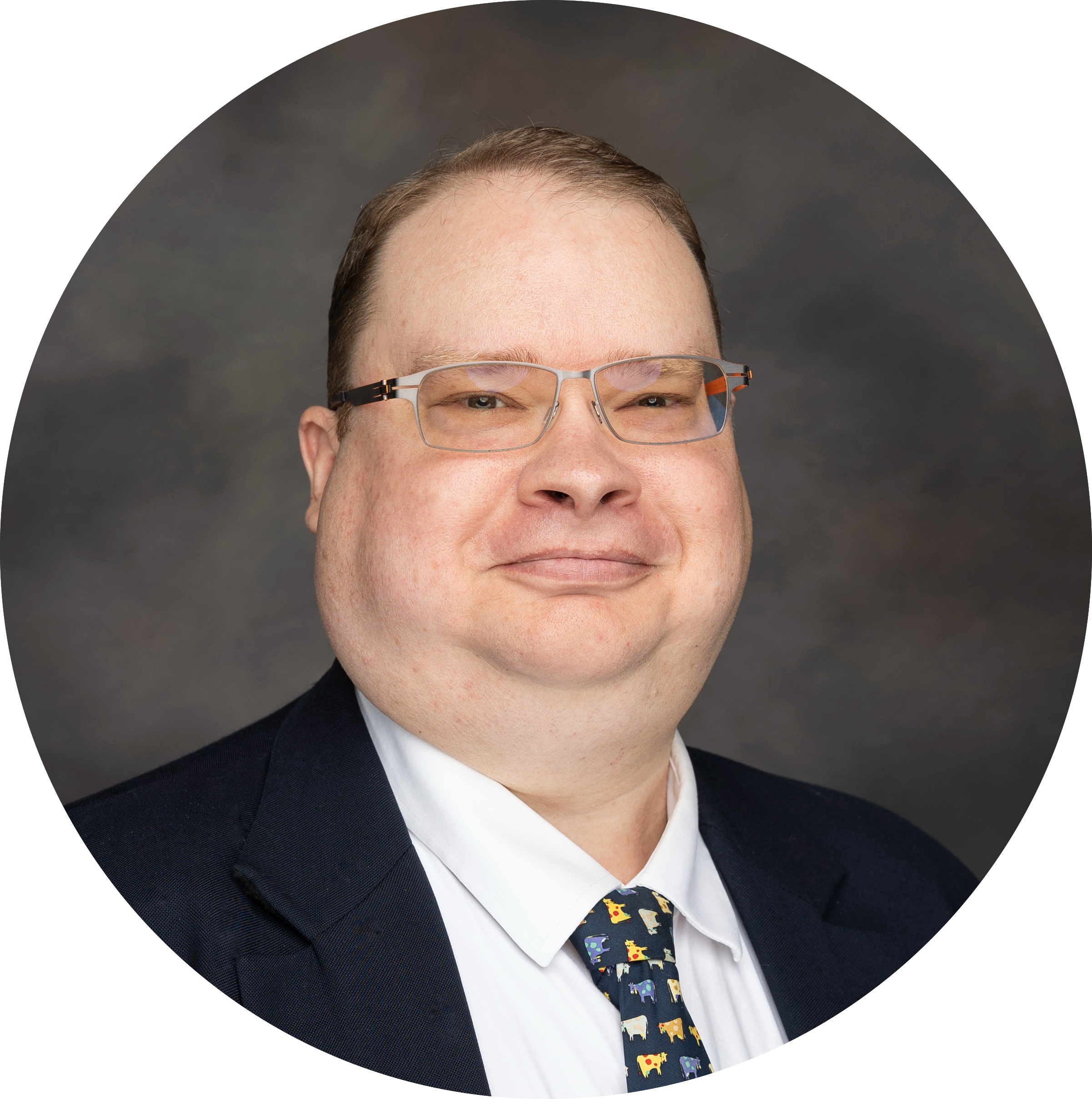 Presenter:
Dr. Christopher Harris is the Director of the School Library System for the Genesee Valley BOCES, an educational services agency supporting the libraries of 22 small, rural districts in Western NY. He was a participant in the first American Library Association Emerging Leaders program in 2007 and was honored as a Library Journal Mover and Shaker in 2008. In 2022, Dr. Harris was named a Senior Fellow for the American Library Association for school libraries and youth policy issues. Dr. Harris received his Ed.D. from St. John Fisher College in 2018 for dissertation research on helping teachers become more confident teaching computer science.
Returning to his earlier work as a member of the ALA/Verizon gaming initiative panel of experts on games in libraries, Christopher started Play Play Learn in 2014. The site provides educational resources and consulting services to connect games and learning in libraries, schools, and homes for students of all ages. In 2015, the first titles in Christopher's Teaching Through Games series were released by Rosen Publishing as professional books with lesson plans for using tabletop games in classroom and library instruction. The Playful Classroom, a series of books with artwork tied to games from HABA were released from Rosen Classroom in 2018. The Unplugged Activities for Future Coders series with play-based approaches for computational thinking was published by Enslow in 2019.
An avid gamer and reader, Christopher lives with his wife, a K-12 school librarian, their daughter, and cats outside of Rochester, NY.
Location: Online via Zoom
8/8/2023
Every organization has problems to solve, obstacles to overcome, and a desire to do things better, but how do you harness that energy and bring about change and improvement? Design thinking might be a useful tool for tackling complex challenges. It is both a process and a mindset fueled by curiosity. Join us for an overview of the how, what and why of design thinking. Follow along one organization’s journey through the process and learn about the unexpected, insightful and fun path they took to develop impactful solutions. Participants will be guided through this process with structured support to spur their creativity and set a course for new discoveries.
Learning Objectives
- Actively experience both the design thinking process and design thinking mindsets.
- Apply the design thinking process to a current opportunity or challenge within their own unique library community.
- Receive actionable tools to begin to solve their identified challenge through a human-centered lens.
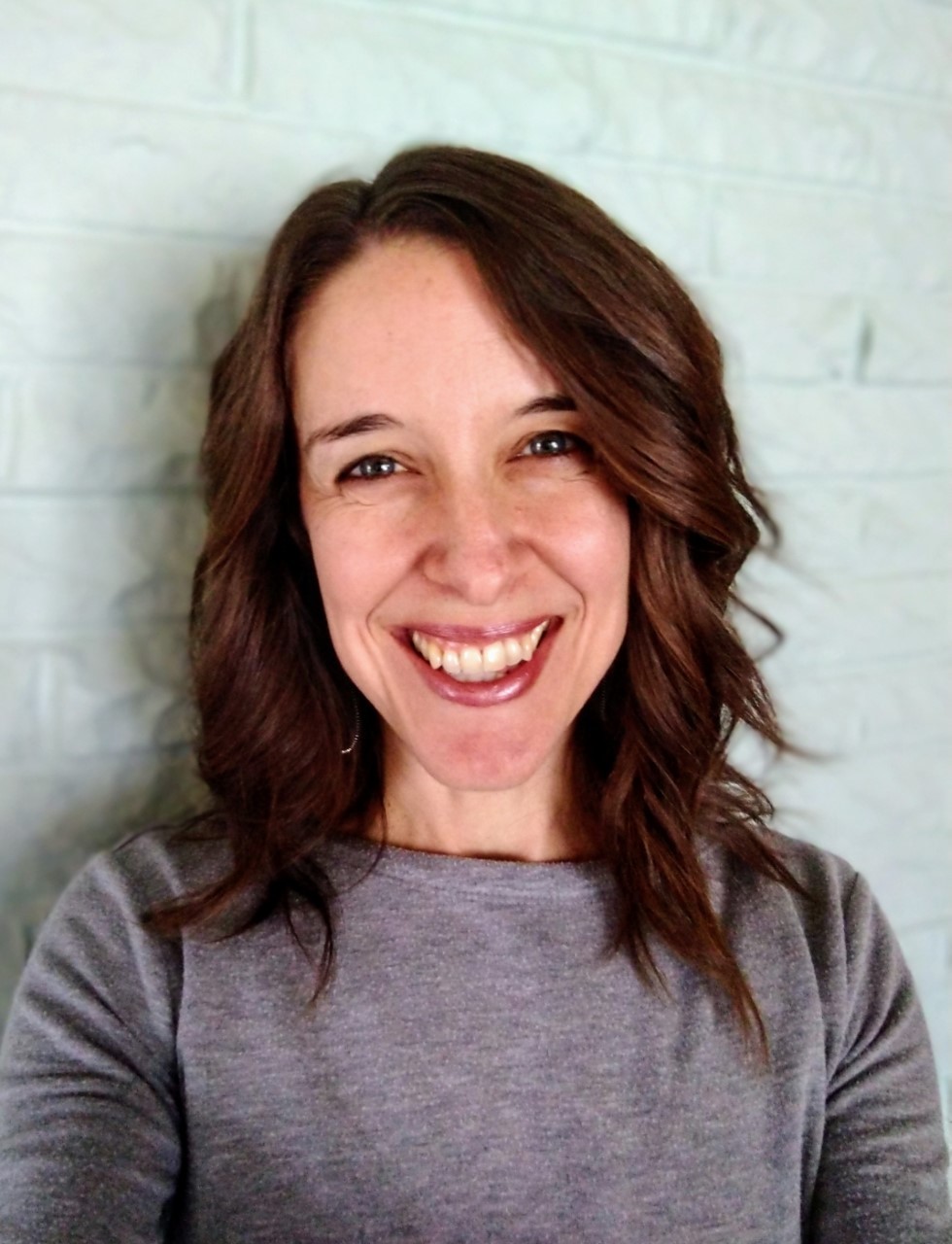 Rachel Siegel is a design + innovation specialist at Lakeland Community College, spearheading The Teachers Guild program for K-12 educators in Northeast Ohio since 2018. Rachel also co-leads Alumni Engagement efforts for The Lakeland Foundation. Trained in human-centered design, Rachel has worked with design + innovation firm IDEO on multiple consulting projects, including the global Parents as Allies initiative. She is currently leading design teams from twenty-eight school districts in Western Pennsylvania on a family-school engagement partnership program supported by The Grable Foundation, Kidsburgh, The Brookings Institution, HundrED, and Learning Heroes. Rachel holds a M.S.Ed in School Counseling from Duquesne University.
 Jen Smyser is the program manager of the Nonprofit and Public Service Center at Lakeland Community. Jen draws on her experiences in higher education, nonprofit organizations and government agencies to inform her work serving the nonprofit community. She relishes volunteer opportunities, serving on the Lake Soil and Water Conservation District as a Board Supervisor and as the “cookie mom” for Girl Scout Troop 70444. Jen graduated from The Ohio State University with a B.A. in Sociology and a B.S. in Natural Resource Management.
Location: Online via Zoom
8/8/2023
 Recorded 8/8/23
Every organization has problems to solve, obstacles to overcome, and a desire to do things better, but how do you harness that energy and bring about change and improvement? Design thinking might be a useful tool for tackling complex challenges. It is both a process and a mindset fueled by curiosity. Join us for an overview of the how, what and why of design thinking. Follow along one organization’s journey through the process and learn about the unexpected, insightful and fun path they took to develop impactful solutions. Participants will be guided through this process with structured support to spur their creativity and set a course for new discoveries.
Learning Objectives
- Actively experience both the design thinking process and design thinking mindsets.
- Apply the design thinking process to a current opportunity or challenge within their own unique library community.
- Receive actionable tools to begin to solve their identified challenge through a human-centered lens.
Rachel Siegel is a design + innovation specialist at Lakeland Community College, spearheading The Teachers Guild program for K-12 educators in Northeast Ohio since 2018. Rachel also co-leads Alumni Engagement efforts for The Lakeland Foundation. Trained in human-centered design, Rachel has worked with design + innovation firm IDEO on multiple consulting projects, including the global Parents as Allies initiative. She is currently leading design teams from twenty-eight school districts in Western Pennsylvania on a family-school engagement partnership program supported by The Grable Foundation, Kidsburgh, The Brookings Institution, HundrED, and Learning Heroes. Rachel holds a M.S.Ed in School Counseling from Duquesne University.
Jen Smyser is the program manager of the Nonprofit and Public Service Center at Lakeland Community. Jen draws on her experiences in higher education, nonprofit organizations and government agencies to inform her work serving the nonprofit community. She relishes volunteer opportunities, serving on the Lake Soil and Water Conservation District as a Board Supervisor and as the “cookie mom” for Girl Scout Troop 70444. Jen graduated from The Ohio State University with a B.A. in Sociology and a B.S. in Natural Resource Management.
Location: Online via Zoom
8/17/2023
Charlotte Mecklenburg Library in NC adopted two major digital equity initiatives in 2021: distributing refurbished laptops to 20,000 adults and building a free WiFi network for a neighborhood with low internet connectivity. We will share knowledge gained, along with outcomes of both projects, during this session. Both projects provided valuable lessons for public libraries interested in digital equity work, from strategic partnerships and staff capacity to legal requirements and considerations for user experience.
Learning Objectives:
- Identify potential challenges and solutions for programs that address digital equity in their community.
- Evaluate potential partnerships that can contribute to the success of digital equity projects.
- Develop a strategic approach to a public library’s role in the digital equity landscape.
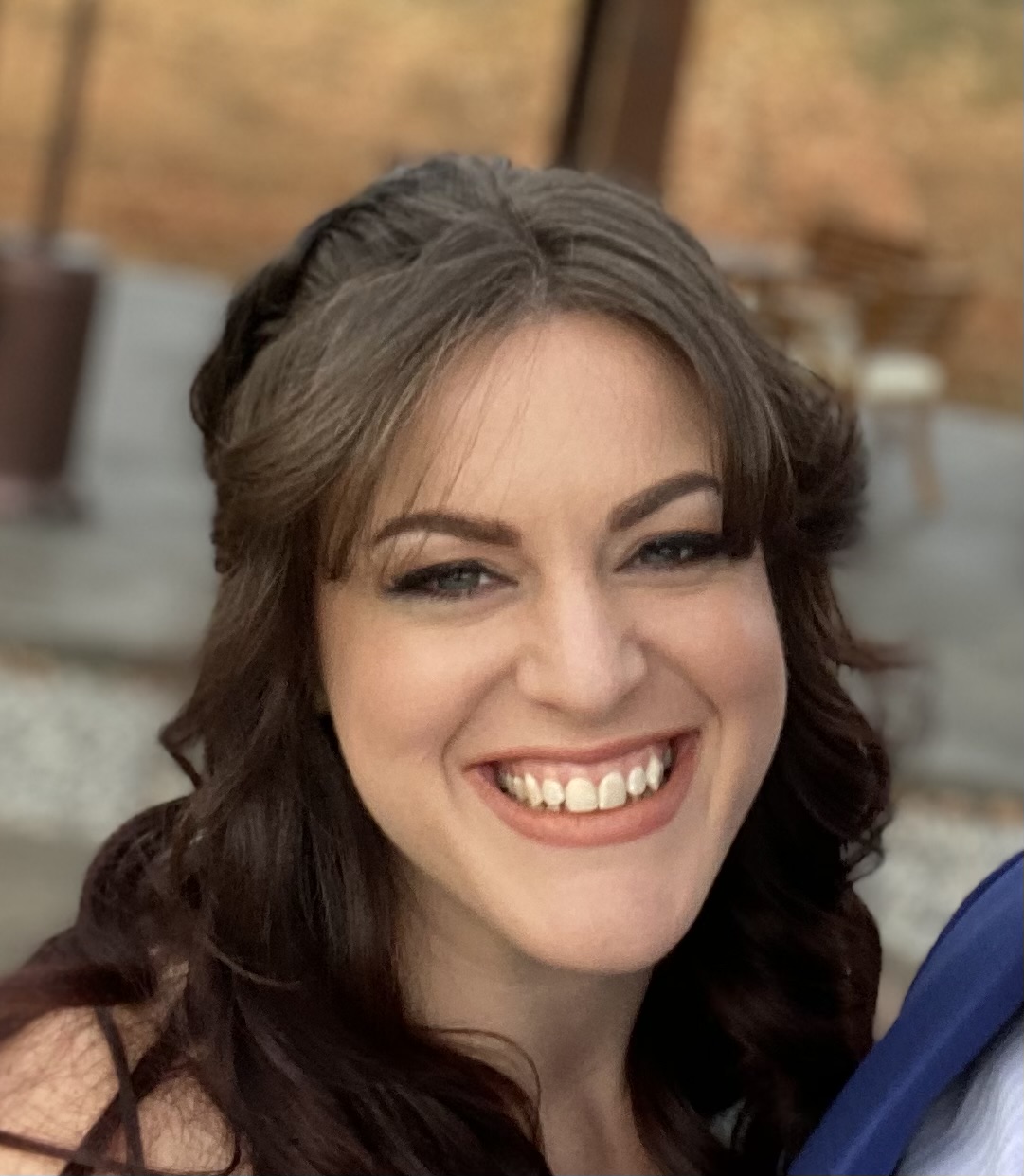 Emery Ortiz has worked in North Carolina public libraries since 2009, beginning in youth services and moving into library administration. After 8 years as a Library Director, she joined Charlotte Mecklenburg Library as its Chief Strategy and Innovation Officer in 2022. Emery loves public libraries for their ability to equitably spread knowledge and a sense of wonder throughout their communities.
Location: Online via Zoom
8/17/2023
Recorded 8/17/23Charlotte Mecklenburg Library in NC adopted two major digital equity initiatives in 2021: distributing refurbished laptops to 20,000 adults and building a free WiFi network for a neighborhood with low internet connectivity. We will share knowledge gained, along with outcomes of both projects, during this session. Both projects provided valuable lessons for public libraries interested in digital equity work, from strategic partnerships and staff capacity to legal requirements and considerations for user experience.
Learning Objectives:
- Identify potential challenges and solutions for programs that address digital equity in their community.
- Evaluate potential partnerships that can contribute to the success of digital equity projects.
- Develop a strategic approach to a public library’s role in the digital equity landscape.
Emery Ortiz has worked in North Carolina public libraries since 2009, beginning in youth services and moving into library administration. After 8 years as a Library Director, she joined Charlotte Mecklenburg Library as its Chief Strategy and Innovation Officer in 2022. Emery loves public libraries for their ability to equitably spread knowledge and a sense of wonder throughout their communities.Location: Online via Zoom
3/7/2024
 Recorded 3/7/24
As gateways to knowledge, libraries have a pivotal role to play in facilitating the safe use of AI. So, gear up for a lively and interactive discussion. Join CML staff, Michaela Herrick and Justin Bumbico, as they delve into the rapidly evolving landscape of Large Language Models (LLMs) such as ChatGPT and Bing Chat for Enterprise within the context of public libraries. Amidst continuous media attention and daily technological changes, CML proactively formed a cross-departmental AI task force to monitor advancements and its impact on libraries. During this session, we’ll explore our findings, focusing on their relevance to library customers and staff. This session will discuss the benefits of AI technology for libraries and underscore the associated challenges and evolution of best practices.
This session will provide a pragmatic understanding of AI’s role, applications, and challenges, regardless of library size or budget. You will gain a better understanding of how every library can benefit from these advancements and how to safeguard against biases and inaccuracies, a vital consideration for all institutions.
Learning Objectives:
- Learn public library applications of Generative AI.
- Gain an understanding of cautions and concerns when deciding on how to use AI in your library.
- Gather resources for education, implementation, and usage of Generative AI technology.
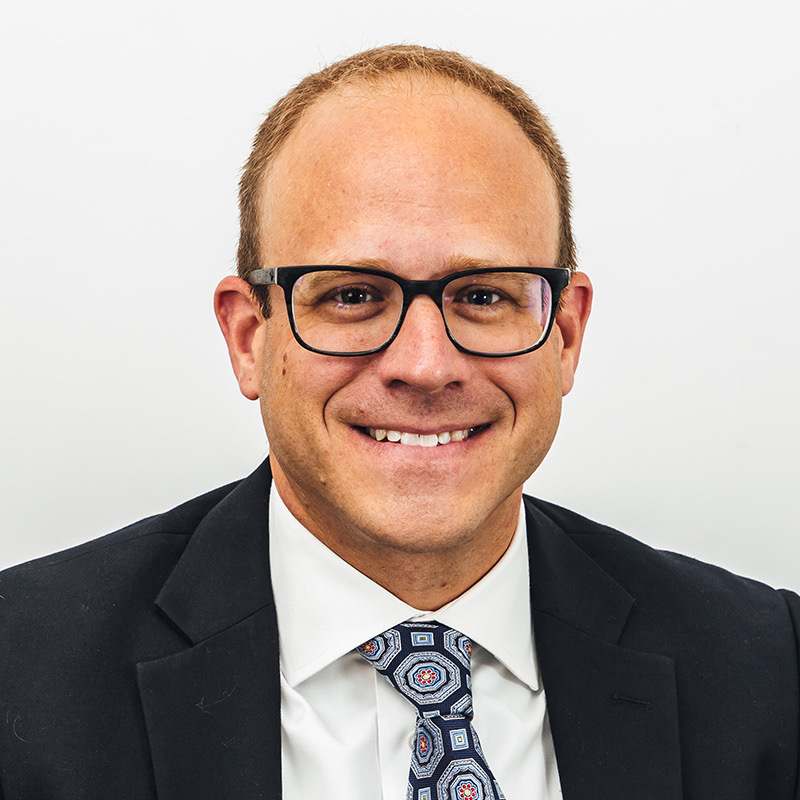 Justin Bumbico serves as the Director of Information Technology at the Columbus Metropolitan Library (CML). In his position, he leads all aspects of CML’s technology operations, including Data Analytics. With over 20 years of experience in the technology field, Justin is focused on delivering reliable, secure, and cost-effective technological solutions.
 Michaela Herrick is a Data and Applications Analyst for the Columbus Metropolitan Library. Past work in social science research from interviewing to data mining informs the way she thinks about library usership and customer encounters. She has a passion for improving processes, understanding library customers, and providing the best library experience by leveraging new and existing data sources. Her passion for data science and libraries has fueled her goal of helping to bridge the gap between analytics and libraries.
Location: Online via Zoom
3/7/2024
As gateways to knowledge, libraries have a pivotal role to play in facilitating the safe use of AI. So, gear up for a lively and interactive discussion. Join CML staff, Michaela Herrick and Justin Bumbico, as they delve into the rapidly evolving landscape of Large Language Models (LLMs) such as ChatGPT and Bing Chat for Enterprise within the context of public libraries. Amidst continuous media attention and daily technological changes, CML proactively formed a cross-departmental AI task force to monitor advancements and its impact on libraries. During this session, we’ll explore our findings, focusing on their relevance to library customers and staff. This session will discuss the benefits of AI technology for libraries and underscore the associated challenges and evolution of best practices.
This session will provide a pragmatic understanding of AI’s role, applications, and challenges, regardless of library size or budget. You will gain a better understanding of how every library can benefit from these advancements and how to safeguard against biases and inaccuracies, a vital consideration for all institutions.
Learning Objectives:
- Learn public library applications of Generative AI.
- Gain an understanding of cautions and concerns when deciding on how to use AI in your library.
- Gather resources for education, implementation, and usage of Generative AI technology.
Justin Bumbico serves as the Director of Information Technology at the Columbus Metropolitan Library (CML). In his position, he leads all aspects of CML’s technology operations, including Data Analytics. With over 20 years of experience in the technology field, Justin is focused on delivering reliable, secure, and cost-effective technological solutions.Michaela Herrick is a Data and Applications Analyst for the Columbus Metropolitan Library. Past work in social science research from interviewing to data mining informs the way she thinks about library usership and customer encounters. She has a passion for improving processes, understanding library customers, and providing the best library experience by leveraging new and existing data sources. Her passion for data science and libraries has fueled her goal of helping to bridge the gap between analytics and libraries.Location: Online via Zoom
6/20/2024
More and more we hear about artificial intelligence (AI), but what is it exactly? Even as AI continues to develop as a technology, its influence can already be felt in libraries. Our speaker will explore the many ways AI has begun to impact our organizations and our patrons, before preparing attendees for what advancements lie ahead in the near future.
Learning Objectives:
- Learn the basic concepts and terminology of artificial intelligence (AI).
- Understand the current impact AI is having on libraries.
- Plan for the program, policy, and service implications of AI.
Nick Tanzi is a nationally recognized library technology consultant, and author of the books Making the Most of Digital Collections Through Training and Outreach (2016) and Best Technologies for Public Libraries: Policies, Programs, and Services (2020). From 2019-2021, Tanzi served as the column editor for Public Library Magazine’s “The Wired Library”. His work has also been featured in publications including VOYA Magazine, Computers in Libraries, Library Journal, and Marketing Library Services.Location: Online via Zoom
6/20/2024
Recorded 6/20/24More and more we hear about artificial intelligence (AI), but what is it exactly? Even as AI continues to develop as a technology, its influence can already be felt in libraries. Our speaker will explore the many ways AI has begun to impact our organizations and our patrons, before preparing attendees for what advancements lie ahead in the near future.
Learning Objectives:
- Learn the basic concepts and terminology of artificial intelligence (AI).
- Understand the current impact AI is having on libraries.
- Plan for the program, policy, and service implications of AI.
Nick Tanzi is a nationally recognized library technology consultant, and author of the books Making the Most of Digital Collections Through Training and Outreach (2016) and Best Technologies for Public Libraries: Policies, Programs, and Services (2020). From 2019-2021, Tanzi served as the column editor for Public Library Magazine’s “The Wired Library”. His work has also been featured in publications including VOYA Magazine, Computers in Libraries, Library Journal, and Marketing Library Services.Location: Online via Zoom
8/28/2024
Sustainability is one of the nine core values in librarianship. This webinar, which will focus specifically on the environmental aspect of sustainability, is geared towards all library staff that are interested in bolstering their library and community against the effects of climate change. It will highlight examples of how librarians can increase their library’s environmental capital through practices, collections, spaces, programs, and strategic plans.
Learning objectives
- Participants will learn what environmental sustainability means in the context of librarianship.
- Participants will understand why environmental stewardship is necessary and important for libraries.
- Participants will gain strategies to increase the environmental capital at their library by applying the obtainable examples given in the webinar.
 Emily Lindberg is a Youth Services Associate at Westlake Porter Public Library and earned her MLIS from Valdosta State University with a specialization in youth services. In 2021 she was certified as a cycling instructor from the League of American Bicyclists, which she uses to educate people who bike and drive how to share the road safely and legally. Emily recently worked alongside city planners to develop an active transportation plan for Lakewood, Ohio. She continues to work as an advocate for pedestrians and bicyclists by implementing programs aimed at giving residents the information, skills, and practical experience they need to take advantage of existing and future active transportation infrastructure.
Location: Online via Zoom
8/28/2024
 Recorded 8/28/24
Sustainability is one of the nine core values in librarianship. This webinar, which will focus specifically on the environmental aspect of sustainability, is geared towards all library staff that are interested in bolstering their library and community against the effects of climate change. It will highlight examples of how librarians can increase their library’s environmental capital through practices, collections, spaces, programs, and strategic plans.
Learning objectives
- Participants will learn what environmental sustainability means in the context of librarianship.
- Participants will understand why environmental stewardship is necessary and important for libraries.
- Participants will gain strategies to increase the environmental capital at their library by applying the obtainable examples given in the webinar.
Emily Lindberg is a Youth Services Associate at Westlake Porter Public Library and earned her MLIS from Valdosta State University with a specialization in youth services. In 2021 she was certified as a cycling instructor from the League of American Bicyclists, which she uses to educate people who bike and drive how to share the road safely and legally. Emily recently worked alongside city planners to develop an active transportation plan for Lakewood, Ohio. She continues to work as an advocate for pedestrians and bicyclists by implementing programs aimed at giving residents the information, skills, and practical experience they need to take advantage of existing and future active transportation infrastructure.Location: Online via Zoom
9/11/2024
Step into the future of library work with our foundational workshop, "AI is Here, Now What Do I Do as a Library Worker?" Designed specifically for library professionals, this beginner’s guide will equip you with the knowledge and skills to seamlessly integrate AI into your everyday workflows. Join us for this engaging and informative workshop and take the first step towards becoming proficient in using AI to revolutionize your work in the library. No prior experience with AI is required—just a curiosity and readiness to embrace the future of library services!
Learning Objectives:
- Understand Generative AI and Overall AI:
- Gain a clear understanding of what generative AI is and how it fits within the broader context of artificial intelligence.
- Explore Future Applications of AI in Libraries:
- Discover the potential ways AI can transform library services and operations.
- Integrate AI into Everyday Individual Workflows:
- Learn practical methods to incorporate AI tools into your daily tasks.
- See real-life examples of how AI can streamline routine processes, improve efficiency, and enhance the quality of service provided to library patrons
 With more than two decades of award-winning experience in the library field, Arnessa Dowell has worn many hats, starting as a Page and eventually taking on the role of Library Director in four different institutions working at academic, public, and federal government libraries. She earned her Master of Library Science degree from North Carolina Central University with a focus in academic librarianship and special collections. Additionally, she earned her Masters of Business Administration from the University of North Alabama with a concentration of Executive Leadership. Ms. Dowell is a passionate advocate for blending strategic planning with AI to expeditiously achieve the desired outcomes.
 Throughout her career, Ms. Dowell has focused on using libraries as dynamic platforms for fostering community engagement, promoting inclusivity, and raising the bar for customer service. Her signature approach involves crafting strategic frameworks that not only adapt to the changing landscape of library services but also position libraries as innovative hubs.
In the ever-evolving library landscape, Ms. Dowell wants to stay at the forefront of driving meaningful change. Her unwavering commitment revolves around solidifying libraries as integral community pillars, powered by the integration of AI technologies and thoughtful strategic planning.
Location: Online via Zoom
9/11/2024
Recorded 9/11/24Step into the future of library work with our foundational workshop, "AI is Here, Now What Do I Do as a Library Worker?" Designed specifically for library professionals, this beginner’s guide will equip you with the knowledge and skills to seamlessly integrate AI into your everyday workflows. Join us for this engaging and informative workshop and take the first step towards becoming proficient in using AI to revolutionize your work in the library. No prior experience with AI is required—just a curiosity and readiness to embrace the future of library services!
Learning Objectives:
- Understand Generative AI and Overall AI:
- Gain a clear understanding of what generative AI is and how it fits within the broader context of artificial intelligence.
- Explore Future Applications of AI in Libraries:
- Discover the potential ways AI can transform library services and operations.
- Integrate AI into Everyday Individual Workflows:
- Learn practical methods to incorporate AI tools into your daily tasks.
- See real-life examples of how AI can streamline routine processes, improve efficiency, and enhance the quality of service provided to library patrons
With more than two decades of award-winning experience in the library field, Arnessa Dowell has worn many hats, starting as a Page and eventually taking on the role of Library Director in four different institutions working at academic, public, and federal government libraries. She earned her Master of Library Science degree from North Carolina Central University with a focus in academic librarianship and special collections. Additionally, she earned her Masters of Business Administration from the University of North Alabama with a concentration of Executive Leadership. Ms. Dowell is a passionate advocate for blending strategic planning with AI to expeditiously achieve the desired outcomes. Throughout her career, Ms. Dowell has focused on using libraries as dynamic platforms for fostering community engagement, promoting inclusivity, and raising the bar for customer service. Her signature approach involves crafting strategic frameworks that not only adapt to the changing landscape of library services but also position libraries as innovative hubs.
In the ever-evolving library landscape, Ms. Dowell wants to stay at the forefront of driving meaningful change. Her unwavering commitment revolves around solidifying libraries as integral community pillars, powered by the integration of AI technologies and thoughtful strategic planning.
Location: Online via Zoom
11/7/2024
Keynote: Recent Trends in Generative AI
Keynote Sponsor
Presenter:
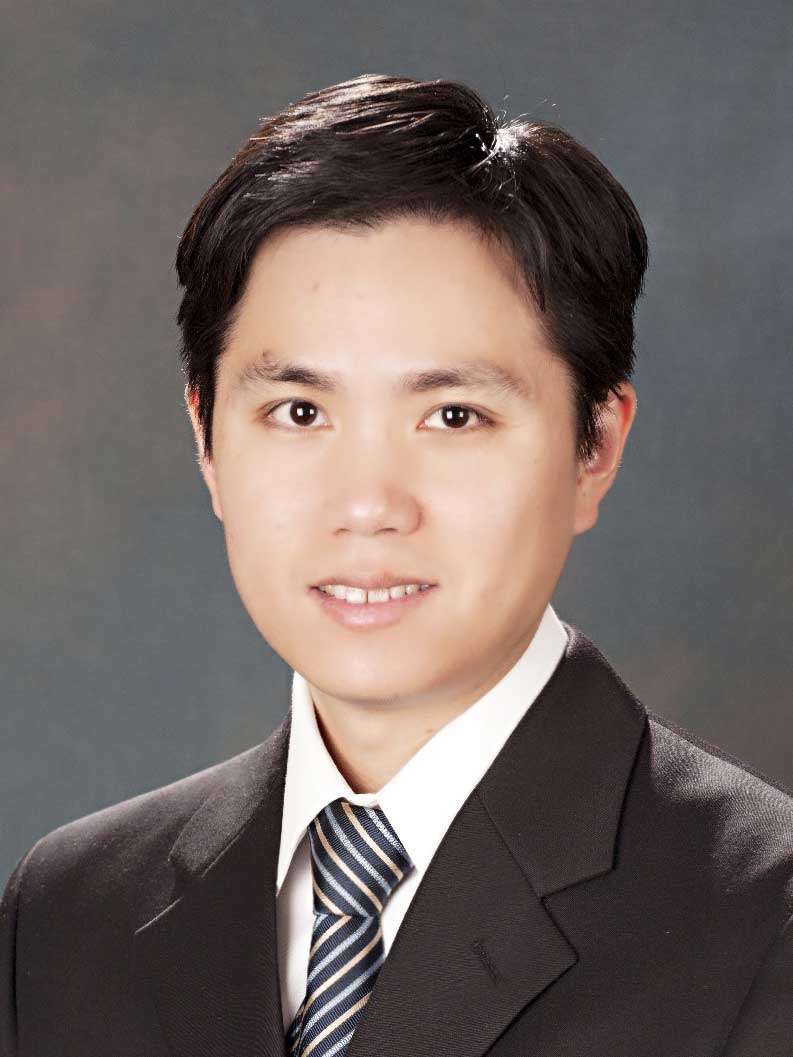 Jia (Kevin) Liu is an Associate Professor in the Dept. of Electrical and Computer Engineering at The Ohio State University (OSU) and an Amazon Visiting Academic (AVA) with Amazon.com. He currently serves as the Managing Director of the NSF AI Institute for Future Edge Networks and Distributed Intelligence (AI-EDGE) at OSU. He received his Ph.D. degree from the Dept. of Electrical and Computer Engineering at Virginia Tech in 2010. His research areas include theoretical machine learning, stochastic network optimization and control, and performance analysis for data analytics infrastructure and cyber-physical systems. Dr. Liu is a senior member of IEEE and a member of ACM. He has received numerous best paper awards at top venues in the areas of networking and communications. He has also received multiple honors of long/spotlight presentations at top machine learning conferences, including ICML, NeurIPS, and ICLR. He is an NSF CAREER Award recipient in 2020, a winner of the DARPA Young Faculty Award (YFA) in 2024, and a winner of the Google Faculty Research Award in 2020.
Breakout Session 1
Recovering From & Avoiding Ransomware
The Daviess County Public Library had three consecutive run-ins with ransomware in 2019. In this session, Wesley Johnson, from DCPL’s IT department, will discuss how it happened, how they recovered from it, and what they implemented to help them avoid it in the future.
Presenter:
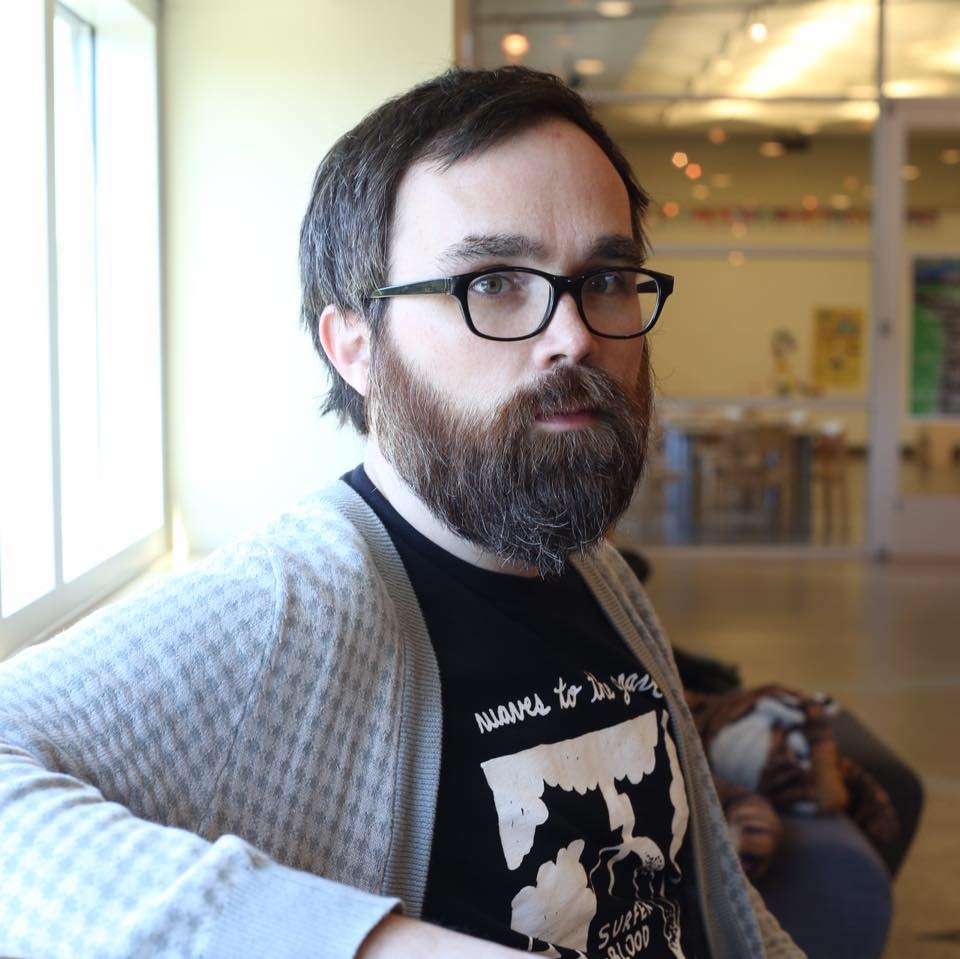 Wesley Johnson, wjohnson@dcplibrary.org, is a Library Associate/IT Technician at the Daviess County Public Library. His time is split between computer repair and adult programming. He has presented at the Kentucky Public Library Association Conference, Kentucky Library Association Conference, and Computers in Libraries.
 Breaking Boundaries: Harnessing the Power of Artificial Intelligence and ChatGPT to Transform Library Services
Join the Artificial Intelligence revolution in libraries by leveraging the potential of machine learning applications to enhance library services. Attendees will explore a holistic strategy to guide evaluating AI's role in the research process using information literacy frameworks. This comprehensive three-part presentation will equip attendees with a theoretical foundation for understanding the role AI can play in libraries, give practical demonstrations on integrating AI into library services, and provide valuable insights on building alliances within their institution to overcome the challenges of incorporating AI. A component of the session will be real-time crowdsourcing of AI tools, prompt engineering, AI literacy concepts, and potential AI initiative opportunities. Take advantage of this growing opportunity to explore the empowering potential of Generative AI and its impact on the future of library services.
Learning Objectives:
- Learn how to leverage Artificial Intelligence and ChatGPT in a library context.
- Recognize the benefits and challenges of incorporating AI projects in libraries.
- Discuss AI Literacy concepts including ethical concerns related to AI and ChatGPT in libraries, issues of bias and misinformation, and strategies to ensure appropriate AI implementation in library settings.
- Develop practical steps for initiating collaborative AI projects in your library or institution.
- Explore ways to assess the success and impact of collaborative AI initiatives.
 Christopher M. Jimenez, Web Services Librarian, Florida International University
Chris works as a librarian at Florida International University Libraries, where he is part of the Information and Research Services Department. His specialty is Web Services, and his research interests include topics like web design, information literacy, and using new technologies in libraries. Recently, Jimenez has done webinars and published scholarship looking at how artificial intelligence could be used in libraries, as well as how taking a user experience-focused approach can help libraries adapt to the changing nature of research.
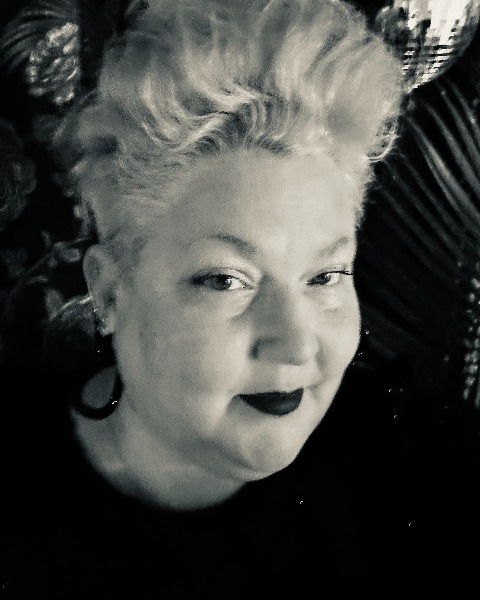 Melissa Del Castillo (she/her) is the Virtual Learning & Outreach Librarian at Florida International University, the largest minority-serving institution in the State of Florida, and the largest Hispanic Serving Institution in the United States. She is a dedicated academic reference librarian passionate about public service and information literacy. Her primary work responsibilities include coordinating the virtual chat reference services, assessing service offerings, creating learning objects, administration of LibApps, and library instruction. Melissa’s commitment to lifelong learning, collaboration, and mentoring is reflected across all aspects of her librarianship, through her service work, scholarship, and day-to-day practice. She fosters collegiality, spreads awareness, shares new knowledge, and diligently advocates for her library users’ needs. Her research interests include visual literacy, threshold concepts, instruction, active learning pedagogy, embedded librarianship, diversity, accessibility, and the value of reference. Melissa is also interested in developing tools to promote AI literacy and the evaluation of generative AI. Ultimately, we will need to strike a balance between traditional human decision-making and AI algorithms.
Breakout Session 2
The presentation will discuss the current threat landscape and trends we are seeing. Some foundational steps to take to protect their networks and educate users. I will also talk about a few services CISA offers that may be beneficial to help increase security and awareness.
Presenter:
 Jillian Burner has over 20 years’ experience in the public sector, 14 of those years being focused on cybersecurity. Jillian has led cyber leaders and operators at different levels within the state, county, and local governments. She has experience with all aspects of incident response, forensic investigations and has led teams of engineers that collaborate with internal and external partners to implement enterprise cybersecurity solutions and mitigate risk. Jillian is a Cybersecurity Advisor with the Cybersecurity Infrastructure Security Agency (CISA) and focuses on building resiliency within critical infrastructure sectors in Ohio. Jillian is a United States Air Force veteran, holds a Digital Forensics and Cyber Investigations from University Maryland Global Campus and is an ISACA Certified Information Security Manager (CISM).
Talpa: How to Build an AI Product for Libraries and Not Lose Your Soul
Is AI a game changer or another inflated tech trend? Is it invaluable or useless? Should libraries embrace it—or reject it? Tim Spalding, the founder of LibraryThing and creator of Talpa Search, cuts through the hype and horror around artificial intelligence, to offer a balanced perspective: AI is neither panacea nor plague. It can be horribly misused, but it has good uses and much potential, especially when aligned with library values and know-how.
Tim will ground his reflections in his experience as the principle developer of Talpa Search, a new library search system based on both AI and library data, best known for something that isn't even really AI at all—answering the age-old question "Do you have that book… it's blue?"
Presenter:
 Tim Spalding is the founder and president of LibraryThing. LibraryThing is known for the cataloging and social networking site LibraryThing.com, with millions of devoted members. LibraryThing also co-develops Syndetics Unbound, with ProQuest/Clarivate, enhancing thousands of OPACs around the world. Recently, Tim and his team of programmers and librarians created Talpa Search, the focus of his session. A one-time aspiring Classics scholar, Tim lives with his wife and son in Portland, Maine.
Breakout Session 3
 Ryan McCoy serves as Technology Director for the Akron-Summit County Public Library, bringing over 14 years of experience and 7 certifications from the Information Technology field. He has a Master's degree in Library and Information Science and is a Certified Information Systems Security Professional (CISSP). He actively contributes to the community as a member of the North High School Technology Advisory Board, volunteer computer teacher for Project Learn Summit, and a member of Akron Torchbearers.
 This presentation will provide an overview of Santa Ana Public Library's AstounD Robot-Mediated Behavior Intervention (RMBI) program. This program connects Neurodivergent youth with RMBI Robots and technology tools, using advanced artificial intelligence programming, which helps them develop social and life skills as well as facilitate learning. This presentation will provide a showcase of several different types of RMBI programmed robots and technology tools, as well as best practices that have been utilized as part of the AStounD program at the Santa Ana Public Library for the past two years of our program's pilot. Additionally the presentation will discuss program components that engage teen volunteers, parents, and community stakeholders. There will also be a focus provided on programmatic elements that support the lending out of robotic companions for home use. This program was featured in a CNN evening news segment and articles in both Mother Jones and American Libraries.
Presenters:
 Cheryl A. Eberly is the Principal Librarian for the Young Adult and Volunteer Services at the Santa Ana Public Library. She is the responsible for the creation and development of the 2014 National Arts and Humanities award winning TeenSpace Circle of Mentoring Project. She has over 15 years of experience in engaging youth and emerging adults via a targeted mentorship approach to civic engagement and youth workforce development via the various mentorship based programs at the library like the Teen Community Historians, Youth Health Ambassadors, and Seeds to Trees Digital Media Technology Institute Program at Santa Ana Public Library. She was the Project Director for the Memories of Migration Project. It is a three-year, library-based community memory program funded by the Federal Institute for Museum and Library Services (IMLS) to build community connections and cultural heritage collections through documenting the stories of migration in America. Partners for the project are Historypin, New Mexico Department of Cultural Affairs, Queens Library, West Hartford Public Library and REFORMA. She was also the project Director for the “Youth Know CS” project which is an ALA “ Libraries Ready to Code” sponsored program. In 2020, she piloted a Robots in Residence and an AStounD Robot-Mediated Behavior Intervention program for Neurodivergent Youth at the Santa Ana Public Library.
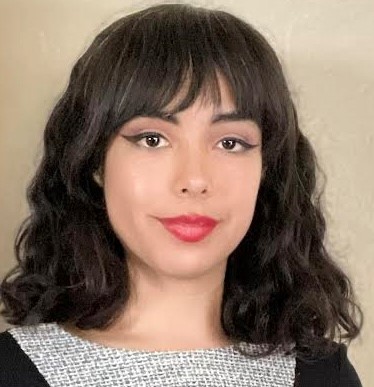 Yocelin Esqueda is the primary STEM educator at the Santa Ana Public Library. She engages youth in a variety of engineering and mathematical activities, introducing them to STEM concepts through programs like Robo Digi-Buddy and Robo Fun-Time. Currently pursuing a degree in Computer Engineering, Yocelin is passionate about utilizing robots to actively engage students on the spectrum in their learning journeys, tailoring interactions to accommodate and support their unique learning styles. The Robot Mediated Behavior Intervention program at the Santa Ana Public Library allows her to explore innovative educational techniques, enhancing the learning experiences of neurodivergent youth.
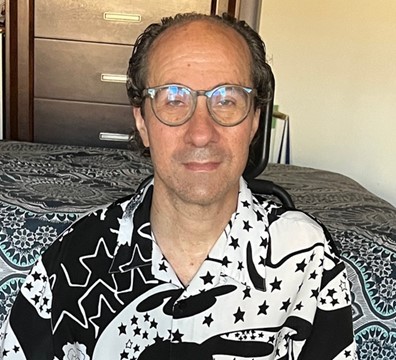 Lawrence Singer entered the library and information services field in a roundabout way, first being in the mental health field as a doctor of psychology. This past experience helped him greatly in the adventure that awaited when he took a job at the Santa Ana Public Library working in the Teenspace. Lawrence began mentoring and conducting life skills and executive functioning presentations, as well as taking part in the various programs offered. With the launch of AStounD and Robots in Residence began, Lawrence was a natural choice to help helm the program, learning about Robot Mediated Behavior Intervention (RMBI) in order to utilize clinically sound and proven techniques to reach the youth on the spectrum. The program has been a success and is unlike any other program offered in the library profession.
Closing Session:
A structured round table discussion and an opportunity for more networking.
Location: Hilton Garden Inn
8971 Wilcox Dr
Twinsburg, OH 44087
This class was a popular class and it is full. Please email Melissa Lattanzi, lattanzm@neo-rls.org to be put on a waiting list and an additional class may be added for the future.
12/10/2024
Elevate your library work to new heights with our intermediate workshop regarding A.I. This session is designed for library professionals who have a basic understanding of AI and are ready to deepen their knowledge and application of AI tools and techniques in their workflows. Join us for this comprehensive workshop and take your AI knowledge to the next level. Equip yourself with the expertise to lead AI initiatives and make a significant impact on your library's future. Participants should have a foundational understanding of AI concepts and a willingness to engage in more technical discussions in order to apply the knowledge.
Learning Objectives:
- Deep Dive into Generative AI and Applications:
- Enhance your understanding of generative AI and their applications that are most helpful to library work.
- Strategic Implementation of AI in Library Services:
- Learn how where to strategically implement AI solutions to address common library challenges and improve service delivery.
- Investigate case studies and best practices from libraries that have successfully integrated AI into their operations.
- Optimize Individual and Team Workflows with AI:
- Discover advanced techniques to optimize both individual and team workflows within the library using AI
With more than two decades of award-winning experience in the library field, Arnessa Dowell has worn many hats, starting as a Page and eventually taking on the role of Library Director in four different institutions working at academic, public, and federal government libraries. She earned her Master of Library Science degree from North Carolina Central University with a focus in academic librarianship and special collections. Additionally, she earned her Masters of Business Administration from the University of North Alabama with a concentration of Executive Leadership. Ms. Dowell is a passionate advocate for blending strategic planning with AI to expeditiously achieve the desired outcomes. Throughout her career, Ms. Dowell has focused on using libraries as dynamic platforms for fostering community engagement, promoting inclusivity, and raising the bar for customer service. Her signature approach involves crafting strategic frameworks that not only adapt to the changing landscape of library services but also position libraries as innovative hubs.
In the ever-evolving library landscape, Ms. Dowell wants to stay at the forefront of driving meaningful change. Her unwavering commitment revolves around solidifying libraries as integral community pillars, powered by the integration of AI technologies and thoughtful strategic planning.
Location: Online via Zoom
12/10/2024
 Recorded: 12/10/24
Elevate your library work to new heights with our intermediate workshop regarding A.I. This session is designed for library professionals who have a basic understanding of AI and are ready to deepen their knowledge and application of AI tools and techniques in their workflows. Join us for this comprehensive workshop and take your AI knowledge to the next level. Equip yourself with the expertise to lead AI initiatives and make a significant impact on your library's future. Participants should have a foundational understanding of AI concepts and a willingness to engage in more technical discussions in order to apply the knowledge.
Learning Objectives:
- Deep Dive into Generative AI and Applications:
- Enhance your understanding of generative AI and their applications that are most helpful to library work.
- Strategic Implementation of AI in Library Services:
- Learn how where to strategically implement AI solutions to address common library challenges and improve service delivery.
- Investigate case studies and best practices from libraries that have successfully integrated AI into their operations.
- Optimize Individual and Team Workflows with AI:
- Discover advanced techniques to optimize both individual and team workflows within the library using AI
With more than two decades of award-winning experience in the library field, Arnessa Dowell has worn many hats, starting as a Page and eventually taking on the role of Library Director in four different institutions working at academic, public, and federal government libraries. She earned her Master of Library Science degree from North Carolina Central University with a focus in academic librarianship and special collections. Additionally, she earned her Masters of Business Administration from the University of North Alabama with a concentration of Executive Leadership. Ms. Dowell is a passionate advocate for blending strategic planning with AI to expeditiously achieve the desired outcomes. Throughout her career, Ms. Dowell has focused on using libraries as dynamic platforms for fostering community engagement, promoting inclusivity, and raising the bar for customer service. Her signature approach involves crafting strategic frameworks that not only adapt to the changing landscape of library services but also position libraries as innovative hubs.
In the ever-evolving library landscape, Ms. Dowell wants to stay at the forefront of driving meaningful change. Her unwavering commitment revolves around solidifying libraries as integral community pillars, powered by the integration of AI technologies and thoughtful strategic planning.
Location: Online via Zoom
4/16/2025
As libraries chart a course in the age of AI, there are a host of ethical issues we'll need to navigate, both as individuals and as organizations. This talk will discuss a number of concerns, including algorithmic bias, user privacy, and copyright/intellectual property, as we work to answer the question: how can we adapt to a changing technology landscape while staying true to our professional ethics?
Learning Objectives:
- Identify library-specific AI ethical concerns.
- Explore case studies in AI ethics.
- Review library ethical frameworks.
Nick Tanzi is the Assistant Director of the South Huntington Public Library. He is an internationally recognized library technology consultant and the author of the books Making the Most of Digital Collections Through Training and Outreach (2016) and the coauthor of the Best Technologies for Public Libraries: Policies, Programs, and Services (2020). Nick is a past column editor for Public Library Magazine’s “The Wired Library," and his work on the intersection of libraries and technology has been featured in publications including Computers in Libraries, Library Journal, and Marketing Library Services.Location: Online via Zoom
4/16/2025
 Recorded 4/16/2025
As libraries chart a course in the age of AI, there are a host of ethical issues we'll need to navigate, both as individuals and as organizations. This talk will discuss a number of concerns, including algorithmic bias, user privacy, and copyright/intellectual property, as we work to answer the question: how can we adapt to a changing technology landscape while staying true to our professional ethics?
Learning Objectives:
- Identify library-specific AI ethical concerns.
- Explore case studies in AI ethics.
- Review library ethical frameworks.
Nick Tanzi is the Assistant Director of the South Huntington Public Library. He is an internationally recognized library technology consultant and the author of the books Making the Most of Digital Collections Through Training and Outreach (2016) and the coauthor of the Best Technologies for Public Libraries: Policies, Programs, and Services (2020). Nick is a past column editor for Public Library Magazine’s “The Wired Library," and his work on the intersection of libraries and technology has been featured in publications including Computers in Libraries, Library Journal, and Marketing Library Services.Location: Online via Zoom
6/12/2025
Do you have a makerspace? Are you thinking about creating a makerspace? Here is an opportunity to talk with your peers to share ideas, successes and challenges. This meeting will be held through Zoom which is user friendly for all devices. You will receive a link in your confirmation email and a reminder 2 hours before the meeting. We hope you will join us. Please send agenda items/questions to Melissa Lattanzi.
Location: Online via Zoom
9/11/2025
We’re excited to unveil a fresh approach to professional connection and collaboration. Our traditional networking meetings are now Active Learning Communities—dynamic spaces designed for shared learning, real conversation, and practical support.
Join your peers to exchange ideas, celebrate successes, and discover new solutions to common challenges. You'll also get a guided introduction to our new message boards, which will help keep the conversation going long after the meeting ends.
This meeting will be held through Zoom which is user friendly to all devices. You will receive a link in your confirmation email a reminder 2 hours before the meeting. We hope you will join us. Please send agenda items/questions to Melissa Lattanzi.
Location: Online via Zoom
1/21/2026
Join your peers to exchange ideas, celebrate successes, and discover new solutions to common challenges.
This meeting will be held through Zoom which is user friendly to all devices. You will receive a link in your confirmation email a reminder 2 hours before the meeting. We hope you will join us. Please send agenda items/questions to Melissa Lattanzi.
Location: Online via Zoom
1/27/2026
Recorded 1/27/26Accessibility workflows are a crucial step in the full lifecycle of digital collections work. Too often, however, these workflows are time consuming, tedious, and a significant burden on teams with limited resources. How can we lighten the workload of creating accessible collections, while ensuring the accuracy of the information provided? While it may not be the answer to every problem, artificial intelligence (combined with human quality control) can help teams improve the accessibility of their digital collections. This improved access to collections will enrich the teaching and learning of faculty, staff, and students across campus.
In this presentation, presenters will explore the intersection of AI, accessibility, and digitized special collections. By exploring image descriptions, transcriptions of hand-written materials, and Retrieval Augmented Generation (RAG) for information retrieval, the team will share the ways in which AI has helped (or harmed) digital collections workflows.
Learning Objectives:
- Explain how AI tools can be integrated into accessibility workflows for digitized special collections, including its potential benefits and limitations when paired with human quality control.
- Evaluate the effectiveness of AI-assisted tools for image description and handwritten text transcription in improving access to digital collections.
- Identify practical strategies for using AI to reduce staff workload while maintaining accuracy and ethical standards in accessible digital collections work.
Sidney Gao, Interim Director of Digital Initiatives, Digital Collections Manager, University of Cincinnati Libraries
Sean Crowe, Digital Projects Librarian, University of Cincinnati Libraries
Location: Online via Zoom
1/27/2026
Accessibility workflows are a crucial step in the full lifecycle of digital collections work. Too often, however, these workflows are time consuming, tedious, and a significant burden on teams with limited resources. How can we lighten the workload of creating accessible collections, while ensuring the accuracy of the information provided? While it may not be the answer to every problem, artificial intelligence (combined with human quality control) can help teams improve the accessibility of their digital collections. This improved access to collections will enrich the teaching and learning of faculty, staff, and students across campus.
In this presentation, presenters will explore the intersection of AI, accessibility, and digitized special collections. By exploring image descriptions, transcriptions of hand-written materials, and Retrieval Augmented Generation (RAG) for information retrieval, the team will share the ways in which AI has helped (or harmed) digital collections workflows.
Learning Objectives:
- Explain how AI tools can be integrated into accessibility workflows for digitized special collections, including its potential benefits and limitations when paired with human quality control.
- Evaluate the effectiveness of AI-assisted tools for image description and handwritten text transcription in improving access to digital collections.
- Identify practical strategies for using AI to reduce staff workload while maintaining accuracy and ethical standards in accessible digital collections work.
Sidney Gao, Interim Director of Digital Initiatives, Digital Collections Manager, University of Cincinnati Libraries
Sean Crowe, Digital Projects Librarian, University of Cincinnati Libraries
Location: Online via Zoom
1/29/2026
Unlock new levels of efficiency and impact for your projects. This hands-on session introduces "The AI Advantage," a modern approach to project management designed specifically for community leaders. We will demystify artificial intelligence and demonstrate how to leverage powerful, free tools like Google's Gemini and NotebookLM to streamline every phase of your project lifecycle.
Learning Objectives:
- Brainstorm & Plan with Gemini: Use Gemini as a creative partner to generate innovative project ideas, develop detailed action plans, create timelines, and delegate tasks.
- Draft Communications in Seconds: Instantly create compelling emails for coworkers, social media posts for promotion, and thank-you letters for partners and stakeholders.
- Centralize Your Project Knowledge with NotebookLM: Transform meeting minutes, past project reports, and documents into an intelligent, searchable database. Get instant answers to questions like, "What was our budget for last year's fundraiser?" or "Summarize the key takeaways from our planning meeting."
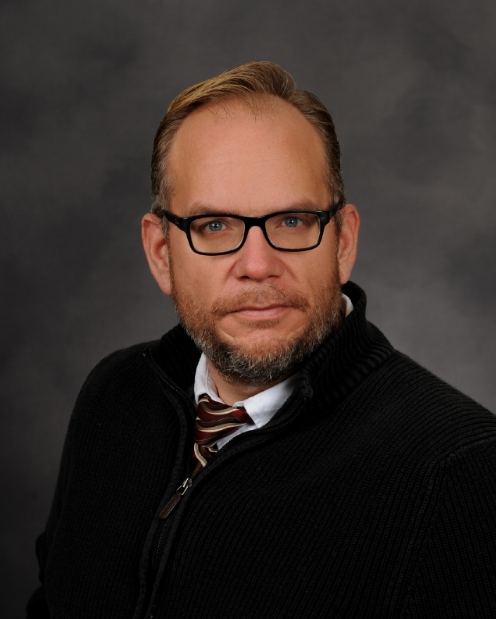 George Garrett is the principal at Mathews High School in Vienna, Ohio, where he has dedicated over two decades to serving the school community. His extensive experience at Mathews includes roles as a teacher, coach, and administrator. George began his career in education as a language arts teacher before transitioning to a technology educator, sharing his expertise with junior high and high school students, as well as adults through evening programs at the Trumbull Independent Public Libraries.
Location: Online via Zoom
1/29/2026
Recorded 1/29/26Unlock new levels of efficiency and impact for your projects. This hands-on session introduces "The AI Advantage," a modern approach to project management designed specifically for community leaders. We will demystify artificial intelligence and demonstrate how to leverage powerful, free tools like Google's Gemini and NotebookLM to streamline every phase of your project lifecycle.
Learning Objectives:
- Brainstorm & Plan with Gemini: Use Gemini as a creative partner to generate innovative project ideas, develop detailed action plans, create timelines, and delegate tasks.
- Draft Communications in Seconds: Instantly create compelling emails for coworkers, social media posts for promotion, and thank-you letters for partners and stakeholders.
- Centralize Your Project Knowledge with NotebookLM: Transform meeting minutes, past project reports, and documents into an intelligent, searchable database. Get instant answers to questions like, "What was our budget for last year's fundraiser?" or "Summarize the key takeaways from our planning meeting."
George Garrett is the principal at Mathews High School in Vienna, Ohio, where he has dedicated over two decades to serving the school community. His extensive experience at Mathews includes roles as a teacher, coach, and administrator. George began his career in education as a language arts teacher before transitioning to a technology educator, sharing his expertise with junior high and high school students, as well as adults through evening programs at the Trumbull Independent Public Libraries.Location: Online via Zoom
2/26/2026
Recorded: 2/26/26
As teachers and librarians, you’re on the front lines of introducing AI to students. But with headlines warning about AI’s massive energy demands, how do you balance the need for AI literacy with decisions about acting sustainably?
This webinar cuts through the confusion to help you make informed choices about sustainability in your classrooms, libraries, and communities.
We’ll examine independent estimates of AI’s energy and water use and put them in context in ways that are easy to understand.
We’ll include an introduction to how data centers work and what they are used for. We’ll clarify what we know and what’s still uncertain about AI’s carbon footprint (both in the present and in future projections).
We’ll compare individual AI use to other digital activities, and we’ll also look at global use of data centers with statistics from the International Energy Agency.
Did you know that AI technologies are also being used to mitigate climate change? We’ll look at some of the many innovations underway related to greener data centers, hardware, and chips. And we’ll look at how AI is being used in projects that map deforestation, improve recycling, clean up the ocean, innovate new materials for greener buildings, and more.
You’ll come away with some practical tips for answering questions from students, and some simple advocacy steps to use in your communities.
Learning agenda
- Review statistics about energy use of AI in a clearer context than the usual “factoids” you see in many headlines.
- Understand some basic facts about data centers and their use for AI and other technologies.
- Look at the history of news reporting about the energy use of other new technologies (like online book ordering in 1999 and streaming media in 2020).
- Compare the carbon footprint of individual uses of AI with uses of other technologies and then zoom out to global use and what it could mean for climate change.
- Examine the history of “Jevons paradox” and why it’s often quoted in relation to the growth of AI.
- See examples of how AI itself is currently being used to mitigate climate change.
- Get some practical tips for answering questions about AI and sustainability, and what we can advocate for collectively related to sustainable AI.
Nicole Hennig is an expert in instructional design, user experience, and emerging technologies. She is currently an e-learning developer and AI education specialist at the University of Arizona Libraries.
Previously, she worked for the MIT Libraries as head of the user experience department. In her 14 years of experience at MIT, she won awards for innovation and worked to keep academics up to date with the best new technologies.
She is the author of several books, including Keeping Up with Emerging Technologies, Apps for Librarians, and Privacy & Security Online.
Librarians who take her courses are applying what they’ve learned in their communities. See their testimonials.
To stay current with the latest developments in AI, sign up for her email newsletter, Generative AI News, and follow her on Bluesky or Mastodon, where she posts daily about libraries, artificial intelligence, and other technologies.
Location: Online via Zoom
2/26/2026
As teachers and librarians, you’re on the front lines of introducing AI to students. But with headlines warning about AI’s massive energy demands, how do you balance the need for AI literacy with decisions about acting sustainably?
This webinar cuts through the confusion to help you make informed choices about sustainability in your classrooms, libraries, and communities.
We’ll examine independent estimates of AI’s energy and water use and put them in context in ways that are easy to understand.
We’ll include an introduction to how data centers work and what they are used for. We’ll clarify what we know and what’s still uncertain about AI’s carbon footprint (both in the present and in future projections).
We’ll compare individual AI use to other digital activities, and we’ll also look at global use of data centers with statistics from the International Energy Agency.
Did you know that AI technologies are also being used to mitigate climate change? We’ll look at some of the many innovations underway related to greener data centers, hardware, and chips. And we’ll look at how AI is being used in projects that map deforestation, improve recycling, clean up the ocean, innovate new materials for greener buildings, and more.
You’ll come away with some practical tips for answering questions from students, and some simple advocacy steps to use in your communities.
Learning agenda
- Review statistics about energy use of AI in a clearer context than the usual “factoids” you see in many headlines.
- Understand some basic facts about data centers and their use for AI and other technologies.
- Look at the history of news reporting about the energy use of other new technologies (like online book ordering in 1999 and streaming media in 2020).
- Compare the carbon footprint of individual uses of AI with uses of other technologies and then zoom out to global use and what it could mean for climate change.
- Examine the history of “Jevons paradox” and why it’s often quoted in relation to the growth of AI.
- See examples of how AI itself is currently being used to mitigate climate change.
- Get some practical tips for answering questions about AI and sustainability, and what we can advocate for collectively related to sustainable AI.
Nicole Hennig is an expert in instructional design, user experience, and emerging technologies. She is currently an e-learning developer and AI education specialist at the University of Arizona Libraries.
Previously, she worked for the MIT Libraries as head of the user experience department. In her 14 years of experience at MIT, she won awards for innovation and worked to keep academics up to date with the best new technologies.
She is the author of several books, including Keeping Up with Emerging Technologies, Apps for Librarians, and Privacy & Security Online.
Librarians who take her courses are applying what they’ve learned in their communities. See their testimonials.
To stay current with the latest developments in AI, sign up for her email newsletter, Generative AI News, and follow her on Bluesky or Mastodon, where she posts daily about libraries, artificial intelligence, and other technologies.
Location: Online via Zoom
3/3/2026
Planning and executing engaging library programs takes creativity, strategy, and time. AI can significantly help to streamline and enhance the process, and can do so without losing the heart of your events.
This webinar will explore how AI tools can assist with every stage of library event planning, from gathering community input and brainstorming ideas to managing logistics, writing promotional materials, and crafting welcoming remarks. Discover practical ways to integrate AI into your workflow while maintaining the personal touch that makes library programming memorable. By the end of the session, you’ll have actionable strategies to save time, enhance accessibility, and ensure your programs remain community-focused and impactful.
Learning Objectives:
- AI as Your Programming Partner-Explore how AI can assist with idea generation, logistics, and outreach.
- Understanding Community Needs-Learn how AI-powered surveys and analysis can help align events with patron interests.
- Streamlining Event Logistics-Discover AI tools for scheduling, accessibility considerations, and planning details.
- Crafting Effective Promotion-Use AI to write compelling event descriptions and generate engaging visuals.
- Maintaining the Magic-Learn how to balance AI efficiency with the creativity and connection that make library programs special.
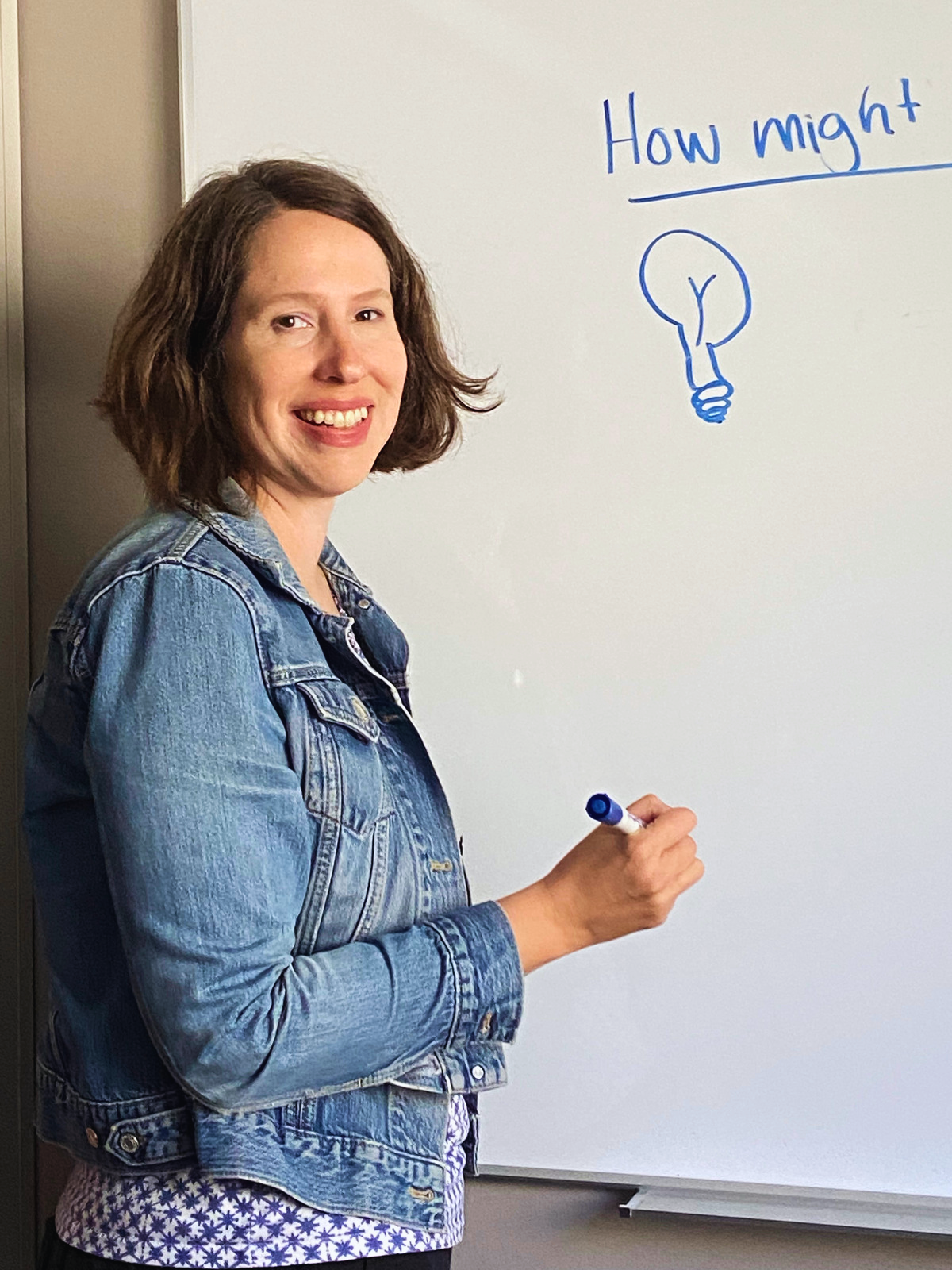 Crystal Trice, CSM, CSM@Scale, Library Consultant, Scissors & Glue, LLC
Crystal Trice, founder of Scissors & Glue, LLC, has over 20 years of experience in education and local government, with a focus on improving collaboration and handling challenging situations with patrons and coworkers. She is passionate about creating environments where people work together more effectively.
With certifications as a Scrum Master and in Scrum at Scale for Government, Crystal holds a Master’s in Library & Information Science and a Bachelor’s in Elementary Education and Psychology. Her dedication to community enrichment fuels her work in supporting organizations to achieve their goals.
Crystal lives near Portland, Oregon, and enjoys organizing her thoughts (and tasks) with Sharpies, Flair pens, and sticky notes. She shares her home with her husband and a quirky mix of animals.
Location: Online via Zoom
3/3/2026
Recorded: 3/3/26
Planning and executing engaging library programs takes creativity, strategy, and time. AI can significantly help to streamline and enhance the process, and can do so without losing the heart of your events.
This webinar will explore how AI tools can assist with every stage of library event planning, from gathering community input and brainstorming ideas to managing logistics, writing promotional materials, and crafting welcoming remarks. Discover practical ways to integrate AI into your workflow while maintaining the personal touch that makes library programming memorable. By the end of the session, you’ll have actionable strategies to save time, enhance accessibility, and ensure your programs remain community-focused and impactful.
Learning Objectives:
- AI as Your Programming Partner-Explore how AI can assist with idea generation, logistics, and outreach.
- Understanding Community Needs-Learn how AI-powered surveys and analysis can help align events with patron interests.
- Streamlining Event Logistics-Discover AI tools for scheduling, accessibility considerations, and planning details.
- Crafting Effective Promotion-Use AI to write compelling event descriptions and generate engaging visuals.
- Maintaining the Magic-Learn how to balance AI efficiency with the creativity and connection that make library programs special.
Crystal Trice, CSM, CSM@Scale, Library Consultant, Scissors & Glue, LLCCrystal Trice, founder of Scissors & Glue, LLC, has over 20 years of experience in education and local government, with a focus on improving collaboration and handling challenging situations with patrons and coworkers. She is passionate about creating environments where people work together more effectively.
With certifications as a Scrum Master and in Scrum at Scale for Government, Crystal holds a Master’s in Library & Information Science and a Bachelor’s in Elementary Education and Psychology. Her dedication to community enrichment fuels her work in supporting organizations to achieve their goals.
Crystal lives near Portland, Oregon, and enjoys organizing her thoughts (and tasks) with Sharpies, Flair pens, and sticky notes. She shares her home with her husband and a quirky mix of animals.
Location: Online via Zoom
3/10/2026
Recorded 3/10/26This webinar explores the crucial intersection of Artificial Intelligence (AI) and information literacy, addressing the transformative impact of AI on how information is accessed, evaluated, and utilized. Participants will gain a foundational understanding of how Generative AI (GenAI) tools function, including their capabilities and limitations in the context of information seeking and research. The session will delve into the integration of web search functionalities within AI tools and the implications of platforms like SearchGPT and advanced research tools on traditional information literacy practices.
A key focus will be on developing critical thinking skills to assess AI outputs effectively. Attendees will learn practical strategies, including the SIFT (Stop, Investigate the source, Find trusted coverage, Trace claims to the original context) method, to combat misinformation and evaluate the credibility of AI-generated content. The webinar will address the challenges posed by AI-driven misinformation and disinformation, equipping participants with the tools to navigate the evolving information landscape responsibly.
The session will also explore the broader implications of AI on information literacy, including ethical considerations, bias detection, and the responsible use of AI in research and education. Through interactive discussions and real-world examples, participants will learn how to adapt their information literacy instruction and practices to meet the demands of the AI era. Attendees will leave with actionable strategies for fostering critical engagement with AI tools and promoting informed decision-making in an increasingly complex information environment.
Learning Objectives:
- Understand how GenAI tools work and their impact on information literacy.
- Apply critical thinking skills to evaluate AI outputs and identify misinformation.
- Utilize the SIFT method for assessing the credibility of sources in the age of AI.
- Assess the implications of SearchGPT and deep research tools on information literacy practices.
- Adapt information literacy instruction to promote responsible AI usage.
 Reed Hepler is a digital initiatives librarian, instructional designer, copyright agent, artificial intelligence practitioner and consultant, and PhD student at Idaho State University. He earned a Master's Degree in Instructional Design and Educational Technology from Idaho State University in 2025. In 2022, he obtained a Master’s Degree in Library and Information Science, with emphases in Archives Management and Digital Curation from Indiana University. He has worked at nonprofits, corporations, and educational institutions encouraging information literacy and effective education. Combining all of these degrees and experiences, Reed strives to promote ethical librarianship and educational initiatives.
Currently, Reed works as a Digital Initiatives Librarian at a college in Idaho and also has his own consulting firm, heplerconsulting.com. His views and projects can be seen on his LinkedIn page or his blog, CollaborAItion, on Substack. Contact him at reed.hepler@gmail.com for more information.
Location: Online via Zoom
3/10/2026
This webinar explores the crucial intersection of Artificial Intelligence (AI) and information literacy, addressing the transformative impact of AI on how information is accessed, evaluated, and utilized. Participants will gain a foundational understanding of how Generative AI (GenAI) tools function, including their capabilities and limitations in the context of information seeking and research. The session will delve into the integration of web search functionalities within AI tools and the implications of platforms like SearchGPT and advanced research tools on traditional information literacy practices.
A key focus will be on developing critical thinking skills to assess AI outputs effectively. Attendees will learn practical strategies, including the SIFT (Stop, Investigate the source, Find trusted coverage, Trace claims to the original context) method, to combat misinformation and evaluate the credibility of AI-generated content. The webinar will address the challenges posed by AI-driven misinformation and disinformation, equipping participants with the tools to navigate the evolving information landscape responsibly.
The session will also explore the broader implications of AI on information literacy, including ethical considerations, bias detection, and the responsible use of AI in research and education. Through interactive discussions and real-world examples, participants will learn how to adapt their information literacy instruction and practices to meet the demands of the AI era. Attendees will leave with actionable strategies for fostering critical engagement with AI tools and promoting informed decision-making in an increasingly complex information environment.
Learning Objectives:
- Understand how GenAI tools work and their impact on information literacy.
- Apply critical thinking skills to evaluate AI outputs and identify misinformation.
- Utilize the SIFT method for assessing the credibility of sources in the age of AI.
- Assess the implications of SearchGPT and deep research tools on information literacy practices.
- Adapt information literacy instruction to promote responsible AI usage.
Reed Hepler is a digital initiatives librarian, instructional designer, copyright agent, artificial intelligence practitioner and consultant, and PhD student at Idaho State University. He earned a Master's Degree in Instructional Design and Educational Technology from Idaho State University in 2025. In 2022, he obtained a Master’s Degree in Library and Information Science, with emphases in Archives Management and Digital Curation from Indiana University. He has worked at nonprofits, corporations, and educational institutions encouraging information literacy and effective education. Combining all of these degrees and experiences, Reed strives to promote ethical librarianship and educational initiatives.Currently, Reed works as a Digital Initiatives Librarian at a college in Idaho and also has his own consulting firm, heplerconsulting.com. His views and projects can be seen on his LinkedIn page or his blog, CollaborAItion, on Substack. Contact him at reed.hepler@gmail.com for more information.
Location: Online via Zoom
4/29/2026
Makerspaces and Maker programs are enhanced services offered in many library settings. See a way to take makerspace offerings to the next level like Pflugerville Public Library. Maker Markets provide an avenue where libraries can expand support to non-traditional small businesses and encourage next steps for entrepreneurial makers. For makers this provides the experience of bringing their creations to market with a low barrier for entry. As simply as providing time and space for local makers to have the opportunity to sell their wares and share their creativity with the public. To broader community partnerships that provide further business skill building. Whether you already have an active makerspace or just want to support local makers, this webinar will provide an example of a successful library program.
Learning Objectives:
- Identify local makers or makerspace users who are positioned to sell their products or are already on that path and key strategies for expanding makerspace offerings.
- Create and promote events like Maker Markets to foster community involvement and support local artisans, encouraging collaboration between the library and entrepreneurial makers.
- Analyze and address barriers that prevent community members from accessing technology and resources in makerspaces, ensuring inclusivity in offerings.
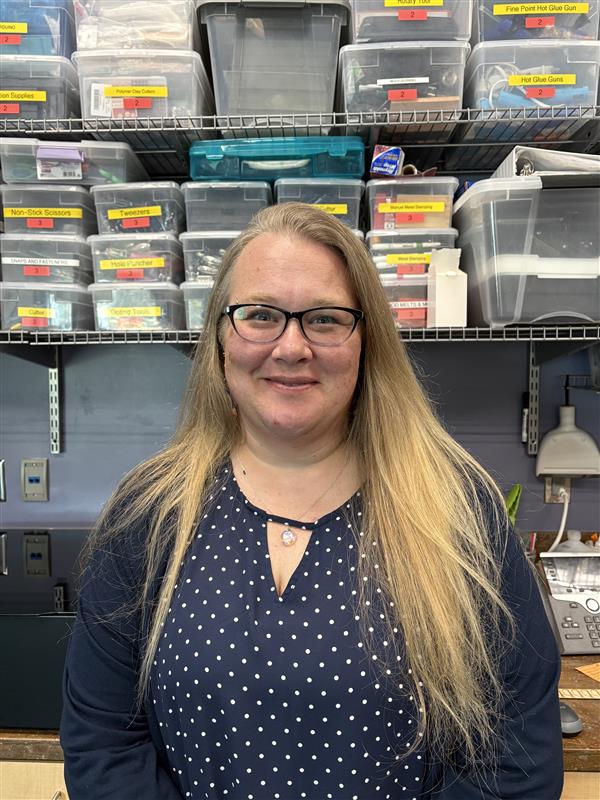 Margaret Miller is an Adult Services Librarian at Pflugerville Public Library, Pflugerville, TX, has worked in public libraries since 2005. Currently overseeing maker trainings, lab hours and other library programming including pet-friendly offerings, author events and maker markets. As a member of the Texas Library Association, she presented topics from tech to programming while filling officer positions on the Programming for Adults Round Table and Innovation and Technology Round Table. With the American Library Association, as a member of the Graphic Novels and Comics Round Table, has served the Libcomix Online committee and the Best Graphic Novels for Adults list committee.
Location: Online via Zoom
4/30/2026 - 5/1/2026
How do you lead a library when the technological ground is shifting? The 2026 Directors' Retreat: Navigating the AI Horizon-A Leadership Roadmap for Library and Staff Readiness will prepare you for just that. Artificial intelligence is no longer a futuristic concept—it is a present reality already shaping library workflows, vendor tools, and patron expectations. For library leaders, the primary challenge isn’t just understanding the technology, but leading people through the uncertainty it creates.
We will be returning to the Punderson Manor Lodge & Conference Center this year. The retreat will kick off with a light breakfast on Thursday,April 30th at 9:00 a.m. - the perfect time to catch up with your peers. The workshop will begin at 10 a.m. starting with AI Readiness for Library Leaders: Leading Staff, Assessing Readiness, and Understanding Your AI Landscape. The afternoon will focus on Coexisting, Not Competing: Librarianship in the Era of AI . We will conclude the first day at 4:00 p.m. Dinner will be at 6:00 p.m. with the tradition of rich conversations to follow. The second day will start with breakfast at 8:00 a.m. followed by Building an AI Governance Framework. We will conclude at noon with a quick lunch.
Thursday Morning, April 30th: AI Readiness for Library Leaders: Leading Staff, Assessing Readiness, and Understanding Your AI Landscape
Artificial intelligence is already influencing library work through vendor tools, staff experimentation, and patron expectations. For library leaders, the challenge is knowing how to lead people through the questions and uncertainty it brings. This three-hour workshop is designed for library directors, managers, and senior staff who want to build clarity and confidence before making decisions about AI. Participants will develop a practical, leader-focused understanding of AI, explore how staff typically respond to AI-driven change using the SCARF model, and begin examining their organization’s current AI landscape, stakeholders, and areas that may need greater attention. The session balances shared learning with guided reflection, using realistic scenarios and structured mapping activities that can be started during the workshop and continued afterward. Participants will also receive a leadership-oriented checklist outlining common next steps libraries consider as they move from AI readiness toward more intentional exploration or implementation.
Participants will leave with:
- A clear, non-technical understanding of what AI is and is not, and why it matters for library leadership
- Insight into common staff reactions to AI through the SCARF framework (Status, Certainty, Autonomy, Relatedness, Fairness), with strategies for leading change in ways that reduce threat and build trust
- Practical language and approaches for talking with staff about AI expectations, boundaries, and evolving practices
- A draft Stakeholder Map identifying who is affected by AI-related conversations and decisions across departments, administration, governance, IT, vendors, and external partners
- A draft Current State Map capturing where AI is already showing up in workflows, decisions, or vendor tools, including what appears to be working well and where questions and risks are emerging
- A leadership-oriented Next Steps Checklist to help assess readiness and consider thoughtful options for future exploration or implementation
- Increased confidence in assessing organizational readiness and identifying appropriate next steps related to AI
Crystal Trice, CSM, CSM@Scale, Library Consultant, Scissors & Glue, LLCCrystal Trice, founder of Scissors & Glue, LLC, has over 20 years of experience in education and local government, with a focus on improving collaboration and handling challenging situations with patrons and coworkers. She is passionate about creating environments where people work together more effectively.
With certifications as a Scrum Master and in Scrum at Scale for Government, Crystal holds a Master’s in Library & Information Science and a Bachelor’s in Elementary Education and Psychology. Her dedication to community enrichment fuels her work in supporting organizations to achieve their goals.
Afternoon Session: Coexisting, Not Competing: Librarianship in the Era of AI
While artificial intelligence is not new technology, the ways it can interact with people and information has changed rapidly in the past 5 years. AI chat systems are everywhere - AI in phones, on social media, and as independent services. But what about information professionals and libraries? How does AI affect librarianship and how can we respond? In this presentation, you’ll learn how AI and libraries can coexist through awareness, education, and thoughtful engagement. Librarians don’t need to embrace AI or become experts, but growing their own understanding is a key part of coexisting with AI and serving their users.
Presenters:
 Lynn Warner is a Research and Health Sciences Librarian at the University of Cincinnati. Lynn supports students and faculty in the College of Nursing and College of Allied Health Sciences. She has a passion for information literacy instruction and enjoys teaching people how to find and evaluate the information they are seeking. Lynn has taken an interest in learning about AI tools and how they can (and can’t) be utilized in the research process, and has been involved in AI Literacy initiatives at UC.
 Madeleine Gaiser is an Online Learning and Instruction Librarian at University of Cincinnati’s College of Education, Criminal Justice and Human Services (CECH) Library. Joining UC Libraries in 2020, Madeleine supports academic research, maintains and creates online resources, and purchases library materials. Madeleine has participated in multiple AI initiatives at UC and regularly seeks professional development opportunities on the subject. In her free time, Madeleine collects cookbooks and enjoys longs walks through the Aldi Finds aisle.
Friday, May 1st: Building an AI Governance Framework
 Presenter:
Glen Horton is the AI Architect at Sinclair College where he leads and implements the College's AI strategy and initiatives. He has over 30 years of experience developing and supporting technologies in higher education and libraries. Before joining Sinclair in 2025, he supported AI and software development initiatives at the University of Cincinnati Libraries. Glen is passionate about developing human-centered AI solutions that responsibly and safely benefit people and organizations.
Location: Punderson Manor Lodge & Conference Center
11755 Kinsman Road
Newbury, OH 44065
There are currently 5 spots remaining out of 35