Northeast Ohio Regional Library System
10/15/2015
Cost: $165
Cost w/ Bronze Discount $127.50
Cost w/ Silver Discount $ 90
Cost w/ Gold Discount $ 15
Lunch included
(It’s never too late to save your library money. NEO Discounts are pro-rated! Call us today to sign up!)
Hey Technical Services’ staff…you deserve your own day! Come to NEO’s “A Day for Tech Services” workshop and learn, share and brainstorm with your colleagues from around the region. We’ll cover lots of topics, including how to avoid burning out from daily routines, how to handle pressures from other departments, dealing with your ILS, handling gifts, number crunching, processing, last copies and more. Step away for a day and sharpen your skills while renewing your energy.
Location: NEO Office
1580 Georgetown Rd.
Hudson, OH 44236
This class was a popular class and it is full. Please email Melissa Lattanzi, lattanzm@neo-rls.org to be put on a waiting list and an additional class may be added for the future.
1/1/2016 - 11/30/1999
 Have you ever wondered just what happens in the Technical Services Department of your library? Are you curious about how new materials are readied for the public? What about RDA? If you are eager to ease your confusion about Technical Services, join Teanna Weeks for an interactive webinar on all things Technical Services.
Presenter: Teanna Weeks, Techncial Services, Collection Services Supervisor/ILL, Cleveland Heights-University Heights Public Library
When you receive your confirmation of registration for this archive the link to the archive will be included in the confirmation email.
Location: Via Adobe Connect
1/1/2016
 Have you ever wondered just what happens in the Technical Services Department of your library? Are you curious about how new materials are readied for the public? What about RDA? If you are eager to ease your confusion about Technical Services, join Teanna Weeks for an interactive webinar on all things Technical Services.
When you receive your confirmation of registration for this archive the link to the archive will be included in the confirmation email.
Location: Online
Via Adobe Connect
This class was a popular class and it is full. Please email Melissa Lattanzi, lattanzm@neo-rls.org to be put on a waiting list and an additional class may be added for the future.
6/7/2016
Cost: $80
Cost w/ Bronze Discount $60
Cost w/ Silver Discount $40
Cost w/ Gold Discount FREE
(It’s never too late to save your library money. NEO Discounts are pro-rated! Call us today to sign up!)
Popular Library Repair (or How to Keep Captain Underpants on the Shelf for One More Year)
Want to get a little more life from your paperbacks? Need a few more circs on your best sellers before they fall apart? If so, then this program is for you! Loaded with useful information on how to get the most from your collection, this program covers a wide range of book repair techniques. While some techniques may be applicable, this program is not recommended for those interested in archival repair.
Location: NEO Office
1580 Georgetown Rd.
Hudson, OH 44236
There are currently 1 spots remaining out of 20
6/7/2016
Popular Library Repair (or How to Keep Captain Underpants on the Shelf for One More Year)Want to get a little more life from your paperbacks? Need a few more circs on your best sellers before they fall apart? If so, then this program is for you! Loaded with useful information on how to get the most from your collection, this program covers a wide range of book repair techniques. While some techniques may be applicable, this program is not recommended for those interested in archival repair.
Location: NEO Office
1580 Georgetown Rd.
Hudson, OH 44236
8/23/2016
Cost: $80
Cost w/ Bronze Discount $60
Cost w/ Silver Discount $40
Cost w/ Gold Discount FREE
(It’s never too late to save your library money. NEO Discounts are pro-rated! Call us today to sign up!)
Come to this workshop to learns the ins and outs of cataloging.
Location: NEO Office
1580 Georgetown Rd.
Hudson, OH 44236
There are currently 1 spots remaining out of 25
12/8/2016
Do you have a wonderful painting given by a donor? An 18th century map that was just unearthed in storage? Some pieces from your historic library building? Or other non-book materials that you have become responsible for? If so, A Day for Special Collections is for you. Join us at the Cleveland Heights/University Heights Public Library where Leslie Cade, Interim Director of Library and Archives at the Cleveland Museum of Art, will discuss the retention, cataloging and accessibility issues associated with various types of non-book materials. Amy Crist, Associate Book/Paper Conservator at the Cleveland Museum of Art, will then talk about the care, handling, display and storage of such items with an emphasis on paper documents and memorabilia.
In the afternoon, the program will take a field trip to the Western Reserve Historical Society, where Ann Sindelar, Reference Supervisor in the Research Library, will provide tips on the preservation of local history and information on the status of current digital projects. Participants will receive a tour of the Western Reserve Historical Society’s collections and learn more about resources dedicated to researching local history. Come join us for this interesting and informative day.
Location: Heights Libraries
Lee Road Library
Cleveland Heights, oh 44118
There are currently 19 spots remaining out of 35
10/31/2017
This workshop is designed to help librarians and library media specialists make simple repairs to their general, circulating collections. It is specifically designed for use in schools, and small public and small academic libraries. The workshop teaches methods for repairing books with techniques that are building blocks toward “archival quality” or “preservation oriented” collection maintenance.
Attendees will learn about the structure of a book, what books can be
repaired at the library, boxed, or replaced.
Techniques taught:
- Repairing torn pages
- Tip-in loose pages
- Reattaching text blocks
- Spine Replacement
- Simple Pamphlet binding – if time permits
Presenter: Miriam B. Kahn, founder of MBK Consulting, provides education and consulting for libraries, archives, corporations, and cultural institutions, and individuals on topics ranging from genealogy and local history to bookbinding and preservation. Since 1989, she has been working in the field of preservation, teaching book repair and bookbinding to library staff, students, and individuals. Miriam is an active genealogy and local history researcher working with maps, materials, and records in cultural institutions and, of course, uses online materials. She is a popular presenter and teacher, offering courses at Kent State University’s Graduate School for Library and Information Science and throughout the Midwest. She holds an MLS from Queens College, CUNY and a PhD in History from Kent State University.
Location: Cuyahoga Falls Public Library
2015 3rd St
Cuyahoga Falls, OH 44221
Online Registration has closed for this event
2/26/2019
Libraries maintain collections of cake pans, bicycles, garden tools, musical instruments, equipment... you name it, somebody circulates it. This practical, interactive cataloging workshop will break down the areas of catalog records dedicated to content, usage, and physical description of all of your weirdest objects. We will also discuss the challenges of labeling and processing unusual formats. Please feel free to bring questions, stories, and tricky items from your workflows. See examples of effective descriptions and learn how to fearlessly catalog whatever comes your way!
Learning objectives:
- Gain familiarity with format-specific areas of MARC bibliographic records
- Learn to use physical details of objects to create effective descriptions
- Explore creative solutions to physical processing and labeling challenges
Presenter:
Misty Alvaro is the Cataloger Librarian for Upper Arlington Public Libraries. She received her MLIS after achieving a degree in Japanese and Italian at the Ohio State University. Misty has worked in a variety of library types and contexts and is known to be highly enthusiastic in all of them. She spends her free time playing music, cooking, hula-hooping, and managing an artist residency with her spouse.
Location: Cuyahoga Falls Public Library
2015 3rd St
Cuyahoga Falls, OH 44221
There are currently 21 spots remaining out of 35
3/26/2019
 Working toward equity and inclusion in library services is not just the responsibility of public-facing staff. As catalogers and other metadata professionals, viewing our controlled vocabularies and classification systems with a critical perspective can make us more aware of the inherent biases and oppressive language present in those systems. This presentation will discuss the political and social aspects of systems including Dewey Decimal Classification, Library of Congress Classification, and Library of Congress Subject Headings. It will give examples of problematic structures and language, and offer some practical steps libraries have undertaken to improve inclusion and social consciousness in the ways we describe our resources.
Learning Objectives:
-
Participants will engage critically with the structural and cultural biases in controlled vocabularies and classification systems.
-
Participants will examine specific examples of exclusionary language and problematic arrangement of resources used in libraries today.
-
Participants will learn about measures libraries have taken to put critical cataloging into practice.
When you receive your confirmation of registration for this archive the link to the archive will be included in the confirmation email.
Location: Online
Via Adobe Connect
5/14/2019
Learning Objectives:
- Participants will understand the major differences between AACR2 and RDA records.
- Participants will consider how RDA changes affect the user experience.
- Using side-by-side examples, participants will explore the benefits and limitations of automated RDA enrichment versus original RDA cataloging.
Casey Cheney is vice president of automation services at Backstage Library Works, where she has spent the past 16 years creating and managing metadata for libraries around the world. Casey has been a project manager and product manager, served on the metadata services and automation teams, and played a key role in Backstage’s independent NACO contributor certification. She is a certified Project Management Professional (PMP).
Location: Online
Via Adobe Connect
There are currently 29 spots remaining out of 50
5/14/2019
Learning Objectives:
-
Participants will understand the major differences between AACR2 and RDA records.
-
Participants will consider how RDA changes affect the user experience.
-
Using side-by-side examples, participants will explore the benefits and limitations of automated RDA enrichment versus original RDA cataloging.
Casey Cheney is vice president of automation services at Backstage Library Works, where she has spent the past 16 years creating and managing metadata for libraries around the world. Casey has been a project manager and product manager, served on the metadata services and automation teams, and played a key role in Backstage’s independent NACO contributor certification. She is a certified Project Management Professional (PMP).
When you receive your confirmation of registration for this archive the link to the archive will be included in the confirmation email.
Location: Online
Via Adobe Connect
8/20/2019
Centralize it! Collection Development and Management, all in one place
The selection, acquisition and management of Medina County District Library’s collection is fully centralized. The streamlined, responsive process has earned rave reviews from patrons and staff alike, who feel that the collection is relevant and exciting. With a focus on staff buy-in, clear written guidelines and transparency, the Collection Resources Department strives to anticipate users’ needs and support public service staff.
Presenters:
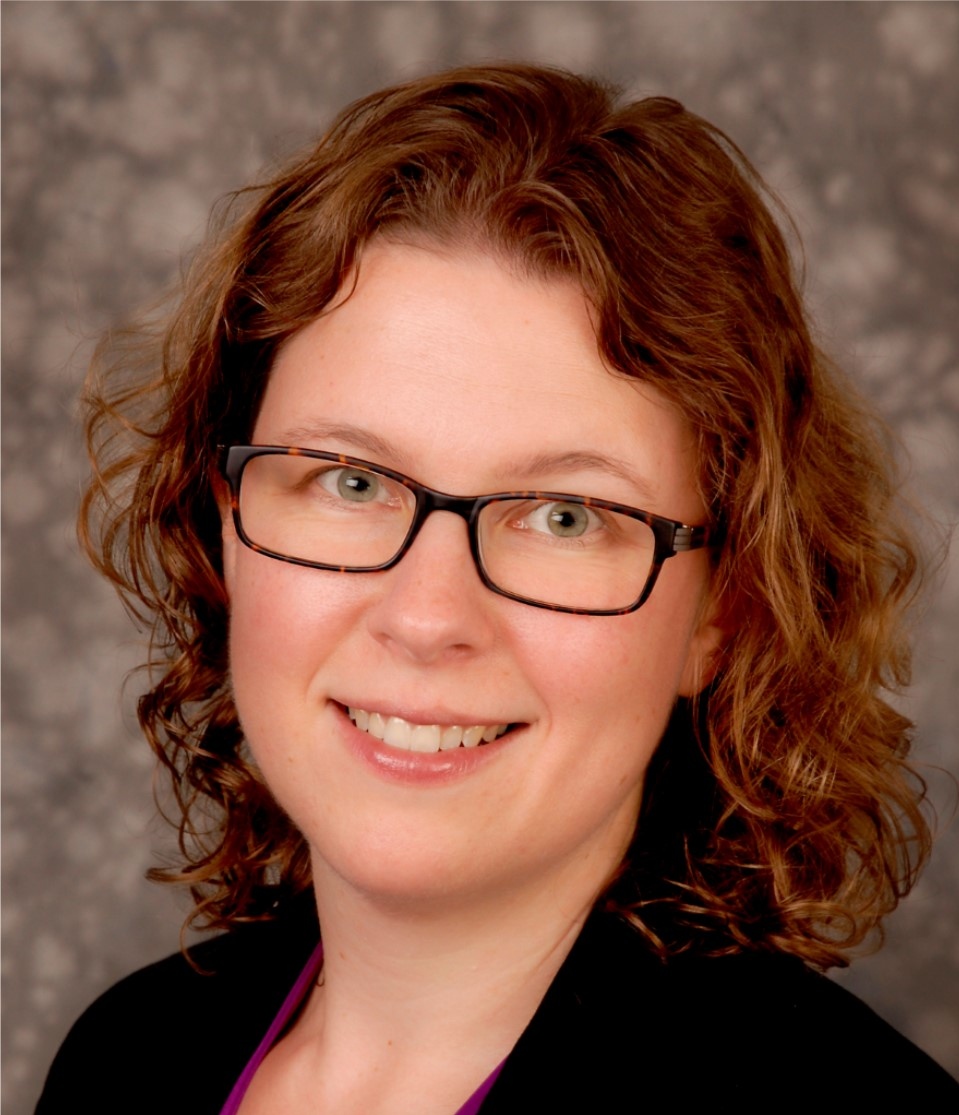 Chris Weaver-Pieh coordinates periodical and database subscriptions for MCDL, as well as emedia purchasing. She was previously the MCDL Adult Acquisitions Librarian and Electronic Services Librarian at Lakewood Public Library.
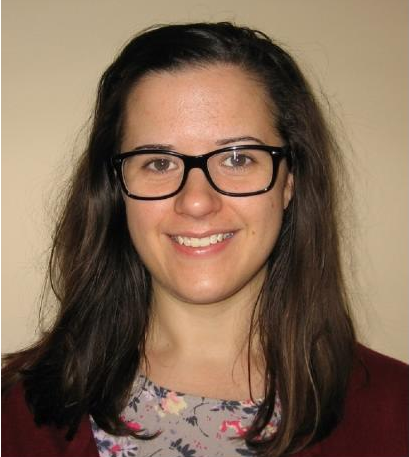 Kaitlin Booth selects, purchases, and maintains the teen and children’s collections at MCDL, where she also helps plan and coordinate author events and the annual summer reading program. She has previously worked as a Reference Librarian for MCDL and a Youth Services Librarian at the Stark County District Library.
 Holly Kabat selects, purchases and maintains the adult collection at MCDL, where she also helps plan and coordinate author events. She has previously worked for Mentor Public Library, Cleveland Heights-University Heights Library and as a Reference and Instruction Librarian at Lakeland Community College.
Selection: Tools, Communication and Coordination
Libraries often share similar collection goals but acquisitions staff work within very different structural configurations. A library collection that is pertinent and valuable to patrons requires effective use of selection tools, communication among staff and coordination of selection. Selectors face common challenges: “Where do I find upcoming titles my patrons will want? How do I decide how many copies we will need?” This discussion will allow participants to share ideas and learn some new tips.
Learning objectives:
- Gain tools to use in your selection practices.
- Understand the different perspectives of various acquisitions structures.
- Discuss best practices for coordinating collection development.
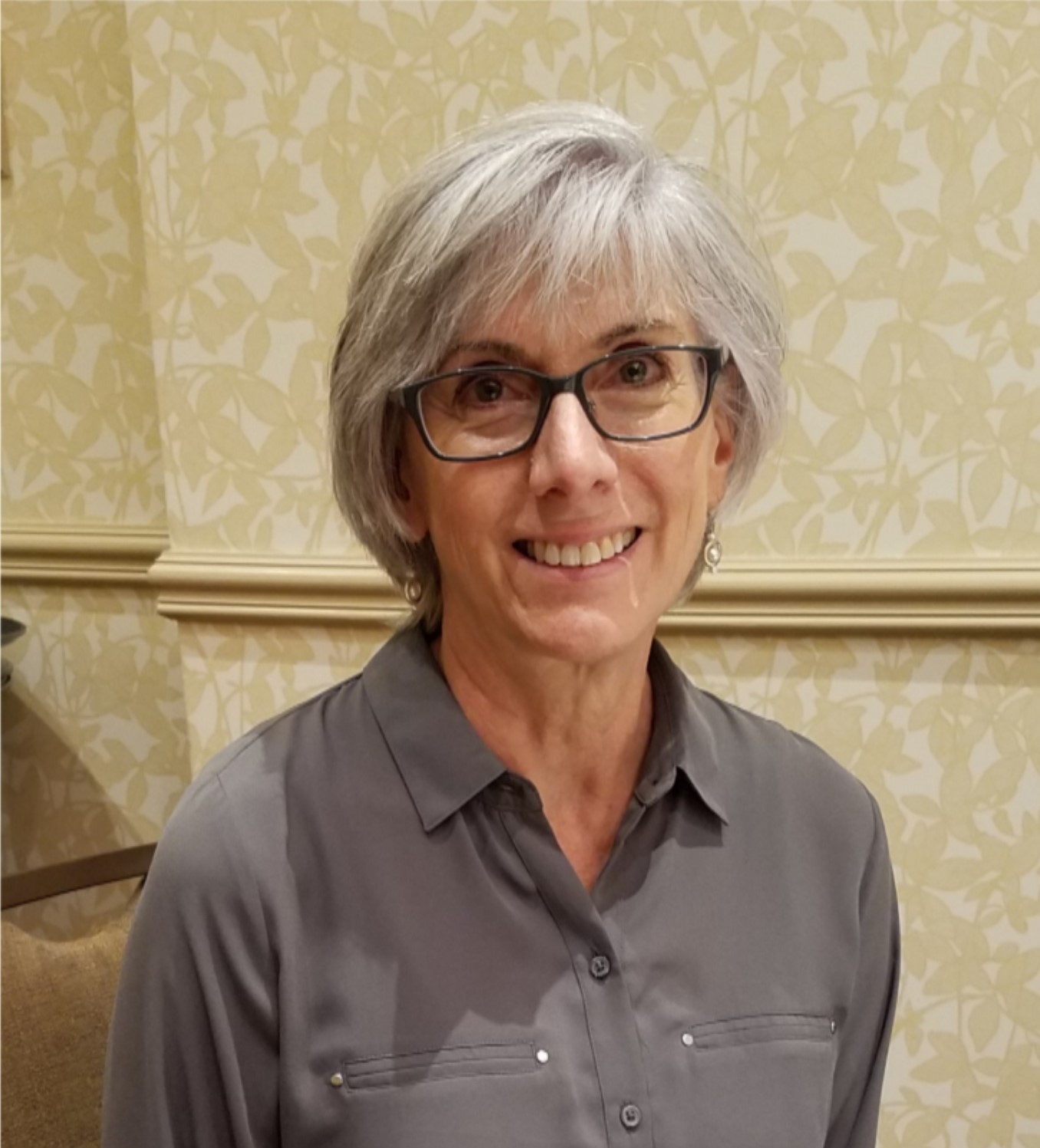 Carol Tuttle is the Collection Services Librarian for Willoughby-Eastlake Public Library. Carol has worked in public libraries for 15 years following a biomedical science career. She has worked as a reference librarian and adult services manager and is enthusiastic about collection development. Carol currently is the central acquisition librarian selecting books, movies, music and audiobooks at the Willoughby-Eastlake Public Library system. She holds an MS from Cornell University and MLIS from Kent State University.
Visualizing Circulation Trends Using Tableau Public
Circulation at libraries has greatly diversified over the last several years with the popularity of digital services. It can be a struggle to get all of the data in one place. The presentation will discuss ways to combine and visualize data from multiple sources including vendor sites such as Overdrive and hoopla as well as traditional physical circulation data from ILSs. Tableau is a powerful tool that allows libraries to look at data holistically to make more informed decisions.
Learning Objectives:
- Get familiar with Tableau software
- Explore pros & cons of using a 3rd party visualization tool
- Consider best practices for aggregating data
- Understand the benefits of data visualization
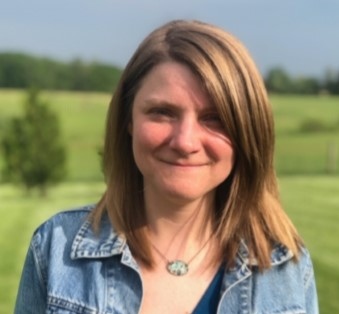 Melanie Wilson is the Collections & Virtual Services Manager for the Willoughby-Eastlake Public Library. Melanie has worked in public libraries for 5 years. Shortly after graduating with her MLIS from Kent State University in 2009, she worked for 5 years as a Metadata Specialist at Overdrive. Melanie enjoys the technology side of libraries whether that is parsing data in Excel spreadsheets or figuring out how to catalog a hotspot. Currently, Melanie oversees the material budgets and technical services department, as well as the libraries digital services and website.
The afternoon will consist of a round table discussion.
Location: Twinsburg Public Library
10050 Ravenna Rd.
Twinsburg, OH 44087
There are currently 17 spots remaining out of 35
12/10/2019
RFID promises to revolutionize circulation at your library, from checkout and returns to inventory and security. But once the equipment is installed, what does it really take to place an individually encoded RFID tag on every one of the thousands of items in your collection?
We’d like to walk you through the process.
Learning Objectives:
- Consider RFID tag types, shapes, and sizes for optimized device reading, along with where to place them on books and media
- Understand the tagging process at the item level and at the project level
- Know why and how to disable older, non-ISO tags when implementing an updated RFID system
- Explore project management considerations to ensure that a collection is tagged completely, correctly, and quickly
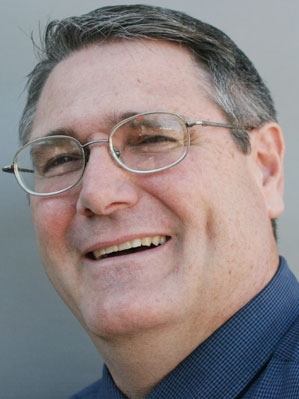 John Reese is vice president of on-site services at Backstage Library Works. He earned his MLS from Brigham Young University and has been immersed in libraries and library technology for more than 30 years. John has presided over on-site collections management projects for RFID tagging, inventory, weeding, and reclassification. His teams have counted, relabeled, cleaned, shifted, moved, and interfiled tens of millions of books.
Location: Online via Adobe Connect
There are currently 39 spots remaining out of 50
1/8/2020
Offensive terminology and biased classification structures can negatively impact the relationship between a library and its users. Change in these systems seems to move at a glacial pace, and the revision process can seem complex and opaque. Attend this session to learn about the Cataloging Lab, a wiki where everyday heroes (like you!) can collaborate to craft proposals for changes or additions to Library of Congress Subject Headings. Non-catalogers are especially welcome! If you care about the words that libraries use to describe people and ideas, please join the efforts to make the words we use in library catalogs fair, just, and welcoming to all.
Learning objectives:
- Recognize the impact that offensive terminology in catalogs can have on relations between libraries and patrons
- Learn about the Library of Congress Subject Heading proposal process and the criteria used to judge proposals
- Understand how they can use the Cataloging Lab to propose revisions to LCSH
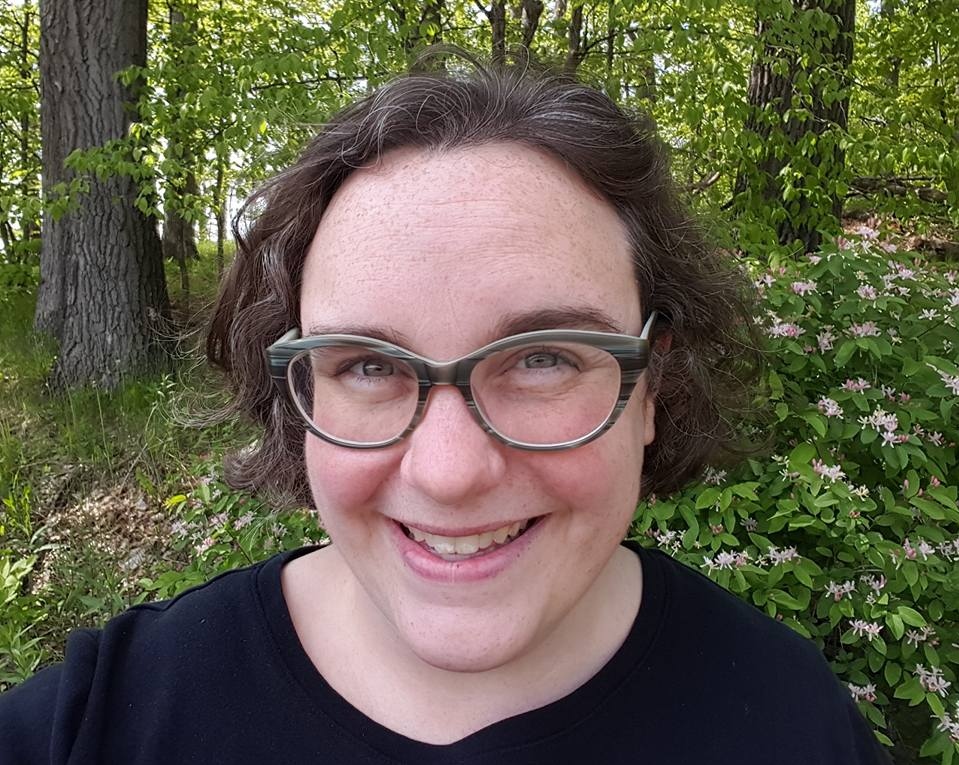 Violet Fox is a library metadata expert and former cataloger. Her research interests include the ethical implications of library classification.
Location: Online
Via Adobe Connect
There are currently 32 spots remaining out of 50
1/8/2020
Offensive terminology and biased classification structures can negatively impact the relationship between a library and its users. Change in these systems seems to move at a glacial pace, and the revision process can seem complex and opaque. Attend this session to learn about the Cataloging Lab, a wiki where everyday heroes (like you!) can collaborate to craft proposals for changes or additions to Library of Congress Subject Headings. Non-catalogers are especially welcome! If you care about the words that libraries use to describe people and ideas, please join the efforts to make the words we use in library catalogs fair, just, and welcoming to all.
Learning objectives:
-
Recognize the impact that offensive terminology in catalogs can have on relations between libraries and patrons
-
Learn about the Library of Congress Subject Heading proposal process and the criteria used to judge proposals
-
Understand how they can use the Cataloging Lab to propose revisions to LCSH
Violet Fox is a library metadata expert and former cataloger. Her research interests include the ethical implications of library classification.?When you receive your confirmation of registration for this archive the link to the archive will be included in the confirmation email.
Location: Online
Via Adobe Connect
3/12/2020
Join your colleagues for A Day for Catalogers where we will delve into Subject Analysis for Copy Catalogers and Harm Reduction in Library Classification.
Harm Reduction in Library Classification (Morning Session)
Pernicious biases in subject headings and library classification schemes have been discussed at length, but how should our profession best address those biases? While resource description can never be neutral, using a harm reduction framework can help us identify potentially alienating terminology. Participants will learn how they can become active partners in democratizing classification to introduce more diverse perspectives.
Presenter:
Violet Fox is a library metadata expert and former cataloger. Her research interests include the ethical implications of library classification.
Subject Analysis for Copy Catalogers (Afternoon Session)
Full program description coming soon!
Presenter:
Misty Alvaro is the Catalog Librarian for Columbus Metropolitan Library. She received her MLIS after achieving a degree in Japanese and Italian at the Ohio State University. Misty has worked in a variety of types of libraries and contexts and is known to be highly enthusiastic about all of them. She spends her free time playing music, cooking, hula-hooping, and managing an artist residency with her spouse.
Location: Twinsburg Public Library
10050 Ravenna Rd.
Twinsburg, OH 44087
There are currently 18 spots remaining out of 40
3/31/2020
RFID promises to revolutionize circulation at your library, from checkout and returns to inventory and security. But once the equipment is installed, what does it really take to place an individually encoded RFID tag on every one of the thousands of items in your collection?We’d like to walk you through the process.
Learning Objectives:
-
Consider RFID tag types, shapes, and sizes for optimized device reading, along with where to place them on books and media
-
Understand the tagging process at the item level and at the project level
-
Know why and how to disable older, non-ISO tags when implementing an updated RFID system
-
Explore project management considerations to ensure that a collection is tagged completely, correctly, and quickly
John Reese is vice president of on-site services at Backstage Library Works. He earned his MLS from Brigham Young University and has been immersed in libraries and library technology for more than 30 years. John has presided over on-site collections management projects for RFID tagging, inventory, weeding, and reclassification. His teams have counted, relabeled, cleaned, shifted, moved, and interfiled tens of millions of books.When you receive your confirmation of registration for this archive the link to the archive will be included in the confirmation email.
Location: Online via Adobe Connect
4/14/2020
We know these uncertain times are a challenge for everyone. Here is an opportunity to talk with your peers and learn how they are managing this crisis. This meeting will be held through Zoom which is user friendly to all devices. You will receive a link in your email when you register and 2 hours before the meeting. We hope you will join us. .
Location: Online
Via Zoom
There are currently 42 spots remaining out of 95
4/28/2020
We know these uncertain times are a challenge for everyone. Here is an opportunity to talk with your peers to learn how they are managing this crisis. This meeting will be held through Zoom which is user friendly to all devices. You will receive a link in your confirmation email a reminder 2 hours before the meeting. We hope you will join us.
Location: Online
Via Zoom
There are currently 405 spots remaining out of 450
5/12/2020
We know these uncertain times are a challenge for everyone. Here is an opportunity to talk with your peers to learn how they are managing this crisis. This meeting will be held through Zoom which is user friendly to all devices. You will receive a link in your confirmation email a reminder 2 hours before the meeting. We hope you will join us.
Location: Online
Via Zoom
6/9/2020
We know these uncertain times are a challenge for everyone. Here is an opportunity to talk with your peers to learn how they are managing this crisis. This meeting will be held through Zoom which is user friendly to all devices. You will receive a link in your confirmation email a reminder 2 hours before the meeting. We hope you will join us.
Location: Online
Via Zoom
8/4/2020
We know these uncertain times are a challenge for everyone. Here is an opportunity to talk with your peers to learn how they are managing this crisis. This meeting will be held through Zoom which is user friendly to all devices. You will receive a link in your confirmation email a reminder 2 hours before the meeting. We hope you will join us.
Location: Online
Via Zoom
9/1/2020
We know these uncertain times are a challenge for everyone. Here is an opportunity to talk with your peers to learn how they are managing this crisis. This meeting will be held through Zoom which is user friendly to all devices. You will receive a link in your confirmation email a reminder 2 hours before the meeting. We hope you will join us.
Location: Online
Via Zoom
10/22/2020
Subject cataloging gets a bad rap as fussy and hard to learn. While mastery takes time, there are smaller steps copy catalogers can take to expand their knowledge and improve the use of subject terms in their catalogs. This brief workshop will introduce you to some of the most common subject systems, rules, and principles with a focus on Library of Congress Subject Headings.
Learning objectives:
- Attendees will gain an introductory understanding of subject heading systems and basic rules for their application
- Attendees will acquire tools and workflows to assess the quality of subject headings in copy cataloging records
- We will discuss the role of cataloger's judgment and bias in subject cataloging
Presenter:
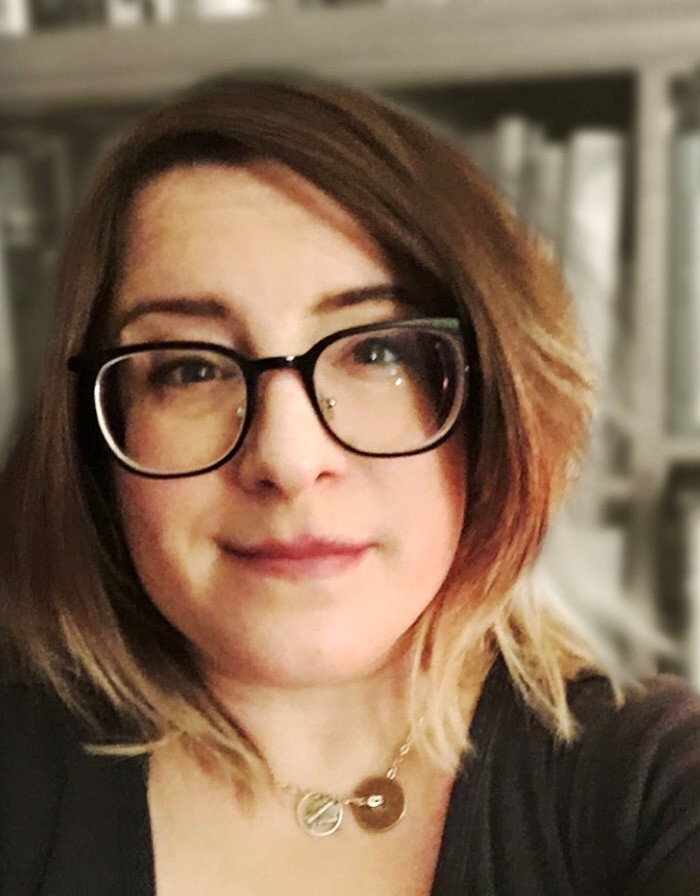 Misty Alvaro is the Catalog Librarian for the Columbus Metropolitan Library. She received her MLIS after achieving a degree in Japanese and Italian at the Ohio State University. Misty has worked in public and technical services at a variety of library types including academic, public, and special libraries; she loves to talk about how all of them are awesome.
Location: Online via Zoom
10/22/2020
Subject cataloging gets a bad rap as fussy and hard to learn. While mastery takes time, there are smaller steps copy catalogers can take to expand their knowledge and improve the use of subject terms in their catalogs. This brief workshop will introduce you to some of the most common subject systems, rules, and principles with a focus on Library of Congress Subject Headings.
Learning objectives:
- Attendees will gain an introductory understanding of subject heading systems and basic rules for their application
- Attendees will acquire tools and workflows to assess the quality of subject headings in copy cataloging records
- We will discuss the role of cataloger's judgment and bias in subject cataloging
Presenter:
Misty Alvaro is the Catalog Librarian for the Columbus Metropolitan Library. She received her MLIS after achieving a degree in Japanese and Italian at the Ohio State University. Misty has worked in public and technical services at a variety of library types including academic, public, and special libraries; she loves to talk about how all of them are awesome.
When you receive your confirmation of registration for this archive the link to the archive will be included in the confirmation email.
Location: Online via Zoom
11/12/2020
When a library system moves to a new service platform, it can feel chaotic and disruptive. The whole staff needs to be trained at the same time, while the implementation team is still actively working on configuration and data migration. How do you give everyone what they need to start work on Day 1 when even staff who know the most are still learning and the system isn’t entirely ready? Just as importantly, how do you address the change management needed to prepare staff for a new technological system that may also change physical workflows and even job responsibilities?
Using examples from her experience coordinating training for Alma (Ex Libris), Koerber will examine a variety of approaches and tools that can spread the training net wide.
Learning Objectives:
During and after this webinar, participants will:
- Learn a model for staff training for migrating to a new library service platform (LSP), using Ex Libris’s Alma as an example
- Be able to incorporate change management discussions into their training programs for migrations
- Have a list of resources for providing LSP training online and in person
Presenter:
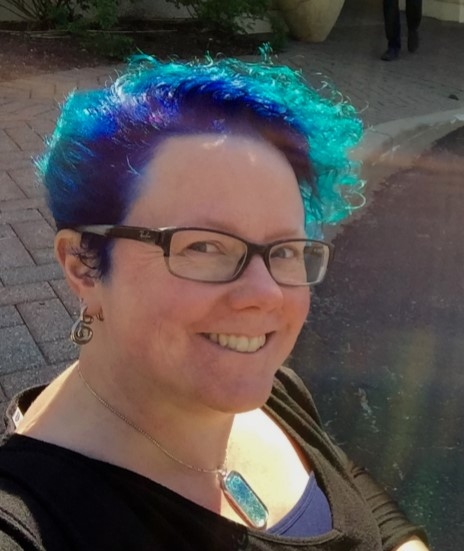 Jennifer Koerber is a consultant who advises and guides libraries on staff training programs, especially around technology change and skill-building. She has more than 20 years of experience in public-facing and behind-the-scenes roles, including children’s librarian, reference generalist, branch manager, and web services librarian. After 17 years at the Boston Public Library, she established her own business providing technology training and consulting services to libraries. In 2017, Jennifer became staff Training Manager for the Harvard Library ILS migration and pivoted her career to follow this new path.
 In addition to her library work, Jennifer has written extensively for Library Journal, and is the co-author (with Michael P. Sauers) of Emerging Technologies: a Primer for Librarians (Rowman & Littlefield, 2015). In May 2018, her book Library Services to Immigrants and New Americans: Celebration and Integration was published by Libraries Unlimited/ABC-CLIO.
Location: Online via Zoom
11/12/2020
When a library system moves to a new service platform, it can feel chaotic and disruptive. The whole staff needs to be trained at the same time, while the implementation team is still actively working on configuration and data migration. How do you give everyone what they need to start work on Day 1 when even staff who know the most are still learning and the system isn’t entirely ready? Just as importantly, how do you address the change management needed to prepare staff for a new technological system that may also change physical workflows and even job responsibilities?Using examples from her experience coordinating training for Alma (Ex Libris), Koerber will examine a variety of approaches and tools that can spread the training net wide.
Learning Objectives:
During and after this webinar, participants will:
- Learn a model for staff training for migrating to a new library service platform (LSP), using Ex Libris’s Alma as an example
- Be able to incorporate change management discussions into their training programs for migrations
- Have a list of resources for providing LSP training online and in person
Presenter:
Jennifer Koerber is a consultant who advises and guides libraries on staff training programs, especially around technology change and skill-building. She has more than 20 years of experience in public-facing and behind-the-scenes roles, including children’s librarian, reference generalist, branch manager, and web services librarian. After 17 years at the Boston Public Library, she established her own business providing technology training and consulting services to libraries. In 2017, Jennifer became staff Training Manager for the Harvard Library ILS migration and pivoted her career to follow this new path. In addition to her library work, Jennifer has written extensively for Library Journal, and is the co-author (with Michael P. Sauers) of Emerging Technologies: a Primer for Librarians (Rowman & Littlefield, 2015). In May 2018, her book Library Services to Immigrants and New Americans: Celebration and Integration was published by Libraries Unlimited/ABC-CLIO.
Location: Online via Zoom
12/1/2020
We know these uncertain times are a challenge for everyone. Here is an opportunity to talk with your peers to learn how they are managing this crisis. This meeting will be held through Zoom which is user friendly to all devices. You will receive a link in your confirmation email a reminder 2 hours before the meeting. We hope you will join us.
Location: Online
Via Zoom
1/20/2021
Technical Services (TS) can seem mysterious and esoteric from the outside, and this becomes a real liability when we need the outsiders to understand why our work is vital – especially in these times when funding is tighter and everything is “on the table.” In this webinar we’ll look at ways you as a TS librarian can help your colleagues, administrators, board, and patrons understand the importance of your work.
In this webinar, we’ll look at how TS supports the public services. We’ll trouble shoot some common scenarios to help participants advocate for TS by explaining how their work supports the mission of the library. Then, we’ll craft some “elevator speeches” – short explanations that will communicate the value of our work.
Learning Objectives:
Participants will be able to:
- Explain their work to non-TS and non-librarians
- Explain the connection between TS (acquisitions, cataloging, processing, and collection management) and public services
- Craft an “elevator speech” to communicate how their work supports their library’s mission
Presenter:
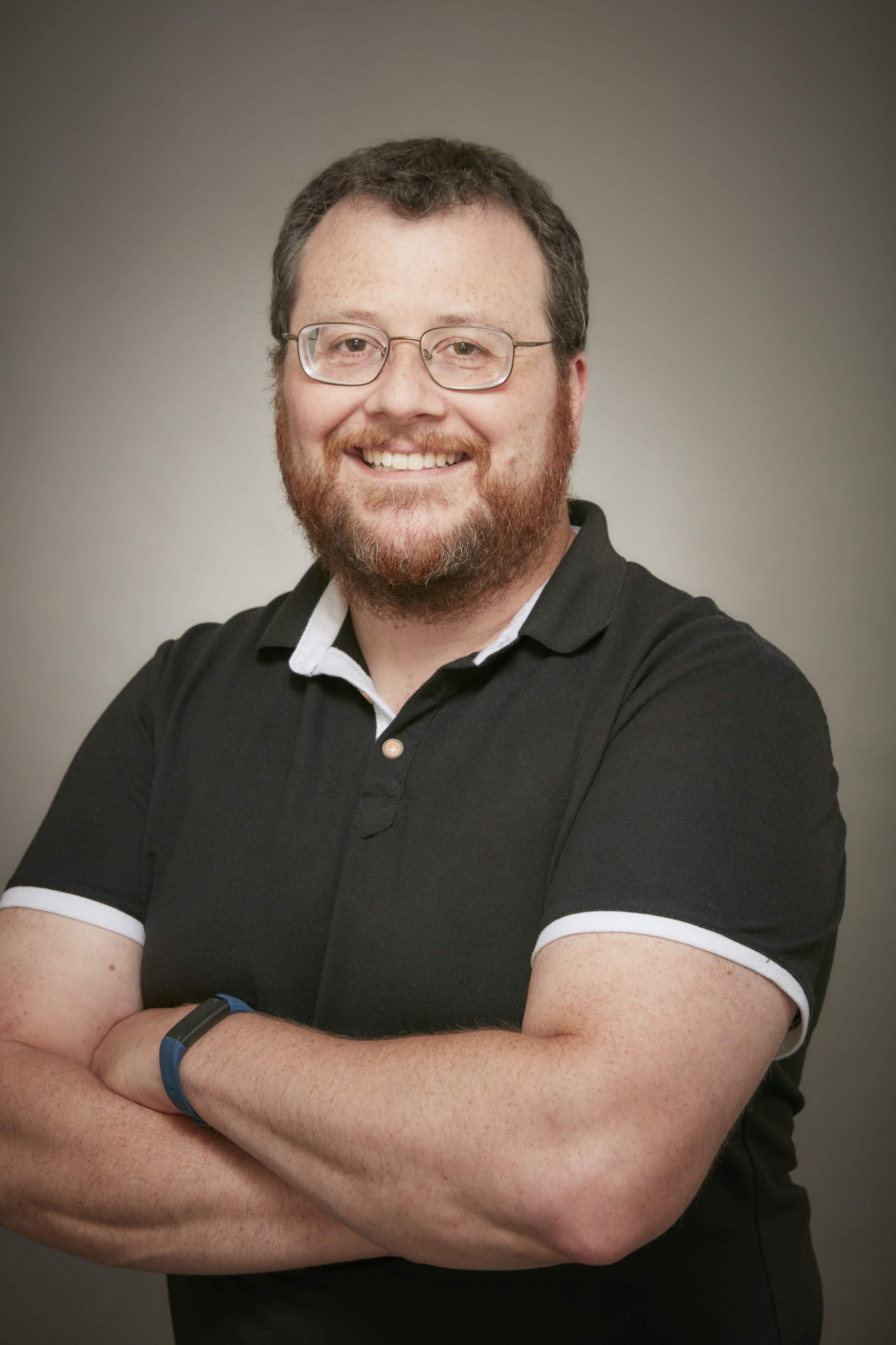 Mike Monaco has been a cataloger for nineteen years with experience working in public and academic libraries in both public and technical services. He has served in professional organizations from the local to national level, including NOTSL, OLC, OVGTSL, and ALCTS, and presented at numerous state, regional, and national conferences. He is now Coordinator, Cataloging Services at the University of Akron.
Location: Online
Via Zoom
There are currently 41 spots remaining out of 100
1/20/2021
Technical Services (TS) can seem mysterious and esoteric from the outside, and this becomes a real liability when we need the outsiders to understand why our work is vital – especially in these times when funding is tighter and everything is “on the table.” In this webinar we’ll look at ways you as a TS librarian can help your colleagues, administrators, board, and patrons understand the importance of your work.In this webinar, we’ll look at how TS supports the public services. We’ll trouble shoot some common scenarios to help participants advocate for TS by explaining how their work supports the mission of the library. Then, we’ll craft some “elevator speeches” – short explanations that will communicate the value of our work.
Learning Objectives:
Participants will be able to:
- Explain their work to non-TS and non-librarians
- Explain the connection between TS (acquisitions, cataloging, processing, and collection management) and public services
- Craft an “elevator speech” to communicate how their work supports their library’s mission
Presenter:
Mike Monaco has been a cataloger for nineteen years with experience working in public and academic libraries in both public and technical services. He has served in professional organizations from the local to national level, including NOTSL, OLC, OVGTSL, and ALCTS, and presented at numerous state, regional, and national conferences. He is now Coordinator, Cataloging Services at the University of Akron.Location: Online
Via Zoom
There are currently 86 spots remaining out of 100
1/28/2021
We know these uncertain times are a challenge for everyone. Here is an opportunity to talk with your peers to learn how they are managing this crisis. This meeting will be held through Zoom which is user friendly for all devices. You will receive a link in your confirmation email and a reminder 2 hours before the meeting. We hope you will join us. Please send agenda items/questions to Melissa Lattanzi.
Location: Online
Via Zoom
11/4/2021
Here is an opportunity to share your challenges and successes with other directors. This meeting will be held through Zoom which is user friendly to all devices. You will receive a link in your confirmation email a reminder 2 hours before the meeting. We hope you will join us. Please send agenda items/questions to Jane Kirkland.
Location: Online via Zoom
12/8/2021
What is a MARC record, and more importantly, what is a good MARC record? Whether you’re vetting vendor-supplied records, copy cataloging, or creating original records, you will get something out of this webinar. We’ll take a quick tour of the MARC bibliographic format, explaining some of the fields that are important for a functional catalog. Then we’ll tackle some of the most frequent asked questions about cataloging: How many subject headings should a record have? Do we need contents and summary notes? What about series?
Learning Objectives:
Participants will
- Be able to tell if a MARC record is complete enough to be ingested by their catalog and provide meaningful access
- Be able to identify the most common subject heading systems and whether a record has sufficient headings
- Understand how series statements are used, and where to find series information
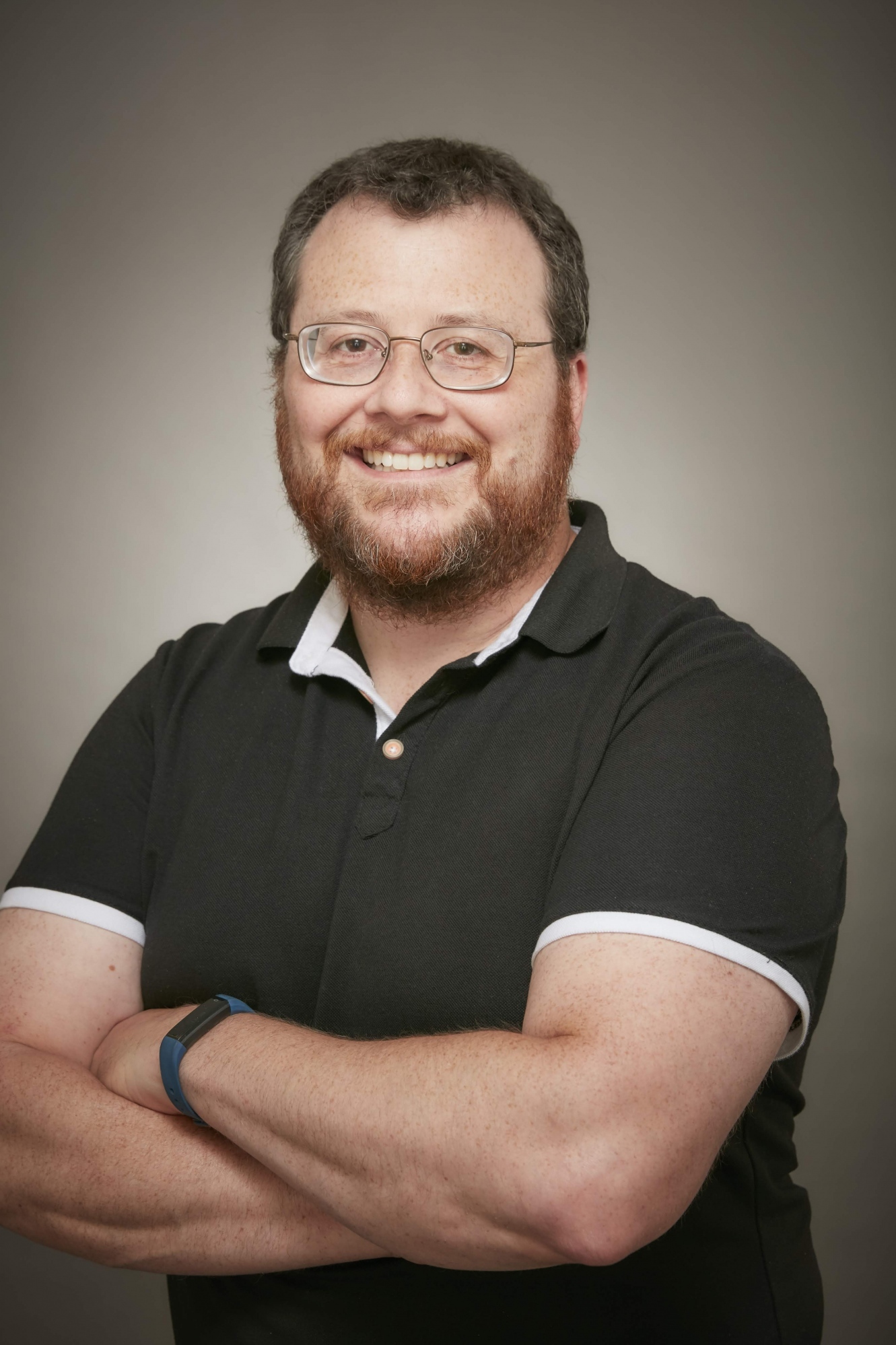 Mike Monaco is Coordinator, Cataloging Services at The University of Akron University Libraries. He has worked as a cataloger in public and academic libraries for twenty years. He has served as chair of the ALCTS Catalog Form and Function Interest Group, Coordinator of the Ohio Library Council Technical Services Division, and Chair of the Northern Ohio Technical Services Librarians Board, and presented at the ALA Annual Conference in 2019 and the Library Collective’s 2020 conference.
Location: Online via Zoom
12/8/2021
What is a MARC record, and more importantly, what is a good MARC record? Whether you’re vetting vendor-supplied records, copy cataloging, or creating original records, you will get something out of this webinar. We’ll take a quick tour of the MARC bibliographic format, explaining some of the fields that are important for a functional catalog. Then we’ll tackle some of the most frequent asked questions about cataloging: How many subject headings should a record have? Do we need contents and summary notes? What about series?Learning Objectives:
Participants will
- Be able to tell if a MARC record is complete enough to be ingested by their catalog and provide meaningful access
- Be able to identify the most common subject heading systems and whether a record has sufficient headings
- Understand how series statements are used, and where to find series information
Mike Monaco is Coordinator, Cataloging Services at The University of Akron University Libraries. He has worked as a cataloger in public and academic libraries for twenty years. He has served as chair of the ALCTS Catalog Form and Function Interest Group, Coordinator of the Ohio Library Council Technical Services Division, and Chair of the Northern Ohio Technical Services Librarians Board, and presented at the ALA Annual Conference in 2019 and the Library Collective’s 2020 conference.Location: Online via Zoom
3/1/2022
Want to get a little more life from your paperbacks? Need a few more circs on your best sellers before they fall apart? If so, then this program is for you! Loaded with useful information on how to get the most from your collection, this program covers a wide range of book repair techniques. While some techniques may be applicable, this program is not recommended for those interested in archival repair.You will be sent a supply list that you will need for the workshop
Presenter:
 Bobbie Patridge is the supervisor of the Conservation and Processing departments at the Toledo Lucas County Public Library. Bobbie has been mentoring new conservationists and has been teaching interested groups on materials repair for over thirty years.
Location: Online via Zoom
3/1/2022
Want to get a little more life from your paperbacks? Need a few more circs on your best sellers before they fall apart? If so, then this program is for you! Loaded with useful information on how to get the most from your collection, this program covers a wide range of book repair techniques. While some techniques may be applicable, this program is not recommended for those interested in archival repair.
You will be sent a supply list that you will need for the workshop
Presenter:
Bobbie Patridge is the supervisor of the Conservation and Processing departments at the Toledo Lucas County Public Library. Bobbie has been mentoring new conservationists and has been teaching interested groups on materials repair for over thirty years.Location: Online via Zoom
3/31/2022
Here is an opportunity to share your challenges and successes with your peers. This meeting will be held through Zoom which is user friendly to all devices. You will receive a link in your confirmation email a reminder 2 hours before the meeting. We hope you will join us. Please send agenda items/questions to Jane Kirkland.
Location: Online via Zoom
7/21/2022
Has anyone ever asked you to catalog a bicycle? Libraries have been adding more and more non-book materials to our catalogs: models, tools, toys… even ukuleles. This session will discuss content versus carrier for non-books, then walk through the most important descriptive data for any format. Build the confidence to catalog all your weirdest stuff!
Learning Objectives:
- Identify content versus carrier fields in RDA MARC21 bib records
- Include crucial descriptions to maximize searchability
- Use a “weird stuff” template as a starting point in future cataloging
Misty Alvaro is the Materials Manager for Columbus Metropolitan Library, in charge of all cataloging and processing operations. They have worked in public, academic, and special libraries; in all functional areas from circulation and public services librarianship to special collections cataloging and management.Location: Online via Zoom
7/21/2022
Recorded 7/21/2022Has anyone ever asked you to catalog a bicycle? Libraries have been adding more and more non-book materials to our catalogs: models, tools, toys… even ukuleles. This session will discuss content versus carrier for non-books, then walk through the most important descriptive data for any format. Build the confidence to catalog all your weirdest stuff!
Learning Objectives:
- Identify content versus carrier fields in RDA MARC21 bib records
- Include crucial descriptions to maximize searchability
- Use a “weird stuff” template as a starting point in future cataloging
Misty Alvaro is the Materials Manager for Columbus Metropolitan Library, in charge of all cataloging and processing operations. They have worked in public, academic, and special libraries; in all functional areas from circulation and public services librarianship to special collections cataloging and management.Location: Online via Zoom
10/13/2022
Troubleshooting is one of the most frustrating aspects of e-resource librarian work. This webinar hopes to bring some levity and originality to the topic. In the vein of David Letterman’s Top Ten List, join us as we count down libraries’ most commonly encountered e-resource access issues. We cover everything from user error to vendor mischief, broken links to incorrect metadata. Participants will be introduced to multiple examples in order to gain a better understanding of why these issues occur and how they are resolved.
Learning Objectives:
- Identify the most common e-resource access issues encountered by troubleshooters
- Understand why these e-resource access issues occur
- Evaluate options for resolution of access issues
Holly Talbott has more than seven years of experience with electronic resources and is coauthor of The Electronic Resources Troubleshooting Guide (ALA, 2020) and The Electronic Resources Librarianship: A Practical Guide for Librarians (Rowman & Littlefield, 2018). She is currently the electronic resources librarian at Kent State University and was previously the electronic resources and licensing librarian at the University of Arizona Libraries.
Ashley Zmau has more than ten years of academic library experience and is coauthor of Electronic Resources Librarianship: A Practical Guide for Librarians (Rowman & Littlefield, 2018) and The Electronic Resources Troubleshooting Guide (ALA, 2020). She is currently the technical services librarian at Noorda College of Osteopathic Medicine and was previously the electronic resources librarian at the University of Texas at Arlington and the electronic resources management librarian at Southern Methodist University.
Location: Online via Zoom
10/13/2022
 Recorded 10/13/2022
Troubleshooting is one of the most frustrating aspects of e-resource librarian work. This webinar hopes to bring some levity and originality to the topic. In the vein of David Letterman’s Top Ten List, join us as we count down libraries’ most commonly encountered e-resource access issues. We cover everything from user error to vendor mischief, broken links to incorrect metadata. Participants will be introduced to multiple examples in order to gain a better understanding of why these issues occur and how they are resolved.
Learning Objectives:
- Identify the most common e-resource access issues encountered by troubleshooters
- Understand why these e-resource access issues occur
- Evaluate options for resolution of access issues
Holly Talbott has more than seven years of experience with electronic resources and is coauthor of The Electronic Resources Troubleshooting Guide (ALA, 2020) and The Electronic Resources Librarianship: A Practical Guide for Librarians (Rowman & Littlefield, 2018). She is currently the electronic resources librarian at Kent State University and was previously the electronic resources and licensing librarian at the University of Arizona Libraries.
Ashley Zmau has more than ten years of academic library experience and is coauthor of Electronic Resources Librarianship: A Practical Guide for Librarians (Rowman & Littlefield, 2018) and The Electronic Resources Troubleshooting Guide (ALA, 2020). She is currently the technical services librarian at Noorda College of Osteopathic Medicine and was previously the electronic resources librarian at the University of Texas at Arlington and the electronic resources management librarian at Southern Methodist University.
Location: Online via Zoom
10/13/2022
Here is an opportunity to share your challenges and successes with your peers. This meeting will be held through Zoom which is user friendly to all devices. You will receive a link in your confirmation email a reminder 2 hours before the meeting. We hope you will join us. Please send agenda items/questions to Jane Kirkland.
Location: Online via Zoom
3/16/2023
Here is an opportunity to share your challenges and successes with your peers. This meeting will be held through Zoom which is user friendly to all devices. You will receive a link in your confirmation email a reminder 2 hours before the meeting. We hope you will join us. Please send agenda items/questions to Melissa Lattanzi.
Location: Online via Zoom
9/7/2023
Here is an opportunity to share your challenges and successes with your peers. This meeting will be held through Zoom which is user friendly to all devices. You will receive a link in your confirmation email a reminder 2 hours before the meeting. We hope you will join us. Please send agenda items/questions to Jeff Laser.
Location: Online via Zoom
9/21/2023
 Recorded 9/21/23
In this webinar we will explore the functions of the departments typically found in public libraries and how they work together. We will discuss how to pursue the various careers available in the public library field, including the education requirements and how to match your soft skills with a suitable position.
Learning Objectives:
- Understand how departments such as technical services, circulation, and adult services operate in a public library
- Explore public library career paths
- Discover what role(s) would best suit you
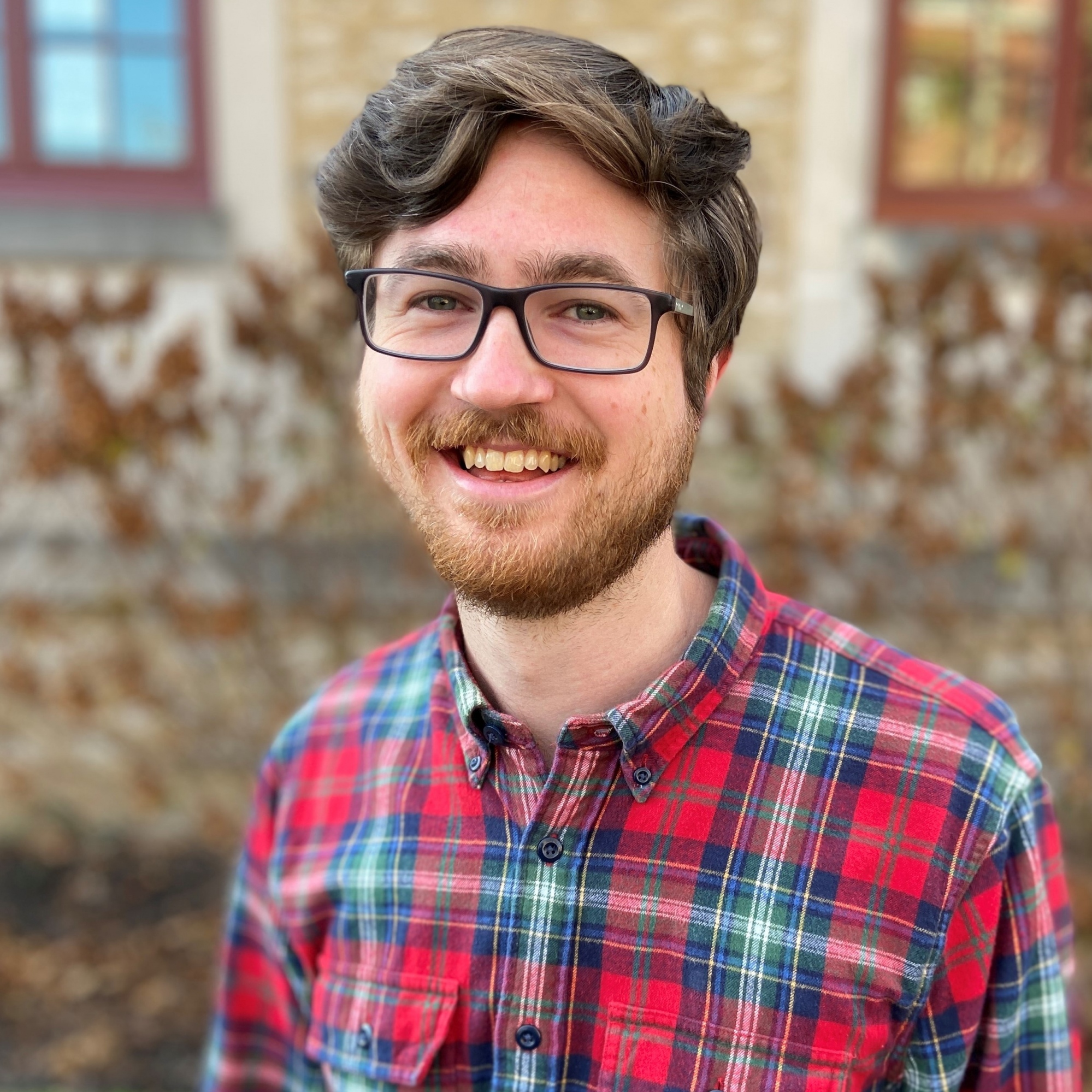 Jeff Laser is a Continuing Education Coordinator for the Northeast Ohio Regional Library System (NEO-RLS). Prior to joining NEO-RLS, he worked in public libraries for a decade, in both a single-building library and a large metropolitan system. His experience includes roles in circulation, adult services, and youth services.
Location: Online via Zoom
9/21/2023
In this webinar we will explore the functions of the departments typically found in public libraries and how they work together. We will discuss how to pursue the various careers available in the public library field, including the education requirements and how to match your soft skills with a suitable position.
Learning Objectives:
- Understand how departments such as technical services, circulation, and adult services operate in a public library
- Explore public library career paths
- Discover what role(s) would best suit you
Jeff Laser is a Continuing Education Coordinator for the Northeast Ohio Regional Library System (NEO-RLS). Prior to joining NEO-RLS, he worked in public libraries for a decade, in both a single-building library and a large metropolitan system. His experience includes roles in circulation, adult services, and youth services.Location: Online via Zoom
11/14/2023
Many public libraries, and some school libraries, are transitioning away from using the Dewey Decimal System for a variety of reasons: it is outdated and leaves no room for change; to make libraries more accessible to a wider variety of people; and to group related subjects together to name a few. Get a basic overview of the BISAC system, hear about the experience of the Madison Public Library making the switch, and learn some tips and tricks for implementing your own alternative system at your library.
Learning Objectives:
- Steps involved in making a switch in systems
- Pros and Cons of eliminating Dewey
- Tips for success
Presenter:
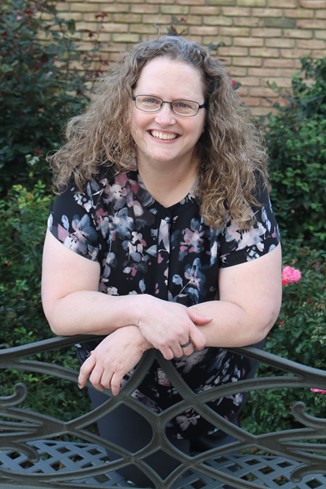 Dawn Weaver is the Collection Development Librarian at the Madison Public Library in Madison, Ohio, where she has worked for 20 years. She began her career working as a reference librarian in the Children's Department presenting programs and storytimes before transitioning to include adult reference and then accepting her current position in 2018. She has a Bachelor of Science Degree in Social Work with a cognate in Criminal Justice from Bowling Green State University and enjoys being able to use her skills to better the lives of patrons.
Location: Online via Zoom
11/14/2023
Recorded 11/14/23Many public libraries, and some school libraries, are transitioning away from using the Dewey Decimal System for a variety of reasons: it is outdated and leaves no room for change; to make libraries more accessible to a wider variety of people; and to group related subjects together to name a few. Get a basic overview of the BISAC system, hear about the experience of the Madison Public Library making the switch, and learn some tips and tricks for implementing your own alternative system at your library.
Learning Objectives:
- Steps involved in making a switch in systems
- Pros and Cons of eliminating Dewey
- Tips for success
Presenter:
Dawn Weaver is the Collection Development Librarian at the Madison Public Library in Madison, Ohio, where she has worked for 20 years. She began her career working as a reference librarian in the Children's Department presenting programs and storytimes before transitioning to include adult reference and then accepting her current position in 2018. She has a Bachelor of Science Degree in Social Work with a cognate in Criminal Justice from Bowling Green State University and enjoys being able to use her skills to better the lives of patrons.Location: Online via Zoom
3/14/2024
Here is an opportunity to share your challenges and successes with your peers. This meeting will be held through Zoom which is user friendly to all devices. You will receive a link in your confirmation email a reminder 2 hours before the meeting. We hope you will join us. Please send agenda items/questions to Jeff Laser.
Location: Online via Zoom
4/17/2024
Non-MARC metadata gets a lot of air time, but what is it? While MARC is still the most popular cataloging standard code, many other options are on the scene. We'll discuss popular metadata schema and their common uses. Explore metadata codes and standards that are used in library, archive, and museum environments in this highly accessible, beginner-friendly session.
Learning Objectives:
- Learn the distinction between MARC and other codes used in cataloging.
- Gain a broader understanding of the concept of metadata.
- Build awareness of common uses of different metadata types.
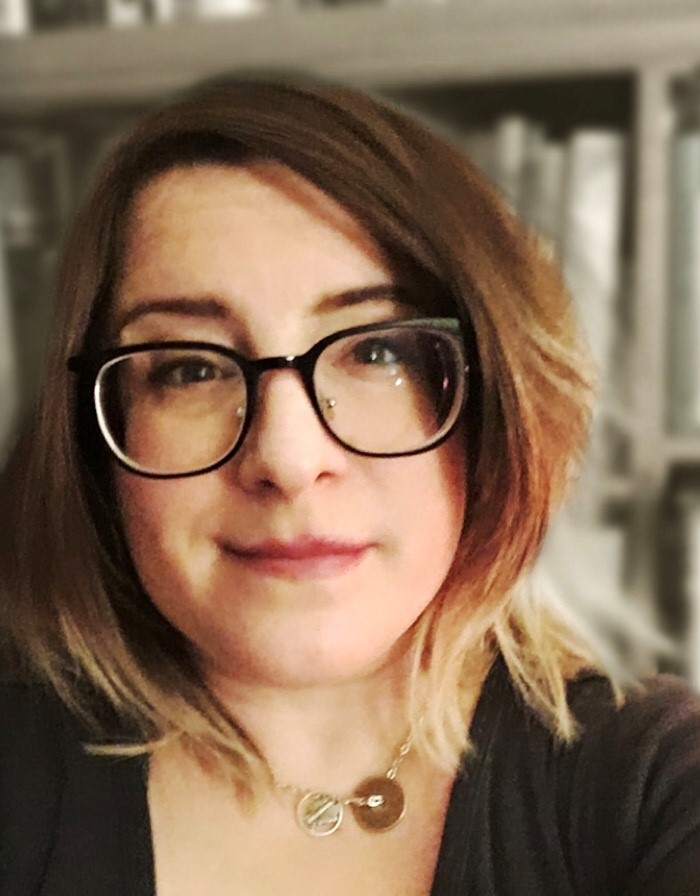 Misty Alvaro has worked in academic, public, and special libraries, but public libraries are their forever home. They worked in every possible public services department and technical services before landing their perfect gig as a cataloging and processing manager at Columbus Metropolitan Library. Misty has taught cataloging courses since 2014 and loves to hula hoop.
Location: Online
Via Zoom
4/17/2024
Recorded 4/17/24Non-MARC metadata gets a lot of air time, but what is it? While MARC is still the most popular cataloging standard code, many other options are on the scene. We'll discuss popular metadata schema and their common uses. Explore metadata codes and standards that are used in library, archive, and museum environments in this highly accessible, beginner-friendly session.
Learning Objectives:
- Learn the distinction between MARC and other codes used in cataloging.
- Gain a broader understanding of the concept of metadata.
- Build awareness of common uses of different metadata types.
Misty Alvaro has worked in academic, public, and special libraries, but public libraries are their forever home. They worked in every possible public services department and technical services before landing their perfect gig as a cataloging and processing manager at Columbus Metropolitan Library. Misty has taught cataloging courses since 2014 and loves to hula hoop.Location: Online
Via Zoom
4/30/2024
Recorded 4/30/24Have you ever wanted the big picture, the whole story of where library materials come from, how they live, and where they go? Staff from Avon Lake Public Library will take you from budgeting through selection, acquisition, cataloging, processing, circulation and weeding in an informative and informal fashion. Those that do the work themselves will show and tell, and await your questions! This webinar will be of general interest to library staff who may be new or want an overview of the flow of materials in a small to medium-sized library. It could be your library!
Presenters:
Avon Lake Public Library Staff
Location: Online via Zoom
4/30/2024
Have you ever wanted the big picture, the whole story of where library materials come from, how they live, and where they go? Staff from Avon Lake Public Library will take you from budgeting through selection, acquisition, cataloging, processing, circulation and weeding in an informative and informal fashion. Those that do the work themselves will show and tell, and await your questions! This webinar will be of general interest to library staff who may be new or want an overview of the flow of materials in a small to medium-sized library. It could be your library!
Presenters:
Avon Lake Public Library Staff
Location: Online via Zoom
8/27/2024
We've been circulating Roku devices to our patrons since 2015. It's a way for them to experience streaming video without the investment and confusion and offer access to programs we can't offer or purchase in other ways. Discover how we made this streaming world accessible and what lessons we learned along the way. Be ready to experiment and enhance your existing physical and downloadable offerings.
Learning Objectives:
- Understand how Rokus (and similar appliances) and streaming services work for consumers
- Understand how you can provide access to these for your community
- How to make sense with and keep up with the world of streaming to continuously improve offerings.
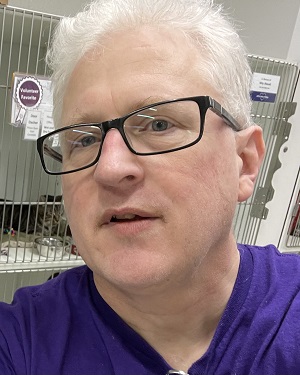 Gerry Vogel, Avon Lake Public Library
 Gerry has been assistant director of Avon Lake Public Library since 2006. Gerry and his family stopped using cable shortly after getting their first Roku in 2015.
Location: Online via Zoom
8/27/2024
 Recorded 8/27/24
We've been circulating Roku devices to our patrons since 2015. It's a way for them to experience streaming video without the investment and confusion and offer access to programs we can't offer or purchase in other ways. Discover how we made this streaming world accessible and what lessons we learned along the way. Be ready to experiment and enhance your existing physical and downloadable offerings.
Learning Objectives:
- Understand how Rokus (and similar appliances) and streaming services work for consumers
- Understand how you can provide access to these for your community
- How to make sense with and keep up with the world of streaming to continuously improve offerings.
Gerry Vogel, Avon Lake Public Library Gerry has been assistant director of Avon Lake Public Library since 2006. Gerry and his family stopped using cable shortly after getting their first Roku in 2015.
Location: Online via Zoom
10/17/2024
Here is an opportunity to share your challenges and successes with your peers. This meeting will be held through Zoom which is user friendly to all devices. You will receive a link in your confirmation email a reminder 2 hours before the meeting. We hope you will join us. Please send agenda items/questions to Jeff Laser.
Location: Online via Zoom
12/4/2025
We’re excited to unveil a fresh approach to professional connection and collaboration. Our traditional networking meetings are now Active Learning Communities—dynamic spaces designed for shared learning, real conversation, and practical support.
Join your peers to exchange ideas, celebrate successes, and discover new solutions to common challenges. You'll also get a guided introduction to our new message boards, which will help keep the conversation going long after the meeting ends.
This meeting will be held through Zoom which is user friendly to all devices. You will receive a link in your confirmation email a reminder 2 hours before the meeting. We hope you will join us. Please send agenda items/questions to Hilllary Brown.
Location: Online
Via Zoom
4/15/2026
Join your peers to exchange ideas, celebrate successes, and discover new solutions to common challenges.
This meeting will be held through Zoom which is user friendly to all devices. You will receive a link in your confirmation email a reminder 2 hours before the meeting. We hope you will join us. Please send agenda items/questions to Hilllary Brown.
Location: Online
Via Zoom
6/4/2026
Spend a day connecting, collaborating and sharing solutions with your colleauges in Collection Development and Technical Services. This event brings together speakers, panel discussions, and facilitated group conversations focused on the challenges and opportunities shaping your work today. Topics include navigating vendor issues and opportunities, balancing materials selection budgets, managing AI-generated content in library collections, and developing flexible training resources and procedure manuals.
Designed to be both engaging and practical, this is an opportunity to connect with colleagues from institutions of all sizes, exchange ideas, and come away with fresh perspectives and useful strategies.
Location: Parma-Powers Branch - Cuyahoga County Public Library
6996 Powers Blvd
Parma, Oh 44129