Northeast Ohio Regional Library System
2/19/2015
Geographic Member/Other Cost: $50
Full/CE Member Cost: $25
Questions you might be asking that will be answered in this program include:
- How can patrons find ancestor records and family histories?
- How can patrons discover the stories behind the people?
- How can patrons document and share their findings?
Location: Online
Via Adobe Connect
There are currently 7 spots remaining out of 25
5/14/2015
Geographic Member/Other Cost: $170
Full/CE Member Cost: $ 85
Just starting in reference or need a refresher. Come to this workshop which will focus on the RUSA Guidelines and what's new in reference.
Location: New NEO Office
1580 Georgetown Rd.
Hudson, OH 44236
There are currently 15 spots remaining out of 30
1/1/2016
 How does copyright apply to libraries and our patrons? Attend this crash course to learn the essentials of copyright law and how to keep your libraries safe from infringement and potential lawsuits. You will also learn how to take advantage of fair-use exceptions in the law by analyzing a range of copyright scenarios.
When you receive your confirmation of registration for this archive the link to the archive will be included in the confirmation email.
Location: Online
Via Adobe Connect
There are currently 50 spots remaining out of 100
1/1/2016
Are you ever concerned about your patrons’ well-being? You know, that couple that has shown up for the third day in a row right when you open, and don’t seem to leave until you’re locking the door at night? Did they eat today? Shouldn’t they have warmer coats in this weather? Or have a parent ask about where they can find education programs to address their children’s special needs? How about the first time a customer came into the computer lab wanting to know how to get an “Obama-phone”? Where do you turn to find these answers?Did you know, more than 90% of Ohio’s population can get these answers by simply dialing three digits? Just three digits…2-1-1! This free service is available 24 hours/7days a week/365 days a year.
Join this webinar to learn:
-
What 2-1-1 service can do for your library staff and its customers
-
How to find the local 2-1-1 service providers in Ohio and across the US
-
How and why Mansfield/Richland County Public Library partnered with their county JFS to offer this direct service.
Terry earned a Bachelor of Science Degree in Environmental Communications from The Ohio State University in 1984. She met her husband while at OSU and together they made their home in Columbus where she worked at the Ohio Department of Natural Resources for 11 years. After taking some time to be a stay-at-home mom and a short stint living out of state, Terry and her family returned to her husband's hometown to set down roots in Richland County. While working part-time as a reference assistant at the library, she accepted the newly created position offering Information &Referral (I&R) services to the community. Since then she has completed her Master's studies in Library Science through Kent State University and specializes in this particular type of outreach
When you receive your confirmation of registration for this archive the link to the archive will be included in the confirmation email.
Location: Online
Via Adobe Connect
9/13/2016
Cost $100
Cost w/ Bronze Discount $60
Cost w/ Silver Discount $40
Cost w/ Gold Discount FREE
(It’s never too late to save your library money. NEO Discounts are pro-rated! Call us today to sign up!)
Don't just "google" - Use Google like a pro! Google's many services provide numerous tools to provide your patrons with the best information and you with the resources to be more efficient. Learn some Google tips, tricks, and best practices to impress your colleagues and customers.
After attending this half day training, you'll have a new appreciation of what Google can do for you.
Location: NEO Office
1580 Georgetown Rd.
Hudson, OH 44236
There are currently 15 spots remaining out of 25
9/27/2016
Dewey Lite can help make your non-fiction shelves more browser friendly an give your library an updated look. Join us to learn what steps the Williams County Public Library took to change their entire non-fiction collection in 7 locations from standard Dewey call number order to a new Dewey Lite, bookstore inspired look.
Location: Online
Via Adobe Connect
There are currently 31 spots remaining out of 50
1/11/2017
Libraries allocate thousands of dollars to subscribe to databases so their patrons can access useful information. We are always seeking out resources to supplement the ones provided from OPLIN, the State Library of Ohio, regional library systems, and other partnerships. Yet much of the information is available online for free! This program will highlight several such resources anyone with Internet access can use without cost that might supplement (or replace) existing commercial databases.
Presenter: Chris May, Deputy Director, Mansfield-Richland County Public Library
Location: Online
Via Adobe Connect
There are currently 21 spots remaining out of 50
3/7/2017
Google has revolutionized how librarians find information...but when we need to supplement
a Google find, that's where our treasure chest of online databases come in handy. Limber up those fingers for this hands on session that will provide a complete review of the resources available to every library
from OPLIN.
Presenter: Jay Burton, Director, Southeast Regional Library System
Jay worked for 17 years at the State Library of Ohio and the Columbus Metropolitan Library.
Location: NEO-RLS
1580 Georgetown Rd.
Hudson, OH 44236
There are currently 8 spots remaining out of 20
5/18/2017
Are you ever concerned about your patrons’ well-being? You know, that couple that has shown up for the third day in a row right when you open, and don’t seem to leave until you’re locking the door at night? Did they eat today? Shouldn’t they have warmer coats in this weather? Or have a parent ask about where they can find education programs to address their children’s special needs? How about the first time a customer came into the computer lab wanting to know how to get an “Obama-phone”? Where do you turn to find these answers?
Did you know, more than 90% of Ohio’s population can get these answers by simply dialing three digits? Just three digits…2-1-1! This free service is available 24 hours/7days a week/365 days a year.
Join this webinar to learn:
- What 2-1-1 service can do for your library staff and its customers
- How to find the local 2-1-1 service providers in Ohio and across the US
- How and why Mansfield/Richland County Public Library partnered with their county JFS to offer this direct service.
Terry earned a Bachelor of Science Degree in Environmental Communications from The Ohio State University in 1984. She met her husband while at OSU and together they made their home in Columbus where she worked at the Ohio Department of Natural Resources for 11 years. After taking some time to be a stay-at-home mom and a short stint living out of state, Terry and her family returned to her husband's hometown to set down roots in Richland County. While working part-time as a reference assistant at the library, she accepted the newly created position offering Information &Referral (I&R) services to the community. Since then she has completed her Master's studies in Library Science through Kent State University and specializes in this particular type of outreach
Location: Online
Via Adobe Connect
There are currently 18 spots remaining out of 50
5/22/2017
The Cuyahoga Works Job & Career Services Center @ Cuyahoga County Public Library is proud to present a Career Resource Workshop for Northeast Ohio Regional Library System. This workshop is designed to provide library staff and professionals with career resource information and trends to best prepare them to assist and refer patrons seeking employment advice and information.
This workshop will offer practical advice and detailed information regarding what resources job seekers are using today to best prepare them for the workforce. This workshop will be an overview of online website career resource material and book resources that library staff should understand, as well as local and national career, educational, vocational and entrepreneurial resource trends and programs that will be helpful. Workshop material will include information on Cuyahoga Works Job & Career Services, Library Trends across the country to serve patrons, Website Career Resources, Education and Professional Development tools and Advocacy resources.
Presenter: Kristie M. Williams, Ph.D., LPC
Career Services Supervisor
Cuyahoga Works Job and Career Services
Location: Cuyahoga County Public Library
Maple Heights Branch
Maple Heights, OH 44137
There are currently 8 spots remaining out of 20
7/19/2017
Medical questions are among the most dreaded at any public library service desk - how do I ask for more information without prying (and, how do I avoid getting way too much information)?What's my best place to start? What databases and books do I need in my library, and how do I use them? How do I know a website contains reliable information? What if I just can't find the answer?
Discover the reference desk basics for answering your customers' medical questions in this hands-on program , where (and how) to draw the line, and when and where to refer your patients, whoops, customers.
Presenters:
Monique Mason, Manager, Science & Technology Division, Akron-Summit County Public Library
Monique is also a member of the Academy of Health Information Professionals of the Medical Library Association and currently serves as the secretary of the Ohio Health Sciences Libraries Association.
Kelli Nikola, Librarian, Science & Technology Division, Akron-Summit County Public Library
Kelli teaches patrons how to search for evidence-based health information and maintains the Health Information Center print collection. She has a Consumer Health Information Specialist, Level II certificate from the Medical Library Association.
Location: Akron Summit County Public Library
60 S High St
Akron, OH 44326
There are currently 6 spots remaining out of 15
9/6/2017
This webinar will discuss guidelines for legal reference services, as well as review key secondary and primary resources for legislative, administrative, and case law in federal, Ohio, and county/municipal jurisdictions. The session will also note free web-based resources and county law library resources.
Presenter:
Laura E. Ray has been at the Cleveland-Marshall College of Law since 1989, where she currently serves as the Outreach & Instructional Services Librarian. She coordinates Law Library instructional programs, as well as provides classroom research instruction, reference service, and faculty instructional support. She is a specialist in medical/health care law research, legal history, and instructional methods. Laura received her MLS from Case Western Reserve University in 1979, and her MA in History and BA from Cleveland State University in 1976 and 1974. Laura has presented numerous workshops and lectures at national and regional library and medical conferences since 1982, addressing a myriad of topics on the audiovisual enhancement of learning, instructional design and learning styles, library and Web-based support of teaching and practice, legislative and administrative advocacy, as well as legal and medical research.
Location: Online
Via Adobe Connect
There are currently 35 spots remaining out of 50
9/6/2017
 This webinar will discuss guidelines for legal reference services, as well as review key secondary and primary resources for legislative, administrative, and case law in federal, Ohio, and county/municipal jurisdictions. The session will also note free web-based resources and county law library resources.
Presenter:
Laura E. Ray has been at the Cleveland-Marshall College of Law since 1989, where she currently serves as the Outreach & Instructional Services Librarian. She coordinates Law Library instructional programs, as well as provides classroom research instruction, reference service, and faculty instructional support.
When you receive your confirmation of registration for this archive the link to the archive will be included in the confirmation email.
Location: Online
Via Adobe Connect
8/22/2018
EBSCO has been working with libraries for more than seventy years! They provide research databases, scholarly journals, magazines, and discovery tools to meet research and information needs. We’ll use the EBSCOhost resources provided to Ohio residents through the Ohio Web Library. Users of other EBSCO solutions (school, academic, and special libraries) will also benefit from the workshop, because EBSCO has focused so heavily on a search platform. Participants will, therefore, learn these search interfaces inside and out, arguably one of EBSCO’s best features. Secondly, you will gain an appreciation of the value of signing into a personal account within the library-provided service, called “My EBSCOhost,” because it collects, saves and updates your research. Although the guided search interface may be easier for a novice to understand, you will learn to create complex search strings within the single search box interface, using Boolean operators, nesting with parentheses, subject terms, and thesaurus entries, in case that’s faster for you to use when helping yourself or others in the resources.
In this hands-on workshop you will learn:
- Search interfaces inside and out
- How to create and use "My EBSCOhost" account
- Create complex search strings
Light refreshments will be provided.
Location: Rocky River Public Library
1600 Hampton Rd, ,
Rocky River, OH 44116
There are currently 5 spots remaining out of 10
10/31/2018
Every once in a while, we all need a "reboot" to keep our skills fresh. While we may provide information to patrons on a daily basis, sometimes we need to step back and re-assess what we're doing from an objective perspective. This webinar will provide you with a chance to look at standards of practice, suggestions on steps to take in the reference interview, and ways to search for information on any topic. This webinar is designed specifically for those staff members new to the reference desk to get them off on the right footing.
Learning Objectives:
1) Attendees will gain practical searching skills to apply within any information-searching environment.
2) Attendees will be re-acquainted with standards of reference service to measure their own and/or their staff's performance.
3) Attendees will learn the importance of and how to conduct a thorough reference interview.
Presenter:
Since 2015, Don Boozer has been manager of the departments of Business, Economics and Labor; Science and Technology; Social Sciences; and Government Documents at Cleveland Public Library. Don is also an adjunct instructor at Kent State University School of Information, teaching "Information Sources and Reference Services." Previously, Don was coordinator of Ohio's statewide online reference service, KnowItNow24x7; a subject librarian in Literature at Cleveland Public Library; and a reference librarian at Barberton Public Library
Location: Online
Via Adobe Connect
There are currently 6 spots remaining out of 75
10/31/2018
Every once in a while, we all need a "reboot" to keep our skills fresh. While we may provide information to patrons on a daily basis, sometimes we need to step back and re-assess what we're doing from an objective perspective. This webinar will provide you with a chance to look at standards of practice, suggestions on steps to take in the reference interview, and ways to search for information on any topic. This webinar is designed specifically for those staff members new to the reference desk to get them off on the right footing.Learning Objectives:
-
Attendees will gain practical searching skills to apply within any information-searching environment.
-
Attendees will be re-acquainted with standards of reference service to measure their own and/or their staff's performance.
-
Attendees will learn the importance of and how to conduct a thorough reference interview.
Presenter:
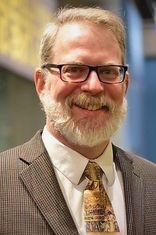 Since 2015, Don Boozer has been manager of the departments of Business, Economics and Labor; Science and Technology; Social Sciences; and Government Documents at Cleveland Public Library. Don is also an adjunct instructor at Kent State University School of Information, teaching "Information Sources and Reference Services." Previously, Don was coordinator of Ohio's statewide online reference service, KnowItNow24x7; a subject librarian in Literature at Cleveland Public Library; and a reference librarian at Barberton Public Library
When you receive your confirmation of registration for this archive the link to the archive will be included in the confirmation email.
Location: Online
Via Adobe Connect
11/13/2018
This training is being provided by EBSO it consists of the following databases:
- EBSCOhost
- Consumer Reports
- Learning Express
- Novelist
Location: Cuyahoga Falls Library
2015 3rd St
Cuyahoga Falls, OH 44221
There are currently 18 spots remaining out of 30
11/28/2018
Providing Library access to English Language Learners (ELL) can be much more than developing your foreign language and ESL collections. Those learning English can have more pressing information needs and all staff can play a part in creating a welcoming environment. Keep ESL patrons coming back (hint, it’s not just the free services but the new connections and relationships they make at the Library) and provide programming opportunities for the entire community to engage.Learning objectives:
-
How to effectively welcome the ELL community into the Library using best practices in outreach
-
How to engage ELL patrons with staff encounters, signage, relevant programming, collections and volunteerism
-
Learn about grant funding and potential community partnerships
Ginger Hofstetter developed a variety of impactful and innovative Spanish language programs as Spanish Language Outreach and Programming Coordinator during her time at Perry Public Library and Ashtabula County District Library and translated Guiding Ohio Online’s technology training materials into Spanish for the State Library of Ohio. Her most recent projects are ELL Guide and Residential Houseparent for international boarding students at Hershey Montessori Farm School and as a freelancer providing individual casework for English Language Learners. Ginger studied Humanities at a Mexican university and has conducted business internationally.
When you receive your confirmation of registration for this archive the link to the archive will be included in the confirmation email.
1/10/2019
KEPRO offers information and assistance to Medicare beneficiaries and families regarding complaints, discharge appeals, Immediate Advocacy, and Patient Navigation. This webinar will provide a general overview of KEPRO's services and how local libraries can utilize KEPRO’s resources to help inform seniors in their community about their Medicare rights.
Learning Objectives:
- Provide an overview of KEPRO’s Role
- Identify the services provided by KEPRO: Appeals, Complaints, Immediate Advocacy, & Patient Navigation
- Identify when and how to contact KEPRO
Location: Online
Via Adobe Connect
There are currently 36 spots remaining out of 50
1/16/2019
According to some, we're living in a post-truth, alternative-fact-based era. How do you distinguish between fake and fact when looking for information? This session will arm you with tools to distinguish reality from "truthiness" and why it's so important in today's online information environment.
Looking forward to it.
Presenter: Don Boozer has been manager of the departments of Business, Economics and Labor; Science and Technology; Social Sciences; and Government Documents at Cleveland Public Library since 2015. Don is also an adjunct instructor at Kent State University School of Information, teaching "Information Sources and Reference Services." Previously, Don was coordinator of Ohio's statewide online reference service, KnowItNow24x7; a subject librarian in Literature at Cleveland Public Library; and a reference librarian at Barberton Public Library
Location: Online
Via Adobe Connect
There are currently 4 spots remaining out of 50
1/16/2019
According to some, we're living in a post-truth, alternative-fact-based era. How do you distinguish between fake and fact when looking for information? This session will arm you with tools to distinguish reality from "truthiness" and why it's so important in today's online information environment.Presenter:
Don Boozer has been manager of the departments of Business, Economics and Labor; Science and Technology; Social Sciences; and Government Documents at Cleveland Public Library since 2015. Don is also an adjunct instructor at Kent State University School of Information, teaching "Information Sources and Reference Services." Previously, Don was coordinator of Ohio's statewide online reference service, KnowItNow24x7; a subject librarian in Literature at Cleveland Public Library; and a reference librarian at Barberton Public LibraryWhen you receive your confirmation of registration for this archive the link to the archive will be included in the confirmation email.
Location: Online
Via Adobe Connect
2/20/2019
In her book Library Services for Immigrants and New Americans, Jennifer Koerber reviewed programs and services provided by more than 20 libraries across the country. In this webinar, she'll share 5 case studies and highlight the best practices they represent, including how to broaden the scope to include long-time residents and other community members. At the end, she'll guide you through an exercise to create a list of 10 concrete tasks you can take in your library to add or improve services to newcomer populations. There will be time for questions and answers, and a handout will include links to all libraries mentioned in the talk.Learning Objectives:
During and after this webinar, participants:
-
Are exposed to diverse approaches to serve immigrants/New Americans at different levels of investment.
-
Will recognize that providing these services and programs can often be multi-purposed to serve long-time residents and any new resident as well as newcomers to the US.
-
Construct a list of 10 concrete things they can do in their buildings and in their communities based on webinar content.
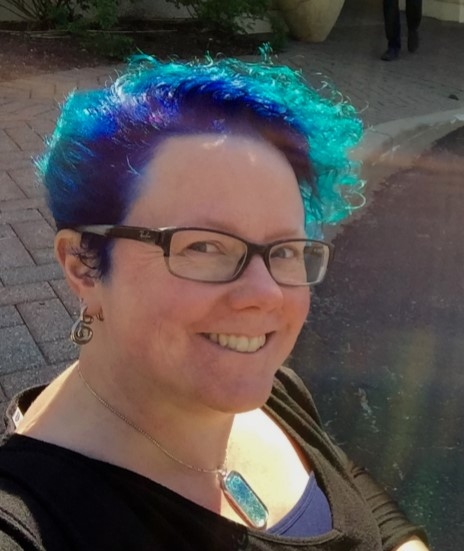 Jennifer Koerber has two decades of experience in libraries, in both public-facing and behind-the-scenes roles. After 17 years at the Boston Public Library, she established her own business providing technology training and consulting services to libraries. Jennifer is also currently the Training Manager at Harvard University Library, overseeing staff training for a new service platform.
She has written extensively for Library Journal on public library services and technology, and in May 2018, her book Library Services to Immigrants and New Americans: Celebration and Integration was released by Libraries Unlimited. In what remains of her time, she is an avid mobile photographer and traveler.
When you receive your confirmation of registration for this archive the link to the archive will be included in the confirmation email.
Location: Online
Via Adobe Connect
4/9/2019
Come to this network to share your successes and challenges. In the past this group has setup field trips to visit other libraries and institutions. Please send your ideas and topics to Jailynne Cronin from Warren Trumbull County Public Library who has volunteered to facilitate this group.
Location: Kent Free Library
312 W Main St.
Kent, OH 44240
There are currently 16 spots remaining out of 30
5/1/2019
Alzheimer’s dementia already affects more than 5 million Americans and is the 6th-leading cause of death in the United States; all predictions are for even more rapid spread as the Baby Boomers age. Libraries in many cases have been slow to consider how specifically to serve this growing population among our users, and how to serve the even-larger group of those caring for people with dementia. But there are concrete services we can offer, and positive effects we can have on these patrons
In this webinar we will review:
- The Alzheimer’s epidemic
- Current medical research into brain-healthy lifestyles
- A variety of innovative responses in library programming dedicated to those living with Alzheimer’s and their care givers
Timothy J. Dickey is an adult public service Librarian with the Columbus Metropolitan Libraries, and a library science educator teaching reference, research methods, and library technology for the faculties of Kent State University and San José State University. Prior to these positions, he assisted Lynn Silipigni Connaway at the OCLC Office of Research, specializing in user studies and data mining research. Timothy has taught workshops on various topics for the American Library Association's eLearning division, and also brings his personal experience as an Alzheimer’s caregiver to this topic.
Location: Online
Via Adobe Connect
There are currently 18 spots remaining out of 50
6/11/2019
Want to provide a new service for your patron while also promoting your resources? Consider creating a resume review program for your patrons. This type of program allows your library to build relationships within your community and show how contemporary and traditional library materials can be used for practical concerns.
In this session you will learn how to:
- Research you community’s need for the service
- Identify and utilize on-hand resources
- Utilize suggested best practices
- Promote your new program
Gregory Hatch is the Curator/Historian for Rocky River Public Library & Cowan Pottery museum. He started his employment at Rocky River as an Adult Service Librarian and recently moved into his current position in September 2018. Gregory is a library and museum professional who’s focus is to create programs and resources that reflect needs of the community and patrons he serves. He holds a BA and MLIS from Kent State University and an MFA from Ohio University.
Location: Online
Via Adobe Connect
There are currently 21 spots remaining out of 50
6/11/2019
Want to provide a new service for your patron while also promoting your resources? Consider creating a resume review program for your patrons. This type of program allows your library to build relationships within your community and show how contemporary and traditional library materials can be used for practical concerns.In this session you will learn how to:
-
Research you community’s need for the service
-
Identify and utilize on-hand resources
-
Utilize suggested best practices
-
Promote your new program
When you receive your confirmation of registration for this archive the link to the archive will be included in the confirmation email.
Location: Online
Via Adobe Connect
6/26/2019
Have you seen bullet journaling on social media? Are you wondering what it's all about? This webinar will teach you about bullet journaling, which is a flexible organization method that can be your planner, to-do list, notebook, calendar, and more - all in one place! A bullet journal allows you to create a customizable system that works for you to help you get organized, whether you prefer a beautifully decorated scrapbook or a lean list-making planner. You will also learn how to present a program on bullet journaling at your own library.
Learning Objectives:
- Attendees will learn what bullet journaling is and what components typically make up a bullet journal
- Attendees will learn how to create a bullet journal and ways to use a bullet journal as an organization system
- Attendees will learn how to facilitate a class on bullet journaling at their own library
Mary Jo Kachurik is an Adult Services Librarian at Warren-Trumbull County Public Library, where she is responsible for providing reference service, presenting programs, and assisting with collection development. Her professional interests include programming for younger adults and community engagement. Mary Jo began bullet journaling in 2015 and has taught several classes on bullet journaling since then.
Location: Online
Via Adobe Connect
There are currently 17 spots remaining out of 75
7/11/2019
In this session, we’ll cover tech troubleshooting basics: how to approach the device or the person having the issue; first questions to ask; and common issues with websites, mobile devices, and computer programs. We’ll also reframe the technology troubleshooting process in a more familiar context: a reference conversation or customer service interaction.
Learning Objectives:
- Learn basic strategies for approaching technology troubleshooting for themselves and for their patrons, based on best practices from help desk and other tech industry fields.
- Get a quick list of frequent issues and how to solve them for a variety of platforms, including the internet and mobile devices.
- Gain confidence in their own ability to navigate technology troubleshooting.
- Are able to view tech troubleshooting interactions as another form of customer service, to support an open mindset towards finding solutions.
Jennifer Koerber has two decades of experience in libraries, in both public-facing and behind-the-scenes roles. After 17 years at the Boston Public Library, she established her own business providing technology training and consulting services to libraries, and recently completed a contract as Training Manager at Harvard University Library, overseeing staff training for a new ILS platform.
She has written extensively for Library Journal on public library services and technology, and in May 2018, her book Library Services to Immigrants and New Americans: Celebration and Integration was released by Libraries Unlimited. In what remains of her time, she is an avid mobile photographer, crafter, and traveler.
You can find Jennifer online at www.jenniferkoerber.com and www.worksfromthetreehouse.com.
Location: Online via Adobe Connect
There are currently 10 spots remaining out of 75
7/11/2019
In this session, we’ll cover tech troubleshooting basics: how to approach the device or the person having the issue; first questions to ask; and common issues with websites, mobile devices, and computer programs. We’ll also reframe the technology troubleshooting process in a more familiar context: a reference conversation or customer service interaction.
Learning Objectives:
-
Learn basic strategies for approaching technology troubleshooting for themselves and for their patrons, based on best practices from help desk and other tech industry fields.
-
Get a quick list of frequent issues and how to solve them for a variety of platforms, including the internet and mobile devices.
-
Gain confidence in their own ability to navigate technology troubleshooting.
-
Are able to view tech troubleshooting interactions as another form of customer service, to support an open mindset towards finding solutions.
Jennifer Koerber has two decades of experience in libraries, in both public-facing and behind-the-scenes roles. After 17 years at the Boston Public Library, she established her own business providing technology training and consulting services to libraries, and recently completed a contract as Training Manager at Harvard University Library, overseeing staff training for a new ILS platform.
She has written extensively for Library Journal on public library services and technology, and in May 2018, her book Library Services to Immigrants and New Americans: Celebration and Integration was released by Libraries Unlimited. In what remains of her time, she is an avid mobile photographer, crafter, and traveler.
You can find Jennifer online at www.jenniferkoerber.com and www.worksfromthetreehouse.com.
When you receive your confirmation of registration for this archive the link to the archive will be included in the confirmation email.
Location: Online via Adobe Connect
7/23/2019
Did you ever wonder what special libraries have to offer your patrons? Join us for a special libraries showcase highlighting some regional special libraries and what they have to offer. Hear about the projects and patrons they serve. After lunch we will have a round table discussion to share your challenges and success stories with one another and plan a field trip to a special library. Below are the list of libraries and the representatives that will be joining us.
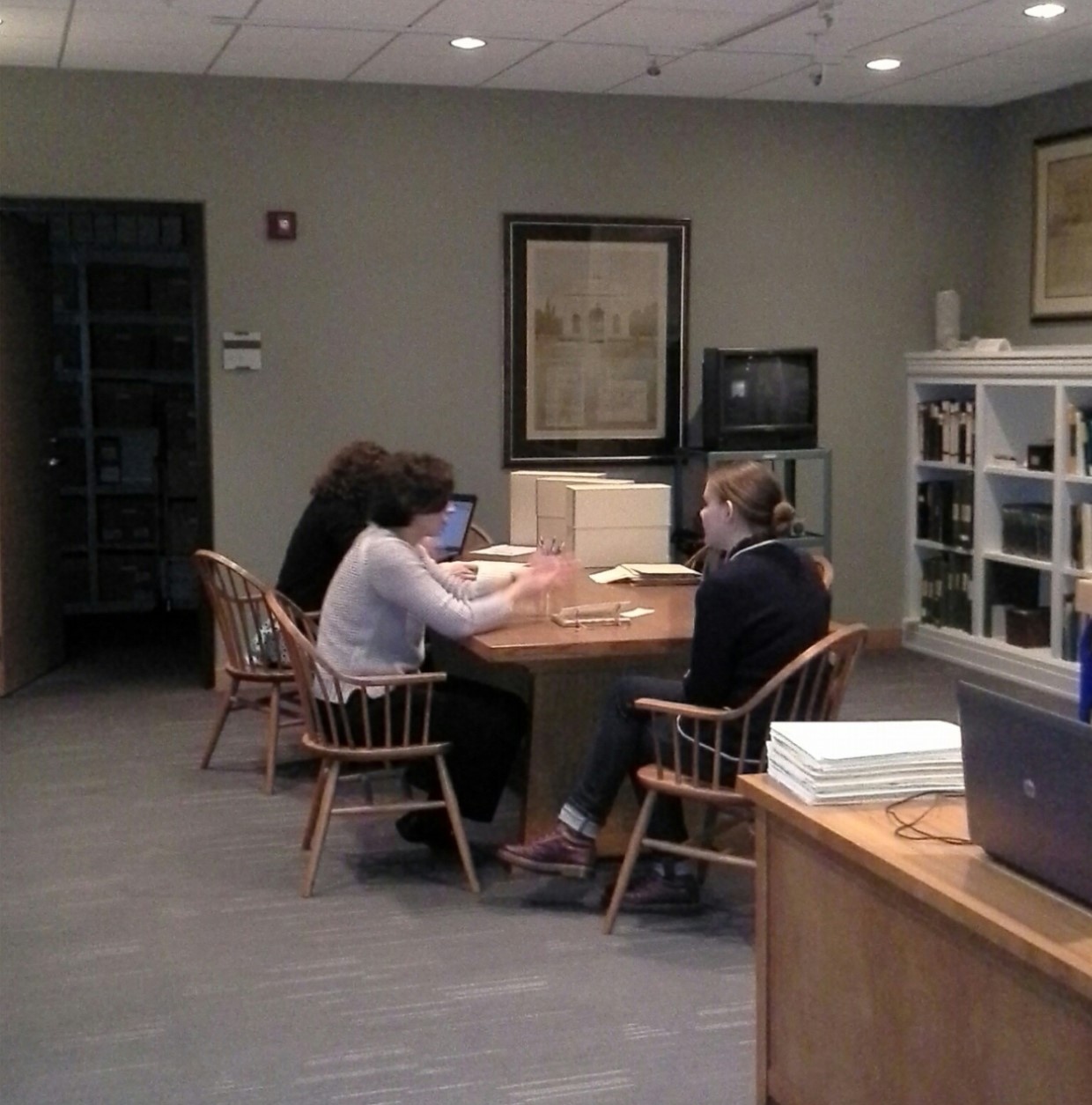 Ingalls Library and Museum Archives
 The Ingalls Library and Museum Archives are free and open to the public Tuesday to Friday from 10am to 5pm. Additionally, badge access is available for staff and CWRU patrons Monday from 9 am to 5 pm, and 9 am to 10 am Tuesday to Friday.
Come see what’s new today. With over 8,000 books entering the collection every year, there’s always something inspiring on our recent acquisitions table. The library lounge features art magazines and journals, auction sales catalogs, and newspapers from around the world. A treasure trove of original resources awaits you in the archives. From the largest folios to the most delicate rare books and unpublished documents, the most comprehensive art research collection between New York and Chicago is available for viewing upon request.
Presenter:
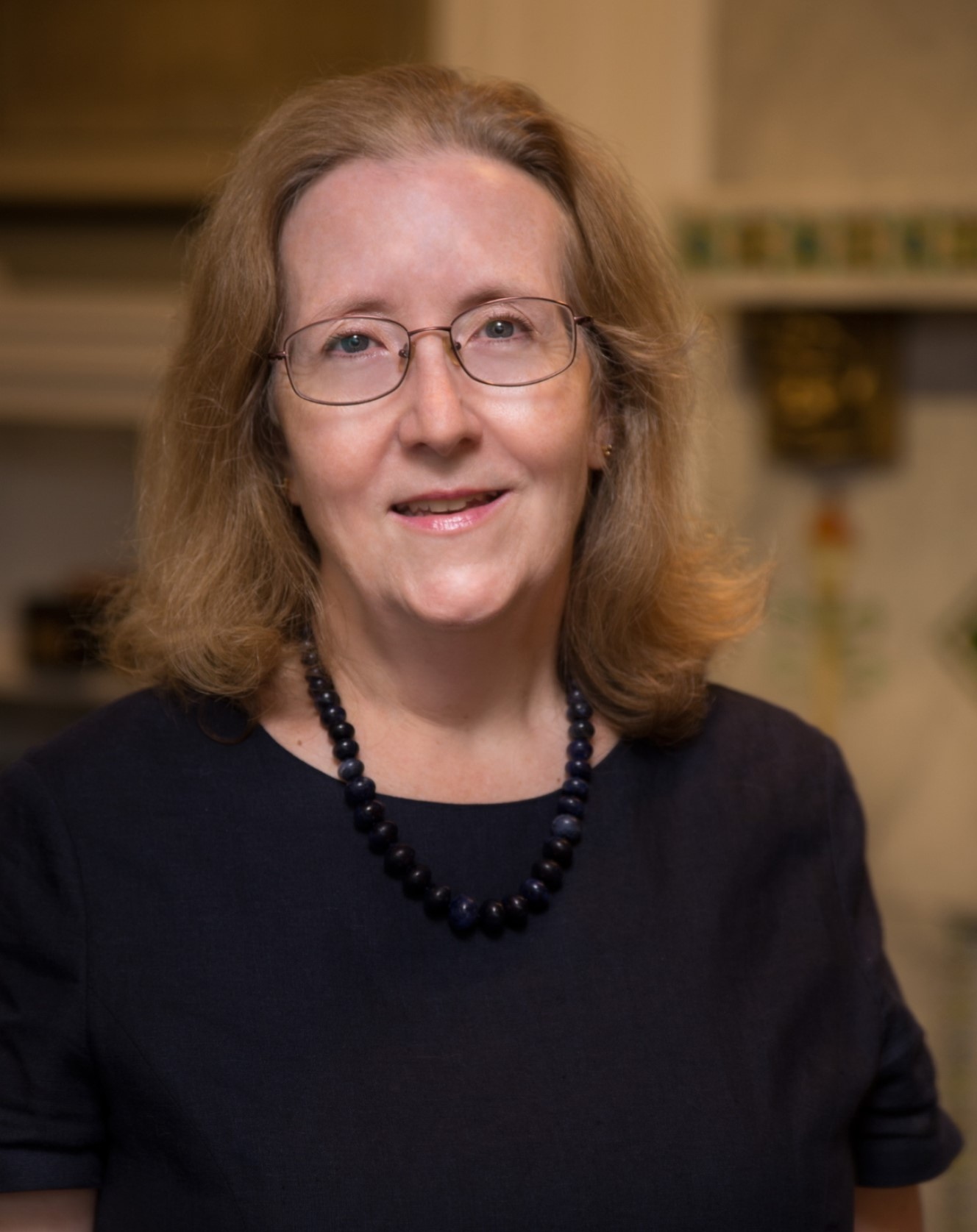 Leslie Cade, Director of Museum Archives, is responsible for all historical, archival and records management functions of the Cleveland Museum of Art. A native Clevelander, Ms. Cade received her BA from John Carroll University and her MA in History and Museum Studies with a concentration in archival administration from CWRU. She has worked at a number of local institutions including the Western Reserve Historical Society, Shaker Historical Society, Dittrick Museum of Medical History, the Cleveland Children’s Museum, and the Cleveland Police Museum; then detouring to Kansas as head of reference services at the State Historical Society in Topeka before coming to CMA in 2001.
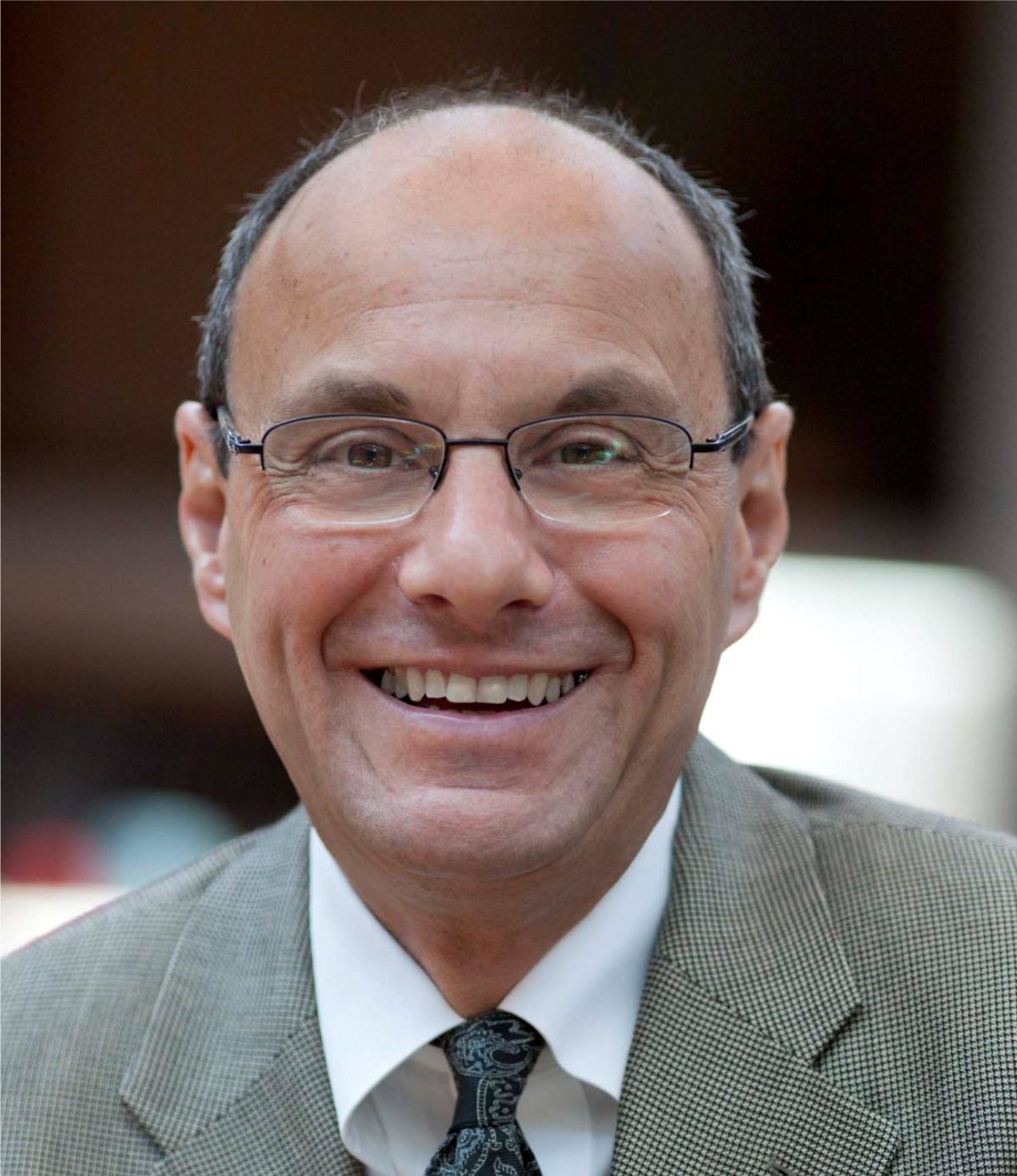 Louis Adrean has been with the Cleveland Museum of Art since 1986, first as Serials Librarian and most recently as Head, Research & Programs. He received his B. A. in art history and M.L.I.S. from Syracuse University. Prior to joining the CMA staff, he was employed at various public and art museum libraries both in Cleveland and upstate New York. As Head, Research & Programs, he is responsible for the management of the library’s reference and research department. He also serves as an adjunct instructor in the Department of Art History and Art at Case Western Reserve University.
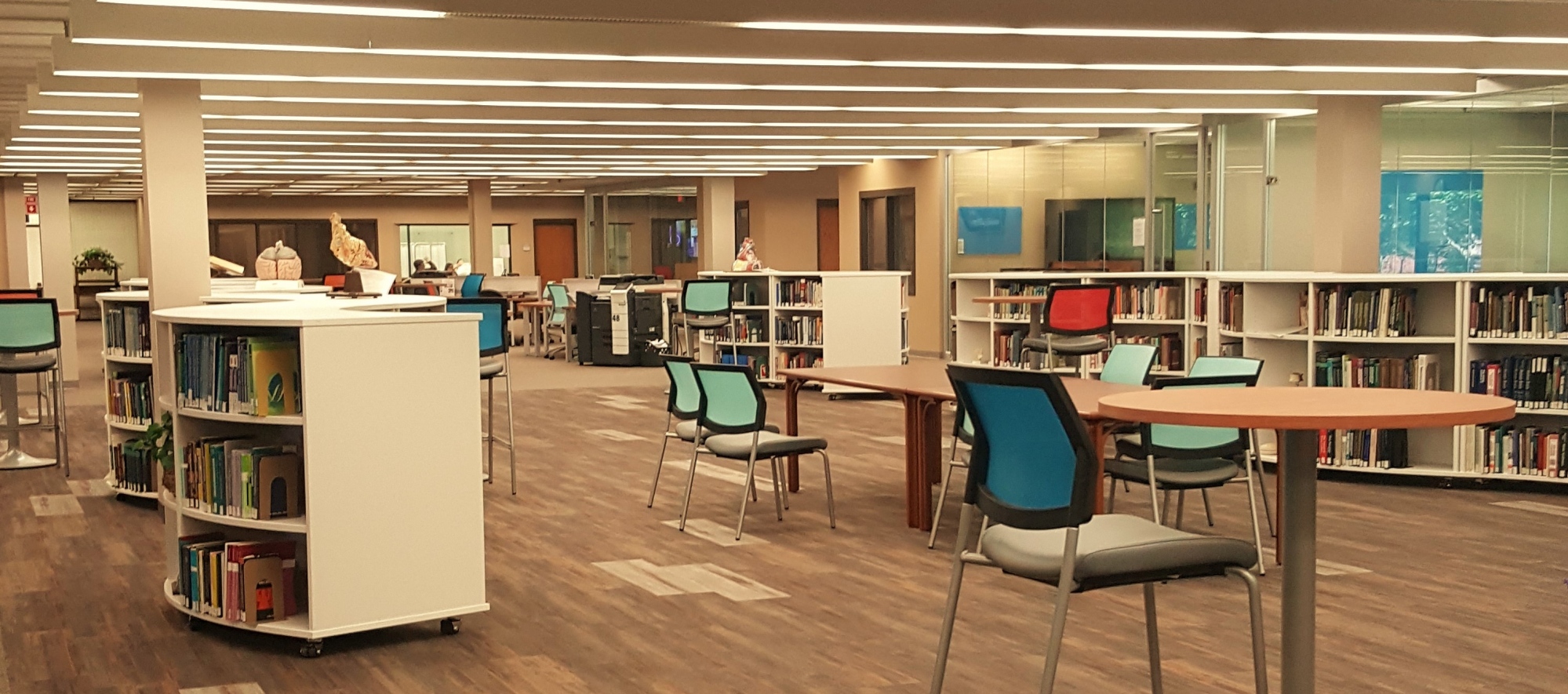 NEOMED Library
The NEOMED Library is an active partner in the education and research needs of the students, faculty and staff of Northeast Ohio Medical University. The library provides the latest evidence in electronic-format to support a variety of scholarly activities, including research, point-of-care decisions, and curriculum support. A core collection of physical volumes are housed in a 30,000-square foot facility that is open 24 hours per day, 7 days per week for all students, faculty, and staff.
Presenter:
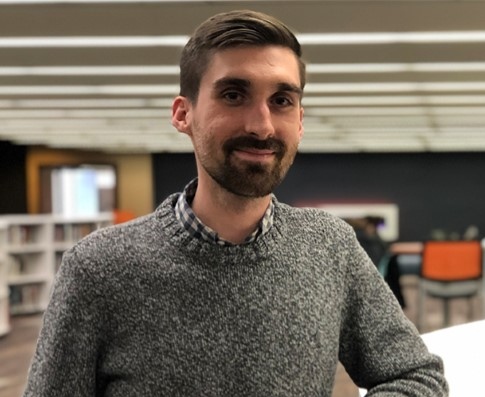 Simon Robins has several years of experience working for medical libraries and research networks. Prior to his current role as reference librarian at NEOMED, he worked for Welch Medical Library within the Johns Hopkins Health System as an informationist where he supported the research and education needs of faculty, students, and clinicians. He earned his Master’s in Library and Information Studies from the University of British Columbia in Vancouver, BC.
Eleanor Squire Library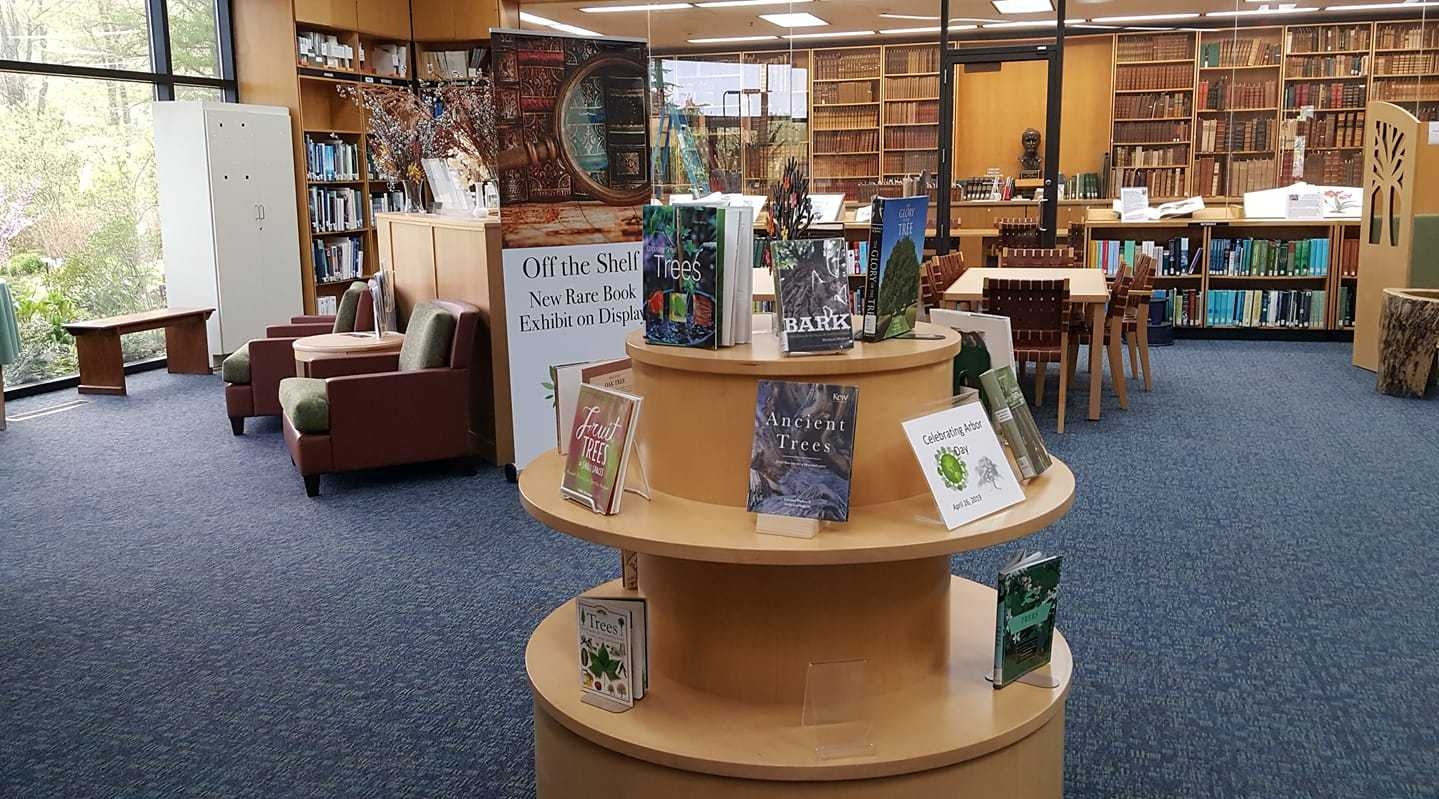
The Eleanor Squire Library at Cleveland Botanical Garden is one of the oldest circulating garden libraries in the world, starting in 1937. A donation of books by a member of the Garden Club of Cleveland was the primary reason to create a Garden Center within the city, now the oldest civic garden center within a major metropolitan area. The rare book collection has been now moved to Corning Library of Holden Arboretum after the two institutions merged in 2014. Currently the Sqiuire library has 12,000 titles and features Ohio resources, urban and general gardening.
Presenter:
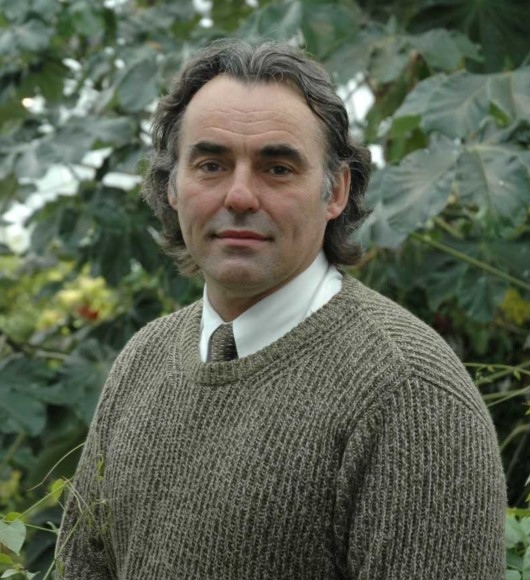 Gary Esmonde has worked in libraries for over 25 years. Previously before that, he worked at Ohio State University in the glass repair and painting business. Mr. Esmonde got his undergraduate degree at Ohio State and his master’s in library science at Kent State University. He has worked primarily in public libraries, including being manager of the Willowick Public Library for six years. He is currently the library director at the Cleveland Botanical Garden, overseeing a circulating collection of over 12,000 titles. He resides in the city of Cleveland Heights
Warren H. Corning Library
Corning Library is a small specialized library serving primarily the staff and members of Holden Forests and Gardens. The collection focus is on trees and woody plants and shrubs, ecology, woodlot management, forest farming and sustainability, nature and plant conservation/protection. They place special emphasis on the Great Lakes region and Northeastern Ohio. There is an active education outreach program for pre-K through middle school. Materials are acquired to support these programs.
Presenter:
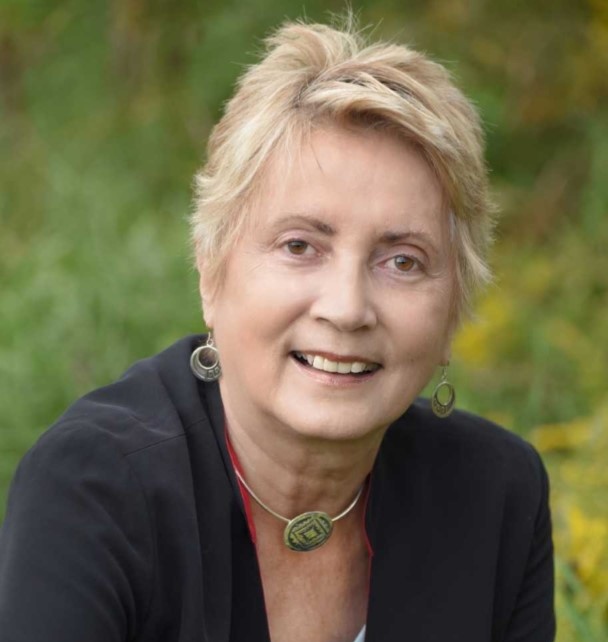 Catherine Wells from 1981 through June 2012 worked at the main library at Case Western Reserve University. At retirement she held the position of The Assistant Director for all public services: reference, instruction, programming for faculty and students. In September of 2014 she took the position of librarian (part-time) at the Warren H. Corning Library. At the Holden Arboretum. She earned her BA in anthropology from Wright State University and MA in anthropology from The Ohio State University. MSLS from Case Western Reserve University.
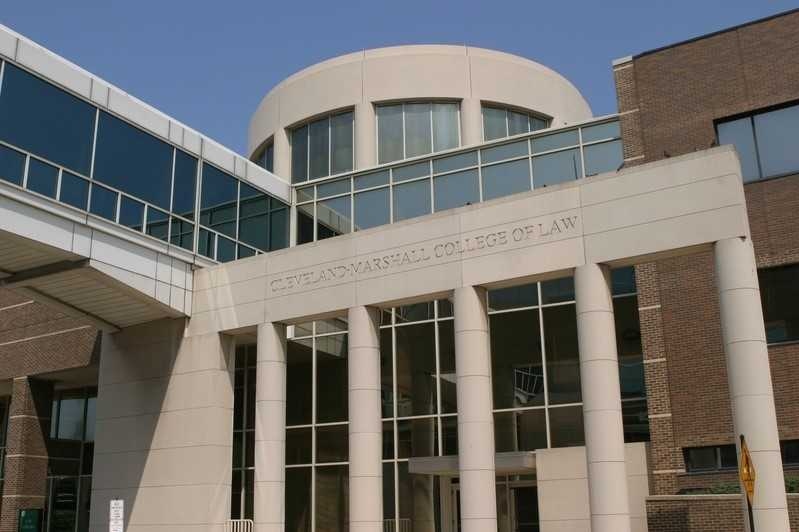 Cleveland-Marshall College of Law Library
In support of the mission of the Cleveland-Marshall College of Law, the Law Library's mission is the provision of information services and resources that promote the performance of high-quality legal research activities by our students, faculty, staff, and community. The Law Library accomplishes this by providing: (1) research and reference services by professionals trained in law and library science in support of the needs of the university, alumni, legal and local communities; (2) access to information resources that support the law school's curriculum, centers, programs, and organizations; and (3) space for faculty and students to engage in collaborative work, quiet study, and innovative research using new and ground-breaking research products and techniques.
Presenter:
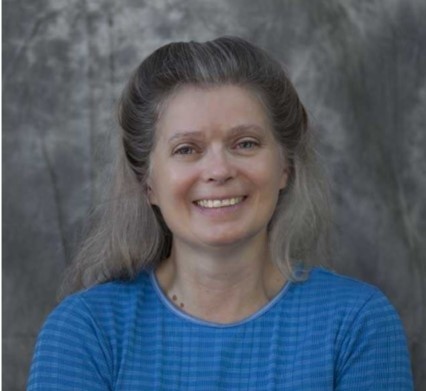 Laura E. Ray received her MLS from Case Western Reserve University in 1979, and her MA in History and BA from Cleveland State University in 1976 and 1974. She has worked at the Cleveland-Marshall College of Law Library (at Cleveland State University) since 1989, where she currently serves as the Outreach & Instructional Services Librarian. Laura coordinates outreach to various local communities, including CSU colleges and organizations, paralegals, the medical-legal community, alumni, and CLE organizers
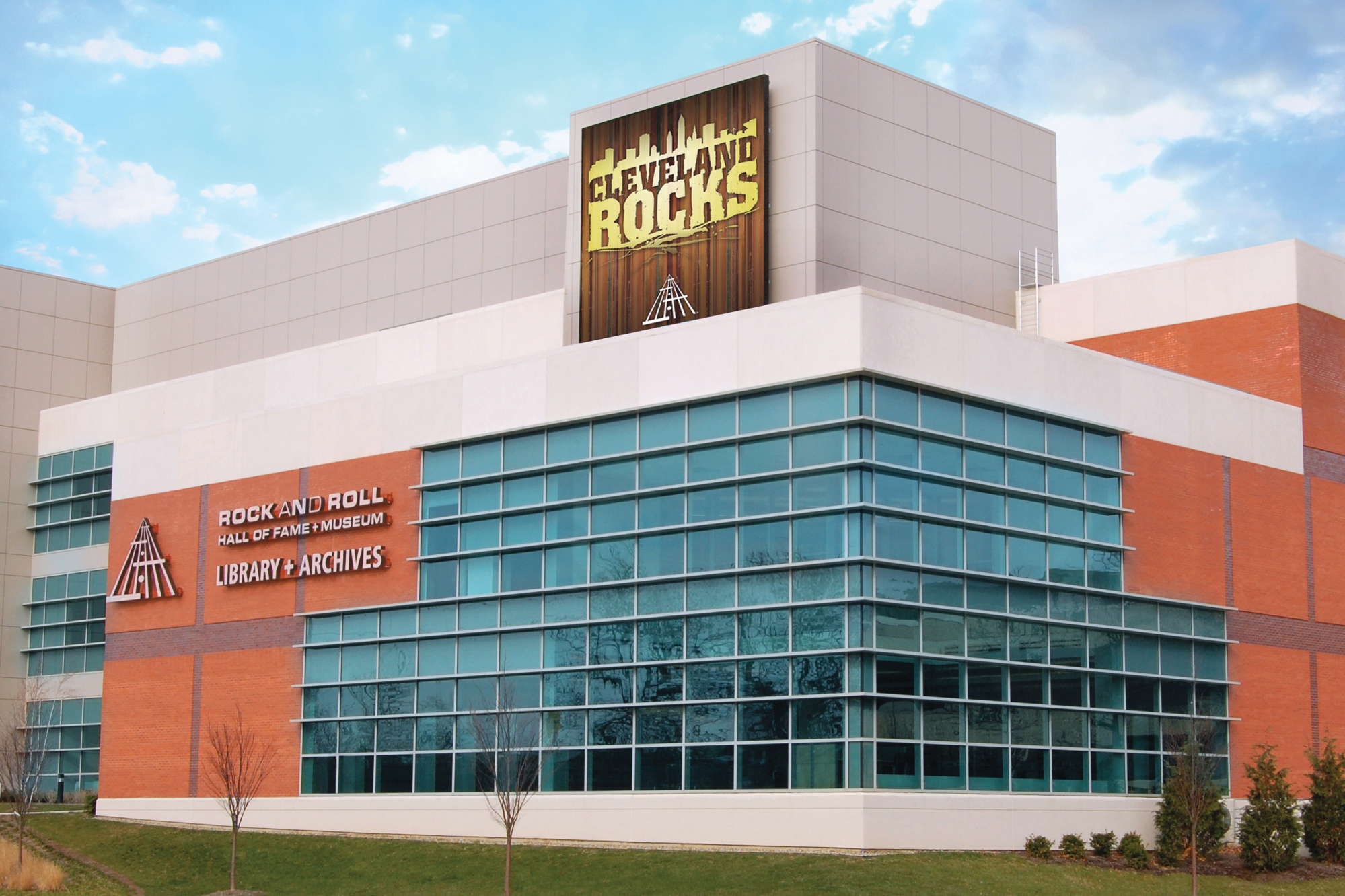 The Rock & Roll Hall of Fame Library & Archives
 The Rock & Roll Hall of Fame Library & Archives houses the most comprehensive collection of rock and roll archival materials in the world. The Library & Archives’ mission is to collect, preserve, and provide access to these resources for scholars, educators, students, journalists, and music fans. The Library & Archives facility is located on the Metro Campus of Cuyahoga Community College and is free and open to everyone by appointment. Highlights of the collection include personal letters and postcards; handwritten lyrics and song manuscripts; contracts; concert photographs and personal snapshots; flyers, handbills, and posters; rare concert recordings and interviews; stage designs; fan club materials; magazines and scholarly journals; and nearly every book and academic dissertation ever written about rock and roll.
Presenter:
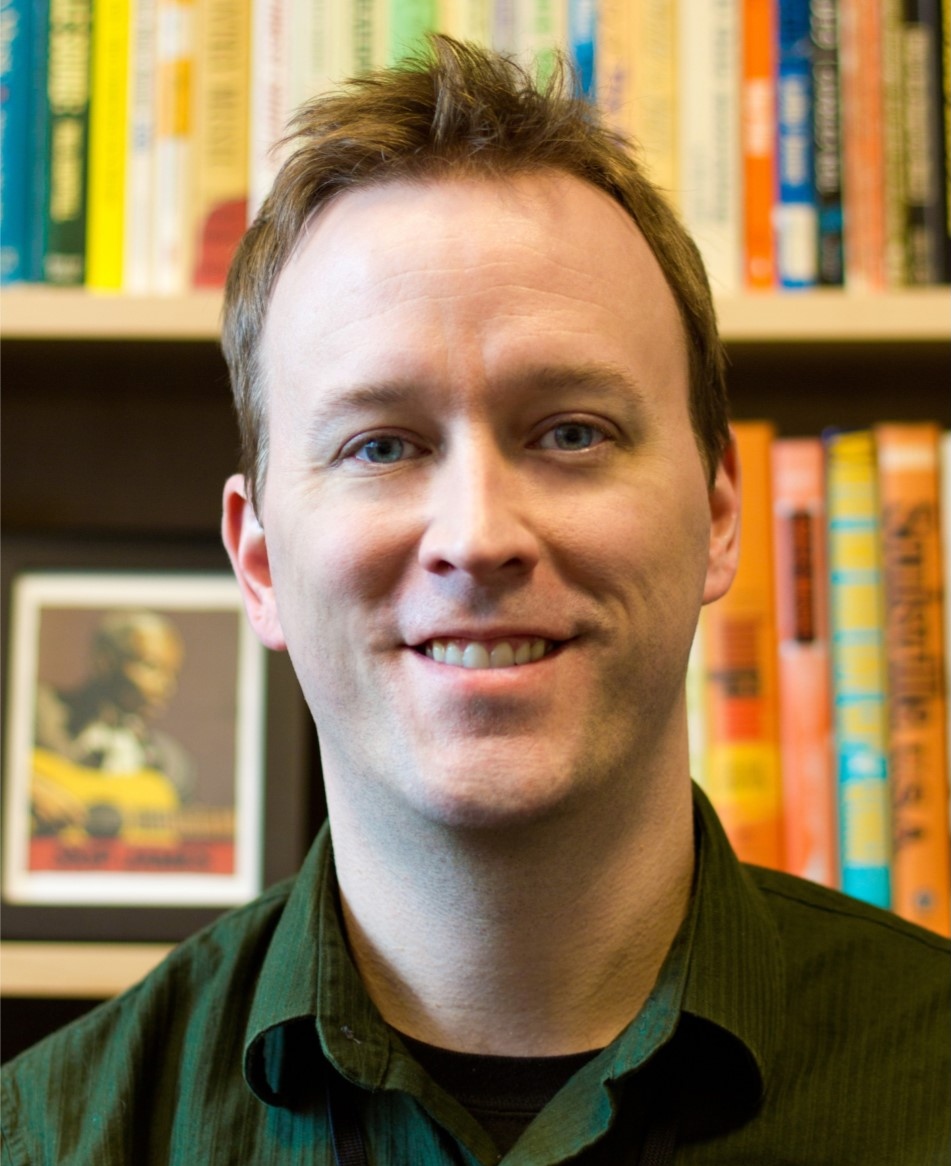 Andy Leach is the Senior Director of Library & Archives at the Rock & Roll Hall of Fame, where he has overseen the establishment of the Rock Hall’s Library & Archives. He works with donors of archival collections, assists visiting researchers from around the world, and has hosted many of the Rock Hall's public programs. Andy received degrees in music history and library and information science from the University of Illinois at Urbana-Champaign, and he has worked in music libraries and archives for over 25 years. efore joining the Rock Hall, he worked at the Center for Black Music Research at Columbia College Chicago, the University of Illinois Music and Performing Arts Library, and the Sousa Archives and Center for American Music. Andy recently served on the Board of Directors of the Music Library Association.
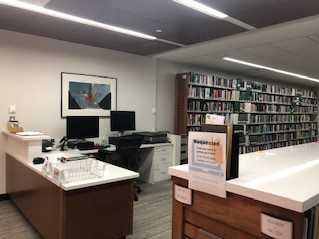 Federal Reserve Bank of Cleveland
The library at the Federal Reserve Bank of Cleveland provides exceptional information services to Bank employees, enabling them to achieve the Bank’s research, policy and outreach objectives.
Presenter:
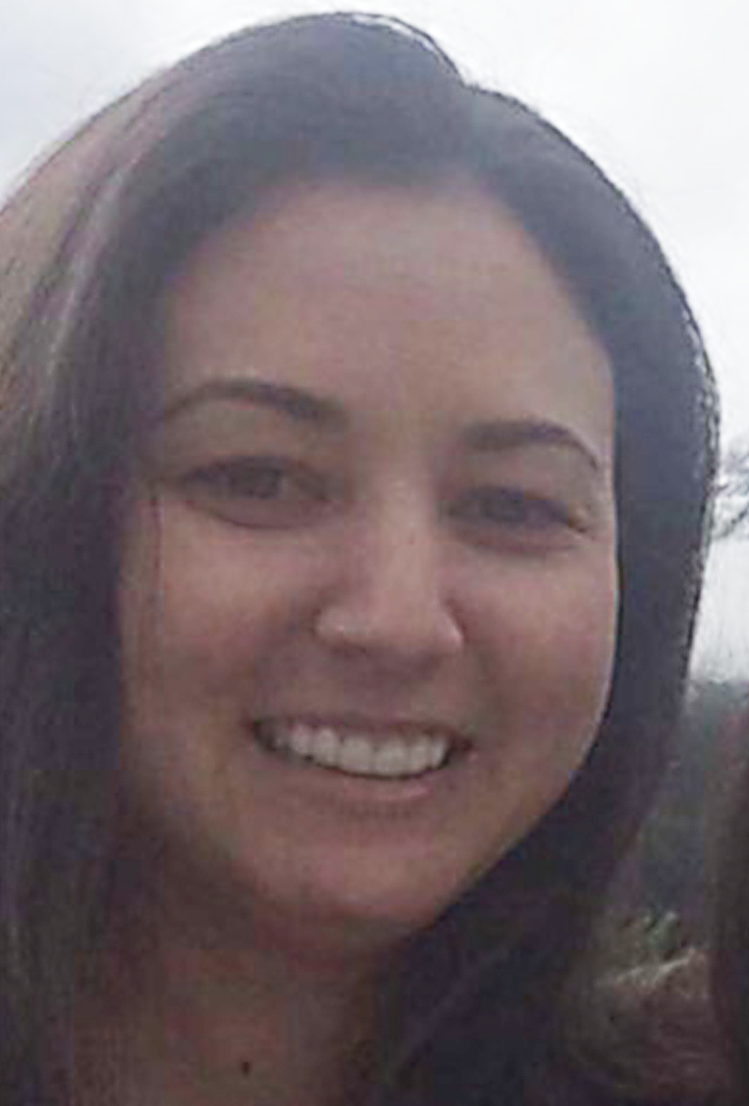 Amber Sherman is a Librarian in the Research Department at the Federal Reserve Bank of Cleveland. Prior to joining the Bank in February 2019, she was an Assistant Professor/Librarian at Boise State University for five years. Amber received her MLS from the University of North Carolina at Chapel Hill in 2013.
Location: Cleveland Heights-University Heights Library
2345 Lee Rd
Cleveland Heights, OH 44118
There are currently 19 spots remaining out of 35
7/25/2019
You’re a librarian, not a doctor! But sometimes, it seems your customers don’t know that. They’ve got a health concern, and you are going to give them an answer. Find out how to take some of the stress and anxiety out of this common public library query with this webinar.
Learning Objectives:
- Learn techniques to help uncover a patron’s information need
- Discover resources to answer public library patrons’ common health and wellness questions
- Identify quality health and wellness apps to share with your patrons
Presenter:
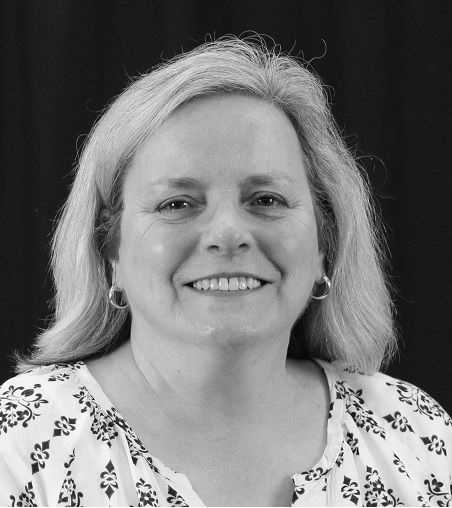 Monique Mason is the manager of the Science & Technology division at the Akron-Summit County Public Library. A member of the Academy of Health Information Professionals, she has presented webinars and lectures on providing health information in a public library setting for OLC, NEORLS, and PLA.
Location: Online
Via Adobe Connect
There are currently 36 spots remaining out of 50
7/25/2019
You’re a librarian, not a doctor! But sometimes, it seems your customers don’t know that. They’ve got a health concern, and you are going to give them an answer. Find out how to take some of the stress and anxiety out of this common public library query with this webinar.
Learning Objectives:
-
Learn techniques to help uncover a patron’s information need
-
Discover resources to answer public library patrons’ common health and wellness questions
-
Identify quality health and wellness apps to share with your patrons
Presenter:
Monique Mason is the manager of the Science & Technology division at the Akron-Summit County Public Library. A member of the Academy of Health Information Professionals, she has presented webinars and lectures on providing health information in a public library setting for OLC, NEORLS, and PLA.
When you receive your confirmation of registration for this archive the link to the archive will be included in the confirmation email.
Location: Online
Via Adobe Connect
9/11/2019
This advanced session will build out your tech troubleshooting tool box by exploring deeper or more subtle problems and discussing higher-level tech concepts that have an impact on users. At the end, you’ll learn how to continually increase your tech knowledge and develop a structure to hang new information on.
Learning Objectives:
- Learn more advanced techniques for tech troubleshooting, including looking “under the hood” and reverse engineering what happened.
- Understand that it’s not always the device in front of them that’s the issue, and how to explain higher-level tech concepts to less-savvy patrons.
- Gain confidence in their own ability to navigate technology troubleshooting.
- Are able to view tech troubleshooting interactions as another form of customer service, to support an open mindset towards finding solutions.
Jennifer Koerber has two decades of experience in libraries, in both public-facing and behind-the-scenes roles. After 17 years at the Boston Public Library, she established her own business providing technology training and consulting services to libraries, and recently completed a contract as Training Manager at Harvard University Library, overseeing staff training for a new ILS platform.
She has written extensively for Library Journal on public library services and technology, and in May 2018, her book Library Services to Immigrants and New Americans: Celebration and Integration was released by Libraries Unlimited. In what remains of her time, she is an avid mobile photographer, crafter, and traveler.
You can find Jennifer online at www.jenniferkoerber.com and www.worksfromthetreehouse.com.
Location: Online via Adobe Connect
There are currently 8 spots remaining out of 50
9/11/2019
This advanced session will build out your tech troubleshooting tool box by exploring deeper or more subtle problems and discussing higher-level tech concepts that have an impact on users. At the end, you’ll learn how to continually increase your tech knowledge and develop a structure to hang new information on.
Learning Objectives:
- Learn more advanced techniques for tech troubleshooting, including looking “under the hood” and reverse engineering what happened.
- Understand that it’s not always the device in front of them that’s the issue, and how to explain higher-level tech concepts to less-savvy patrons.
- Gain confidence in their own ability to navigate technology troubleshooting.
- Are able to view tech troubleshooting interactions as another form of customer service, to support an open mindset towards finding solutions.
Jennifer Koerber has two decades of experience in libraries, in both public-facing and behind-the-scenes roles. After 17 years at the Boston Public Library, she established her own business providing technology training and consulting services to libraries, and recently completed a contract as Training Manager at Harvard University Library, overseeing staff training for a new ILS platform.
She has written extensively for Library Journal on public library services and technology, and in May 2018, her book Library Services to Immigrants and New Americans: Celebration and Integration was released by Libraries Unlimited. In what remains of her time, she is an avid mobile photographer, crafter, and traveler.
You can find Jennifer online at www.jenniferkoerber.com and www.worksfromthetreehouse.com.
Location: Online via Adobe Connect
There are currently 42 spots remaining out of 50
9/24/2019
Library staffs are getting inundated with requests for help with genealogy. How can staffers get up to speed quickly on this topic? The training program outlined in this presentation will provide the knowledge that they need. Librarian, author and lecturer Nicole Wedemeyer Miller will discuss a series of self-study modules that can be pursued independently, quickly, and for little cost.Learning Objectives:
-
You will learn the difference between genealogy and family history, and get an understanding of the types of information that researchers seek
-
You will learn about helpful resources already in the reference collections of most libraries
-
You will learn how to get a handle on the types of records outside the library that researchers need and where they are located
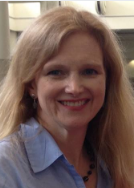 Nicole Wedemeyer Miller is a writer, a researcher, and an Adjunct Lecturer at the School of Information Sciences at the University of Illinois at Urbana-Champaign, where she established a course called “Genealogy and Library Service.” She has co-authored the book Fostering Family History Services: A Guide for Librarians, Archivists and Volunteers with Rhonda L. Clark, and has published several articles in genealogical and local history journals. She worked in public and academic libraries for twelve years. Raised in the Chicago area and in New Orleans, she now lives in Champaign, Illinois with her family.
When you receive your confirmation of registration for this archive the link to the archive will be included in the confirmation email.
Location: Online via Adobe Connect
11/20/2019
Can circulation staff and librarians coexist? Can you manage the fact that the public thinks ALL library staff are librarians? Is it possible to exchange ego for an expanded library experience? In this webinar I will challenge library staff to remove the barriers and hierarchy that separate staff at the expense of the customer. We will explore opportunities where library clerks and librarians work side by side to provide a more holistic customer service experience.
Learning Objectives:
-
The benefit of providing more mentoring opportunities between library clerks and librarians to build a better library
-
Explore the meaning of customer service and what it truly means to serve the public
-
Challenge participants to see that their bias/fear of co-mingling staff has, and will continue to, hold them back from providing quality customer experiences and growing our profession
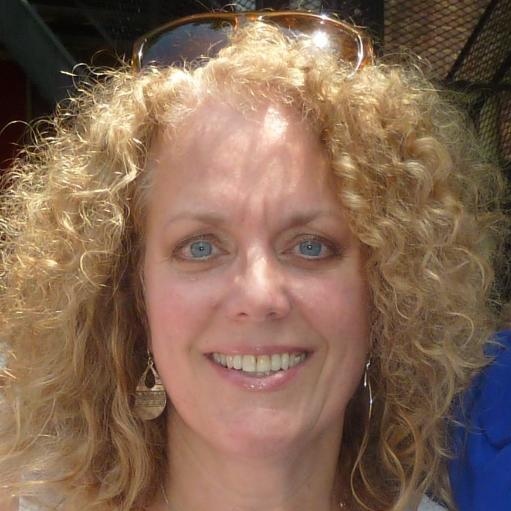 Mary Lou Carolan, Library Champion, Social Justice Advocate, Community Innovator, Placemaker. Administrator for the Newburgh Free Library, Newburgh, NY. www.newburghlibrary.org.
 Mary Lou is a library-futurist, speaker, writer, library director and idea generator for re-positioning libraries as community leaders and innovators. Her mission is to forever upgrade the perception of libraries by using a creative blend of innovative marketing techniques, community -centered projects, storytelling, placemaking principles and extraordinary customer service. Drawing from 15 years of library experience, preceded by 20 years leading non-profit community-based organizations, Carolan has created and implemented many successful marketing campaigns and outreach initiatives for rural and inner-city libraries of all sizes.
When you receive your confirmation of registration for this archive the link to the archive will be included in the confirmation email.
Location: Online
Via Adobe Connect
12/4/2019
This webinar will give an introduction into the Spanish language as well as the people that speak it. You will be provided with short cuts and an understanding of the basics of the language. Know the essential phrases that can breach some of the communication gap when working with Spanish speaking patrons that do not speak English.
Learning Objectives:
- Introduction to the Spanish Language
- Learn short cuts
- Learn essential phrases
Presenter:
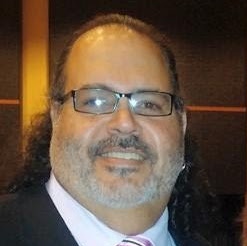 Jaime Declet was born and raised in Caguas Puerto Rico. Moving to Ohio to finish his college degree at OSU. He made a stop to visit relatives in Cleveland, and the rest as they say is history. Married to Jeannine, children Andrew & Victoria. He started working in libraries as a volunteer in the sixth grade through High School. Working for the Cleveland State University, Fine Arts Library for six years and has been working in public libraries for the past 19 years. Mr. Declet started his public library career with the Lorain Public Library. He currently works for the Cleveland Public Library managing the South Branch. Mr. Declet is a member of the Advisory Board of Virginia Hamilton Conference on Multicultural Children's Literature, member of the Board of Directors of the Tremont West Development Corporation. His job is to make sure that the community he serves knows that the Library is here to help. Therefore, he makes sure that the Library is front and center in all community events
Location: Online via Adobe Connect
There are currently 16 spots remaining out of 75
1/7/2020
OPLIN provides access to a number of full text databases from EBSCO. These range from Primary Search (designed for elementary school students) to MasterFILE Premier (for public libraries) to Academic Search Premier (for colleges and universities), and many more. In this session, we will review tools for searching these databases along with options for using the full text content. We will cover searching in both the classic EBSCOhost interface, with its robust suite of searching and filtering tools, and in EBSCO Explora, an interface designed to be more easily browsable.
Learning Objectives:
-
Explain differences between and appropriate uses for the EBSCOhost and Explora interfaces
-
Perform basic and advanced searches in both, including filtering options
-
Describe the best ways for extracting full text for offline use
Joe Ceterski, MLS, Senior Customer Engagement Manager, EBSCO Information Services
Location: Online via Adobe Connect
There are currently 45 spots remaining out of 50
2/4/2020
The Census is an important measure of the U.S. population that impacts every segment of American life. Accurate Census counts help fund Federal programs and help states and cities/towns maximize resources and programs. The 2020 Census is important because it will be the first time participants may complete the Census online.
Learning Objectives:
- Using resources primarily provided by the Census Bureau and the American Library Association, participants will identify key Census tasks and the target dates/timelines for each.
- By examining a list of frequently-asked questions and other related resources, participants will be able to recognize several ways libraries of all types can help their communities achieve optimum Census counts.
- Using details associated with completing the Census online, participants have the opportunity to list several ways libraries can support the online option and use this information to design their own online option support strategy.
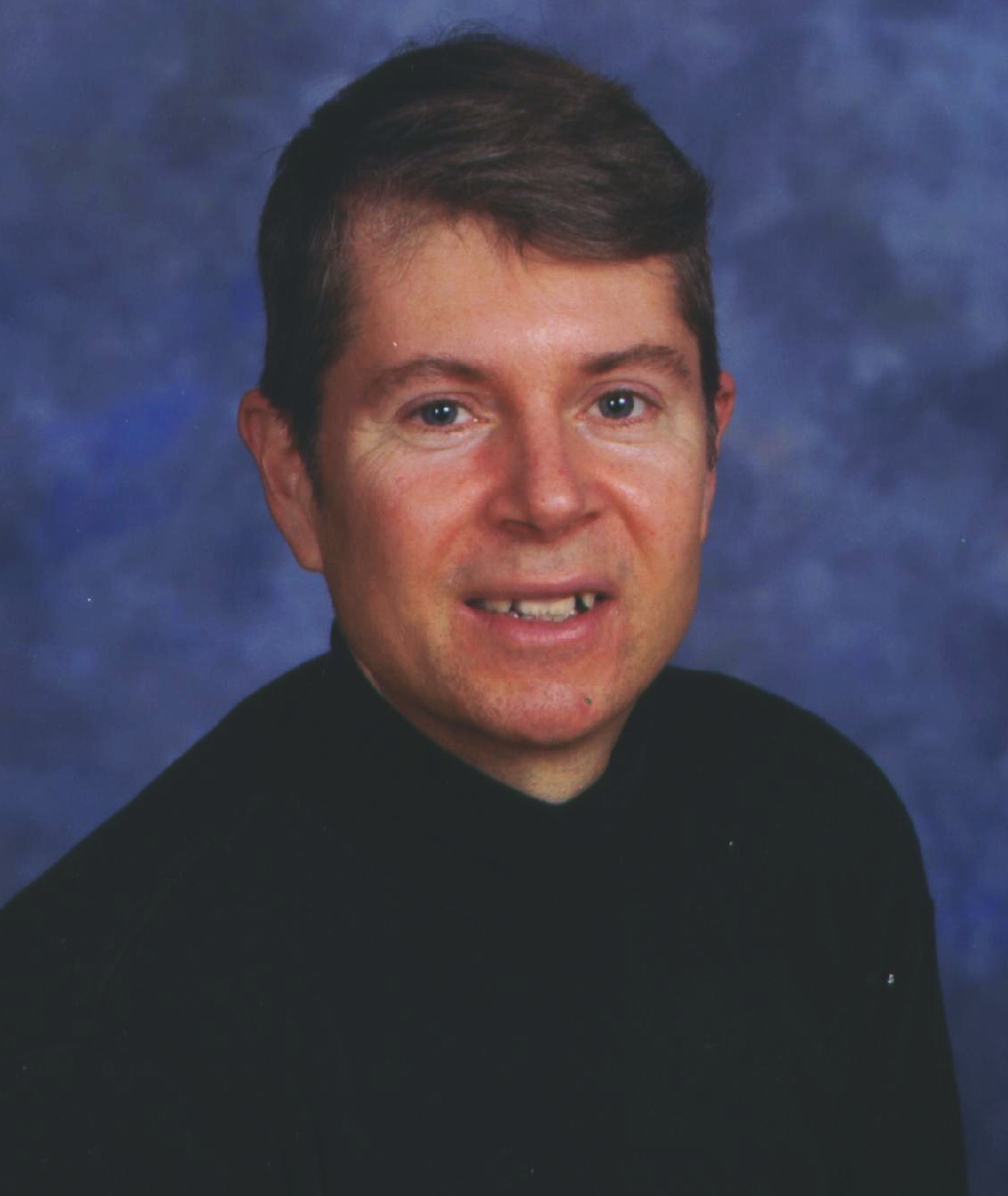 Tom Adamich is a Digital Asset Librarian (since 2011), certified teacher-librarian (since 2000), and a librarian since 1991. A graduate of the Kent State University (Ohio) School of Library/Information Science and KSU College of Education (School Library Media Certification), Tom was a teacher-librarian and consultant for the Indian Valley Local Schools (Ohio) from 1999-2009 and is president of the Visiting Librarian Service, a contract librarian firm he has operated on a full or part-time basis since 1993.
Location: Online
Via Adobe Connect
This class was a popular class and it is full. Please email Melissa Lattanzi, lattanzm@neo-rls.org to be put on a waiting list and an additional class may be added for the future.
2/4/2020
The Census is an important measure of the U.S. population that impacts every segment of American life. Accurate Census counts help fund Federal programs and help states and cities/towns maximize resources and programs. The 2020 Census is important because it will be the first time participants may complete the Census online.Learning Objectives:
-
Using resources primarily provided by the Census Bureau and the American Library Association, participants will identify key Census tasks and the target dates/timelines for each.
-
By examining a list of frequently-asked questions and other related resources, participants will be able to recognize several ways libraries of all types can help their communities achieve optimum Census counts.
-
Using details associated with completing the Census online, participants have the opportunity to list several ways libraries can support the online option and use this information to design their own online option support strategy.
Tom Adamich is a Digital Asset Librarian (since 2011), certified teacher-librarian (since 2000), and a librarian since 1991. A graduate of the Kent State University (Ohio) School of Library/Information Science and KSU College of Education (School Library Media Certification), Tom was a teacher-librarian and consultant for the Indian Valley Local Schools (Ohio) from 1999-2009 and is president of the Visiting Librarian Service, a contract librarian firm he has operated on a full or part-time basis since 1993.When you receive your confirmation of registration for this archive the link to the archive will be included in the confirmation email.
Location: Online
Via Adobe Connect
2/11/2020
A Collaboration between the Northeast Ohio Regional Library System and the Media Education LabDo you have questions about how copyright and fair use affect you or your patrons? Renee Hobbs will introduce key ideas about copyright as it applies to the work of librarians in public, academic, school and special library contexts. She will answer your questions about copyright, digital media and learning and discuss strategies for using inquiry practices to support people's ability to gain a better understanding of copyright law and apply it to everyday life.
Learning Objectives:
-
Understand the purpose of copyright law and its relevance to the work of librarians and their patrons
-
Gain knowledge of some of the different types of misinformation that patrons may have about copyright
-
Appreciate how inquiry learning practices can help empower people with a deeper understanding of how copyright law applies to the everyday practices of work, school and daily life.
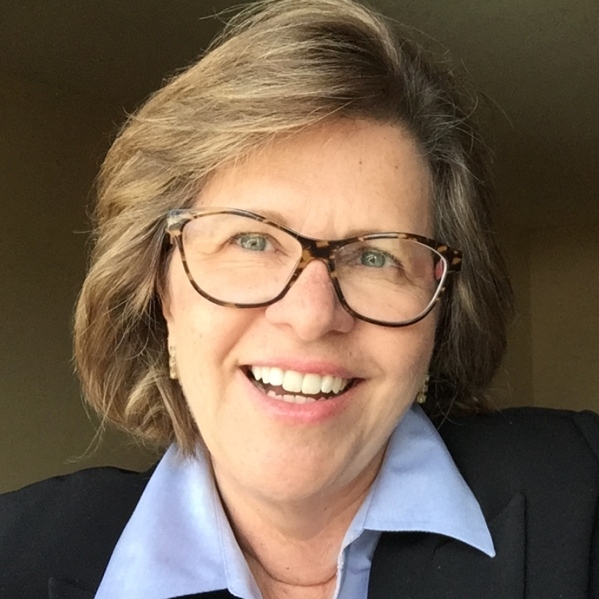 Renee Hobbs is the author of Copyright Clarity: How Fair Use Supports Digital Learning and 9 other books about digital and media literacy education. Professor and Director of the Media Education Lab at the University of Rhode Island's Harrington School of Communication and Media, where she co-directs the Graduate Certificate in Digital Literacy. Hobbs is a educator, researcher and activist who advances the quality of media literacy education in the United States and around the world. She is the Founding Editor of the Journal of Media Literacy Education.
 When you receive your confirmation of registration for this archive the link to the archive will be included in the confirmation email.
Location: Online
Via Zoom
2/25/2020
EBSCO Do-It-Yourself Interfaces provide full-text access for many DIY, hobbyist, home improvement and business magazines, along with reference books and video content. In this session, we will explore the Hobbies and Crafts Reference Center, Home Improvement Reference Center, and Small Business Reference Center. Whether you enjoy needlecraft or camping, whether you are fixing the plumbing or painting a bedroom, whether you are starting a small business or looking for marketing advice, these resources provide a wealth of helpful information.
Learning Objectives:
- Describe the content of the three reference centers
- Browse and search for relevant content
- Describe the best ways for extracting full text for offline use
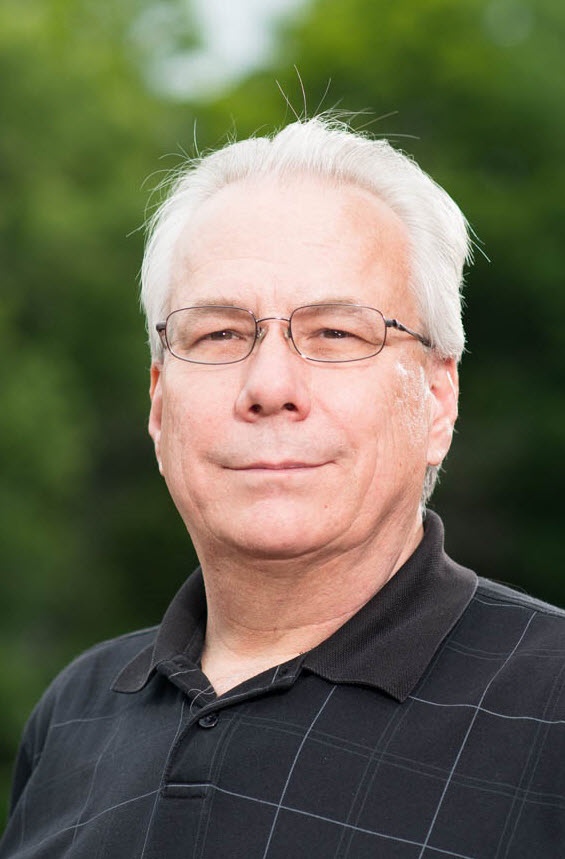 Joe Ceterski, MLS, Senior Customer Engagement Manager, EBSCO Information Services
Joe Ceterski began his career at EBSCO in 2005, delivering online training for EBSCO Information Services. He is now a Senior Customer Engagement Manager, covering the Northeastern United States and Canada, providing online and onsite training for eBooks, EBSCOhost, EDS, and other EBSCO services. Joe is a librarian, and received his Master of Library Science from the University at Albany. He has more than 30 years of library experience, and has worked in academic libraries; as a special librarian in science and engineering libraries; and as a trainer for EBSCO and for Nylink, a New York State library consortium.
Location: Online via Adobe Connect
There are currently 36 spots remaining out of 50
3/27/2020
In the past several years, patrons have been paying more and more attention to U.S. civics and politics thanks to the constant news cycles focused on the White House. How do you answer their questions without crossing the line into opinion? This session will teach you how to stick to “just the facts” with resources straight from the government.Learning objectives:
-
Become familiar with federal resources online
-
Navigate the waters of authoritative vs. reliable
-
Identify federal and state politicians for patrons to contact regarding their inquiries
 Sara Dobransky graduated from CWRU with a bachelor’s degree in political science and sociology in 2008. she earned her master’s in library and information science from Kent State University in 2011.
During her undergraduate time at Case she worked in the law library as a student assistant, moving to a full-time staff position upon graduation. She was promoted to a librarian after graduating from Kent State. In the fall of 2015 she joined the Cleveland Public Library as the Government Documents Supervisor. That March she received her first formal training at the USPTO. Later that October she attended her first national Government Documents conference from the Government Publishing Office. Government has always been her passion, and the CPL position allowed her to use both of her degrees in a way that worked perfectly for her. Government is more than just the politics we see on TV. It's there to help us and support us. Resources are all around us if we look hard enough.
When you receive your confirmation of registration for this archive the link to the archive will be included in the confirmation email.
Location: Online
Via Adobe Connect
There are currently 415 spots remaining out of 500
4/3/2020
This webinar will give an introduction into the Spanish language as well as the people that speak it. You will be provided with short cuts and an understanding of the basics of the language. Know the essential phrases that can breach some of the communication gap when working with Spanish speaking patrons that do not speak English.
Learning Objectives:
-
Introduction to the Spanish Language
-
Learn short cuts
-
Learn essential phrases
Presenter:
Jaime Declet was born and raised in Caguas Puerto Rico. Moving to Ohio to finish his college degree at OSU. He made a stop to visit relatives in Cleveland, and the rest as they say is history. Married to Jeannine, children Andrew & Victoria. He started working in libraries as a volunteer in the sixth grade through High School. Working for the Cleveland State University, Fine Arts Library for six years and has been working in public libraries for the past 19 years. Mr. Declet started his public library career with the Lorain Public Library. He currently works for the Cleveland Public Library managing the South Branch. Mr. Declet is a member of the Advisory Board of Virginia Hamilton Conference on Multicultural Children's Literature, member of the Board of Directors of the Tremont West Development Corporation. His job is to make sure that the community he serves knows that the Library is here to help. Therefore, he makes sure that the Library is front and center in all community events.
When you receive your confirmation of registration for this archive the link to the archive will be included in the confirmation email.
Location: Online via Adobe Connect
4/6/2020
This advanced session will build out your tech troubleshooting tool box by exploring deeper or more subtle problems and discussing higher-level tech concepts that have an impact on users. At the end, you’ll learn how to continually increase your tech knowledge and develop a structure to hang new information on.
Learning Objectives:
-
Learn more advanced techniques for tech troubleshooting, including looking “under the hood” and reverse engineering what happened.
-
Understand that it’s not always the device in front of them that’s the issue, and how to explain higher-level tech concepts to less-savvy patrons.
-
Gain confidence in their own ability to navigate technology troubleshooting.
-
Are able to view tech troubleshooting interactions as another form of customer service, to support an open mindset towards finding solutions.
Jennifer Koerber has two decades of experience in libraries, in both public-facing and behind-the-scenes roles. After 17 years at the Boston Public Library, she established her own business providing technology training and consulting services to libraries, and recently completed a contract as Training Manager at Harvard University Library, overseeing staff training for a new ILS platform.
She has written extensively for Library Journal on public library services and technology, and in May 2018, her book Library Services to Immigrants and New Americans: Celebration and Integration was released by Libraries Unlimited. In what remains of her time, she is an avid mobile photographer, crafter, and traveler.
You can find Jennifer online at www.jenniferkoerber.com and www.worksfromthetreehouse.com.
When you receive your confirmation of registration for this archive the link to the archive will be included in the confirmation email.Location: Online via Adobe Connect
4/9/2020
OPLIN provides access to a number of full text databases from EBSCO. These range from Primary Search (designed for elementary school students) to MasterFILE Premier (for public libraries) to Academic Search Premier (for colleges and universities), and many more. In this session, we will review tools for searching these databases along with options for using the full text content. We will cover searching in both the classic EBSCOhost interface, with its robust suite of searching and filtering tools, and in EBSCO Explora, an interface designed to be more easily browsable.Learning Objectives:
-
Explain differences between and appropriate uses for the EBSCOhost and Explora interfaces
-
Perform basic and advanced searches in both, including filtering options
-
Describe the best ways for extracting full text for offline use
Joe Ceterski, MLS, Senior Customer Engagement Manager, EBSCO Information Services
When you receive your confirmation of registration for this archive the link to the archive will be included in the confirmation email.
Location: Online via Adobe Connect
There are currently 476 spots remaining out of 500
4/10/2020
Alzheimer’s dementia already affects more than 5 million Americans and is the 6th-leading cause of death in the United States; all predictions are for even more rapid spread as the Baby Boomers age. Libraries in many cases have been slow to consider how specifically to serve this growing population among our users, and how to serve the even-larger group of those caring for people with dementia. But there are concrete services we can offer, and positive effects we can have on these patronsIn this webinar we will review:
-
The Alzheimer’s epidemic
-
Current medical research into brain-healthy lifestyles
-
A variety of innovative responses in library programming dedicated to those living with Alzheimer’s and their care givers
When you receive your confirmation of registration for this archive the link to the archive will be included in the confirmation email.
Location: Online
Via Adobe Connect
4/14/2020
Have you seen bullet journaling on social media? Are you wondering what it's all about? This webinar will teach you about bullet journaling, which is a flexible organization method that can be your planner, to-do list, notebook, calendar, and more - all in one place! A bullet journal allows you to create a customizable system that works for you to help you get organized, whether you prefer a beautifully decorated scrapbook or a lean list-making planner. You will also learn how to present a program on bullet journaling at your own library.
Learning Objectives:
-
Attendees will learn what bullet journaling is and what components typically make up a bullet journal
-
Attendees will learn how to create a bullet journal and ways to use a bullet journal as an organization system
-
Attendees will learn how to facilitate a class on bullet journaling at their own library
Mary Jo Kachurik is an Adult Services Librarian at Warren-Trumbull County Public Library, where she is responsible for providing reference service, presenting programs, and assisting with collection development. Her professional interests include programming for younger adults and community engagement. Mary Jo began bullet journaling in 2015 and has taught several classes on bullet journaling since then.
When you receive your confirmation of registration for this archive the link to the archive will be included in the confirmation email.Location: Online
Via Adobe Connect
There are currently 378 spots remaining out of 500
4/16/2020
Confused by copyright? You are not alone! U.S. copyright law permeates almost every facet of librarianship, and in this 90-minute session we'll explore the basics of U.S. copyright law that all librarians should be familiar with.
Learning Objectives:
-
How copyright is secured;
-
The types of works eligible for copyright protection;
-
The rights granted to those who create copyrightable works; and
-
The duration of copyright
Presenter:
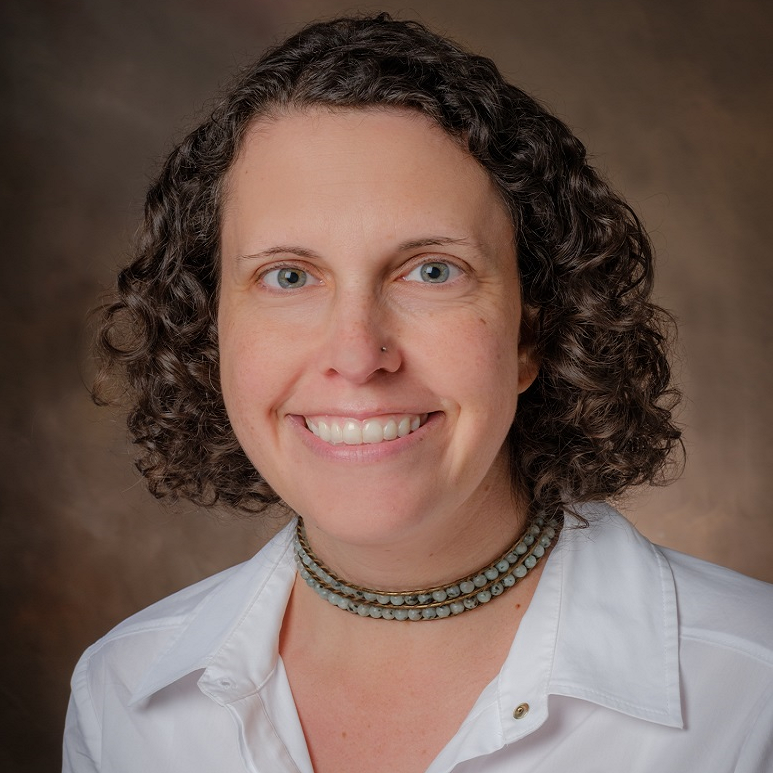 Carla Myers serves as Assistant Professor and Coordinator of Scholarly Communications for the Miami University Libraries. Her professional presentations and publications focus on fair use, copyright in the classroom, and library copyright issues.
When you receive your confirmation of registration for this archive the link to the archive will be included in the confirmation email.
Location: Online via Adobe Connect
There are currently 431 spots remaining out of 500
4/21/2020
EBSCO Do-It-Yourself Interfaces provide full-text access for many DIY, hobbyist, home improvement and business magazines, along with reference books and video content. In this session, we will explore the Hobbies and Crafts Reference Center, Home Improvement Reference Center, and Small Business Reference Center. Whether you enjoy needlecraft or camping, whether you are fixing the plumbing or painting a bedroom, whether you are starting a small business or looking for marketing advice, these resources provide a wealth of helpful information.
Learning Objectives:
-
Describe the content of the three reference centers
-
Browse and search for relevant content
-
Describe the best ways for extracting full text for offline use
Joe Ceterski, MLS, Senior Customer Engagement Manager, EBSCO Information Services
Joe Ceterski began his career at EBSCO in 2005, delivering online training for EBSCO Information Services. He is now a Senior Customer Engagement Manager, covering the Northeastern United States and Canada, providing online and onsite training for eBooks, EBSCOhost, EDS, and other EBSCO services. Joe is a librarian, and received his Master of Library Science from the University at Albany. He has more than 30 years of library experience, and has worked in academic libraries; as a special librarian in science and engineering libraries; and as a trainer for EBSCO and for Nylink, a New York State library consortium.
When you receive your confirmation of registration for this archive the link to the archive will be included in the confirmation email.
Location: Online via Adobe Connect
4/21/2020
In this last Road to Copyright Clarity all your questions will be answered, plus a discussion about copyright and distance learning, YouTube takedowns, DMCA, video "ripping" and more.
Presenter:
Renee Hobbs is the author of Copyright Clarity: How Fair Use Supports Digital Learning and 9 other books about digital and media literacy education. Professor and Director of the Media Education Lab at the University of Rhode Island's Harrington School of Communication and Media, where she co-directs the Graduate Certificate in Digital Literacy. Hobbs is a educator, researcher and activist who advances the quality of media literacy education in the United States and around the world. She is the Founding Editor of the Journal of Media Literacy Education. Location: Online
Via Zoom
8/26/2020
In an age when we can easily access online information, share photos with family and friends, and live a large part of our lives via the Internet, we often don't give a second thought to "how" all that works. As Arthur C. Clarke said, "Any sufficiently advanced technology is indistinguishable from magic." But is there any dark magic at work to make our online lives possible? This presentation will explore how much control you give up - both willingly and unwittingly - over your data, your information, your research, and your privacy when you go online and how you can (possibly) mitigate those effects.
Learning Objectives:
- Understand the difference between privacy and security
- Learn a number of strategies for protecting one's information online
- Gain confidence to explain these concerns to patrons
Don Boozer, Manager: Literature Department, Ohio Center for the Book, and Homebound Services at Cleveland Public Library.Don is also an adjunct instructor at Kent State University School of Information teaching "Information Sources and Reference Services." Previously, Don was coordinator of Ohio's statewide online reference service, KnowItNow24x7; a subject librarian in Literature at Cleveland Public Library; and a reference librarian at Barberton Public Library
Location: Online via Zoom
8/26/2020
In an age when we can easily access online information, share photos with family and friends, and live a large part of our lives via the Internet, we often don't give a second thought to "how" all that works. As Arthur C. Clarke said, "Any sufficiently advanced technology is indistinguishable from magic." But is there any dark magic at work to make our online lives possible? This presentation will explore how much control you give up - both willingly and unwittingly - over your data, your information, your research, and your privacy when you go online and how you can (possibly) mitigate those effects.Learning Objectives:
-
Understand the difference between privacy and security
-
Learn a number of strategies for protecting one's information online
-
Gain confidence to explain these concerns to patrons
Don Boozer, Manager: Literature Department, Ohio Center for the Book, and Homebound Services at Cleveland Public Library.Don is also an adjunct instructor at Kent State University School of Information teaching "Information Sources and Reference Services." Previously, Don was coordinator of Ohio's statewide online reference service, KnowItNow24x7; a subject librarian in Literature at Cleveland Public Library; and a reference librarian at Barberton Public Library
Location: Online via Zoom
10/21/2020
Dive deep into the tools and skills needed to verify the authenticity of information, and learn to create engaging fact-checking investigations that inspire students and patrons to investigate viral content. Access to News Literacy Project resources and classroom-ready examples are included.
Learning Objectives:
- Building effective information habits and search strategies
- Developing keen observation skills to detect false context
- Using reverse image searches to determine authenticity
- Using archives to explore deleted or changed content
- Using Google Street View to confirm and explore locations.
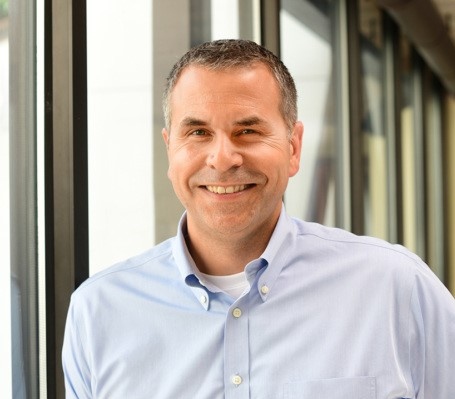 Peter Adams is the News Literacy Project’s senior vice president of education and has been with the organization since 2009. He began his career in education as a classroom teacher in the New York City schools. He has also worked as a trainer with the New York City Teaching Fellows Program, a youth media after-school instructor in the Chicago public schools and an adjunct instructor at Roosevelt University and Chicago City Colleges.
Location: Online via Zoom
10/21/2020
Dive deep into the tools and skills needed to verify the authenticity of information, and learn to create engaging fact-checking investigations that inspire students and patrons to investigate viral content. Access to News Literacy Project resources and classroom-ready examples are included.
Learning Objectives:
- Building effective information habits and search strategies
- Developing keen observation skills to detect false context
- Using reverse image searches to determine authenticity
- Using archives to explore deleted or changed content
- Using Google Street View to confirm and explore locations.
Peter Adams is the News Literacy Project’s senior vice president of education and has been with the organization since 2009. He began his career in education as a classroom teacher in the New York City schools. He has also worked as a trainer with the New York City Teaching Fellows Program, a youth media after-school instructor in the Chicago public schools and an adjunct instructor at Roosevelt University and Chicago City Colleges.When you receive your confirmation of registration for this archive the link to the archive will be included in the confirmation email.
Location: Online via Zoom
11/12/2020
When a library system moves to a new service platform, it can feel chaotic and disruptive. The whole staff needs to be trained at the same time, while the implementation team is still actively working on configuration and data migration. How do you give everyone what they need to start work on Day 1 when even staff who know the most are still learning and the system isn’t entirely ready? Just as importantly, how do you address the change management needed to prepare staff for a new technological system that may also change physical workflows and even job responsibilities?
Using examples from her experience coordinating training for Alma (Ex Libris), Koerber will examine a variety of approaches and tools that can spread the training net wide.
Learning Objectives:
During and after this webinar, participants will:
- Learn a model for staff training for migrating to a new library service platform (LSP), using Ex Libris’s Alma as an example
- Be able to incorporate change management discussions into their training programs for migrations
- Have a list of resources for providing LSP training online and in person
Presenter:
Jennifer Koerber is a consultant who advises and guides libraries on staff training programs, especially around technology change and skill-building. She has more than 20 years of experience in public-facing and behind-the-scenes roles, including children’s librarian, reference generalist, branch manager, and web services librarian. After 17 years at the Boston Public Library, she established her own business providing technology training and consulting services to libraries. In 2017, Jennifer became staff Training Manager for the Harvard Library ILS migration and pivoted her career to follow this new path. In addition to her library work, Jennifer has written extensively for Library Journal, and is the co-author (with Michael P. Sauers) of Emerging Technologies: a Primer for Librarians (Rowman & Littlefield, 2015). In May 2018, her book Library Services to Immigrants and New Americans: Celebration and Integration was published by Libraries Unlimited/ABC-CLIO.
Location: Online via Zoom
11/12/2020
 When a library system moves to a new service platform, it can feel chaotic and disruptive. The whole staff needs to be trained at the same time, while the implementation team is still actively working on configuration and data migration. How do you give everyone what they need to start work on Day 1 when even staff who know the most are still learning and the system isn’t entirely ready? Just as importantly, how do you address the change management needed to prepare staff for a new technological system that may also change physical workflows and even job responsibilities?
Using examples from her experience coordinating training for Alma (Ex Libris), Koerber will examine a variety of approaches and tools that can spread the training net wide.
Learning Objectives:
During and after this webinar, participants will:
- Learn a model for staff training for migrating to a new library service platform (LSP), using Ex Libris’s Alma as an example
- Be able to incorporate change management discussions into their training programs for migrations
- Have a list of resources for providing LSP training online and in person
Presenter:
Jennifer Koerber is a consultant who advises and guides libraries on staff training programs, especially around technology change and skill-building. She has more than 20 years of experience in public-facing and behind-the-scenes roles, including children’s librarian, reference generalist, branch manager, and web services librarian. After 17 years at the Boston Public Library, she established her own business providing technology training and consulting services to libraries. In 2017, Jennifer became staff Training Manager for the Harvard Library ILS migration and pivoted her career to follow this new path. In addition to her library work, Jennifer has written extensively for Library Journal, and is the co-author (with Michael P. Sauers) of Emerging Technologies: a Primer for Librarians (Rowman & Littlefield, 2015). In May 2018, her book Library Services to Immigrants and New Americans: Celebration and Integration was published by Libraries Unlimited/ABC-CLIO.
Location: Online via Zoom
2/16/2021
 For some, the phrase "virtual reference service" implies something less than "actual" reference service. Nothing could be further from the truth! During the current COVID-19 pandemic, many libraries that have not done much "virtual reference" in the past are finding that more and more patrons are requesting assistance over "virtual" channels. Regardless of medium, the goal is always quality service, authoritative information, and satisfied patrons. This webinar will focus on what quality reference service entails, how to utilize all the resources at your fingertips for your patrons, and how this all translates to interactions via chat, email, phone, and any other technology that may come along in the future!
Learning Objectives:
- Identify the foundational principles of quality reference service
- Learn how to apply these foundational principles in various media
- Discover online resources to easily share with "virtual" patrons
Don Boozer is Manager: Literature Department, Ohio Center for the Book, and Homebound Services at Cleveland Public Library.Don is also an adjunct instructor at Kent State University School of Information teaching "Information Sources and Reference Services." Previously, Don was coordinator of Ohio's statewide online reference service, KnowItNow24x7; a subject librarian in Literature at Cleveland Public Library; and a reference librarian at Barberton Public Library
Location: Online
Via Zoom
There are currently 130 spots remaining out of 200
2/16/2021
For some, the phrase "virtual reference service" implies something less than "actual" reference service. Nothing could be further from the truth! During the current COVID-19 pandemic, many libraries that have not done much "virtual reference" in the past are finding that more and more patrons are requesting assistance over "virtual" channels. Regardless of medium, the goal is always quality service, authoritative information, and satisfied patrons. This webinar will focus on what quality reference service entails, how to utilize all the resources at your fingertips for your patrons, and how this all translates to interactions via chat, email, phone, and any other technology that may come along in the future!
Learning Objectives:
- Identify the foundational principles of quality reference service
- Learn how to apply these foundational principles in various media
- Discover online resources to easily share with "virtual" patrons
Don Boozer is Manager: Literature Department, Ohio Center for the Book, and Homebound Services at Cleveland Public Library.Don is also an adjunct instructor at Kent State University School of Information teaching "Information Sources and Reference Services." Previously, Don was coordinator of Ohio's statewide online reference service, KnowItNow24x7; a subject librarian in Literature at Cleveland Public Library; and a reference librarian at Barberton Public Library
Location: Online
Via Zoom
There are currently 163 spots remaining out of 200
3/18/2021
"Starting May 3, Ohio libraries will migrate from Lynda.com to LinkedIn Learning. OPLIN director Don Yarman and LinkedIn's Julie Palmer will demo the new interface and answer questions about the switchover. Cuyahoga County Public Library has had preview access to the new interface, and Kaitlin Booth will discuss their early impressions."
Location: Online via Zoom
3/18/2021
"Starting May 3, Ohio libraries will migrate from Lynda.com to LinkedIn Learning. OPLIN director Don Yarman and LinkedIn's Julie Palmer will demo the new interface and answer questions about the switchover. Cuyahoga County Public Library has had preview access to the new interface, and Kaitlin Booth will discuss their early impressions."Location: Online via Zoom
6/23/2021
Wikipedia continues to be one of the world’s most popular websites, sharing information on seemingly endless topics. We know that it’s much easier to reach patrons where they and that this virtual outreach has recently become even more important, but knowing how to integrate our work into Wikimedia projects can feel like a whole new endeavor.
Learning Objectives:
- Explore how to use what we already know about our collections and our communities to map new paths in outreach, with just a small investment of time and effort
- Learn how to create editor accounts and utilize community support tools, edit Wikipedia articles with text, citations, and images
- Learn how to add to the data that can appear in popular search engine results, and how this can easily be done from anywhere by library staff, student interns, and even volunteers.
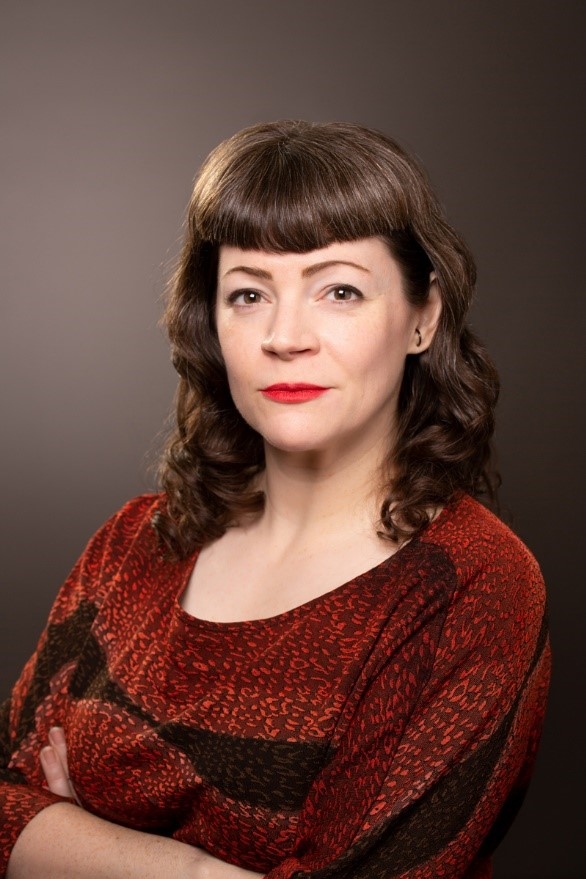 Jen Johnson is the State Library of Ohio’s digitization consultant and project coordinator for Ohio Digital Network, Ohio’s DPLA hub.
She’s worked in academic, special, and public libraries, and when she's not working, she's most likely renovating her house or dreaming of traveling.
Location: Online
Via Zoom
7/21/2021
Bias is one of the most controversial and important subjects in news literacy. People frequently perceive and allege bias in news coverage, but what does this really mean? What makes a piece of news biased, and who decides? What role do our own biases play in our perceptions of bias? In this session, we’ll help you teach this vital, complex topic in ways that empower students and customers to meaningfully evaluate the fairness and impartiality of news coverage.
Learning Objectives:
- Review common misperceptions about news media bias and develop a nuanced understanding of the topic
- Reflect on the role our own biases play in perceptions of news coverage
- Understand five types of news media bias and five possible forms it can take in news coverage
Peter Adams is the News Literacy Project’s senior vice president of education and has been with the organization since 2009. He began his career in education as a classroom teacher in the New York City schools. He has also worked as a trainer with the New York City Teaching Fellows Program, a youth media after-school instructor in the Chicago public schools and an adjunct instructor at Roosevelt University and Chicago City Colleges.Location: Online via Zoom
7/21/2021
Bias is one of the most controversial and important subjects in news literacy. People frequently perceive and allege bias in news coverage, but what does this really mean? What makes a piece of news biased, and who decides? What role do our own biases play in our perceptions of bias? In this session, we’ll help you teach this vital, complex topic in ways that empower students and customers to meaningfully evaluate the fairness and impartiality of news coverage.Learning Objectives:
- Review common misperceptions about news media bias and develop a nuanced understanding of the topic
- Reflect on the role our own biases play in perceptions of news coverage
- Understand five types of news media bias and five possible forms it can take in news coverage
Peter Adams is the News Literacy Project’s senior vice president of education and has been with the organization since 2009. He began his career in education as a classroom teacher in the New York City schools. He has also worked as a trainer with the New York City Teaching Fellows Program, a youth media after-school instructor in the Chicago public schools and an adjunct instructor at Roosevelt University and Chicago City Colleges.Location: Online via Zoom

4/26/2022
 There are so many ways to get information these days. Tweets, texts, news feeds, search engines, and social media bring it to us with a touch at all hours. When any newsclip or meme you want can be retweeted, pushed, or streamed with little effort and (sometimes) even less thought, how can library users determine the credibility and authority of what they’ve discovered? With information in different formats on disparate platforms, how can librarians help their community members make sophisticated decisions instead of uninformed leaps? How has the value of information changed for library users, who’ve become skeptical of experts and challenged the value of public discourse?
Learning Objectives:
- Examine elements of misinformation and disinformation while exploring methods to help library users make informed information choices
- Group discussions will highlight current user engagement with information quality and unique opportunities for library staff to participate in information literacy
- Through timely examples and patron-based scenario exercises, participants will analyze the value of information and learn how to identify potential avenues for user communication and education
Presenters:
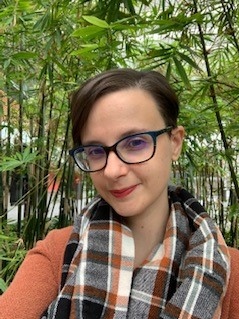 Megan Mamolen is a Librarian and Assistant Professor at Lakeland Community College. During her time at Lakeland, Megan has provided information literacy education and reference services, and has served as e-resources manager. Megan is interested in creating unique library programming that highlights the Association of College and Research Libraries’ information literacy framework as well as mental health resources that are available in the library and throughout the college.
 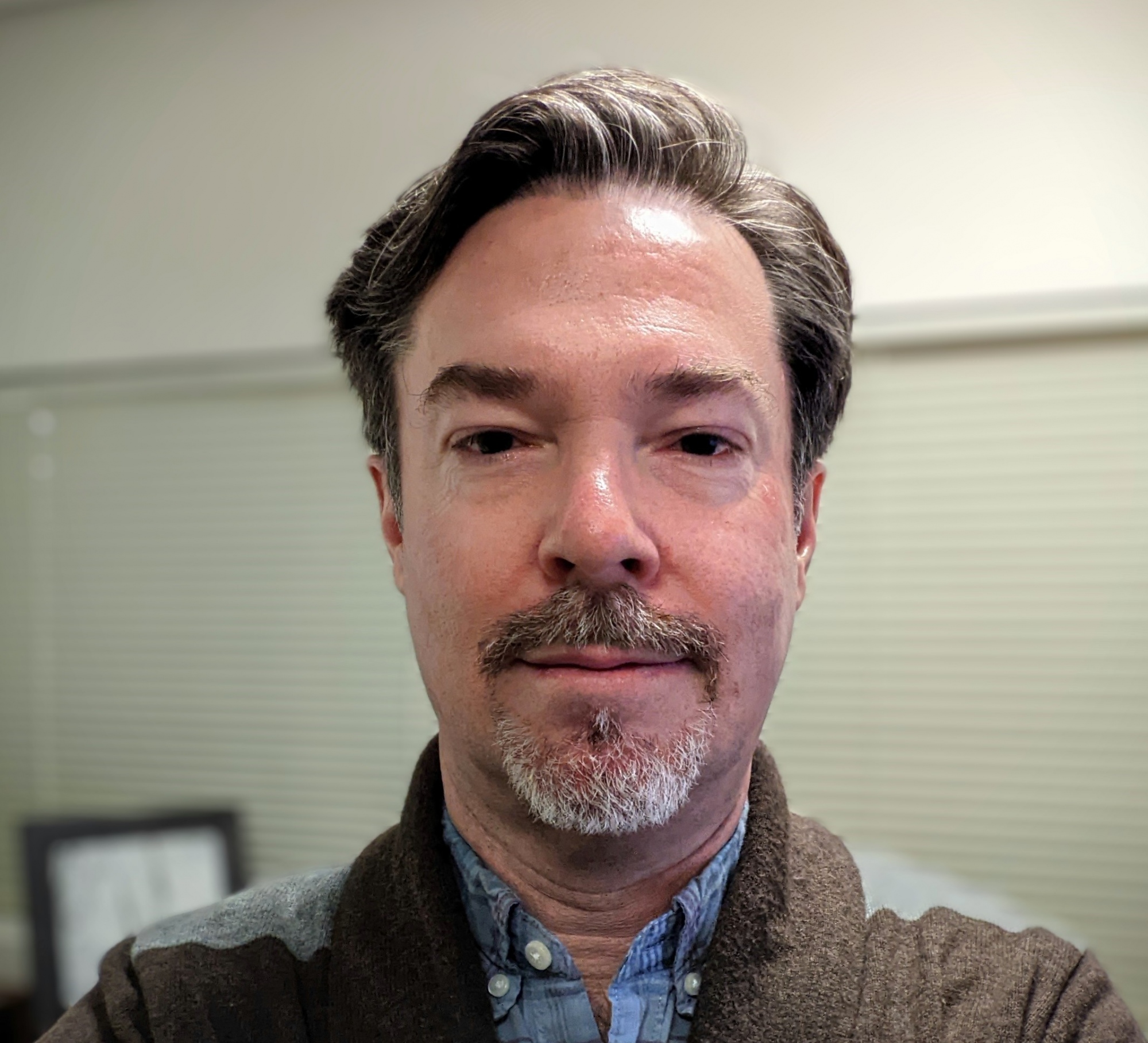 Thomas Hyland is the Library Program Chair and a Professor at Lakeland Community College. Thomas focuses on information literacy instruction, specializing in active learning in the classroom and the assessment of student learning outcomes.
Location: Online via Zoom
4/26/2022
There are so many ways to get information these days. Tweets, texts, news feeds, search engines, and social media bring it to us with a touch at all hours. When any newsclip or meme you want can be retweeted, pushed, or streamed with little effort and (sometimes) even less thought, how can library users determine the credibility and authority of what they’ve discovered? With information in different formats on disparate platforms, how can librarians help their community members make sophisticated decisions instead of uninformed leaps? How has the value of information changed for library users, who’ve become skeptical of experts and challenged the value of public discourse?
Learning Objectives:
- Examine elements of misinformation and disinformation while exploring methods to help library users make informed information choices
- Group discussions will highlight current user engagement with information quality and unique opportunities for library staff to participate in information literacy
- Through timely examples and patron-based scenario exercises, participants will analyze the value of information and learn how to identify potential avenues for user communication and education
Presenters:
Megan Mamolen is a Librarian and Assistant Professor at Lakeland Community College. During her time at Lakeland, Megan has provided information literacy education and reference services, and has served as e-resources manager. Megan is interested in creating unique library programming that highlights the Association of College and Research Libraries’ information literacy framework as well as mental health resources that are available in the library and throughout the college. Thomas Hyland is the Library Program Chair and a Professor at Lakeland Community College. Thomas focuses on information literacy instruction, specializing in active learning in the classroom and the assessment of student learning outcomes.Location: Online via Zoom
8/10/2022
Omaha Public Library implemented a subject librarian model as a way to reimagine adult services. From idea, beta team, to embedding subject librarians in OPL’s library system and the greater community, you will learn how it all started and how the subject librarian team operates today. Highlights will include examples of successful projects, programs, and ways to implement this model if it is the right fit for your library.
Learning Objectives:
- Introduction to the subject librarian model
- Determine if the subject librarian model is a fit for your library
- Be provided with a framework to get started
Amy Mather is an Adult Services Manager at Omaha Public Library. Amy believes in connecting the community through information, storytelling and relationships. She established and manages a team of subject librarians who develop programming, outreach and engagement strategies, and curated collections around community-based interests. She is also responsible for the planning and production of several popular events at Omaha Public Library. Amy won the Library Journal’s Movers & Shakers award in 2010 for her outreach efforts to young professionals, hosted her own podcast for four years (before everybody had a podcast), and has also worked as an adjunct instructor teaching human relation skills at Omaha’s community college. Amy completed her bachelor’s degree in psychology from the University of New Mexico, and completed her master’s degree in library and information science from Louisiana State University. Though she grew up in West Virginia and has lived in New Mexico, Louisiana, and Washington D.C., she considers Omaha home. In her free time, Amy enjoys reading, yoga, making jewelry, and has recently started bird-watching with her new binoculars.
Location: Online via Zoom
8/10/2022
Recorded 8/10/2022Omaha Public Library implemented a subject librarian model as a way to reimagine adult services. From idea, beta team, to embedding subject librarians in OPL’s library system and the greater community, you will learn how it all started and how the subject librarian team operates today. Highlights will include examples of successful projects, programs, and ways to implement this model if it is the right fit for your library.
Learning Objectives:
- Introduction to the subject librarian model
- Determine if the subject librarian model is a fit for your library
- Be provided with a framework to get started
Amy Mather is an Adult Services Manager at Omaha Public Library. Amy believes in connecting the community through information, storytelling and relationships. She established and manages a team of subject librarians who develop programming, outreach and engagement strategies, and curated collections around community-based interests. She is also responsible for the planning and production of several popular events at Omaha Public Library. Amy won the Library Journal’s Movers & Shakers award in 2010 for her outreach efforts to young professionals, hosted her own podcast for four years (before everybody had a podcast), and has also worked as an adjunct instructor teaching human relation skills at Omaha’s community college. Amy completed her bachelor’s degree in psychology from the University of New Mexico, and completed her master’s degree in library and information science from Louisiana State University. Though she grew up in West Virginia and has lived in New Mexico, Louisiana, and Washington D.C., she considers Omaha home. In her free time, Amy enjoys reading, yoga, making jewelry, and has recently started bird-watching with her new binoculars.
Location: Online via Zoom
10/5/2022
In this class, library staff will learn how to play an active, positive role in helping teen and young adult patrons navigate the process of applying to college. From learning the basics about the college application process today to programs they can run themselves and with partners, library staff will leave class not only more informed about the on-going changes and evolutions of the college application process, but also excited about using library resources to create a more equitable experience for young adults.
Learning Objectives:
- Participants will build a baseline understanding of the contemporary college application process, including vocabulary and general components.
- Participants will learn about and explore various databases and library resources that will be relevant in serving college curious teens and young adults.
- Participants will formulate new and explore existing program ideas that can be implemented at libraries to help serve teens interested in learning more about applying to college and completing the process.
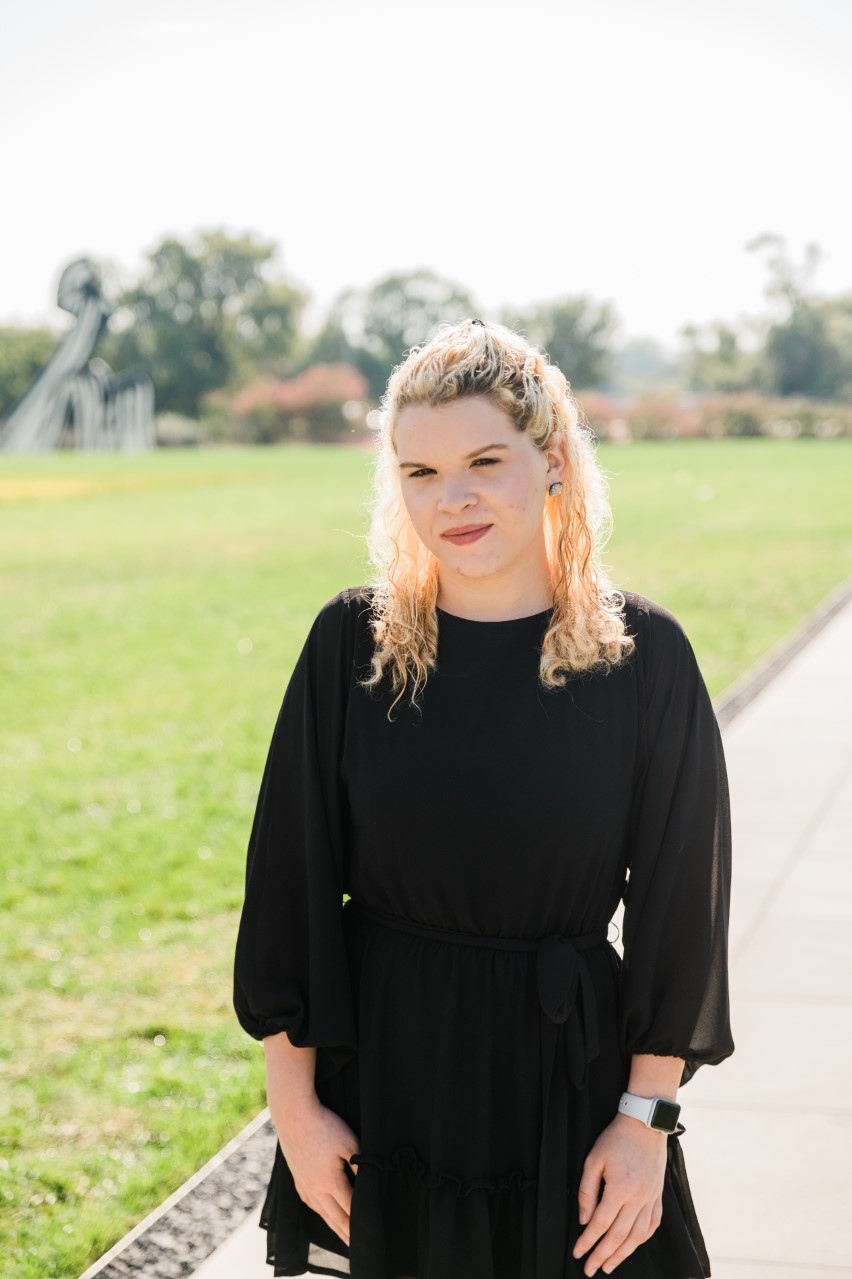 Aryssa Damron is a children’s librarian with the District of Columbia Public Library system. She serves on the YALSA Alex Awards for 2023, the ALSC Membership Committee, and is involved with the Jane Austen Society of North America. She holds a BA in English from Yale University and a MSLS from the University of Kentucky. She is the author of "The Path to the Ivy League Leads Straight Through the Public Library," a chapter in the book Hope and a Future: Perspectives on the Impact that Librarians and Libraries Have on Our World.
Location: Online via Zoom
10/5/2022
Recorded 10/5/2022
In this class, library staff will learn how to play an active, positive role in helping teen and young adult patrons navigate the process of applying to college. From learning the basics about the college application process today to programs they can run themselves and with partners, library staff will leave class not only more informed about the on-going changes and evolutions of the college application process, but also excited about using library resources to create a more equitable experience for young adults.
Learning Objectives:
- Participants will build a baseline understanding of the contemporary college application process, including vocabulary and general components.
- Participants will learn about and explore various databases and library resources that will be relevant in serving college curious teens and young adults.
- Participants will formulate new and explore existing program ideas that can be implemented at libraries to help serve teens interested in learning more about applying to college and completing the process.
Aryssa Damron is a children’s librarian with the District of Columbia Public Library system. She serves on the YALSA Alex Awards for 2023, the ALSC Membership Committee, and is involved with the Jane Austen Society of North America. She holds a BA in English from Yale University and a MSLS from the University of Kentucky. She is the author of "The Path to the Ivy League Leads Straight Through the Public Library," a chapter in the book Hope and a Future: Perspectives on the Impact that Librarians and Libraries Have on Our World.Location: Online via Zoom
10/13/2022
Troubleshooting is one of the most frustrating aspects of e-resource librarian work. This webinar hopes to bring some levity and originality to the topic. In the vein of David Letterman’s Top Ten List, join us as we count down libraries’ most commonly encountered e-resource access issues. We cover everything from user error to vendor mischief, broken links to incorrect metadata. Participants will be introduced to multiple examples in order to gain a better understanding of why these issues occur and how they are resolved.
Learning Objectives:
- Identify the most common e-resource access issues encountered by troubleshooters
- Understand why these e-resource access issues occur
- Evaluate options for resolution of access issues
Holly Talbott has more than seven years of experience with electronic resources and is coauthor of The Electronic Resources Troubleshooting Guide (ALA, 2020) and The Electronic Resources Librarianship: A Practical Guide for Librarians (Rowman & Littlefield, 2018). She is currently the electronic resources librarian at Kent State University and was previously the electronic resources and licensing librarian at the University of Arizona Libraries.
Ashley Zmau has more than ten years of academic library experience and is coauthor of Electronic Resources Librarianship: A Practical Guide for Librarians (Rowman & Littlefield, 2018) and The Electronic Resources Troubleshooting Guide (ALA, 2020). She is currently the technical services librarian at Noorda College of Osteopathic Medicine and was previously the electronic resources librarian at the University of Texas at Arlington and the electronic resources management librarian at Southern Methodist University.
Location: Online via Zoom
10/13/2022
Recorded 10/13/2022Troubleshooting is one of the most frustrating aspects of e-resource librarian work. This webinar hopes to bring some levity and originality to the topic. In the vein of David Letterman’s Top Ten List, join us as we count down libraries’ most commonly encountered e-resource access issues. We cover everything from user error to vendor mischief, broken links to incorrect metadata. Participants will be introduced to multiple examples in order to gain a better understanding of why these issues occur and how they are resolved.
Learning Objectives:
- Identify the most common e-resource access issues encountered by troubleshooters
- Understand why these e-resource access issues occur
- Evaluate options for resolution of access issues
Holly Talbott has more than seven years of experience with electronic resources and is coauthor of The Electronic Resources Troubleshooting Guide (ALA, 2020) and The Electronic Resources Librarianship: A Practical Guide for Librarians (Rowman & Littlefield, 2018). She is currently the electronic resources librarian at Kent State University and was previously the electronic resources and licensing librarian at the University of Arizona Libraries.
Ashley Zmau has more than ten years of academic library experience and is coauthor of Electronic Resources Librarianship: A Practical Guide for Librarians (Rowman & Littlefield, 2018) and The Electronic Resources Troubleshooting Guide (ALA, 2020). She is currently the technical services librarian at Noorda College of Osteopathic Medicine and was previously the electronic resources librarian at the University of Texas at Arlington and the electronic resources management librarian at Southern Methodist University.
Location: Online via Zoom
11/8/2022
Join us for a day of genealogy with local genealogy experts.
Genealogy: First Steps in Research
A patron has arrived with a genealogy question. What can you do to help? Here are a few basic pointers to get them started. We will review forms to use, questions to ask and resources available both at the library and elsewhere. We will also look at a list of basic books and websites to get started.
Genealogy in the Public Library
Way-pointing is what librarians do best! With some basic understanding of genealogy terms, forms, resources and best practices, you can help a patron start researching their family's history. We will show simple searches on free and library version genealogy websites and “check out” the best books. Practicing on your own family research is fun and essential to understanding how to help someone else.
Comparing the Genealogy Giants: Ancestry.com, FamilySearch.org, Findmypast.com and MyHeritage.com.
The "genealogy giants" all provide audiences with tools and records for researching family trees online. They offer access to billions of historical record images, from newspapers to censuses to baptismal registers from the United States and around the world. They offer the ability to build your family tree, explore other people's family trees and even collaborate with fellow descendants. But they aren't all the same. Their record selection, geographical coverage and user bases vary widely. And two of them also offer the ability to integrate DNA discoveries with what you learn from old records.
Learning objectives:
- Learn about what's available on all of these websites, and options for free, subscription and personal access
- Learn about the major differences between these websites, so you can steer patrons toward the ones of most value to them
- Learn more about Library Editions (Ancestry, Findmypast and MyHeritage) so you can recommend which might be the best investment to serve your patrons
Resources of the Ohio Genealogical Society and its Chapters
The Ohio Genealogical Society located in Bellville, and its ninety chapters statewide, provide a great resource for genealogy/local history publications, archival resources, digital materials, educational opportunities, and especially, the knowledge base of over 10,000 people interested in their Ohio ancestors. We will learn how to access collections, programs, websites, and people!
In additon, Ann Sindelar, Library Reference Supervisor for the Cleveland History Center will focus on genealogy and special collections. We will end the day with a Q & A with a panel of speakers.
Presenters:
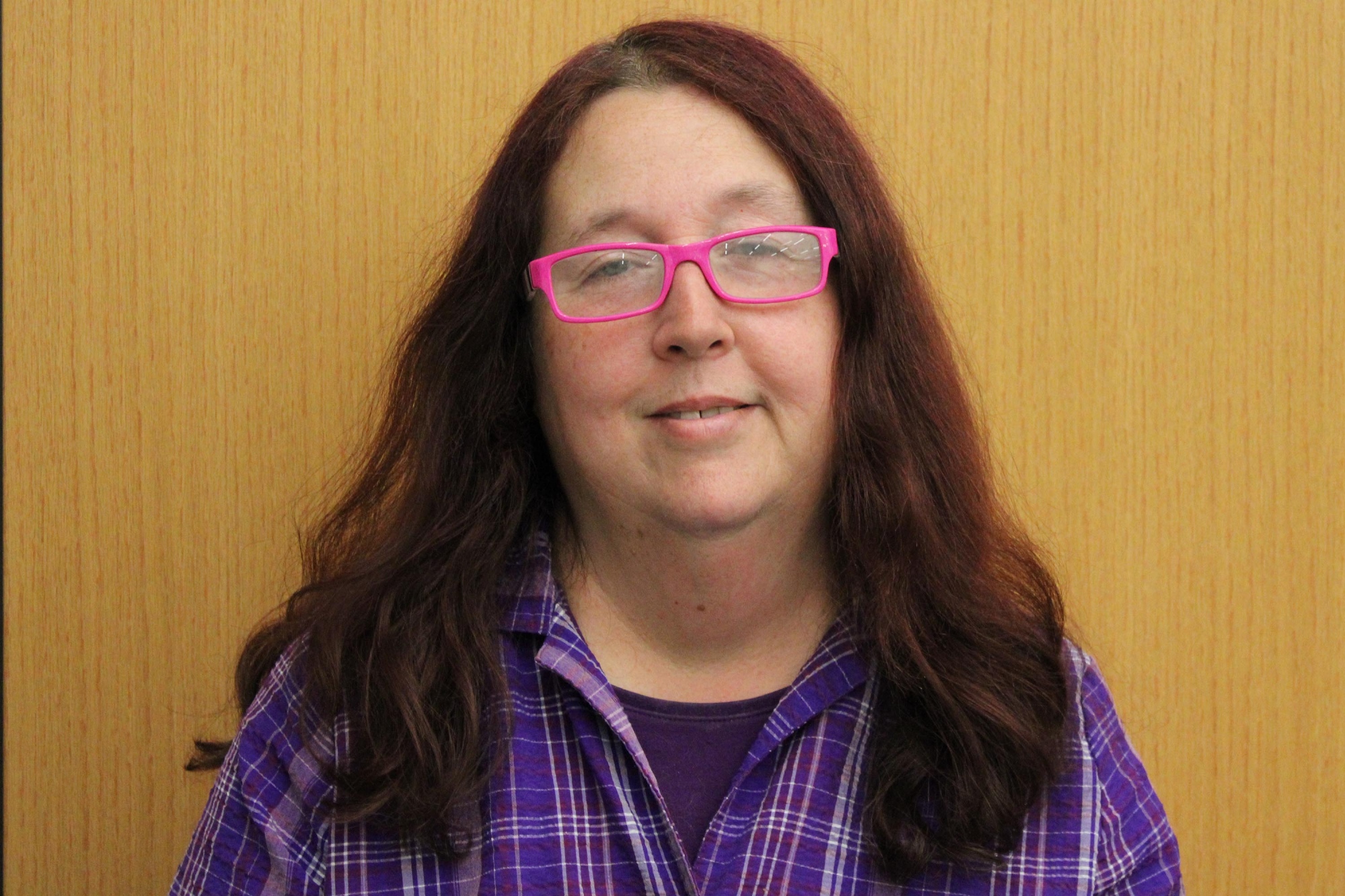 Stacie Murry is the Cataloging and Reference Associate at the Ingalls Library at The Cleveland Museum of Art where she has worked for 38 years. She has a Master’s Degree in Art History from Case Western Reserve University. She has been doing genealogy research for more than 25 years.
 Cheryl McClellan retired recently after serving many years as the Geauga County Public Library genealogist. She writes for genealogy magazines and is a well-known speaker at local events, public libraries, genealogical societies and Ohio Genealogical Society conferences. She is currently serving as local researcher for the Kirtland Ohio 1830s home of Joseph Smith, Jr., founder of the Church of Jesus Christ of Latter-day Saints. The home is being restored and will open for tours next year.
  Sunny Morton is an award-winning writer and a globally popular lecturer. She is a longtime Contributing Editor at Family Tree Magazine; Contributing Editor and Content Manager for Your DNA Guide; frequent contributor to the blog at FamilySearch (the world's biggest free genealogy website); and past Editor of Ohio Genealogy News. She is known internationally for her astute comparisons of the giant genealogy websites. She is author of How to Find Your Family History in U.S. Church Records, with Harold Henderson, CG, and Story of My Life: A Workbook for Preserving Your Legacy, now in its 2nd edition.
 Tom Neel, retired Library Director 1984-2021 at the Ohio Genealogical Society, received a BA in Liberal Arts (majors in Botany-Bacteriology and History) from Ohio Wesleyan University and an MLIS from Kent State University. He currently serves on the Fellows and Awards Committee of OGS, is President of the Huron Co Chapter OGS, is a Trustee of the Ashland Co Chapter OGS, and is President of the New London Area Historical Society in his hometown. He is a member of the usual assortment of library, history, archival, and genealogical organizations, and provides lectures in his field for local groups.
Ann Sindelar, Library Reference Supervisor for the Cleveland History Center
Location: Stow-Munroe Falls Public Library
3512 Darrow Rd.
Stow, OH 44224
There are currently 14 spots remaining out of 30
11/15/2022
Researchers in the fields of psychology and education have published dozens of studies exploring methods of combating misinformation, and some have had some success. One strategy with a lot of potential is the idea of "inoculating" people against misinformation by exposing them to misinformation strategies and raising their skepticism. This workshop will explore why the spread of misinformation is so difficult to prevent, how inoculation techniques work, and how to apply misinformation inoculation strategies to library instruction and programming.
Learning Objectives:
- Describe the current challenges of misinformation in today's information environment, including several common misinformation dissemination techniques
- Design and implement pre- and debunking strategies for misinformation in library instruction and/or outreach
- Develop activities and approaches that discourage cynicism among students/patrons regarding information sources such as news media
 Mandi Goodsett (she/her) is the Performing Arts & Humanities Librarian, as well as the Open Educational Resource & Copyright Advisor, at Cleveland State University. Her research interests include open education, critical thinking in library instruction, mentoring new professionals, and sustainability in libraries. In her free time Mandi loves cooking, playing board games with friends, and enjoying the outdoors of Northeast Ohio.
Location: Online via Zoom
11/15/2022
Recorded 11/15/2022Researchers in the fields of psychology and education have published dozens of studies exploring methods of combating misinformation, and some have had some success. One strategy with a lot of potential is the idea of "inoculating" people against misinformation by exposing them to misinformation strategies and raising their skepticism. This workshop will explore why the spread of misinformation is so difficult to prevent, how inoculation techniques work, and how to apply misinformation inoculation strategies to library instruction and programming.
Learning Objectives:
- Describe the current challenges of misinformation in today's information environment, including several common misinformation dissemination techniques
- Design and implement pre- and debunking strategies for misinformation in library instruction and/or outreach
- Develop activities and approaches that discourage cynicism among students/patrons regarding information sources such as news media
Mandi Goodsett (she/her) is the Performing Arts & Humanities Librarian, as well as the Open Educational Resource & Copyright Advisor, at Cleveland State University. Her research interests include open education, critical thinking in library instruction, mentoring new professionals, and sustainability in libraries. In her free time Mandi loves cooking, playing board games with friends, and enjoying the outdoors of Northeast Ohio.Location: Online via Zoom
8/2/2023
 Recorded 8/2/23
Without regular access to the internet, many people in correctional facilities turn to libraries for help with their information and research needs. They send questions by snail mail, and this strikingly non-digital endeavor is easy to provide. St. Louis County Library has been receiving letters from people in correctional facilities for decades, but in recent years our service has increased by over 1,000%.
Answering questions via mail to correctional facilities requires a combination of traditional reference skills, modern searching techniques, and special security considerations. This service provides an excellent low-cost opportunity to serve the community and further the fundamental mission of public libraries. Join Megan Phifer-Davis to learn how you can start providing this service and develop procedures and guidelines to prioritize security and safeguard privacy. She’ll also explain methods used to expand the service and connecting with other libraries doing this work across the country.
Learning Objectives:
- How to begin the service of answering reference questions by mail from people in correctional facilities
- Best practices for responding to inquiries
- Methods to promote the service
 Megan Phifer-Davis is the Manager, Reference at St. Louis County Library in St. Louis, Missouri. She is responsible for the electronic resources for St. Louis County Library and managing the Reference librarian staff, a staff of 12, that work throughout all of St. Louis County providing research assistance to educators and students, small business owners, job seekers, and more. She previously worked at Lindenwood University as the Outreach and E-Learning Librarian in St. Charles, Missouri. She has served on local library committees and presented at local Missouri library conferences on the library's Reference by Mail service, as well as on Open Educational Resources. Megan received a B.S. in Psychology from Fontbonne University and a M.L.I.S. from Simmon's University.
Location: Online via Zoom
8/2/2023
Without regular access to the internet, many people in correctional facilities turn to libraries for help with their information and research needs. They send questions by snail mail, and this strikingly non-digital endeavor is easy to provide. St. Louis County Library has been receiving letters from people in correctional facilities for decades, but in recent years our service has increased by over 1,000%.
Answering questions via mail to correctional facilities requires a combination of traditional reference skills, modern searching techniques, and special security considerations. This service provides an excellent low-cost opportunity to serve the community and further the fundamental mission of public libraries. Join Megan Phifer-Davis to learn how you can start providing this service and develop procedures and guidelines to prioritize security and safeguard privacy. She’ll also explain methods used to expand the service and connecting with other libraries doing this work across the country.
Learning Objectives:
- How to begin the service of answering reference questions by mail from people in correctional facilities
- Best practices for responding to inquiries
- Methods to promote the service
Megan Phifer-Davis is the Manager, Reference at St. Louis County Library in St. Louis, Missouri. She is responsible for the electronic resources for St. Louis County Library and managing the Reference librarian staff, a staff of 12, that work throughout all of St. Louis County providing research assistance to educators and students, small business owners, job seekers, and more. She previously worked at Lindenwood University as the Outreach and E-Learning Librarian in St. Charles, Missouri. She has served on local library committees and presented at local Missouri library conferences on the library's Reference by Mail service, as well as on Open Educational Resources. Megan received a B.S. in Psychology from Fontbonne University and a M.L.I.S. from Simmon's University.Location: Online via Zoom
10/4/2023
While we may provide information to patrons on a daily basis, sometimes we need to step back and re-assess not only what we're doing but how we're doing it. This webinar will provide you with a chance to look at standards of practice, suggestions on steps to take in the reference interview, and ways to search for information on any topic. Designed for those staff members new to the reference desk to get them off on the right foot.
Learning Objectives:
- Attendees will gain practical searching skills to apply within any information-searching environment.
- Attendees will be acquainted with standards of reference service against which to measure their performance.
- Attendees will learn the importance of - and how to conduct - a thorough reference interview.
 Don Boozer is Manager of the Literature Department and Homebound Services at Cleveland Public Library as well as Coordinator of the Ohio Center for the Book. He is also an adjunct instructor at Kent State University's School of Information where he teaches the reference service and information sources class.
Location: Online via Zoom
10/4/2023
Recorded 10/4/23While we may provide information to patrons on a daily basis, sometimes we need to step back and re-assess not only what we're doing but how we're doing it. This webinar will provide you with a chance to look at standards of practice, suggestions on steps to take in the reference interview, and ways to search for information on any topic. Designed for those staff members new to the reference desk to get them off on the right foot.
Learning Objectives:
- Attendees will gain practical searching skills to apply within any information-searching environment.
- Attendees will be acquainted with standards of reference service against which to measure their performance.
- Attendees will learn the importance of - and how to conduct - a thorough reference interview.
Don Boozer is Manager of the Literature Department and Homebound Services at Cleveland Public Library as well as Coordinator of the Ohio Center for the Book. He is also an adjunct instructor at Kent State University's School of Information where he teaches the reference service and information sources class.Location: Online via Zoom
10/5/2023
We are excited to start this new genealogy networking group. Here is an opportunity to share your challenges and successes with your peers. This meeting will be held through Zoom which is user friendly to all devices. You will receive a link in your confirmation email a reminder 2 hours before the meeting. We hope you will join us. Please send agenda items/questions to Jeff Laser.
Location: Online via Zoom
12/12/2023
Did you know that NE Ohio contains one of the best botanical and horticultural libraries in the country? The special libraries at Holden Forests & Gardens (Holden Arboretum and Cleveland Botanical Garden) not only contain books to help you learn about plants and trees but also a museum-class collection of botanical illustration, landscape architecture, and scientific manuscripts from Darwin to Redoute to van Leeuwenhoek. Learn about the resources, including outreach programs for public libraries, present in your own backyard!
Presenter:
 Marisha Sullivan (she/they) is the Librarian at Holden Forests & Gardens, overseeing the Archives, Special Collections, and Circulating Collections at both Cleveland Botanical Garden and Holden Arboretum. Previously a public librarian, Marisha brings a passion for lifelong learning, accessibility, and equity to her work with plants, trees, and people. When not in the library or wandering the woods, Marisha enjoys fiber arts, video games, and exploring the Greater Cleveland area.
 Ingalls Library, Cleveland Museum of Art
The Ingalls Library at the Cleveland Museum of Art is one of the largest art research libraries in the United States. We offer comprehensive access to art information covering all periods and geographic areas in many languages. The Museum Archives houses institutional records that document the history and role of the museum in the social and cultural history of the community and the world of art; and the personal papers of regional artists, arts businesses, and art collectors. We are open to the public, offering resources and assistance to meet any research need.
Leslie Cade is the director of the Ingalls Library & Museum Archives at the Cleveland Museum of Art, responsible for all library and archival functions. A graduate of John Carroll University and Case Western Reserve University, Leslie’s career includes leadership positions in a variety of special libraries. Her wealth of experience includes policy and long-range planning; successful grant writing; library and archival collection development and management; preservation of materials in all formats; and records management. Cleveland Law Library
Fun fact: Every county in Ohio has a law library. Some are not staffed full-time and are only a bookshelf, while others can look like a typical branch of a public library. Stark County Law Library provides legal information services to judges, attorneys, county and township officials AND the public. With four full-time staff and access to many valuable legal resources, the Stark County Law Library is happy to assist with legal information needs.
Presenter:
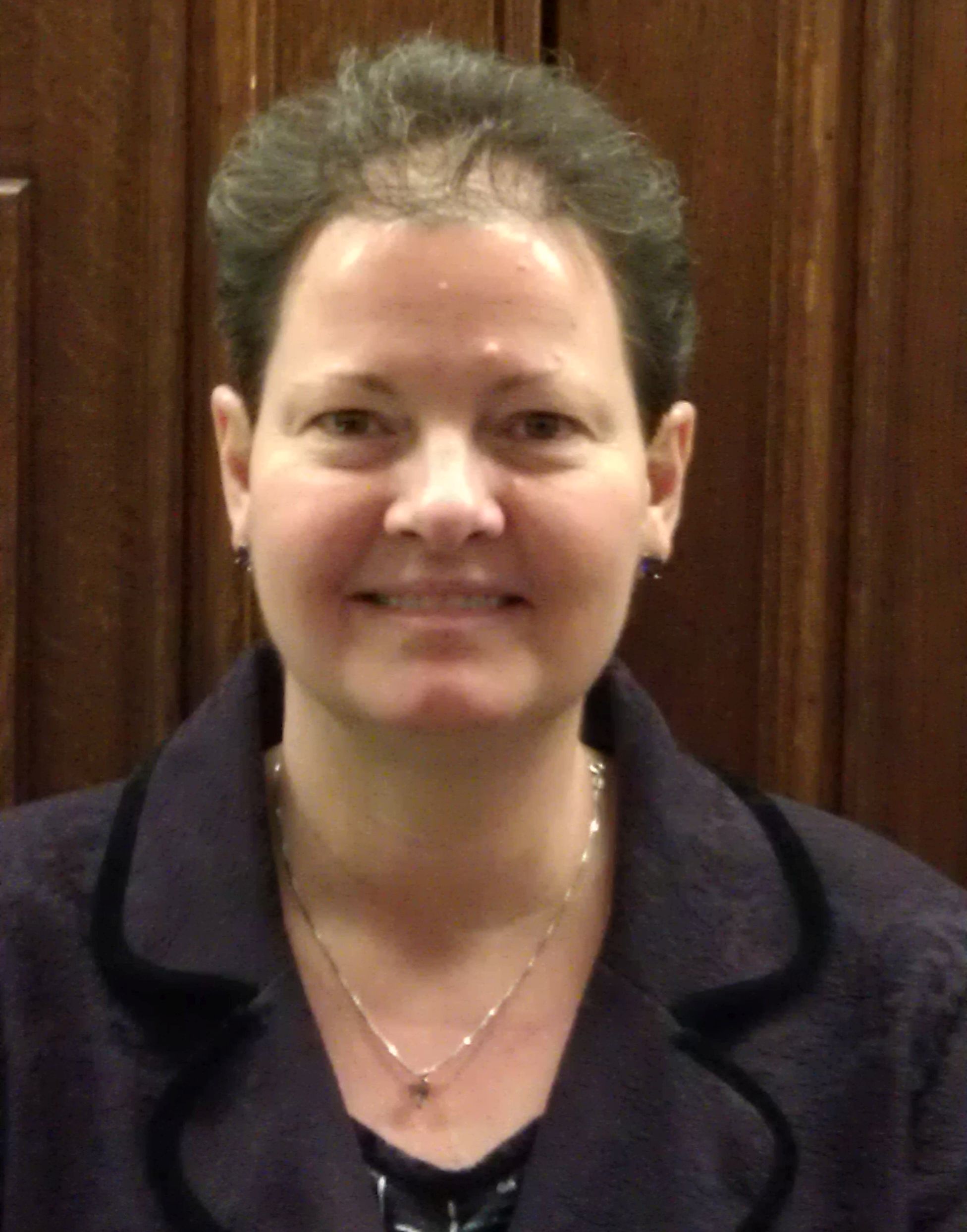 Kathleen M. Dugan, Esq., MLS: Ms. Dugan currently serves two roles as the Librarian and Secretary of the Cleveland Law Library and the Librarian & Chief Administrator of the Cuyahoga County Law Library. Ms. Dugan came to the Law Library in 2003 after working as a Reference Librarian at the CWRU School of Law Library. In addition to her administrative duties, Ms. Dugan performs reference and research services for the Library’s patrons and conducts training for Library members and staff. She frequently lectures on legal research topics, and she has written the chapter on law libraries for the Ohio State Bar Association’s online book entitled OfficeKeeper. Ms. Dugan is a 1984 graduate of John Carroll University, where she obtained a B.A. in English, a minor in Political Science and a concentration in business. Thereafter in 1987, Ms. Dugan obtained her J.D. from Cleveland-Marshall College of Law, where she served as a Managing Editor of the Cleveland State Law Review. Upon graduation, Ms. Dugan practiced civil litigation for 13 years at a small boutique Cleveland law firm. While engaged in the practice of law, Ms. Dugan taught paralegal classes for both Notre Dame College of Ohio and the American Institute for Paralegal Studies. In 1999, Ms. Dugan finally pursued her true career love and went to Kent State University, where she obtained a graduate appointment and completed her Masters in Library in Science by the year 2000, graduating No. 1 in her class. Ms. Dugan is an active member of the Cleveland Metropolitan Bar Association and its Justice For All Committee
Location: Online via Zoom
12/12/2023
Recorded 12/12/23We have many special libraries in the Northeast Ohio region. Here we highlight three special libraries and what they can offer your patrons and library.
Did you know that NE Ohio contains one of the best botanical and horticultural libraries in the country? The special libraries at Holden Forests & Gardens (Holden Arboretum and Cleveland Botanical Garden) not only contain books to help you learn about plants and trees but also a museum-class collection of botanical illustration, landscape architecture, and scientific manuscripts from Darwin to Redoute to van Leeuwenhoek. Learn about the resources, including outreach programs for public libraries, present in your own backyard!
Presenter:
Marisha Sullivan (she/they) is the Librarian at Holden Forests & Gardens, overseeing the Archives, Special Collections, and Circulating Collections at both Cleveland Botanical Garden and Holden Arboretum. Previously a public librarian, Marisha brings a passion for lifelong learning, accessibility, and equity to her work with plants, trees, and people. When not in the library or wandering the woods, Marisha enjoys fiber arts, video games, and exploring the Greater Cleveland area. Ingalls Library, Cleveland Museum of Art
The Ingalls Library at the Cleveland Museum of Art is one of the largest art research libraries in the United States. We offer comprehensive access to art information covering all periods and geographic areas in many languages. The Museum Archives houses institutional records that document the history and role of the museum in the social and cultural history of the community and the world of art; and the personal papers of regional artists, arts businesses, and art collectors. We are open to the public, offering resources and assistance to meet any research need.
Leslie Cade is the director of the Ingalls Library & Museum Archives at the Cleveland Museum of Art, responsible for all library and archival functions. A graduate of John Carroll University and Case Western Reserve University, Leslie’s career includes leadership positions in a variety of special libraries. Her wealth of experience includes policy and long-range planning; successful grant writing; library and archival collection development and management; preservation of materials in all formats; and records management. Cleveland Law Library
Fun fact: Every county in Ohio has a law library. Some are not staffed full-time and are only a bookshelf, while others can look like a typical branch of a public library. Stark County Law Library provides legal information services to judges, attorneys, county and township officials AND the public. With four full-time staff and access to many valuable legal resources, the Stark County Law Library is happy to assist with legal information needs.
Presenter:
Kathleen M. Dugan, Esq., MLS: Ms. Dugan currently serves two roles as the Librarian and Secretary of the Cleveland Law Library and the Librarian & Chief Administrator of the Cuyahoga County Law Library. Ms. Dugan came to the Law Library in 2003 after working as a Reference Librarian at the CWRU School of Law Library. In addition to her administrative duties, Ms. Dugan performs reference and research services for the Library’s patrons and conducts training for Library members and staff. She frequently lectures on legal research topics, and she has written the chapter on law libraries for the Ohio State Bar Association’s online book entitled OfficeKeeper. Ms. Dugan is a 1984 graduate of John Carroll University, where she obtained a B.A. in English, a minor in Political Science and a concentration in business. Thereafter in 1987, Ms. Dugan obtained her J.D. from Cleveland-Marshall College of Law, where she served as a Managing Editor of the Cleveland State Law Review. Upon graduation, Ms. Dugan practiced civil litigation for 13 years at a small boutique Cleveland law firm. While engaged in the practice of law, Ms. Dugan taught paralegal classes for both Notre Dame College of Ohio and the American Institute for Paralegal Studies. In 1999, Ms. Dugan finally pursued her true career love and went to Kent State University, where she obtained a graduate appointment and completed her Masters in Library in Science by the year 2000, graduating No. 1 in her class. Ms. Dugan is an active member of the Cleveland Metropolitan Bar Association and its Justice For All CommitteeLocation: Online via Zoom
1/31/2024
This presentation will introduce the Digital Transgender Archive, an online hub for digitized historical materials, born-digital materials, and information on archival holdings globally relating to trans and gender non-normative individuals and practices. The presenter will discuss what items can be found on the DTA and how we determine what to add to our collection, how those items are organized, and suggestions for how to navigate the site and the additional resources it provides. Additionally, drawing on both his own experience working at the DTA and as a researcher working with items on the DTA, he will discuss suggestions for interacting with the DTA as a researcher.
Learning Objectives:
- Learn what kinds of items can be found on the DTA and how they are selected
- Learn about the additional resources the DTA provides
- Learn what the DTA offers from a researcher’s perspective
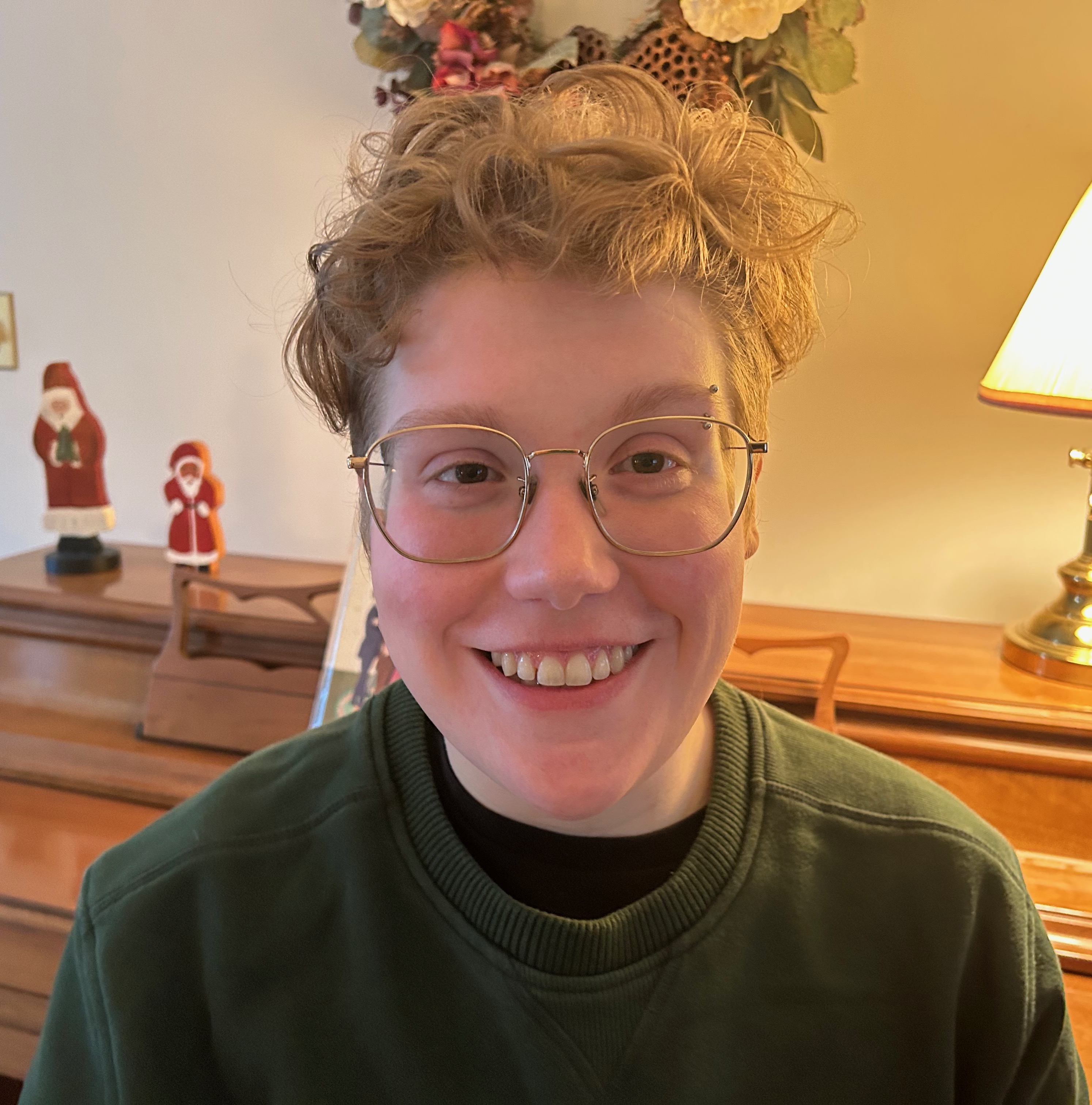 Leslie Beegle (he/they) is a 2nd year PhD student in the English Department at Northeastern University, and a Research Assistant and Lab Coordinator for the Digital Transgender Archive (DTA), where he works closely with his advisor and creator of the archive, Dr. K.J. Rawson. His work at the DTA includes managing undergraduates as they add items to the DTA, and coordinating with archives and individuals who provide new items for the DTA. Their PhD research focuses on the relationships between trans, archival, and medical rhetorics.
Location: Online via Zoom
1/31/2024
Recorded 1/31/24This presentation will introduce the Digital Transgender Archive, an online hub for digitized historical materials, born-digital materials, and information on archival holdings globally relating to trans and gender non-normative individuals and practices. The presenter will discuss what items can be found on the DTA and how we determine what to add to our collection, how those items are organized, and suggestions for how to navigate the site and the additional resources it provides. Additionally, drawing on both his own experience working at the DTA and as a researcher working with items on the DTA, he will discuss suggestions for interacting with the DTA as a researcher.
Learning Objectives:
- Learn what kinds of items can be found on the DTA and how they are selected
- Learn about the additional resources the DTA provides
- Learn what the DTA offers from a researcher’s perspective
Leslie Beegle (he/they) is a 2nd year PhD student in the English Department at Northeastern University, and a Research Assistant and Lab Coordinator for the Digital Transgender Archive (DTA), where he works closely with his advisor and creator of the archive, Dr. K.J. Rawson. His work at the DTA includes managing undergraduates as they add items to the DTA, and coordinating with archives and individuals who provide new items for the DTA. Their PhD research focuses on the relationships between trans, archival, and medical rhetorics.Location: Online via Zoom
2/28/2024
The library, a community gathering and learning place that serves people at all stages of life’s journey, plays a vital role in helping individuals live well with dementia. The new free resource from the Ohio Council for Cognitive Health, The Dementia Inclusive Public Library Guide, provides a roadmap and practical tools for libraries and other community organizations to unite with fellow Ohioans in reshaping the narrative surrounding dementia to one of engaged community living.
Learning Objectives: At the conclusion of this training, participants will be able to:
- To navigate the free and comprehensive Dementia Inclusive Public Library Guide and use its ready-to-implement resources to grow dementia inclusive practice in their libraries.
- To facilitate staff development (including Dementia Friends training) and build staff enthusiasm for dementia inclusive service.
- To identify potential allies for ongoing support and growth of their library’s Dementia Inclusive Initiative as a catalyst for a dementia inclusive community.
- To craft next steps that are a “right fit” for the staffing, budget, and environmental capacities of their libraries.
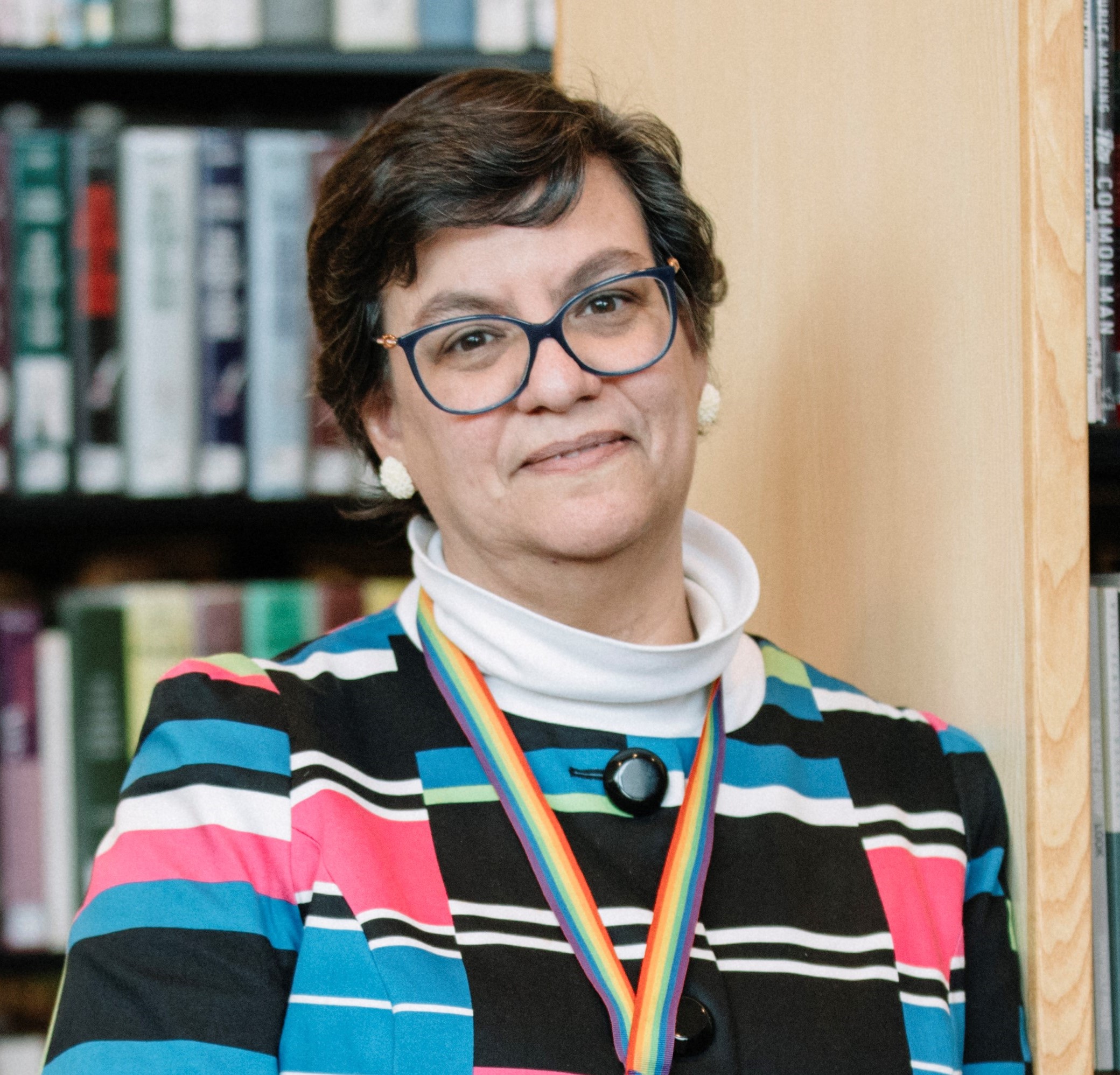 Barb White, retired after 31 years of service with the Akron-Summit County Public Library (in early childhood and adult services and in public services administration), continues her commitment to Dementia Inclusive communities as a Dementia Friends Champion, founding member of Dementia Friendly Summit County (OH), and Education and Programming Committee Chair with Dementia Action Alliance. Barb has shared strategies for Dementia Inclusive library practice on a statewide and national level, and brings Dementia Friends workshops to organizations, businesses, and governmental agencies across multiple community sectors in Summit County and beyond. Most recently, Barb co-authored (with Jennifer Brush and Margaret Jarrell) The Dementia Inclusive Public Library Guide, a publication of the Ohio Council for Cognitive Health.
 Location: Online via Zoom
2/28/2024
Recorded 2/28/24The library, a community gathering and learning place that serves people at all stages of life’s journey, plays a vital role in helping individuals live well with dementia. The new free resource from the Ohio Council for Cognitive Health, The Dementia Inclusive Public Library Guide, provides a roadmap and practical tools for libraries and other community organizations to unite with fellow Ohioans in reshaping the narrative surrounding dementia to one of engaged community living.
Learning Objectives: At the conclusion of this training, participants will be able to:
- To navigate the free and comprehensive Dementia Inclusive Public Library Guide and use its ready-to-implement resources to grow dementia inclusive practice in their libraries.
- To facilitate staff development (including Dementia Friends training) and build staff enthusiasm for dementia inclusive service.
- To identify potential allies for ongoing support and growth of their library’s Dementia Inclusive Initiative as a catalyst for a dementia inclusive community.
- To craft next steps that are a “right fit” for the staffing, budget, and environmental capacities of their libraries.
Barb White, retired after 31 years of service with the Akron-Summit County Public Library (in early childhood and adult services and in public services administration), continues her commitment to Dementia Inclusive communities as a Dementia Friends Champion, founding member of Dementia Friendly Summit County (OH), and Education and Programming Committee Chair with Dementia Action Alliance. Barb has shared strategies for Dementia Inclusive library practice on a statewide and national level, and brings Dementia Friends workshops to organizations, businesses, and governmental agencies across multiple community sectors in Summit County and beyond. Most recently, Barb co-authored (with Jennifer Brush and Margaret Jarrell) The Dementia Inclusive Public Library Guide, a publication of the Ohio Council for Cognitive Health. Location: Online via Zoom
3/7/2024
 Recorded 3/7/24
As gateways to knowledge, libraries have a pivotal role to play in facilitating the safe use of AI. So, gear up for a lively and interactive discussion. Join CML staff, Michaela Herrick and Justin Bumbico, as they delve into the rapidly evolving landscape of Large Language Models (LLMs) such as ChatGPT and Bing Chat for Enterprise within the context of public libraries. Amidst continuous media attention and daily technological changes, CML proactively formed a cross-departmental AI task force to monitor advancements and its impact on libraries. During this session, we’ll explore our findings, focusing on their relevance to library customers and staff. This session will discuss the benefits of AI technology for libraries and underscore the associated challenges and evolution of best practices.
This session will provide a pragmatic understanding of AI’s role, applications, and challenges, regardless of library size or budget. You will gain a better understanding of how every library can benefit from these advancements and how to safeguard against biases and inaccuracies, a vital consideration for all institutions.
Learning Objectives:
- Learn public library applications of Generative AI.
- Gain an understanding of cautions and concerns when deciding on how to use AI in your library.
- Gather resources for education, implementation, and usage of Generative AI technology.
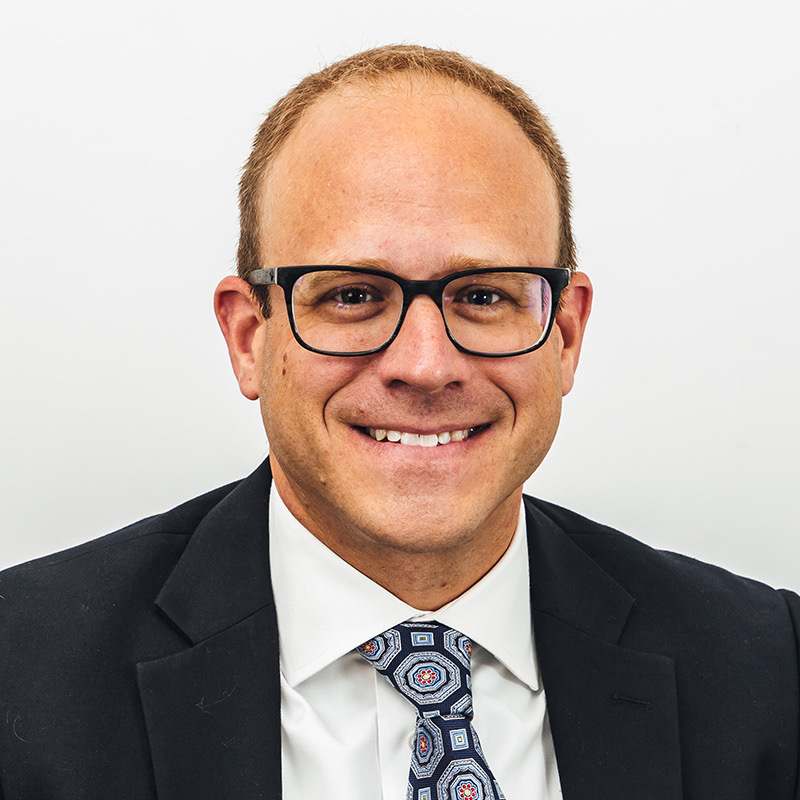 Justin Bumbico serves as the Director of Information Technology at the Columbus Metropolitan Library (CML). In his position, he leads all aspects of CML’s technology operations, including Data Analytics. With over 20 years of experience in the technology field, Justin is focused on delivering reliable, secure, and cost-effective technological solutions.
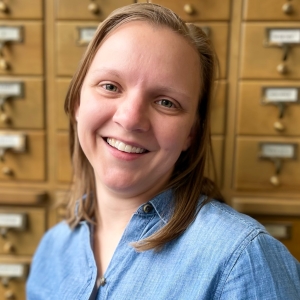 Michaela Herrick is a Data and Applications Analyst for the Columbus Metropolitan Library. Past work in social science research from interviewing to data mining informs the way she thinks about library usership and customer encounters. She has a passion for improving processes, understanding library customers, and providing the best library experience by leveraging new and existing data sources. Her passion for data science and libraries has fueled her goal of helping to bridge the gap between analytics and libraries.
Location: Online via Zoom
3/7/2024
As gateways to knowledge, libraries have a pivotal role to play in facilitating the safe use of AI. So, gear up for a lively and interactive discussion. Join CML staff, Michaela Herrick and Justin Bumbico, as they delve into the rapidly evolving landscape of Large Language Models (LLMs) such as ChatGPT and Bing Chat for Enterprise within the context of public libraries. Amidst continuous media attention and daily technological changes, CML proactively formed a cross-departmental AI task force to monitor advancements and its impact on libraries. During this session, we’ll explore our findings, focusing on their relevance to library customers and staff. This session will discuss the benefits of AI technology for libraries and underscore the associated challenges and evolution of best practices.
This session will provide a pragmatic understanding of AI’s role, applications, and challenges, regardless of library size or budget. You will gain a better understanding of how every library can benefit from these advancements and how to safeguard against biases and inaccuracies, a vital consideration for all institutions.
Learning Objectives:
- Learn public library applications of Generative AI.
- Gain an understanding of cautions and concerns when deciding on how to use AI in your library.
- Gather resources for education, implementation, and usage of Generative AI technology.
Justin Bumbico serves as the Director of Information Technology at the Columbus Metropolitan Library (CML). In his position, he leads all aspects of CML’s technology operations, including Data Analytics. With over 20 years of experience in the technology field, Justin is focused on delivering reliable, secure, and cost-effective technological solutions.Michaela Herrick is a Data and Applications Analyst for the Columbus Metropolitan Library. Past work in social science research from interviewing to data mining informs the way she thinks about library usership and customer encounters. She has a passion for improving processes, understanding library customers, and providing the best library experience by leveraging new and existing data sources. Her passion for data science and libraries has fueled her goal of helping to bridge the gap between analytics and libraries.Location: Online via Zoom
3/26/2024
Living well with a dementia diagnosis is possible. With the rate of diagnosis increasing dramatically in the state of Ohio and across the country, reducing stigma, addressing myth and misinformation, and supporting individual purpose and community participation is the work of all of us in libraries and beyond. Dementia Friends for Libraries participants will learn what role they can play in this effort—by understanding better what dementia is (and what it isn’t) and how flexible, responsive strategies and dementia-inclusive community partnerships can ensure the abundant life for all.
Learning Objectives: At the conclusion of this training, participants will be able:
- To share with customers and community members the impact of dementia on brain health, memory, and cognitive processing.
- To compare the early signs of dementia with those of typical aging.
- To implement communication and environmental strategies for continuing to engage those living with a dementia diagnosis, and their care partners, in a life of purpose and participation.
- To evaluate current practice, and build community partnerships, through a dementia inclusive lens.
Barb White, retired after 31 years of service with the Akron-Summit County Public Library (in early childhood and adult services and in public services administration), continues her commitment to Dementia Inclusive communities as a Dementia Friends Champion, founding member of Dementia Friendly Summit County (OH), and Education and Programming Committee Chair with Dementia Action Alliance. Barb has shared strategies for Dementia Inclusive library practice on a statewide and national level, and brings Dementia Friends workshops to organizations, businesses, and governmental agencies across multiple community sectors in Summit County and beyond. Most recently, Barb co-authored (with Jennifer Brush and Margaret Jarrell) The Dementia Inclusive Public Library Guide, a publication of the Ohio Council for Cognitive Health. Location: Online via Zoom
5/22/2024
We are excited to start this new genealogy networking group. Here is an opportunity to share your challenges and successes with your peers. This meeting will be held through Zoom which is user friendly to all devices. You will receive a link in your confirmation email a reminder 2 hours before the meeting. We hope you will join us. Please send agenda items/questions to Jeff Laser.
Location: Online via Zoom
9/10/2024
EBSCO online services supply a great wealth of information and services to aid in many day-to-day events for library patrons across Ohio.
EBSCO products are available in all public libraries in the entire state offering all citizens 24/7 access to numerous popular periodicals (Ex: Consumer Reports, People, Atlantic, Time, Sports Illustrated), homework assistance and very helpful information including Small Business Start-ups to Hobbies and Crafts Ideas and Projects.
David Lubin will present a thorough update on all these products, including recent product enhancements to provide a general overview to ensure that libraries use these valuable products to their full potential. These products have recent upgraded features such as providing audio, translator options, improved PDF viewer mechanisms and the ability to set up access on mobile devices.
Learning Objectives:
- The Scope and content of the resources available.
- The Various interfaces available to search these products.
- How to do detailed and specific searches either by topic or to look within particular publications.
Presenter:
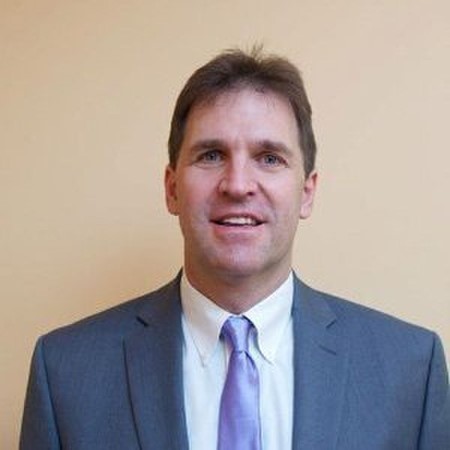 David Lubin is the Regional Sales Manager for EBSCO Publishing specializing in the K - 12 and Public Library Markets. David has consulted in the North American library market on Media and Electronic Resources for over 20 years. David has lived in Northeast Ohio for the past 5 years and served the state in this role during that period.
Location: Online via Zoom
9/10/2024
 Recorded 9/10/24
EBSCO online services supply a great wealth of information and services to aid in many day-to-day events for library patrons across Ohio.
EBSCO products are available in all public libraries in the entire state offering all citizens 24/7 access to numerous popular periodicals (Ex: Consumer Reports, People, Atlantic, Time, Sports Illustrated), homework assistance and very helpful information including Small Business Start-ups to Hobbies and Crafts Ideas and Projects.
David Lubin will present a thorough update on all these products, including recent product enhancements to provide a general overview to ensure that libraries use these valuable products to their full potential. These products have recent upgraded features such as providing audio, translator options, improved PDF viewer mechanisms and the ability to set up access on mobile devices.
Learning Objectives:
- The Scope and content of the resources available.
- The Various interfaces available to search these products.
- How to do detailed and specific searches either by topic or to look within particular publications.
Presenter:
David Lubin is the Regional Sales Manager for EBSCO Publishing specializing in the K - 12 and Public Library Markets. David has consulted in the North American library market on Media and Electronic Resources for over 20 years. David has lived in Northeast Ohio for the past 5 years and served the state in this role during that period.Location: Online via Zoom
9/18/2024
You've successfully determined your patron's information need... now what? This webinar will provide strategies and techniques that library staff can put into practice to get the most out of the resources to which all libraries in Ohio have access, including databases, websites, online archives, and more. The presentation will also take a fresh look at some familiar information resources and will suggest ways to utilize them in innovative ways.
Learning Objectives:
- Gain a working knowledge of a variety of information sources.
- Learn practical searching skills to apply within any information-searching environment.
- Identify novel uses for established information resources.
 Don Boozer is Manager of the Literature Department and Homebound Services at Cleveland Public Library as well as Coordinator of the Ohio Center for the Book, the Buckeye State's affiliate of the Center for the Book at the Library of Congress. He is also an adjunct instructor at Kent State University's School of Information where he teaches the reference service and
Location: Online via Zoom
9/18/2024
Recorded 9/18/24You've successfully determined your patron's information need... now what? This webinar will provide strategies and techniques that library staff can put into practice to get the most out of the resources to which all libraries in Ohio have access, including databases, websites, online archives, and more. The presentation will also take a fresh look at some familiar information resources and will suggest ways to utilize them in innovative ways.
Learning Objectives:
- Gain a working knowledge of a variety of information sources.
- Learn practical searching skills to apply within any information-searching environment.
- Identify novel uses for established information resources.
Don Boozer is Manager of the Literature Department and Homebound Services at Cleveland Public Library as well as Coordinator of the Ohio Center for the Book, the Buckeye State's affiliate of the Center for the Book at the Library of Congress. He is also an adjunct instructor at Kent State University's School of Information where he teaches the reference service andLocation: Online via Zoom
10/29/2024
Here is an opportunity to talk with your peers to share ideas, successes and challenges. This meeting will be held through Zoom which is user friendly for all devices. You will receive a link in your confirmation email and a reminder 2 hours before the meeting. We hope you will join us. Please send agenda items/questions to Melissa Lattanzi.
Location: Online via Zoom
12/4/2024
We are excited to start this new genealogy networking group. Here is an opportunity to share your challenges and successes with your peers. This meeting will be held through Zoom which is user friendly to all devices. You will receive a link in your confirmation email a reminder 2 hours before the meeting. We hope you will join us. Please send agenda items/questions to Jeff Laser.
Location: Online via Zoom
1/29/2025
What is the Digital Public Library of America? What can I find in Chilton besides wiring diagrams? What does Fold3 mean, and why is it an important genealogical resource? Where do I even start with HeritageQuest? And how is it different from Ancestry? What's so special about Hobbies & Crafts Source and Home Improvement Source? Join this session to be surprised, delighted, and better informed about several of the resources in the Ohio Web Library.
Learning Objectives:
- Learn about at least one resource that is "new to you."
- Gain a better understanding of the distinctions among genealogy resources in the Ohio Web Library.
- Find one tip, trick, or insight that you will use for yourself or your patrons moving forward.
 Christine Morris is the Digital Resources Manager at the Ohio Public Library Information Network (OPLIN). With over 20 years of experience in professional librarianship and consortia work, she now works with public libraries on E-rate, Northstar Digital Literacy, and the Ohio Web Library resources. Christine holds a BA in Economics and International Studies from Bowling Green State University, an MLIS from Kent State University, and an MA in Public Policy and Management from Ohio State University.
Location: Online via Zoom
1/29/2025
Recorded 1/29/25What is the Digital Public Library of America? What can I find in Chilton besides wiring diagrams? What does Fold3 mean, and why is it an important genealogical resource? Where do I even start with HeritageQuest? And how is it different from Ancestry? What's so special about Hobbies & Crafts Source and Home Improvement Source? Join this session to be surprised, delighted, and better informed about several of the resources in the Ohio Web Library.
Learning Objectives:
- Learn about at least one resource that is "new to you."
- Gain a better understanding of the distinctions among genealogy resources in the Ohio Web Library.
- Find one tip, trick, or insight that you will use for yourself or your patrons moving forward.
Christine Morris is the Digital Resources Manager at the Ohio Public Library Information Network (OPLIN). With over 20 years of experience in professional librarianship and consortia work, she now works with public libraries on E-rate, Northstar Digital Literacy, and the Ohio Web Library resources. Christine holds a BA in Economics and International Studies from Bowling Green State University, an MLIS from Kent State University, and an MA in Public Policy and Management from Ohio State University.Location: Online via Zoom
3/13/2025
Part One: Access to Justice and the Reference Interview
Access to justice is, general speaking, the ability of people to seek and obtain fair, accessible, and equitable assistance in reaching an outcome to their situation under the law. Public libraries are on the frontline for access to information, and therefore are on the frontline for access to justice.
A reference interaction encompasses more than the reference interview, the back-and-forth to clarify and hone. There is an awareness and a skillset employed throughout that enhance the actual interview.
Managing a legal reference interaction successfully is often the result of time, exposure, experience, and self-education. The first three are not readily accomplished when working in a general setting. The fourth, self-education, is the motivation behind this webinar.
A problem or question does not always present itself as an obvious legal issue. Sometimes a patron is focused on the specifics of their particular situation and is missing the broader view. Sometimes, they are just not aware that their problem has a solution under the law.
Through self-education, staff can become familiar with the methods, restrictions, processes, and language of law-related topics, and serve their patrons more confidently and appropriately.
Part Two: Legal Reference in a Small, Rural Public Library in Louisiana
For the last fifteen years, Luis Interiano has been the Reference Librarian at the West Baton Rouge Library in Port Allen, Louisiana. He answers legal reference questions from the general public on a small range of topics that are typical of those encountered by public library patrons, mostly as requests for legal forms that he and his coworkers access through the WBR Library's subscription to the Gale Legal Forms database which has a specific set of forms used in Louisiana courts. These topics include requests for bills of sale for automobiles, boats, and motorcycles; living wills; affidavits for various legal proceedings; power of attorney; and residential lease agreements. Sometimes these requests from the public include complex topics like child custody, estate successions, and divorce, plus federal government matters like immigration, passports and visas from foreign countries. He plans to include anonymized situations that illustrate the legal reference experience.
Learning Objectives:
- Describe access to justice and why it matters for public libraries
- Demonstrate best practices for managing a reference question about law
- Assess referral choices and select appropriate options
- Provide patrons with immediate assistance in the form of blank PDF forms that they can type up on our computers or printed blanks that they can take home to fill out. A secondary tier of legal reference is connecting our patrons with legal aid societies operating in our area and with the contact information of pro-bono attorneys assigned by the city- and state- bar associations.
- Remind librarians that we walk a very fine line in offering legal information to our patrons but always stating our disclaimers that we are not providing legal advice and that patrons should check the information we provide with their own attorney.
- Estimate the impact that librarians have on the public or for special clients in providing legal, medical, scientific, or other technical (non-entertainment) information.
 Catherine McGuire is the Deputy Director of the Maryland Thurgood Marshall State Law Library in Annapolis. Since joining the staff in 2003, she also has served as Head of Reference and Outreach and as Outreach Services Librarian. Prior to joining the State Law Library, Ms. McGuire worked as legislative librarian and as assistant librarian for a law firm library in Washington, D.C. She received her B.A. from Duke University and her M.S.L.S. from the Catholic University of America. Ms. McGuire currently serves on the Curriculum Advisory Committee of the University of Maryland School of Information. She recently served as Chair of the Legal Information Services to the Public - Special Interest Section (LISP-SIS) of the American Association of Law Libraries (AALL), as a member of the AALL Special Committee on Advancing Access to Justice, and as Vice-Chair of the Conference of Maryland Court Law Library Directors. She has served as Adjunct Faculty for the Legal Studies Program at the Anne Arundel Community College. Ms. McGuire was awarded the 2023 William L. Marbury Outstanding Advocate Award by the Maryland Legal Services Corporation.
 Luis Interiano’s public library experience stretches over twenty-five years in various positions but always in public libraries. He received his Master's in Library and Information Science in 2009 from the Louisiana State University School of LIS, now the School of Information Studies under the College of Human Sciences and Education. In 2024, he received the award of Librarian of the Year for the state of Louisiana from the Louisiana Library Association, and for the last three years he has served as editor of LLA's professional journal, Louisiana Libraries (started 1937), published in digital format at llaonline.org . In 1986, he received his BA in English Literature from the University of New Orleans. He is a native Spanish speaker born in Honduras in 1968; emigrated to New Orleans at age six; became a proud US Citizen along with his family in 1985; and is now a home-owner in Port Allen (pop. 3,000), capital city of West Baton Rouge Parish with a current census population of approximately 27,000.
Location: Online via Zoom
3/13/2025
 Recorded 3/13/25
Part One: Access to Justice and the Reference Interview
Access to justice is, general speaking, the ability of people to seek and obtain fair, accessible, and equitable assistance in reaching an outcome to their situation under the law. Public libraries are on the frontline for access to information, and therefore are on the frontline for access to justice.
A reference interaction encompasses more than the reference interview, the back-and-forth to clarify and hone. There is an awareness and a skillset employed throughout that enhance the actual interview.
Managing a legal reference interaction successfully is often the result of time, exposure, experience, and self-education. The first three are not readily accomplished when working in a general setting. The fourth, self-education, is the motivation behind this webinar.
A problem or question does not always present itself as an obvious legal issue. Sometimes a patron is focused on the specifics of their particular situation and is missing the broader view. Sometimes, they are just not aware that their problem has a solution under the law.
Through self-education, staff can become familiar with the methods, restrictions, processes, and language of law-related topics, and serve their patrons more confidently and appropriately.
Part Two: Legal Reference in a Small, Rural Public Library in Louisiana
For the last fifteen years, Luis Interiano has been the Reference Librarian at the West Baton Rouge Library in Port Allen, Louisiana. He answers legal reference questions from the general public on a small range of topics that are typical of those encountered by public library patrons, mostly as requests for legal forms that he and his coworkers access through the WBR Library's subscription to the Gale Legal Forms database which has a specific set of forms used in Louisiana courts. These topics include requests for bills of sale for automobiles, boats, and motorcycles; living wills; affidavits for various legal proceedings; power of attorney; and residential lease agreements. Sometimes these requests from the public include complex topics like child custody, estate successions, and divorce, plus federal government matters like immigration, passports and visas from foreign countries. He plans to include anonymized situations that illustrate the legal reference experience.
Learning Objectives:
- Describe access to justice and why it matters for public libraries
- Demonstrate best practices for managing a reference question about law
- Assess referral choices and select appropriate options
- Provide patrons with immediate assistance in the form of blank PDF forms that they can type up on our computers or printed blanks that they can take home to fill out. A secondary tier of legal reference is connecting our patrons with legal aid societies operating in our area and with the contact information of pro-bono attorneys assigned by the city- and state- bar associations.
- Remind librarians that we walk a very fine line in offering legal information to our patrons but always stating our disclaimers that we are not providing legal advice and that patrons should check the information we provide with their own attorney.
- Estimate the impact that librarians have on the public or for special clients in providing legal, medical, scientific, or other technical (non-entertainment) information.
Catherine McGuire is the Deputy Director of the Maryland Thurgood Marshall State Law Library in Annapolis. Since joining the staff in 2003, she also has served as Head of Reference and Outreach and as Outreach Services Librarian. Prior to joining the State Law Library, Ms. McGuire worked as legislative librarian and as assistant librarian for a law firm library in Washington, D.C. She received her B.A. from Duke University and her M.S.L.S. from the Catholic University of America. Ms. McGuire currently serves on the Curriculum Advisory Committee of the University of Maryland School of Information. She recently served as Chair of the Legal Information Services to the Public - Special Interest Section (LISP-SIS) of the American Association of Law Libraries (AALL), as a member of the AALL Special Committee on Advancing Access to Justice, and as Vice-Chair of the Conference of Maryland Court Law Library Directors. She has served as Adjunct Faculty for the Legal Studies Program at the Anne Arundel Community College. Ms. McGuire was awarded the 2023 William L. Marbury Outstanding Advocate Award by the Maryland Legal Services Corporation.Luis Interiano’s public library experience stretches over twenty-five years in various positions but always in public libraries. He received his Master's in Library and Information Science in 2009 from the Louisiana State University School of LIS, now the School of Information Studies under the College of Human Sciences and Education. In 2024, he received the award of Librarian of the Year for the state of Louisiana from the Louisiana Library Association, and for the last three years he has served as editor of LLA's professional journal, Louisiana Libraries (started 1937), published in digital format at llaonline.org . In 1986, he received his BA in English Literature from the University of New Orleans. He is a native Spanish speaker born in Honduras in 1968; emigrated to New Orleans at age six; became a proud US Citizen along with his family in 1985; and is now a home-owner in Port Allen (pop. 3,000), capital city of West Baton Rouge Parish with a current census population of approximately 27,000.Location: Online via Zoom
6/3/2025
We are excited to start this new genealogy networking group. Here is an opportunity to share your challenges and successes with your peers. This meeting will be held through Zoom which is user friendly to all devices. You will receive a link in your confirmation email a reminder 2 hours before the meeting. We hope you will join us. Please send agenda items/questions to Melissa Lattanzi.
Location: Online via Zoom
8/7/2025
In this webinar, one academic librarian will relate her experience overhauling her institution’s LibGuides interface, developing resources to guide creation and formatting, and attempting creative approaches for encouraging ongoing maintenance, all with the goal of improving the usability of online research guides. Participants will learn of some practical strategies for reinvigorating LibGuides at their institution through the librarian’s experimentation with “LibGuide Editing Jamboree” events, “soft review cycles” with her colleagues, and the lessons learned along the way.
Learning Objectives:
- Explore best practices for user experience in the LibGuides interface.
- Understand the benefits of providing development opportunities for guide owners.
- Discuss creative ways of building community and establishing routine for guide owners to improve usability and maintenance of LibGuides.
Karli Cotton (she/her) is the Online Learning Librarian and an Assistant Professor at the University of Montana’s Maureen & Mike Mansfield Library. In this role, she works to expand her library’s offering of digital learning objects that assist with the delivery of information literacy instruction. Her recent interests have centered on AI literacy and creative techniques for online asynchronous library instruction. Karli received her Master of Library and Information Science from the University of Washington.
Location: Online via Zoom
8/7/2025
In this webinar, one academic librarian will relate her experience overhauling her institution’s LibGuides interface, developing resources to guide creation and formatting, and attempting creative approaches for encouraging ongoing maintenance, all with the goal of improving the usability of online research guides. Participants will learn of some practical strategies for reinvigorating LibGuides at their institution through the librarian’s experimentation with “LibGuide Editing Jamboree” events, “soft review cycles” with her colleagues, and the lessons learned along the way.
Learning Objectives:
- Explore best practices for user experience in the LibGuides interface.
- Understand the benefits of providing development opportunities for guide owners.
- Discuss creative ways of building community and establishing routine for guide owners to improve usability and maintenance of LibGuides.
Karli Cotton (she/her) is the Online Learning Librarian and an Assistant Professor at the University of Montana’s Maureen & Mike Mansfield Library. In this role, she works to expand her library’s offering of digital learning objects that assist with the delivery of information literacy instruction. Her recent interests have centered on AI literacy and creative techniques for online asynchronous library instruction. Karli received her Master of Library and Information Science from the University of Washington.
Location: Online via Zoom
9/4/2025
We’re excited to unveil a fresh approach to professional connection and collaboration. Our traditional networking meetings are now Active Learning Communities—dynamic spaces designed for shared learning, real conversation, and practical support.
Join your peers to exchange ideas, celebrate successes, and discover new solutions to common challenges. You'll also get a guided introduction to our new message boards, which will help keep the conversation going long after the meeting ends.
This meeting will be held through Zoom which is user friendly to all devices. You will receive a link in your confirmation email a reminder 2 hours before the meeting. We hope you will join us. Please send agenda items/questions to Hillary Brown.
Location: Online via Zoom
2/10/2026
Join your peers to exchange ideas, celebrate successes, and discover new solutions to common challenges.
This meeting will be held through Zoom which is user friendly to all devices. You will receive a link in your confirmation email a reminder 2 hours before the meeting. We hope you will join us. Please send agenda items/questions to Hillary Brown.
Location: Online via Zoom
3/10/2026
This webinar explores the crucial intersection of Artificial Intelligence (AI) and information literacy, addressing the transformative impact of AI on how information is accessed, evaluated, and utilized. Participants will gain a foundational understanding of how Generative AI (GenAI) tools function, including their capabilities and limitations in the context of information seeking and research. The session will delve into the integration of web search functionalities within AI tools and the implications of platforms like SearchGPT and advanced research tools on traditional information literacy practices.
A key focus will be on developing critical thinking skills to assess AI outputs effectively. Attendees will learn practical strategies, including the SIFT (Stop, Investigate the source, Find trusted coverage, Trace claims to the original context) method, to combat misinformation and evaluate the credibility of AI-generated content. The webinar will address the challenges posed by AI-driven misinformation and disinformation, equipping participants with the tools to navigate the evolving information landscape responsibly.
The session will also explore the broader implications of AI on information literacy, including ethical considerations, bias detection, and the responsible use of AI in research and education. Through interactive discussions and real-world examples, participants will learn how to adapt their information literacy instruction and practices to meet the demands of the AI era. Attendees will leave with actionable strategies for fostering critical engagement with AI tools and promoting informed decision-making in an increasingly complex information environment.
Learning Objectives:
- Understand how GenAI tools work and their impact on information literacy.
- Apply critical thinking skills to evaluate AI outputs and identify misinformation.
- Utilize the SIFT method for assessing the credibility of sources in the age of AI.
- Assess the implications of SearchGPT and deep research tools on information literacy practices.
- Adapt information literacy instruction to promote responsible AI usage.
 Reed Hepler is a digital initiatives librarian, instructional designer, copyright agent, artificial intelligence practitioner and consultant, and PhD student at Idaho State University. He earned a Master's Degree in Instructional Design and Educational Technology from Idaho State University in 2025. In 2022, he obtained a Master’s Degree in Library and Information Science, with emphases in Archives Management and Digital Curation from Indiana University. He has worked at nonprofits, corporations, and educational institutions encouraging information literacy and effective education. Combining all of these degrees and experiences, Reed strives to promote ethical librarianship and educational initiatives.
Currently, Reed works as a Digital Initiatives Librarian at a college in Idaho and also has his own consulting firm, heplerconsulting.com. His views and projects can be seen on his LinkedIn page or his blog, CollaborAItion, on Substack. Contact him at reed.hepler@gmail.com for more information.
Location: Online via Zoom
3/19/2026
This session will provide a comprehensive overview of Tutor.com and how libraries can maximize its full range of services. Attendees will participate in a live demonstration highlighting key features and benefits, followed by an interactive Q&A session.
Tutor.com supports learners across K–12, higher education, continuing education, and job-seeking pursuits by providing access to expert academic and career support, including:
- Individualized online tutoring with fully vetted expert tutors and career coaches in more than 200 subjects, including bilingual offerings
- Live and drop-off writing review services for essays, r?sum?s, and cover letters
- Test preparation resources from The Princeton Review?, along with practice quizzes, worksheets, and additional learning tools
Presenter:
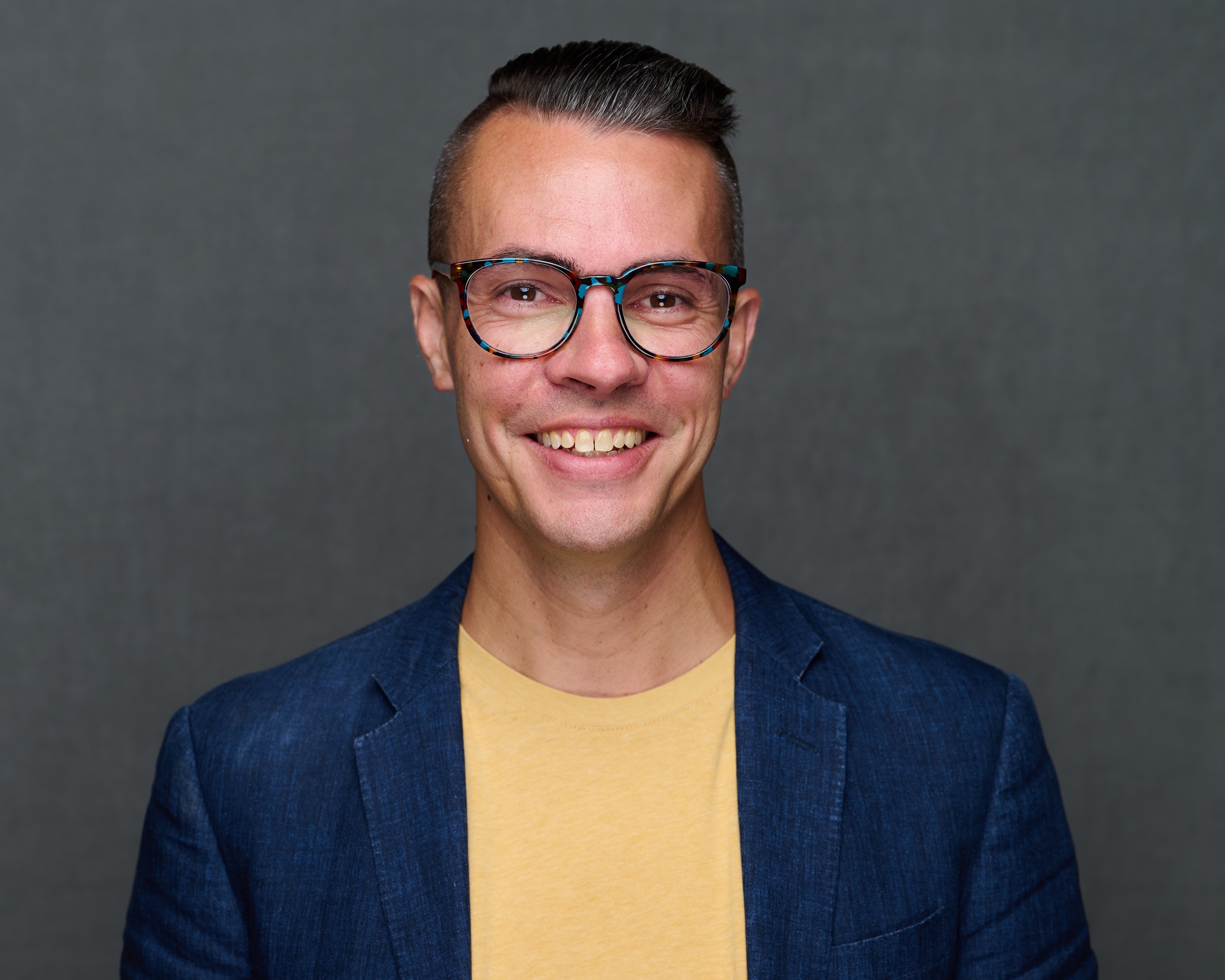 David Wills is the Senior Director of Library Partnerships at Tutor.com. He has been part of the Tutor.com organization since 2017 and holds a BS in Finance and Global Economics. In his role, David oversees the Library Institutional market nationwide, leading new business initiatives and managing the Customer Support team that partners closely with libraries across the country.
Location: Online via Zoom