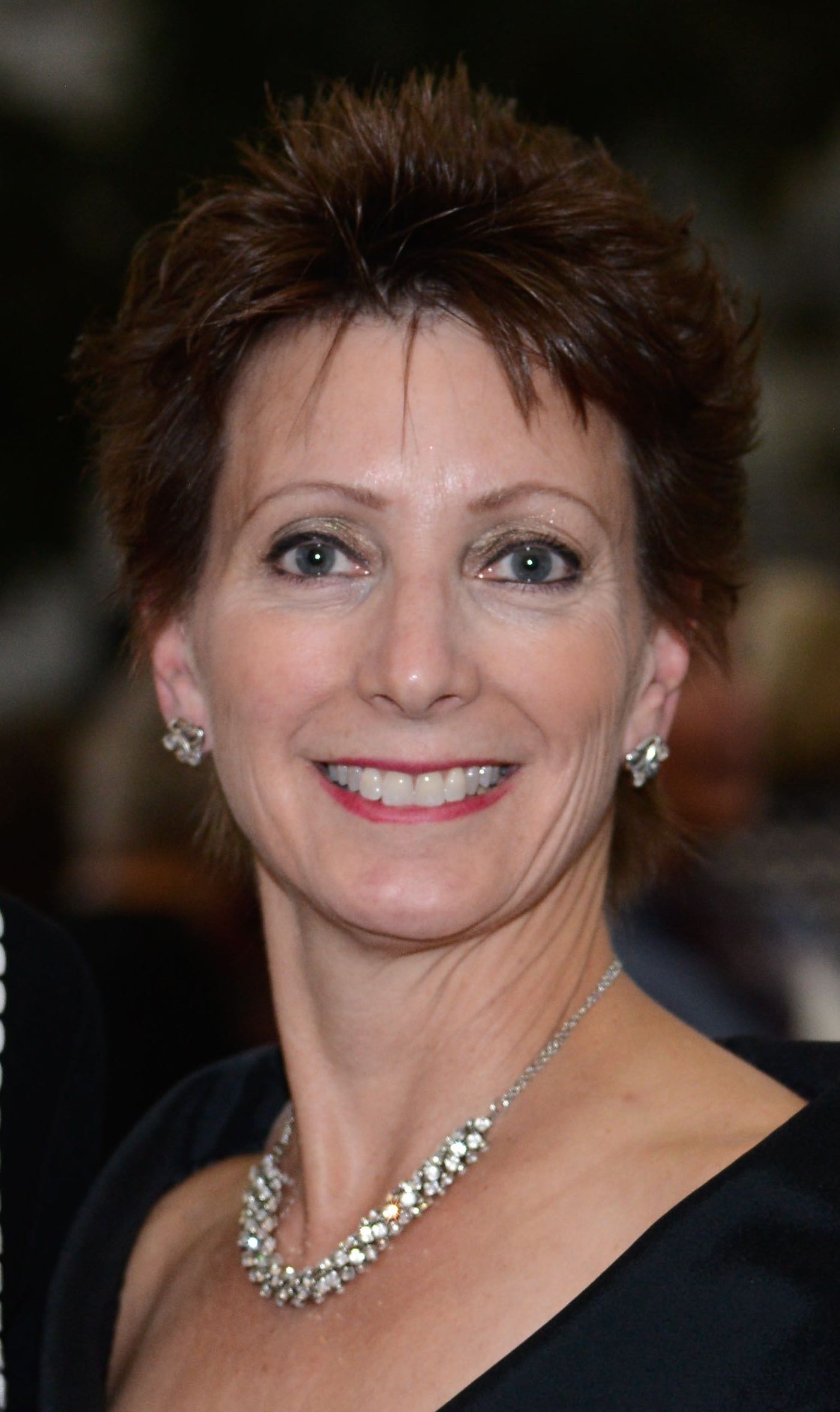
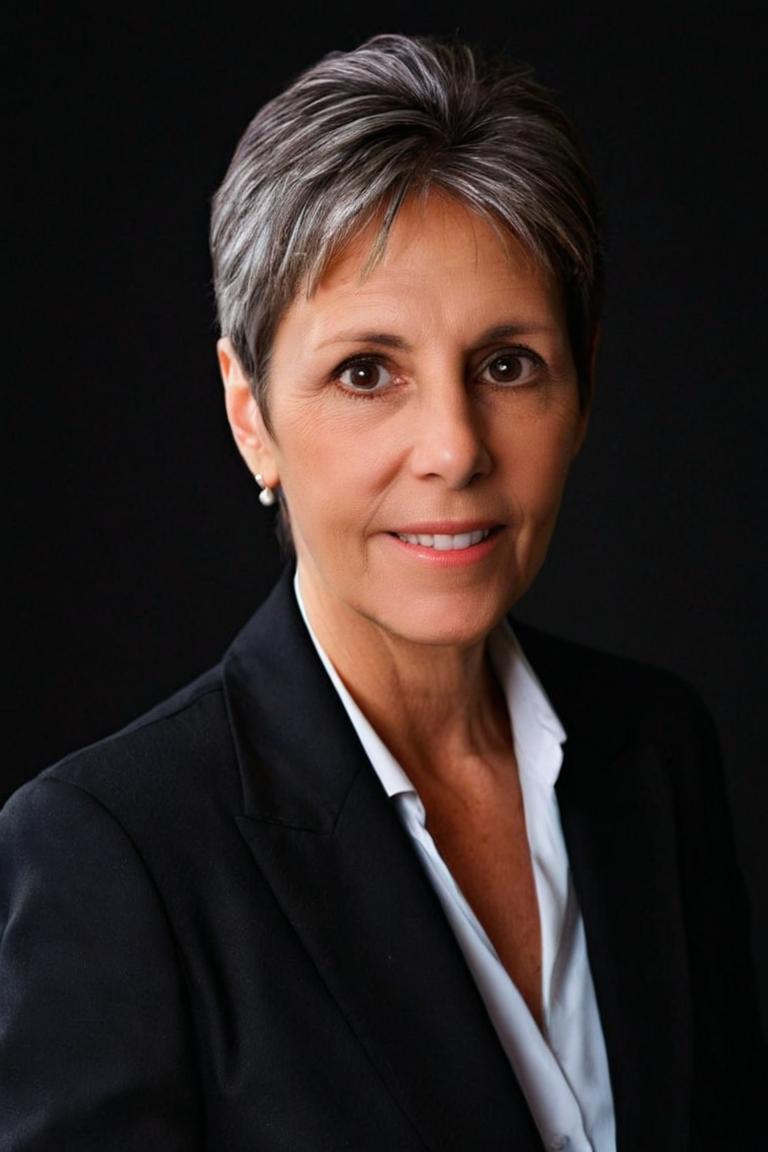
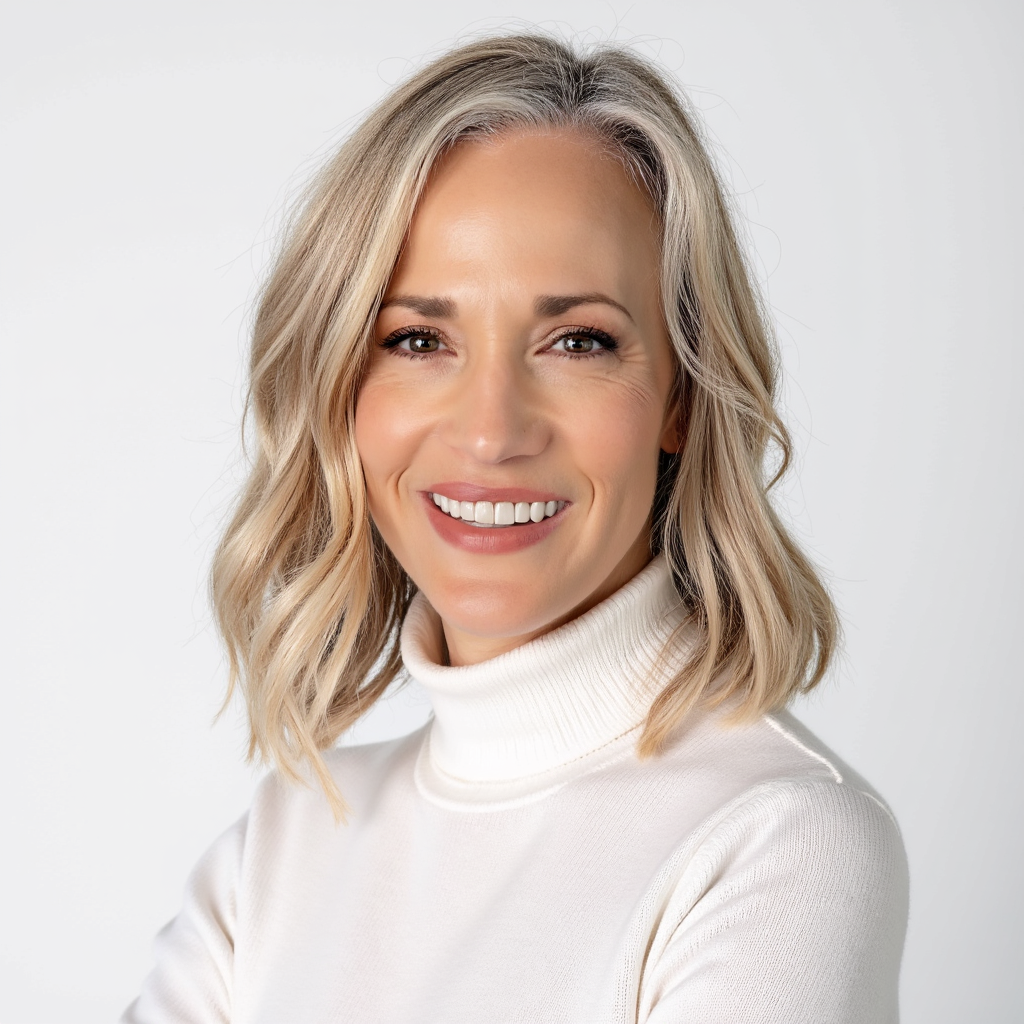
Jo Puntil, MS, CCC-SLP, BCS-S, is a highly respected leader in the field of Speech-Pathology, with specialized expertise in Swallowing, Communication, and Cognition disorders in the Intensive Care setting. As an ASHA Fellow and former chair of the Council for Clinical Certification (CFCC), she has made significant contributions to clinical practice, professional standards and interdisciplinary care for her profession.
Jo has an extensive background in national/international lecturing and has a strong presence on platforms like MedBridge and TIMS, where she offers several educational courses. With over 35 years of experience, she has been instrumental in developing interdisciplinary rehabilitation programs focusing on critical and acute care settings. Her numerous honors and publications reflect a deep dedication to advancing knowledge and clinical practice in acute care, making her a valuable resource for both clinicians and researchers in the field.
This course explores the evolving and essential role of Speech-Language Pathologists (SLPs) in the intensive care unit (ICU), emphasizing their impact on patient outcomes through early intervention and interdisciplinary collaboration. As ICU practices increasingly focus on reducing length of stay, mortality, and co-morbidities, SLPs are uniquely positioned to address complications related to prolonged intubation, sedation, and delirium. Participants will learn how early involvement in swallowing, communication, and cognitive support can help mitigate the effects of Post Intensive Care Syndrome (PICS) and promote improved recovery trajectories.
The course will examine the integration of ICU bundles—particularly the A-F bundle—and highlight the SLP’s role in managing medically complex patients, including those on high-flow oxygen. Practical strategies will be provided for assessing delirium, implementing post-extubation swallow screens, and making critical decisions aligned with patient goals of care. Special attention will be given to pre- and post-operative swallow screening for cardiovascular surgical patients, reinforcing the importance of early and ongoing evaluation.
Additionally, the course will showcase novel treatment approaches used by SLPs in the ICU, including innovative communication strategies for intubated patients (e.g., pharyngeal electrical stimulation, RMST), cognitive-linguistic interventions, and individualized swallowing therapies. The importance of educating ICU nurses and family members to support cognitive and emotional recovery will be emphasized, equipping participants to advocate for and implement cutting-edge, patient-centered speech pathology care in critical settings. By the end of the session, attendees will have a deeper understanding of the vital contributions of Speech Pathology in the ICU and leave with practical tools and insights to enhance communication, cognition, and overall recovery for critically ill patients.
Identify the 6 key components of the A-F ICU Bundle
Differentiate at least 2 differences between hypoactive and hyperactive delirium and what the Speech Pathologist can do to assist in the patient’s recovery.
Analyze the appropriate time to screen for swallowing post extubation.
Distinguish the timing and goal for a clinical swallowing evaluation for respiratory compromised patients
Describe the SLP’s role in educating/counseling patients and care partners in the ICU environment
Continental Breakfast and lunch will be provided.
8:30 - Course begins
60 minutes - ICU Team, roles and responsibilities, prevalence of patient’s morbidity and mortality
60 minutes - A-F bundle and the Role of the Speech Pathologist, what does delirium have to do with anything?
60 minutes - Speech and Swallow Evaluation in the ICU what do we cover, when to we get involved.
60 minutes -:Case Studies of Clinical Decision Making: To eat or not to Eat that is the question
60 minutes - Novel Treatment in the ICU, what can we do to help patients.
45 minutes - Mentoring ICU staff, education to staff, families,
15 minutes - Q and A
3:30 pm course conclusion
Special Requests
We encourage participation by all individuals. If you have a disability or other special requests (visual, hearing, physical, etc.), please indicate your request in the designated section included in registration process. We will do our best to accommodate you, please allow a minimum of 14 days notice to allow us time to process your request.
Refund Policy
Refund requests must be submitted in writing via email. Requests made more than 10 business days prior to course date will be subject to an administration fee of $15 of the registration fee if an additional cost is associated with the course. Membership fees will not be refunded if member is not able to attend conferences that are included with annual fee. Refund requests made less than 10 business days prior to any course that requires an additional fee for the course are subject to a $25 administrative fee. This is to cover the costs associated with the course that have already been accrued based on preregistration. No refunds for non-attendance will be issued on the day of, or after, the conference.
Cancellation Policy
If MSCC cancels a course that requires an additional registration fee, all members who have prepaid for the course will be refunded the registration fee in the form of the original payment within 30 business days of the cancellation of the course. MSCC membership fee will not be refunded.
Satisfaction Guarantee & Complaint Policy
MSCC’s continuing education offerings are designed to help professionals achieve improved performance and results in all areas. If for any reason you are not satisfied with the content and material presented, we encourage you to file a complaint via the process outlined on our website within 30 days of the completion of the course. Click Here for Policy
Content Disclosures
The content of this course does not focus exclusively on any specific proprietary product or service. Presenter financial and non-financial disclosures may be found in the Presenter & Disclosures area above.
Christine M. Sapienza, Ph.D., CCC-SLP is a distinguished speech-language pathologist, scientist, and academic leader recognized internationally for her expertise in respiratory muscle strength training (RMST), voice and swallowing disorders, and neurological rehabilitation. Over her career, Dr. Sapienza has authored more than 150 peer-reviewed publications, multiple book chapters, and seminal works on respiratory and phonatory rehabilitation. She has served as principal investigator on numerous NIH- and VA-funded research projects and developed evidence-based clinical protocols widely adopted across speech-language pathology and rehabilitation medicine. Her innovative translational work has transformed the clinical management of Parkinson’s disease, stroke, and neurodegenerative conditions. Dr. Sapienza is also a seasoned educator and continuing education speaker, known for her engaging and clinically grounded presentations.
Facilitator: Kim Gully, MS, CCC-SLP, CCM, CBIST Disclosures: President & ASHA Continuing Education Administrator (CEA) of MSCC, Founder and Leader of New Start Support Group for TBI Survivors
Course Description
Respiratory Muscle Strength Training (RMST) is an evidence-based therapeutic approach designed to improve respiratory and laryngeal function for patients with neurological, pulmonary, and voice disorders. This three-hour course, led by Dr. Christine M. Sapienza, will provide speech-language pathologists and rehabilitation professionals with a comprehensive understanding of the science, application, and clinical outcomes associated with RMST. The course emphasizes translational research findings and their direct application to patient care, empowering clinicians to confidently integrate RMST into therapy programs for individuals with dysphagia, dysphonia, and airway protection deficits.
The course begins with an overview of respiratory muscle physiology and the mechanisms that underlie strength and endurance training of the inspiratory and expiratory systems. Foundational studies and clinical trials supporting the use of Inspiratory Muscle Strength Training (IMST) and Expiratory Muscle Strength Training (EMST) will be reviewed, with discussion of how these interventions impact speech breathing, cough, swallowing safety, and phonatory control. Attendees will gain insight into how RMST enhances airway clearance, improves cough efficacy, and supports respiratory coordination during speech and swallowing tasks.
Participants will explore evidence-based training protocols, including device calibration, individualized dosing, progression strategies, and integration with existing voice and swallowing therapy techniques. Special emphasis will be placed on identifying appropriate patient populations such as those with Parkinson’s disease, stroke, amyotrophic lateral sclerosis (ALS), chronic obstructive pulmonary disease (COPD), and post-surgical weakness. Considerations for safety, contraindications, and monitoring of physiologic responses will be highlighted.
Through demonstration and real-world case studies, learners will observe the practical implementation of RMST in clinical settings, including both inpatient and outpatient environments. Examples will illustrate multidisciplinary collaboration and outcome measurement, focusing on functionally meaningful changes in cough peak flow, subglottal pressure, and patient-reported communication and swallowing outcomes.
By the end of the session, participants will have the knowledge and clinical tools to evaluate patients for RMST candidacy, implement and monitor individualized programs, and document measurable outcomes to support reimbursement and efficacy. The course concludes with an interactive discussion designed to reinforce key learning points and answer participant questions, ensuring that attendees leave with both a solid scientific foundation and practical clinical competence in this innovative rehabilitation technique.
Learner Outcomes
Explain the physiological rationale and scientific evidence supporting inspiratory and expiratory muscle strength training (IMST and EMST).
Identify appropriate patient populations and contraindications for RMST use in clinical practice.
Demonstrate correct setup, calibration, and implementation of RMST protocols, including progression and data tracking.
Integrate RMST within a broader therapeutic framework for dysphagia, voice, and airway management in neurological and pulmonary disorders.
Time-Ordered Agenda
15 minutes
Introduction and Overview
45 minutes
Scientific Foundation of RMST
45 minutes
Clinical Implementation and Protocols
30 minutes
Case Studies and Video Demonstrations
30 minutes
Measuring Outcomes and Troubleshooting
15 minutes -
Summary and Q&A
Intended Audience
Speech-language pathologists, speech-language pathology assistants, and other rehabilitation professionals working in acute care, outpatient, and long-term care settings who provide services for patients with voice, swallowing, or respiratory-related disorders.
Instructional Level
Intermediate – designed for clinicians with foundational knowledge of speech, voice, or swallowing physiology who wish to expand their skills in RMST application. Disclosures
Financial: Dr. Sapienza receives royalites from Plural Publishing and speaker fees for educational webinars.
Nonfinancial: Dr. Sapienza has published and presented extensively on RMST as part of her academic research and advocacy for evidence-based clinical practice.
In order to receive credit for this course participants must complete the following requirements:
• attend entire course
• Join webinar on time and stay until course concludes
• partial credit not allowed
• complete program evaluation/self assessment - must be completed within 7 days of completion of course in for attendance to be reported to ASHA CE Registry
• certificate of completion will be awarded upon receipt of program evaluation
Special Requests
We encourage participation by all individuals. If you have a disability or other special requests (visual, hearing, physical, etc.), please indicate your request in the designated section included in registration process. We will do our best to accommodate you, please allow a minimum of 14 days notice to allow us time to process your request.
Refund Policy
Refund requests must be submitted in writing via email. Requests made more than 10 business days prior to course date will be subject to an administration fee of $15 of the registration fee if an additional cost is associated with the course. Membership fees will not be refunded if member is not able to attend conferences that are included with annual fee. Refund requests made less than 10 business days prior to any course that requires an additional fee for the course are subject to a $25 administrative fee. This is to cover the costs associated with the course that have already been accrued based on preregistration. No refunds for non-attendance will be issued on the day of, or after, the conference.
Cancellation Policy
If MSCC cancels a course that requires an additional registration fee, all members who have prepaid for the course will be refunded the registration fee in the form of the original payment within 30 business days of the cancellation of the course. MSCC membership fee will not be refunded.
Satisfaction Guarantee & Complaint Policy
MSCC’s continuing education offerings are designed to help professionals achieve improved performance and results in all areas. If for any reason you are not satisfied with the content and material presented, we encourage you to file a complaint via the process outlined on our website within 30 days of the completion of the course.
Content Disclosures
The content of this course does not focus exclusively on any specific proprietary product or service. Presenter financial and non-financial disclosures may be found in the Presenter & Disclosures area above.
Justine Dolan, M.S.,CCC-SLP, is a board-certified Speech-Language Pathologist with over 20 years of clinical experience specializing in the evaluation and treatment of post-concussion syndrome, traumatic brain injury, and other neurological disorders. She developed and led the Communication Disorders component of a pilot adult brain injury rehabilitation program in Berkeley, California, where she also authored the curriculum for individuals with mild to moderate traumatic brain injuries. A California transplant from the greater New York City area, Justine enjoys singing, attending live music events, hiking, and spending quality time with her son and pets.
This practical course is designed for SLPs working with adults with ABI and neurodegenerative conditions who want stronger tools for real-world clinical decision-making. It focuses on how to evaluate and treat cognitive-communication and motor-speech disorders across different etiologies, severities, and settings, using clear frameworks you can take straight back to your caseload.
You will learn how to choose and interpret assessment tools, integrate findings and turn that information into functional, person-centered goals and treatment plans. Examples from acute care, inpatient rehab, outpatient, and home health will illustrate how to adjust your approach for individuals with traumatic and non-traumatic brain injuries, Parkinson’s disease, and post–Covid-19 cognitive-communication changes.
Through case discussions and practical strategies, you will sharpen your ability to:
• Recognize and differentiate common acquired and progressive neurologic presentations
• Select and justify appropriate cognitive-communication and motor-speech assessments
• Plan evidence-based, functional interventions across recovery and disease stages
• Document progress in a way that supports both clinical outcomes and reimbursement
Time Ordered Agenda
10 min: Welcome, framing, objectives
25 min: Foundations of cognitive-communication disorders
40 min: Evaluation across acquired neurological pathologies
60 min: Treatment principles and interventions
35 min: Case applications and documentation
10 min: Wrap-up, Q&A, self-reflection
In order to receive credit for this course participants must complete the following requirements:
attend entire course
Join webinar on time and stay until course concludes
partial credit not allowed
complete program evaluation
must be completed within 7 days of completion of course in for attendance to be reported to ASHA CE Registry
certificate of completion will be awarded upon receipt of program evaluation
Special Requests
We encourage participation by all individuals. If you have a disability or other special requests (visual, hearing, physical, etc.), pleaseindicate your request in the designated section included in registration process. We will do our best to accommodate you, please allow aminimum of 14 days notice to allow us time to process your request.
Refund Policy
Refund requests must be submitted in writing via email. Requests made more than 10 business days prior to course date will be subjectto an administration fee of $15 of the registration fee if an additional cost is associated with the course. Membership fees will not berefunded if member is not able to attend conferences that are included with annual fee. Refund requests made less than 10 businessdays prior to any course that requires an additional fee for the course are subject to a $25 administrative fee. This is to cover the costsassociated with the course that have already been accrued based on preregistration. No refunds for non-attendance will be issued on theday of, or after, the conference.
Cancellation Policy
If MSCC cancels a course that requires an additional registration fee, all members who have prepaid for the course will be refunded theregistration fee in the form of the original payment within 30 business days of the cancellation of the course. MSCC membership fee willnot be refunded.
Satisfaction Guarantee & Complaint Policy
MSCC’s continuing education offerings are designed to help professionals achieve improved performance and results in all areas. If forany reason you are not satisfied with the content and material presented, we encourage you to file a complaint via the process outlined onour website within 30 days of the completion of the course. Click Here for Policy
Content Disclosures
The content of this course does not focus exclusively on any specific proprietary product or service. Presenter financial and non-financialdisclosures may be found in the Presenter & Disclosures area above. more info...
Justine Dolan, M.S.,CCC-SLP, is a board-certified Speech-Language Pathologist with over 20 years of clinical experience specializing in the evaluation and treatment of post-concussion syndrome, traumatic brain injury, and other neurological disorders. She developed and led the Communication Disorders component of a pilot adult brain injury rehabilitation program in Berkeley, California, where she also authored the curriculum for individuals with mild to moderate traumatic brain injuries. A California transplant from the greater New York City area, Justine enjoys singing, attending live music events, hiking, and spending quality time with her son and pets.
This practical course is designed for SLPs working with adults with ABI and neurodegenerative conditions who want stronger tools for real-world clinical decision-making. It focuses on how to evaluate and treat cognitive-communication and motor-speech disorders across different etiologies, severities, and settings, using clear frameworks you can take straight back to your caseload.
You will learn how to choose and interpret assessment tools, integrate findings and turn that information into functional, person-centered goals and treatment plans. Examples from acute care, inpatient rehab, outpatient, and home health will illustrate how to adjust your approach for individuals with traumatic and non-traumatic brain injuries, Parkinson’s disease, and post–Covid-19 cognitive-communication changes.
Through case discussions and practical strategies, you will sharpen your ability to:
• Recognize and differentiate common acquired and progressive neurologic presentations
• Select and justify appropriate cognitive-communication and motor-speech assessments
• Plan evidence-based, functional interventions across recovery and disease stages
• Document progress in a way that supports both clinical outcomes and reimbursement
Time Ordered Agenda
10 min: Welcome, framing, objectives
25 min: Foundations of cognitive-communication disorders
40 min: Evaluation across acquired neurological pathologies
60 min: Treatment principles and interventions
35 min: Case applications and documentation
10 min: Wrap-up, Q&A, self-reflection
In order to receive credit for this course participants must complete the following requirements:
attend entire course
Join webinar on time and stay until course concludes
partial credit not allowed
complete program evaluation
must be completed within 7 days of completion of course in for attendance to be reported to ASHA CE Registry
certificate of completion will be awarded upon receipt of program evaluation
Special Requests
We encourage participation by all individuals. If you have a disability or other special requests (visual, hearing, physical, etc.), pleaseindicate your request in the designated section included in registration process. We will do our best to accommodate you, please allow aminimum of 14 days notice to allow us time to process your request.
Refund Policy
Refund requests must be submitted in writing via email. Requests made more than 10 business days prior to course date will be subjectto an administration fee of $15 of the registration fee if an additional cost is associated with the course. Membership fees will not berefunded if member is not able to attend conferences that are included with annual fee. Refund requests made less than 10 businessdays prior to any course that requires an additional fee for the course are subject to a $25 administrative fee. This is to cover the costsassociated with the course that have already been accrued based on preregistration. No refunds for non-attendance will be issued on theday of, or after, the conference.
Cancellation Policy
If MSCC cancels a course that requires an additional registration fee, all members who have prepaid for the course will be refunded theregistration fee in the form of the original payment within 30 business days of the cancellation of the course. MSCC membership fee willnot be refunded.
Satisfaction Guarantee & Complaint Policy
MSCC’s continuing education offerings are designed to help professionals achieve improved performance and results in all areas. If forany reason you are not satisfied with the content and material presented, we encourage you to file a complaint via the process outlined onour website within 30 days of the completion of the course. Click Here for Policy
Content Disclosures
The content of this course does not focus exclusively on any specific proprietary product or service. Presenter financial and non-financialdisclosures may be found in the Presenter & Disclosures area above. more info...