BEGIN:VCALENDAR
VERSION:2.0
CALSCALE:GREGORIAN
METHOD:PUBLISH
PRODID://MSSF//508287
BEGIN:VEVENT
DTSTAMP:20260427T100820
VTIMEZONE:America/Los_Angeles
DTSTART:20260422T023000Z
DTEND:20260422T043000Z
UID:508287
SUMMARY:MSSF General Meeting - Brian Perry
LOCATION:https://us02web.zoom.us/j/89184389640?pwd=N2x0V25JNkZaRHZoQ3VBVGJyYURuZz09, Zoom Meeting ID: 891 8438 9640
DESCRIPTION:MSSF General Meeting - Brian Perry\n\n04/21/26 07:30 PM PST\n - 04/21/26 09:30 PM PST\Description:\nOn the third Tuesday of each month from September thru May, the Mycological Society of San Francisco hosts a General Meeting open to Members and the public. The Society has maintained our schedule of events using electronic media, Zoom, to meet and share our mission to educate about the kingdom of Fungi.\n\n\nIn-person meeting at the Randall Museum\nDoors open at 6:30pm\nHospitality hour and ID of mushroom specimens in the Buckley Room.\nAt 7:20pm everyone moves to the Theater. General meeting and Zoom session start at 7:30pm.\nFirst Announcements are made followed by the featured presentation of the evening and attendee questions.\nWe wind up at 8:30pm, people are able-bodied help stack chairs;\nthe room needs to be cleared by 9:00.\n\n\nGeneral meetings are open to the public.\nRare Fungi in Plain Sight: Leveraging the Power of Community Science for Biodiversity Studies\n\Details:\nTalk Title: Rare Fungi in Plain Sight: Leveraging the Power of Community Science for Biodiversity Studies\n\nDescription: \n\nOver the past three years, a collaborative partnership between community scientists and academic mycologists, organized through the Fungal Diversity Survey (FunDiS) and funded by the California Institute for Biodiversity, has transformed our understanding of California’s macrofungal diversity. Together, we have documented, DNA barcoded, and accessioned more than 11,000 fungal collections into the HAY Fungarium at California State University East Bay, likely making HAY the fastest growing fungarium on the globe. While a complete accounting of species encountered will take years to complete, over 4000 unique DNA barcode sequences have been recovered, greatly expanding the documented and sequenced fungal diversity of the state. In addition to expanding the known distribution for species previously reported from California, these collections represent numerous first reports for the state and in many cases reveal cryptic species diversity hidden in plain sight. Importantly, many of these collections originate from regions of California that were previously undocumented for fungal diversity, filling in critical geographic and taxonomic gaps. This project demonstrates the power of pairing rigorous scientific approaches with a community-based sampling network to create an efficient, inclusive, and scalable pathway for rapid and thorough documentation of understudied organismal groups.\n\nBio: Dr. Brian A. Perry is a Professor of Biology at California State University East Bay and Director of the HAY Fungarium. He received his Master's Degree from San Francisco State University under the guidance of Dr. Dennis E. Desjardin, and his Ph.D. from Harvard University where he studied with Dr. Donald H. Pfister. Brian has been studying fungi since 1995 and has published over 45 papers in scientific journals. In addition to studying the evolution of fungal bioluminescence, he also conducts research on mushrooms and other fungi throughout the Pacific, the assembly and biogeography of island fungal communities, endophytic fungi, and the systematics of Mycena and allied genera. Brian teaches several mycology courses at Cal State East Bay and the Sierra Nevada Field Campus.\n\n\n\Location:\nhttps://us02web.zoom.us/j/89184389640?pwd=N2x0V25JNkZaRHZoQ3VBVGJyYURuZz09\nZoom Meeting ID: 891 8438 9640\n,
X-ALT-DESC;FMTTYPE=text/html:MSSF General Meeting - Brian Perry
04/21/26 07:30 PM PST - 04/21/26 09:30 PM PST
Description:
 On the third Tuesday of each month from September thru May, the Mycological Society of San Francisco hosts a General Meeting open to Members and the public. The Society has maintained our schedule of events using electronic media, Zoom, to meet and share our mission to educate about the kingdom of Fungi.
In-person meeting at the Randall Museum
Doors open at 6:30pm
Hospitality hour and ID of mushroom specimens in the Buckley Room.
At 7:20pm everyone moves to the Theater. General meeting and Zoom session start at 7:30pm.
First Announcements are made followed by the featured presentation of the evening and attendee questions.
We wind up at 8:30pm, people are able-bodied help stack chairs;
the room needs to be cleared by 9:00.
General meetings are open to the public.
Rare Fungi in Plain Sight: Leveraging the Power of Community Science for Biodiversity Studies
Details:
Talk Title: Rare Fungi in Plain Sight: Leveraging the Power of Community Science for Biodiversity Studies
Description:
Over the past three years, a collaborative partnership between community scientists and academic mycologists, organized through the Fungal Diversity Survey (FunDiS) and funded by the California Institute for Biodiversity, has transformed our understanding of California’s macrofungal diversity. Together, we have documented, DNA barcoded, and accessioned more than 11,000 fungal collections into the HAY Fungarium at California State University East Bay, likely making HAY the fastest growing fungarium on the globe. While a complete accounting of species encountered will take years to complete, over 4000 unique DNA barcode sequences have been recovered, greatly expanding the documented and sequenced fungal diversity of the state. In addition to expanding the known distribution for species previously reported from California, these collections represent numerous first reports for the state and in many cases reveal cryptic species diversity hidden in plain sight. Importantly, many of these collections originate from regions of California that were previously undocumented for fungal diversity, filling in critical geographic and taxonomic gaps. This project demonstrates the power of pairing rigorous scientific approaches with a community-based sampling network to create an efficient, inclusive, and scalable pathway for rapid and thorough documentation of understudied organismal groups.
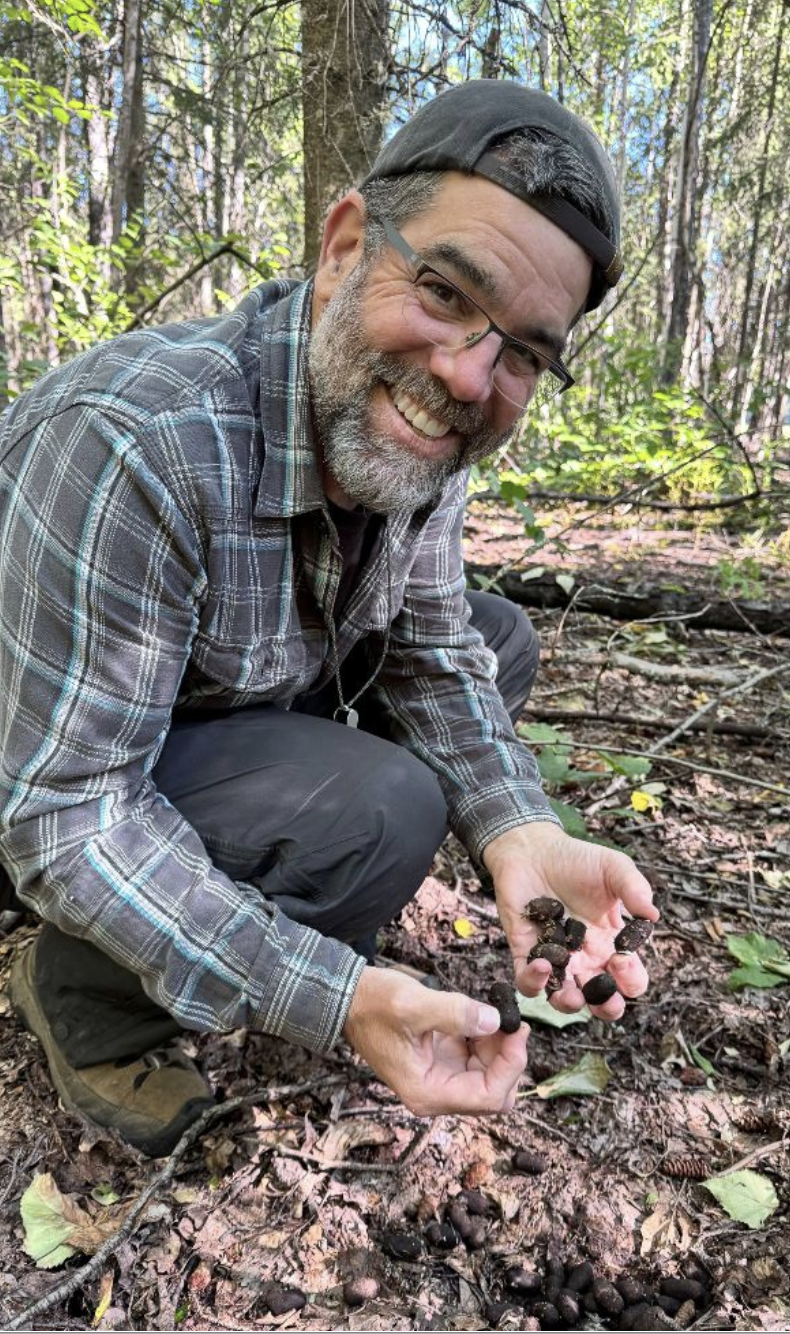
Bio: Dr. Brian A. Perry is a Professor of Biology at California State University East Bay and Director of the HAY Fungarium. He received his Master's Degree from San Francisco State University under the guidance of Dr. Dennis E. Desjardin, and his Ph.D. from Harvard University where he studied with Dr. Donald H. Pfister. Brian has been studying fungi since 1995 and has published over 45 papers in scientific journals. In addition to studying the evolution of fungal bioluminescence, he also conducts research on mushrooms and other fungi throughout the Pacific, the assembly and biogeography of island fungal communities, endophytic fungi, and the systematics of Mycena and allied genera. Brian teaches several mycology courses at Cal State East Bay and the Sierra Nevada Field Campus.
Location:
https://us02web.zoom.us/j/89184389640?pwd=N2x0V25JNkZaRHZoQ3VBVGJyYURuZz09
Zoom Meeting ID: 891 8438 9640
,
PRIORITY:3
TRANSP:TRANSPARENT
BEGIN:VALARM
TRIGGER:-PT5M
ACTION:DISPLAY
DESCRIPTION:Reminder
END:VALARM
END:VEVENT
END:VCALENDAR